The global oral care industry is undergoing a significant transformation. For decades, traditional peppermint and spearmint dominated retail shelves. Growing self-care interest and DTC wellness brands are driving an unprecedented demand for unique sensory experiences.
By tracking current toothpaste flavor trends, private label brands can easily set their products apart and reach target audiences. Adapting formulation strategies to align with modern consumer tastes can help turn everyday brushing into an engaging ritual.
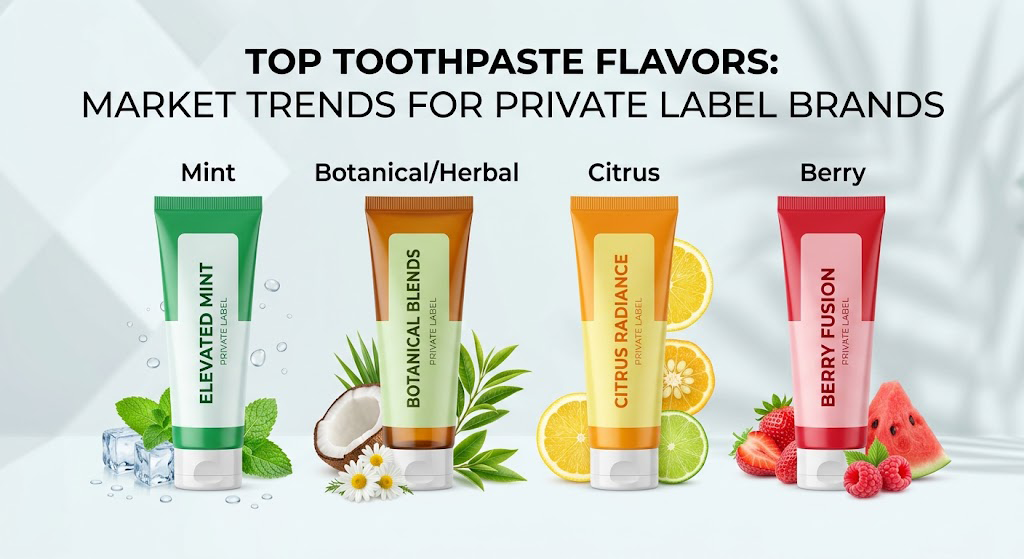
1. Elevated Mint Toothpaste Flavors: Redefining the Classic Standard
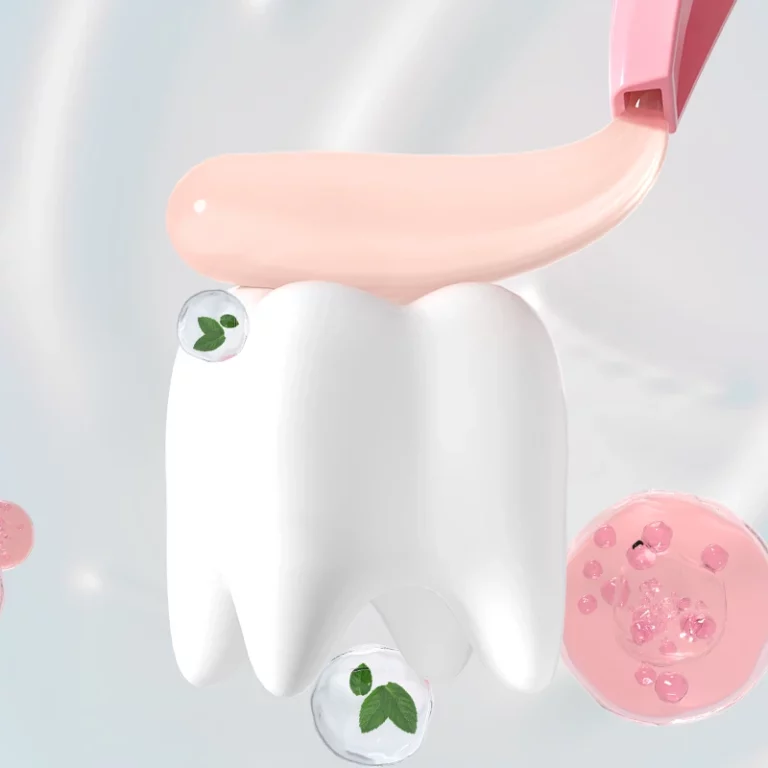
While conventional mint remains a foundation of oral hygiene, consumers are moving past standard artificial mint profiles. Today’s buyers expect sophisticated sensory notes and long-lasting freshness without harsh chemical aftertastes.
Private label manufacturers are innovating within the mint category by introducing specialized botanical blends:
- Ice Peppermint & Cool Spearmint: Infused with natural essential oils to deliver clean, intense cooling sensations.
- Matcha Mint & Green Tea Infusions: Combining classic freshness with subtle earthy notes to target health-conscious shoppers.
- Sweet Mint & Vanilla Mint: Softer options crafted for consumers seeking mild, non-irritating profiles.
Adding premium flavors to classic formulas helps brands keep traditional buyers while offering a fresh experience.
2. Botanical and Herbal Blends: Natural Toothpaste Flavor Trends
The market shift toward clean-label and natural cosmetics has driven strong growth in botanical formulations. Consumers increasingly look for plant-derived ingredients and naturally sourced flavor profiles when choosing personal care items.
According to research highlights shared by the American Dental Association, maintaining effective plaque control and oral hygiene remains paramount regardless of formulation style. This makes active ingredient stability alongside natural flavoring critical for success.
Key herbal and natural flavor combinations currently trending include:
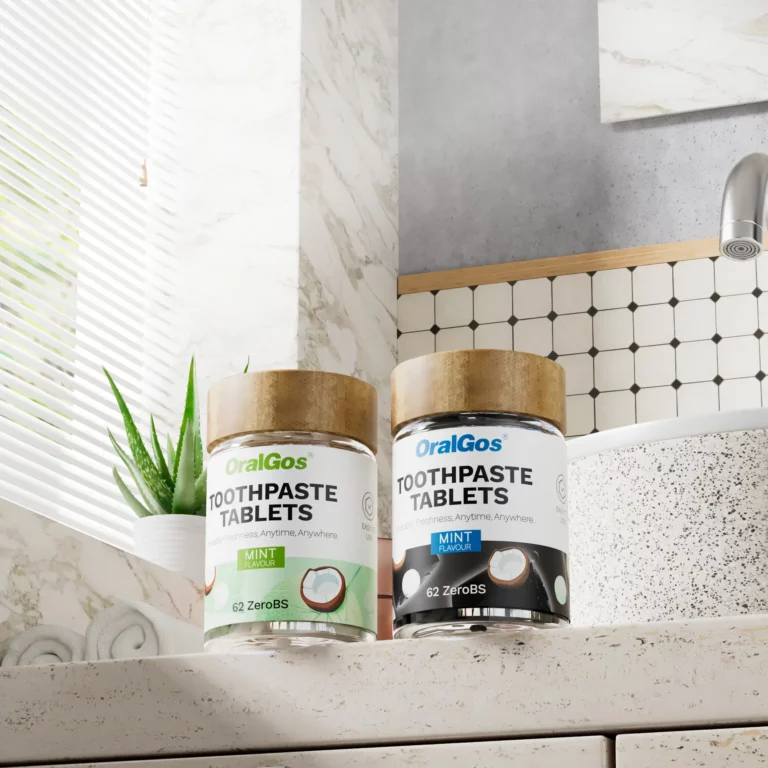
- Coconut Oil & Mint: Inspired by traditional oil-pulling practices, providing a smooth texture and mild flavor.
- Eucalyptus & Tea Tree: Delivering a clean, clinical feel favored by eco-conscious consumers.
- Cinnamon & Clove: Warm spice notes that offer a comforting alternative to sharp mint profiles.
Exploring diverse toothpaste product categories can help brand managers identify how botanical lines complement existing daily care portfolios.
3. Fruity Toothpaste Flavors for Adults and Kids
Fruit profiles are no longer limited to children’s oral care. Young adults and Gen Z consumers increasingly favor fun, indulgent flavors that break away from traditional routines.
Popular Fruit Toothpaste Flavor Trends:
- Citrus Radiance (Lemon, Lime, Yuzu): Zesty citrus blends evoke energy and freshness, making them popular morning choices.
- Berry Fusion (Strawberry, Raspberry, Peach): Rich fruit profiles favored in natural, fluoride-free, and whitening product lines.
- Watermelon & Tropical Mango: Playful options designed to make daily routines more enjoyable for both kids and adults.
Bold flavor choices help private label products stand out on crowded retail shelves. This quick appeal turns younger shoppers into loyal, repeat customers.
4. Strategic Recommendations for Private Label Brands
Launching a successful private label product requires balancing consumer flavor preferences with manufacturing standards and regulatory compliance.
- Focus on Flavor Stability: Ensure flavor oils do not degrade active ingredients such as fluoride or hydroxyapatite over time.
- Offer Sample or Trial Kits: Multi-flavor sample kits lower the risk for first-time buyers, making them more likely to purchase.
- Align Flavor with Functional Claims: Match citrus flavors with whitening products, and pair chamomile-mint with sensitive toothpaste lines.
Private label brands should stay ahead of market trends to meet modern customer needs. Doing so builds unique product lines that earn long-term loyalty.