Toothpaste has become more than a basic product for cleaning teeth. Today, oral care brands are exploring new formulas that make daily brushing more interesting. One example is color changing toothpaste. These products use special ingredients to create visible color changes during brushing or after contact with certain substances.
Toothpaste manufacturers use specific ingredients and formulation technologies to create color-changing effects. Does the color change help clean teeth, or is it mainly a visual effect? Understanding the technology behind these products can help consumers make better choices. It can also help oral care brands explore new ideas for toothpaste development.
What Is Color Changing Toothpaste?
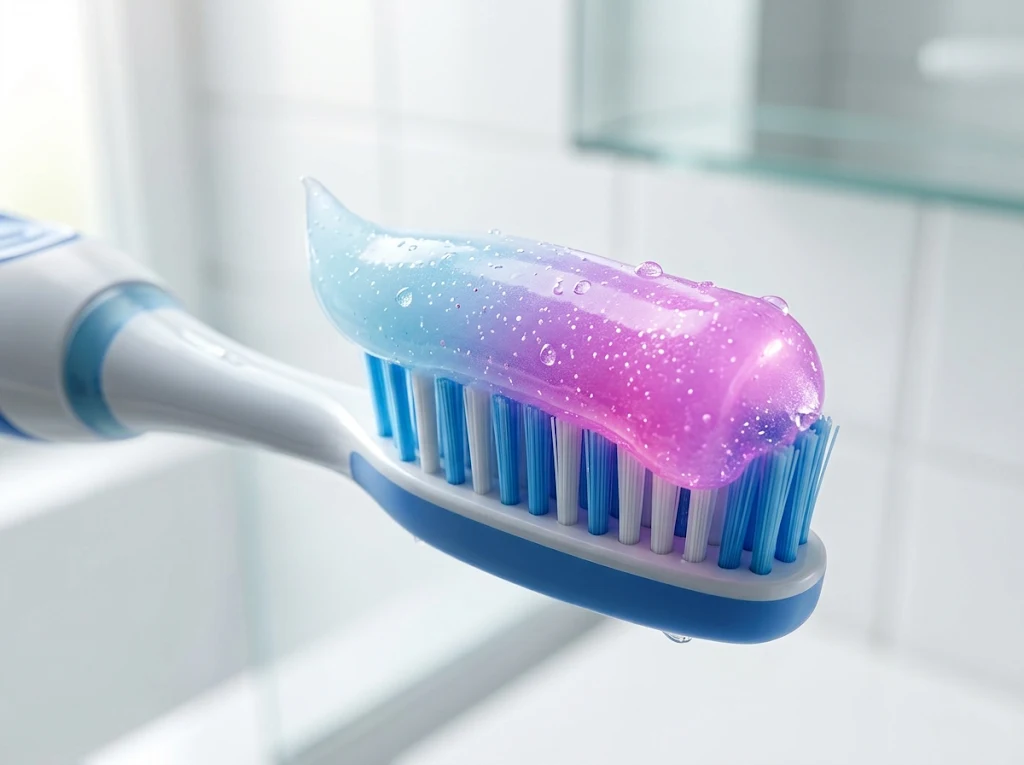
Color changing toothpaste is a type of toothpaste designed to change its appearance under certain conditions. For example, the paste may start with one color and turn into another during brushing. Some formulas may also change color after contact with saliva, water, or other ingredients.
The exact effect depends on the formula and the technology used by the manufacturer.
Unlike traditional toothpaste, which usually keeps a similar color during use, these products offer a more interactive brushing experience. Some brands use this feature to make oral care more attractive to children and adults.
A color change does not always mean that the toothpaste cleans teeth better or offers stronger cavity protection. The product’s oral care benefits still depend on its active ingredients and overall formula.
How Does Color Changing Toothpaste Work?
The color change comes from special ingredients added during product development. Different formulas can use different technologies to create this effect.
1. Color-Sensitive Pigments and Dyes
Some toothpaste formulas use special pigments or dyes that respond to changes in their surroundings. These colorants may react to factors such as pH, moisture, or contact with other ingredients.
For example, certain pH-sensitive colorants can display different colors under different acidity conditions. When the surrounding environment changes, the color of the formula may also change.
However, not every color changing toothpaste uses pH-sensitive ingredients. Manufacturers must select a suitable color system based on the desired effect, formula stability, and safety requirements.
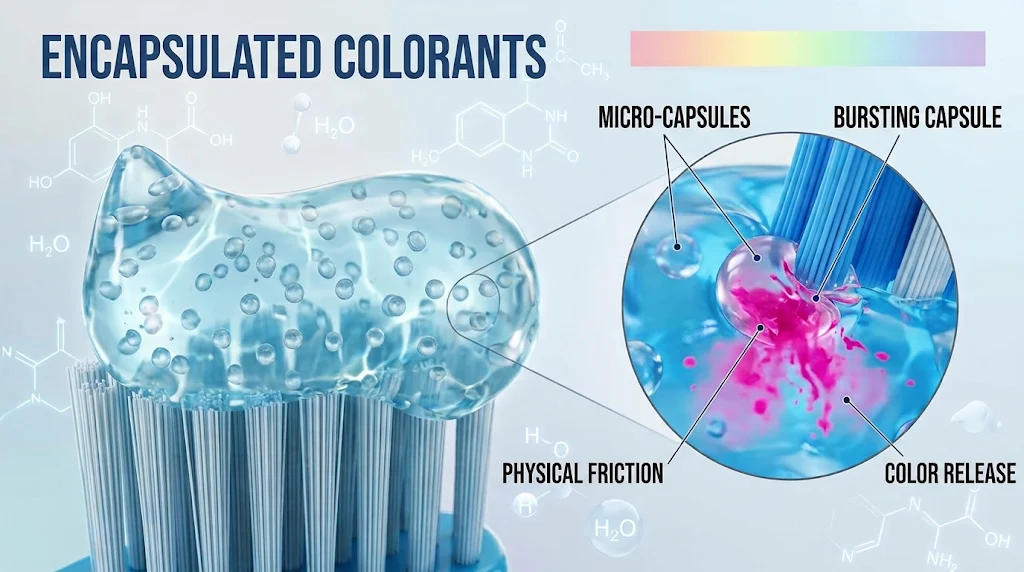
2. Encapsulated Colorants
Another approach uses encapsulated dyes. Manufacturers protect the colorant with a small coating or capsule.
During brushing, physical contact or other suitable conditions may help release the colorant. The toothpaste can then display a different color.
This method offers opportunities for brands that want to create a clear visual effect. Manufacturers must test the capsules carefully to maintain stability during storage and ensure proper color release.
3. Pigments That Create a Whitening Effect
Some consumers confuse color changing toothpaste with color-correcting or whitening toothpaste. However, these products do not always use the same technology.
For example, certain whitening formulas contain blue pigments such as blue covarine. These pigments can deposit on the tooth surface and change how light reflects from the teeth. This may make teeth appear less yellow for a short time.
This effect is different from toothpaste changing color inside the mouth. Blue pigments create an optical effect on the teeth rather than necessarily changing the color of the toothpaste itself.
What Causes Toothpaste to Change Color?
Several factors can influence the color-changing effect. The main factor depends on the technology used in the formula.
- pH changes: Some colorants respond to changes in acidity or alkalinity.
- Moisture: Water or saliva may help activate certain color systems.
- Physical contact: Brushing can help release encapsulated pigments.
- Ingredient interactions: Certain ingredients may interact and create a visible color change.
Not all products respond to these factors in the same way. Therefore, consumers should check the product description and usage instructions to understand how a specific formula works.
Is Color Changing Toothpaste Safe to Use?
Safety depends on the ingredients, their concentrations, and the quality of the finished product. A color-changing effect alone does not prove that a toothpaste is safe or unsafe.
Manufacturers should evaluate the safety of colorants and other ingredients before bringing a product to market. They should also check formula stability, ingredient compatibility, and performance during storage.
Consumers should check the active ingredients before choosing toothpaste. Appearance alone does not show how well a product works.

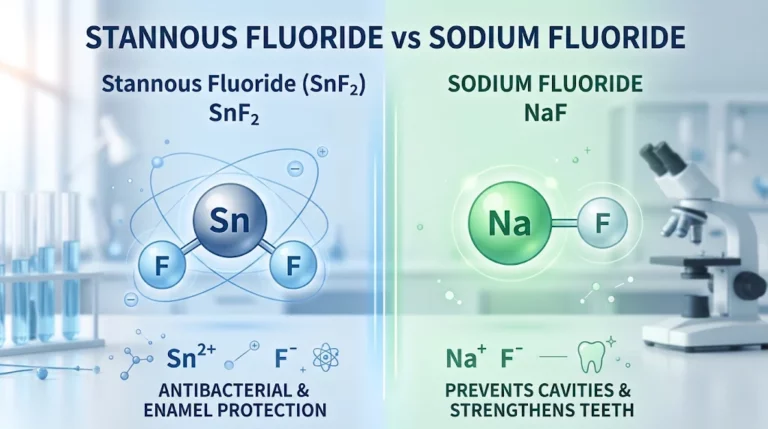
Many toothpastes contain fluoride. It strengthens tooth enamel and helps prevent tooth decay.
The American Dental Association (ADA) sets safety and effectiveness standards for fluoride toothpastes that earn its Seal of Acceptance. These products must meet specific requirements for cavity protection. Visit the American Dental Association’s guide to toothpaste ingredients and benefits to learn more.
Does Color Changing Toothpaste Clean Teeth Better?
A color change does not necessarily improve plaque removal or tooth cleaning. This feature makes brushing more interesting and enjoyable.
The cleaning performance of toothpaste depends on several factors, including its abrasive system, surfactants, and active ingredients. Brushing technique and frequency also play an important role.
Fluoride toothpaste helps prevent cavities. Abrasive ingredients also remove surface stains during brushing.
The ADA recommends brushing twice a day for two minutes with fluoride toothpaste. Therefore, consumers should focus on proven oral care benefits instead of relying only on visual effects.
Why Are Brands Interested in Color Changing Toothpaste?
Color changing toothpaste offers oral care brands another way to develop distinctive products. As the toothpaste market becomes more competitive, brands are looking for features that attract consumer attention.
Some potential benefits include:
– **Product differentiation:** A visible color change can help a product stand out from traditional toothpaste.
– **Interactive brushing:** Color effects may make daily brushing more interesting, especially for younger users.
– **New product concepts:** Brands can explore different colors, flavors, textures, and packaging designs.
– **Marketing opportunities:** Unique visual effects can support product demonstrations and social media content.
However, brands should make sure that marketing claims match the actual product performance. Brands should not claim that a visual effect improves whitening or cavity protection without scientific evidence.
What Should Manufacturers Consider When Developing Color Changing Toothpaste?
Developing a color-changing formula requires more than adding a pigment to a traditional toothpaste base. Manufacturers need to consider several technical factors.
First, the colorant must be suitable for its intended oral care application. Manufacturers should check how the colorants work with fluoride, abrasives, flavors, and other ingredients.
Second, the formula needs good color stability during production, transportation, and storage. Unwanted color changes inside the tube may affect product appearance and consumer confidence.
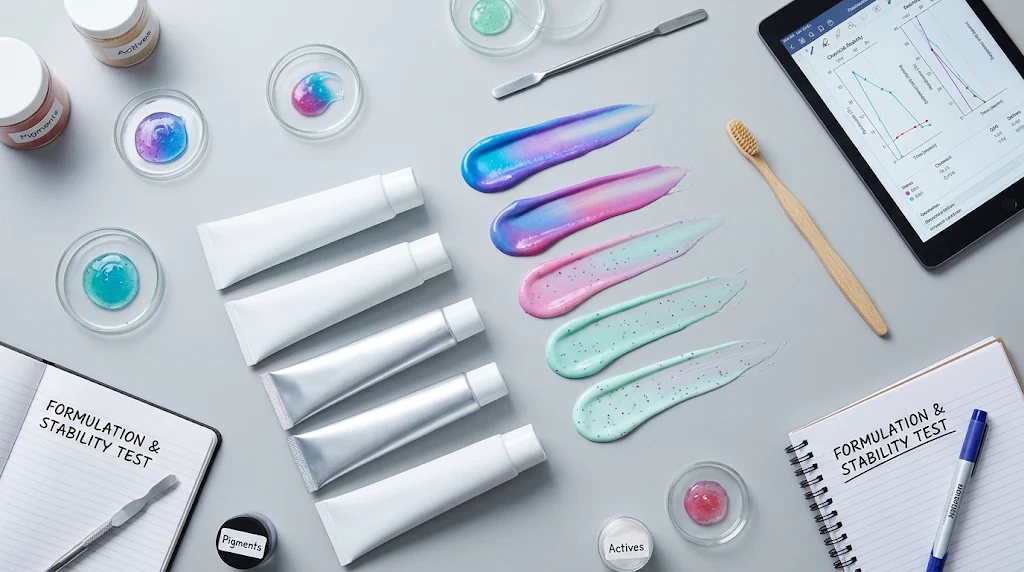
Third, manufacturers should test the intended color-changing effect under normal brushing conditions. The formula should deliver a consistent result without affecting its basic cleaning performance.
Finally, packaging must protect the formula from conditions that could affect its stability. These considerations are important when developing private-label and OEM toothpaste products.
Brands can explore different toothpaste formulas and product ideas at OralGos. Visit our toothpaste product category to view more options.
Final Thoughts
Color changing toothpaste combines oral care formulation with visual innovation. Different technologies create different color-changing effects. These effects may come from special pigments, encapsulated dyes, or reactions between toothpaste ingredients.
This feature makes brushing more interesting and gives brands new product ideas. However, it does not always improve cleaning or whitening results. The quality of the formula, active ingredients, and safety testing remain essential.
For consumers, choosing toothpaste with proven oral care benefits should always come first. Brands and manufacturers can use color-changing technology to develop new toothpaste products. These products can combine useful features with a more engaging brushing experience.