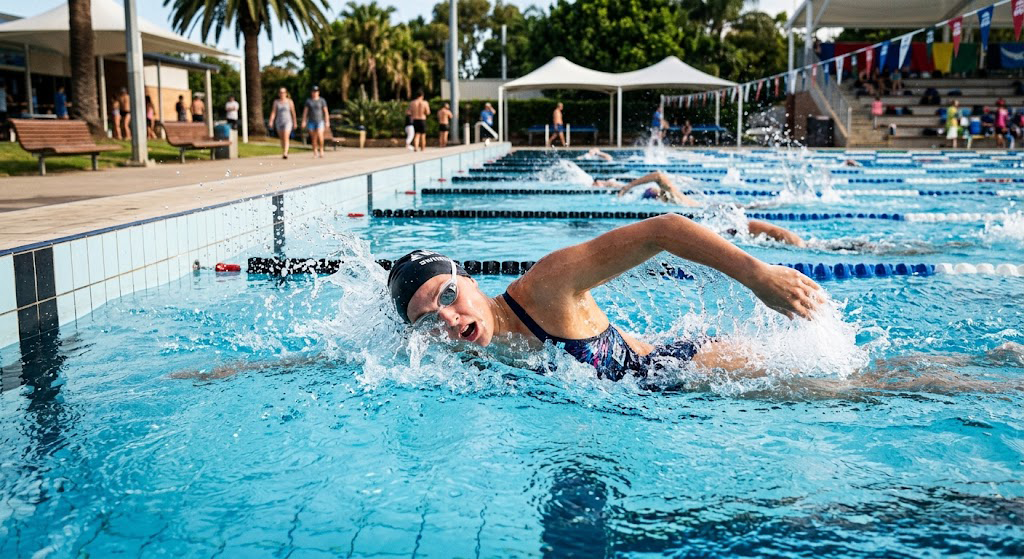
Swimming is often considered the ultimate full-body workout. It builds endurance, protects your joints, and offers a low-impact cardio session. However, spent hours gliding through chlorinated water can quietly affect your smile. Spending over six hours a week in chlorinated pools increases the risk of yellow or brown stains near the gumline. Prolonged exposure to pool chemicals can lead to swimmer’s calculus, a distinct type of dental tartar. Understanding what is swimmer’s calculus? Understanding how pool chlorine causes tooth decay helps you protect your enamel while staying active.
What Is Swimmer’s Calculus?
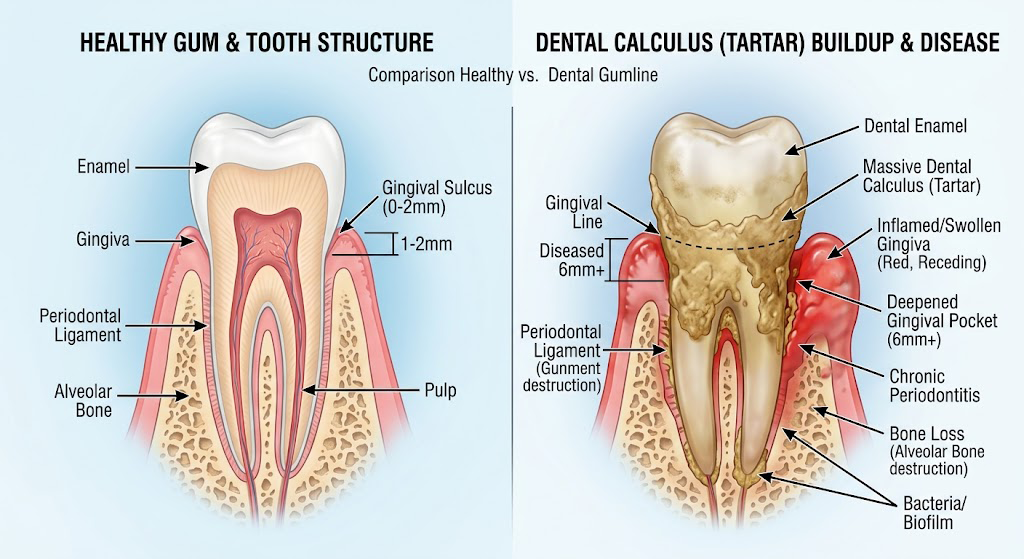
Swimmer’s calculus refers to hard, discolored mineral deposits (tartar) that accumulate rapidly on the teeth of frequent swimmers. Regular calculus forms when plaque reacts with saliva. In contrast, swimmer’s calculus develops much faster because of the chemicals in pool water.
Normal Saliva pH (~6.5 – 7.5) ───► Protects Enamel & Prevents Plaque Hardening
Low pH / Improper Pool Water ───► Proteins Denature + Accelerated Tartar Buildup
Frequent contact with pool water breaks down saliva proteins, causing them to bond quickly with compounds in the water. This process creates a stubborn, yellowish-brown crust. Because swimmer’s calculus adheres so tightly to teeth, a standard toothbrush cannot remove it. Only professional dental scaling can eliminate these deposits.
How Pool Chlorine Triggers Swimmer’s Calculus and Tooth Decay
Pool chlorine itself doesn’t directly attack your teeth; rather, improper pH balance in pool water causes damage. Pool disinfectants require careful monitoring to keep the pH level between 7.2 and 7.8. When gas chlorination or automated chemical feeds fall out of balance, the water turns acidic.
1. Chlorine-Induced Enamel Erosion
Sustained exposure to acidic water removes vital minerals like calcium from your enamel. According to the American Dental Association, this process leaves your teeth vulnerable to decay. This process, called demineralization, softens the outer protective layer of your teeth.
2. Higher Cavity Risk from Pool Acids
As acidic water wears down enamel, the underlying dentin becomes exposed. Dentin is softer and contains microscopic tubules leading directly to the nerve. Once enamel thins out, oral bacteria invade these surfaces far more easily, speeding up traditional tooth decay.
3. Dry Mouth and Reduced Salivary Defense
Saliva naturally neutralizes oral acids and washes away micro-debris. Swallowing pool water or breathing through your mouth while doing laps dries out the oral cavity. Reduced salivary flow weakens your mouth’s defenses, allowing swimmer’s calculus to form alongside heightened rates of decay.
| Condition Factor | Standard Dental Plaque | Swimmer’s Calculus |
| Primary Driver | Food sugars & oral bacteria | Chlorinated pool water & low pH |
| Appearance | Soft, off-white film | Hard, yellow-to-brown deposits |
| Risk Group | General public | Swimmers (>6 hours/week) |
| Prevention | Standard daily brushing/flossing | pH balancing, rinsing, target oral care |
How to Prevent Swimmer’s Calculus and Stop Enamel Erosion
Maintaining a swimming routine does not mean compromising your oral health. Implementing targeted preventive habits minimizes chemical wear on your teeth.
Rinse Away Pool Chlorine Immediately After Swimming
Placing a bottle of fresh water near your swimming lane allows you to rinse immediately after your workout. Rinsing with clean water immediately after swimming flushes out residual chemicals. This simple habit helps quickly return your oral pH to neutral levels.
Wait Before Brushing Acid-Softened Enamel
Because acidic pool water temporarily softens enamel, brushing your teeth immediately after swimming can cause abrasive wear. Wait at least 30 to 60 minutes before brushing so your saliva can remineralize the enamel surface naturally.
Use Ultra-Soft Bristles to Prevent Calculus Stains
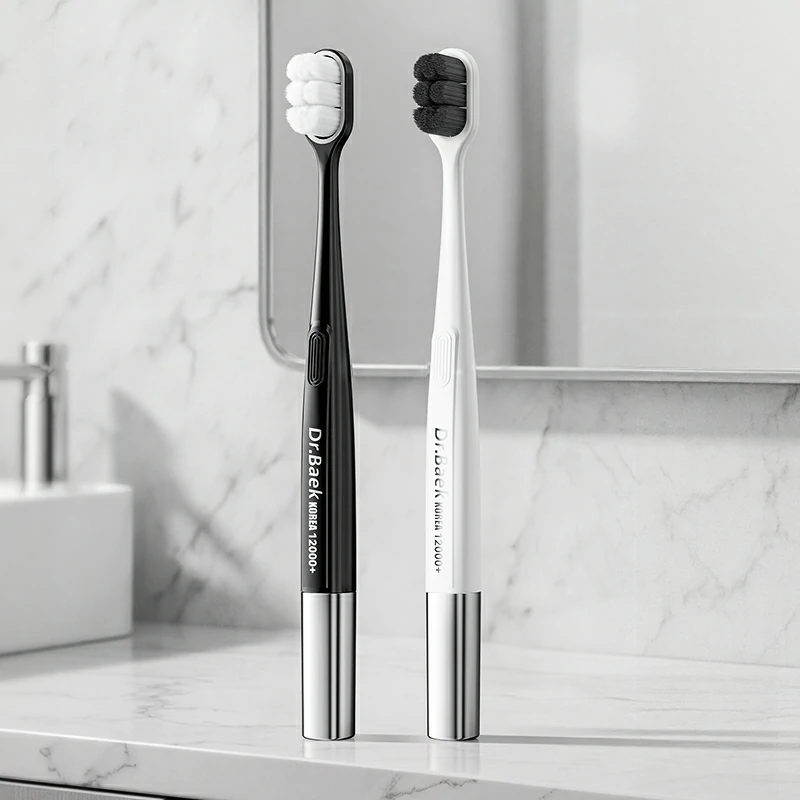
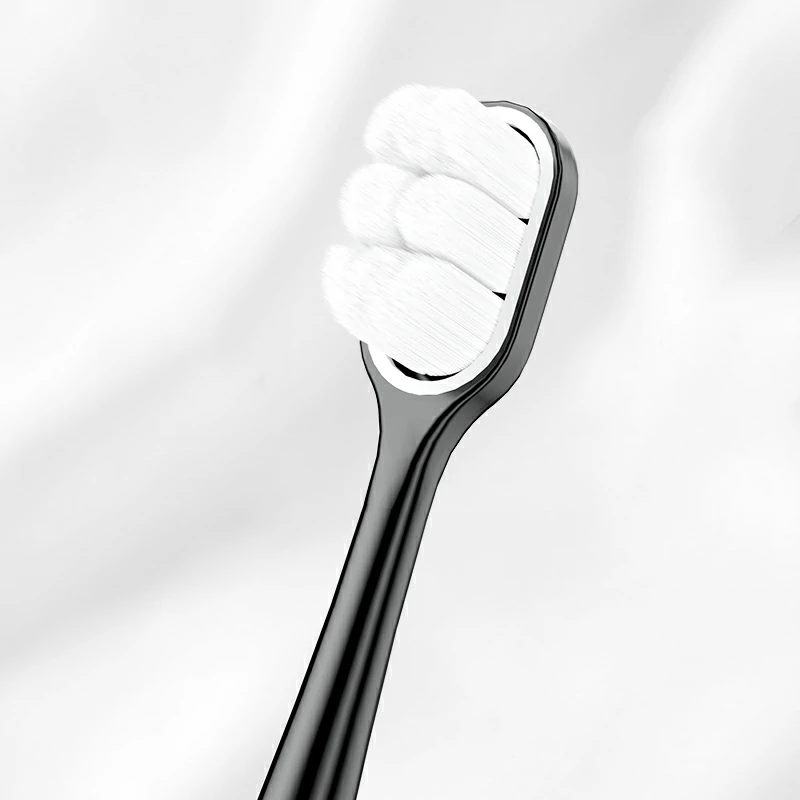
When you do brush, use a brush designed to protect delicate enamel and sensitive gums. Gentle tools like the Dr. Baek Ultra Soft Toothbrush Set easily sweep away debris. They clean effectively without irritating gum tissue or damaging acid-softened enamel.
Remineralize Teeth to Fight Swimmer’s Calculus
To repair micro-damage caused by acidic pool water, incorporate remineralizing formulas into your routine. Oralgos Whitening Repair Toothpaste protects your teeth by repairing compromised enamel and erasing discoloration from pool chemicals.


Schedule Professional Scaling to Remove Hardened Calculus
Because swimmer’s calculus bonds tightly to tooth surfaces, regular home care cannot remove hardened deposits on its own. Schedule professional dental cleanings every six months to safely remove hardened tartar. Regular scaling prevents swimmer’s calculus from causing tooth decay or gum disease.
Maintaining your swimming routine doesn’t mean compromising your oral health. You can easily prevent swimmer’s calculus and keep your teeth strong. Simply check pool quality, rinse with fresh water after workouts, and practice gentle enamel care.