Noticing bleeding during your daily oral care routine is a clear signal that your gums require attention. While it is a common issue, bleeding gums are not something you should ignore. They are often your body’s check-engine light, signaling that your oral health needs a little extra attention. Understanding why this happens is the first step toward reclaiming a healthy smile. Once you understand the root causes, reversing this issue is simple. With the right habits and tools, you can easily learn how to stop bleeding gums safely.

Why Do Gums Bleed? The Root Causes
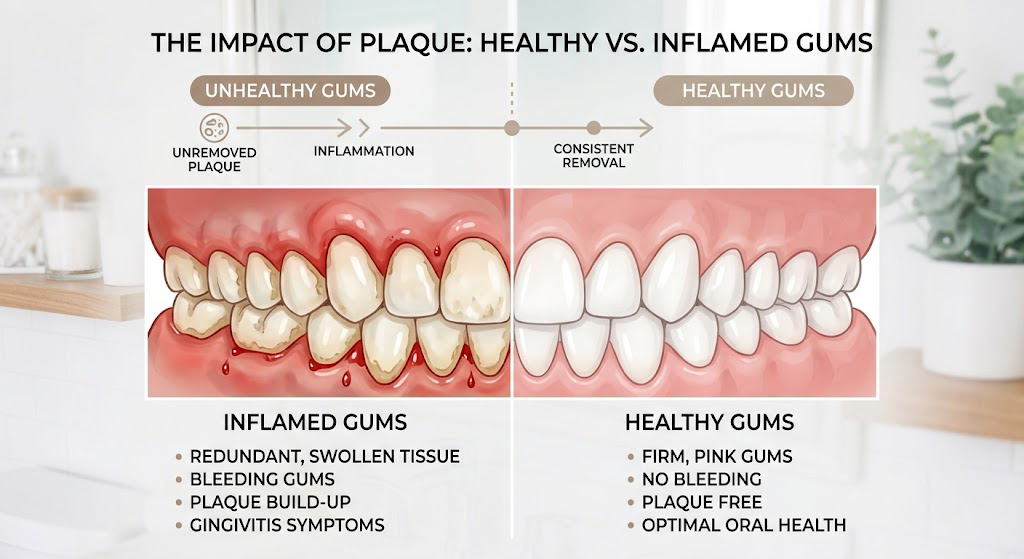
Before diving into solutions, it is essential to understand why gums bleed in the first place. Healthy gums are firm, pink, and do not bleed during normal cleaning. If yours do, one of the following factors might be at play:
1. Plaque Build-Up and Gingivitis
The most frequent culprit is plaque—a sticky film of bacteria that constantly forms on our teeth. If you do not remove plaque thoroughly, it hardens into tartar and irritates the gum tissue. This leads to an early stage of gum disease known as gingivitis.
The American Dental Association warm that gingivitis inflames and swells your gums. As a result, they become prone to bleeding during brushing or flossing.
2. Aggressive Brushing and Why It Makes Gums Bleed
Sometimes, the issue isn’t a lack of hygiene, but rather an overly aggressive routine. Using stiff bristles or scrubbing too hard can physically damage your delicate gums. This tissue trauma directly causes them to bleed.
3. New Flossing Routines and Temporary Irritation
If you have recently started flossing regularly, your gums might bleed for the first few days as they adapt to the new routine. This is usually temporary and should subside within a week.
How to Stop Bleeding Gums Safely and Effectively
If you are noticing regular bleeding, you do not have to live with the discomfort. Here is a step-by-step guide on how to stop bleeding gums safely using evidence-based oral care strategies.
Upgrade to a Gentle Brushing Technique to Stop Bleeding
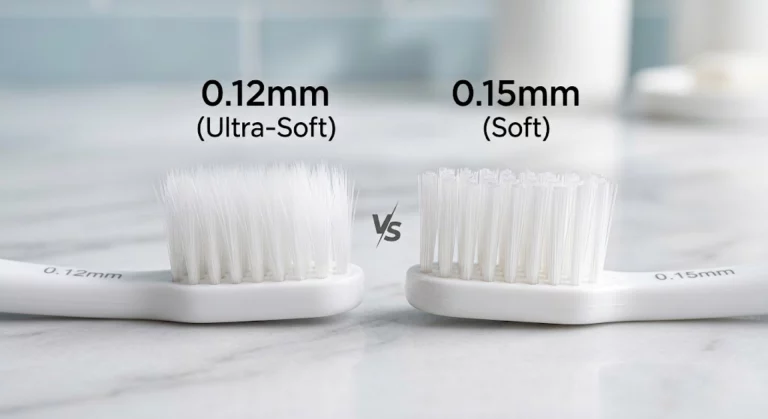
To prevent tissue trauma, switch to a brush that treats your gums with care. A manual toothbrush with ultra-soft bristles can effectively remove plaque without lacerating your gums.
Upgrade to an electric toothbrush to take the guesswork out of brushing pressure. Many modern electric models feature built-in pressure sensors. These sensors alert you when you press too hard, ensuring a safe clean along the gumline. Remember to brush at a 45-degree angle toward the gumline and let the bristles do the work.
Clean Between Your Teeth without Bleeding or Irritation
Flossing is non-negotiable for gum health, but traditional string floss can sometimes feel too harsh on inflamed, sensitive gums. If string floss causes too much discomfort, a water flosser is an excellent alternative. Water flossers use a targeted stream of pressurized water to flush out plaque and debris from deep between the teeth and below the gumline. This method is highly effective and significantly gentler on bleeding tissues.

Maintain a Balanced Diet for Faster Gum Recovery
Your gums rely on essential nutrients to stay strong and fight off infections. Foods rich in Vitamin C, like citrus fruits, and Vitamin K, like leafy greens, protect your mouth. These key nutrients actively support tissue healing and blood clotting. Conversely, reducing your intake of sugary snacks and processed carbohydrates limits the fuel source for harmful oral bacteria.
When to See a Dentist About Bleeding Gums
While improving your daily oral hygiene routine is the primary way how to stop bleeding gums, home care has its limits. If your gums continue to bleed after two weeks of consistent, gentle care, it is time to schedule an appointment with your dentist.
Professional dental cleanings are necessary to remove hardened tartar that a toothbrush simply cannot budge. Furthermore, persistent bleeding can indicate a more advanced stage of gum disease called periodontitis. This serious infection requires professional intervention to prevent bone and tooth loss.
Final Thoughts: Reversing Bleeding Gums for Good
Bleeding gums show that bacteria are building up along your gumline. Fortunately, you can easily reverse this issue with the right care.
You can easily restore your gums to a healthy, vibrant state. Simply switch to softer brushing tools, practice gentle flossing, and maintain regular dental checkups. Take control of your oral health today, and give your smile the gentle care it deserves.