A bright, healthy smile relies heavily on daily oral hygiene. After you eat or drink, bacteria quickly form a sticky coating called dental plaque. Left unchecked, this coating hardens into tartar. At this stage, only a dental professional can safely remove it.
Removing plaque early is the best way to safeguard your gums. It also helps you avoid tooth decay and costly dental treatments later.

Why Plaque Turns Into Hard Tartar
Plaque is a bio-film containing millions of bacteria that feed on dietary sugars and starches. As these bacteria digest carbohydrates, they release acids that attack enamel, leading to cavities and gingivitis.
If you do not brush or floss plaque away within 72 hours, it reacts with minerals in your saliva. This chemical process causes the soft bacterial film to calcify and harden into tartar.
Unlike soft plaque, tartar bonds tightly to your enamel. Over time, it settles below the gumline and triggers inflammation. Since you cannot brush away tartar at home, preventing its buildup is your best defense.
Daily Steps on How to Remove Plaque from Teeth Effectively
Preventing tartar buildup requires a proactive daily routine. Incorporate these proven strategies to clean every surface of your teeth and maintain optimal oral hygiene.
1. Master Brushing Techniques for Plaque Removal
Brushing twice daily for at least two minutes forms the cornerstone of plaque removal. Angle the brush head at 45 degrees and use gentle, circular motions on your teeth. Pay close attention to hard-to-reach areas, including the back molars and the backs of your front teeth.
Using the right equipment makes a major difference:
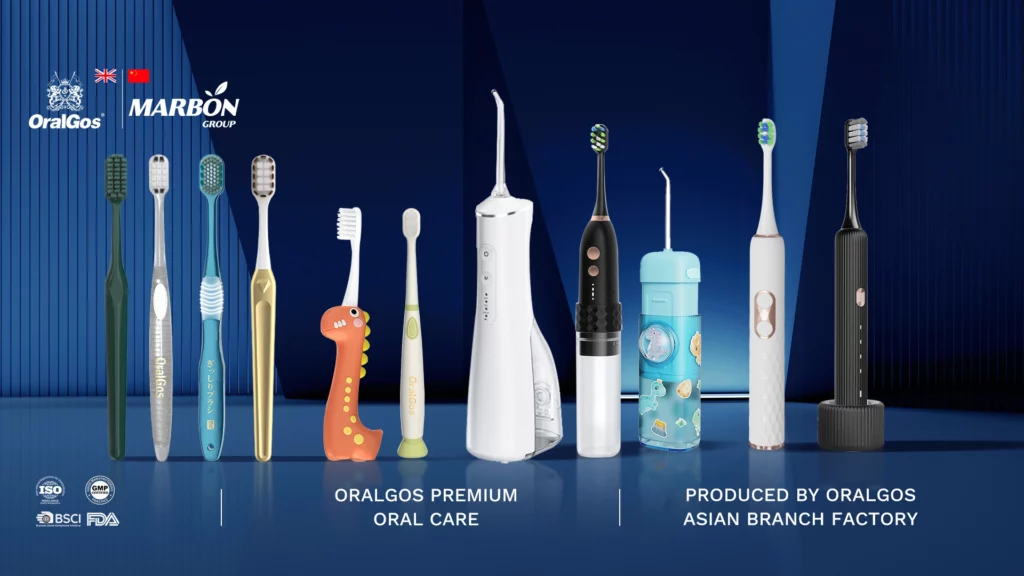
- Manual Toothbrushes: Choose a soft-bristled manual toothbrush to sweep away plaque. This protects your gums from irritation and preserves your enamel.
- Electric Toothbrushes: An electric toothbrush offers strong sonic or oscillating motion. This breaks up stubborn plaque much better than a manual brush.
2. Choose the Right Toothpaste to Remove Plaque
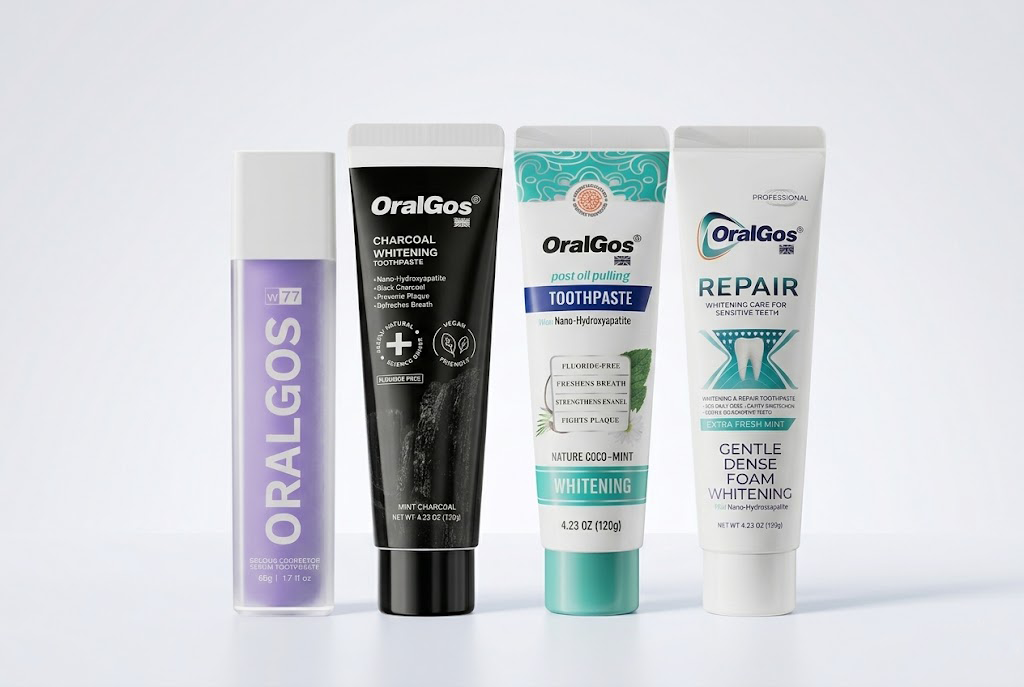
Brushing alone removes physical debris, but active ingredients help neutralize bacterial acids and strengthen enamel. Using a fluoride or hydroxyapatite toothpaste helps rebuild weakened enamel and stop bacterial growth throughout the day.
3. Clean Between Teeth to Prevent Plaque Buildup
Standard toothbrushing only reaches about 60% of your tooth surfaces. Plaque thrives in the tight spaces between teeth where bristles cannot reach. Traditional dental floss lifts daily food debris. However, using a high-performance water flosser uses targeted water pressure to flush out plaque deep beneath the gumline.
Best Practices on How to Remove Plaque from Teeth at Home
Core cleaning tools are essential, but daily lifestyle habits also matter. Small routine changes can significantly cut bacterial growth.
| Action | Daily Goal | Primary Benefit |
| Brushing Duration | 2 minutes, twice daily | Sweeps away soft biofilm before mineral deposits form |
| Interdental Cleaning | At least once daily | Clears hidden plaque between tight tooth surfaces |
| Hydration | 8+ glasses of water | Rinses away food particles and maintains protective saliva flow |
| Sugar Reduction | Limit sweet/sticky snacks | Deprives plaque-causing bacteria of primary food sources |
Hydrate to Flush Away Plaque and Bacteria
Saliva acts as your mouth’s natural defense mechanism. It contains vital minerals like calcium and phosphate that remineralize enamel, along with natural enzymes that combat bacteria. Drink plenty of water throughout the day, and consider chewing sugar-free gum after meals to boost saliva production.
Limit Sugary Foods That Cause Plaque
Bacteria thrive on simple carbohydrates, sugars, and acidic drinks. Sticky items like dried fruit, candy, and sodas linger on tooth surfaces, offering a constant food supply for bacteria. Cut back on frequent snacking and rinse your mouth with water immediately after eating sweet foods.
Use Mouthwash to Stop Plaque Formation
Rinsing with a therapeutic, alcohol-free mouthwash reaches areas brushed over by bristles. Look for rinses containing cetylpyridinium chloride (CPC) or chlorhexidine to kill remaining bacteria and slow down plaque buildup.
Professional Dental Care to Remove Stubborn Plaque
While home care stops plaque before it calcifies, regular professional dental checkups remain essential. The American Dental Association recommends routine cleanings every six months. Regular visits treat early tartar buildup before it turns into serious gum disease. Professional hygienists use specialized scaling tools designed to safely remove hardened tartar without damaging your enamel.
A dedicated routine makes it easy to master plaque removal. Using the right tools and getting regular dental cleanings ensures a lifetime of healthy smiles.