The global personal care industry is shifting rapidly toward green products, ethics, and clean formulations. As consumers pay more attention to what is in their daily hygiene products, many retailers now sell vegan toothpaste. To capture market share, brands and buyers must look beyond marketing. Success in plant-based oral care requires a solid grasp of formulation science, ethical standards, and product quality.
Are you expanding an oral care line or sourcing eco-friendly products? This guide covers everything you need to know about the growing vegan toothpaste market.
What Makes a Toothpaste Truly Vegan?
At its core, vegan toothpaste contains no animal-derived ingredients or byproducts. Furthermore, manufacturers never test these products on animals at any stage. Standard commercial toothpastes often rely on animal fat or animal-sourced binders. In contrast, cruelty-free alternatives use mineral and plant-based substitutes.
Common Non-Vegan Ingredients to Avoid
To stay compliant, brands must carefully check their supply chains. Watch out for these common non-vegan ingredients in conventional oral care:
- Glycerin (Animal-Derived): Glycerin maintains moisture in paste formulations. Although glycerin can come from plant oils like soy or coconut, traditional brands often use animal fat instead.
- Propolis and Beeswax: Often added for natural antimicrobial benefits, these bee-derived compounds violate strict vegan standards.
- Bone Meal / Bone Ash: Historically used as a coarse abrasive agent for calcium content.
- Carmine (Cochineal): A natural red pigment derived from crushed cochineal insects, occasionally used in pink or tinted pastes.
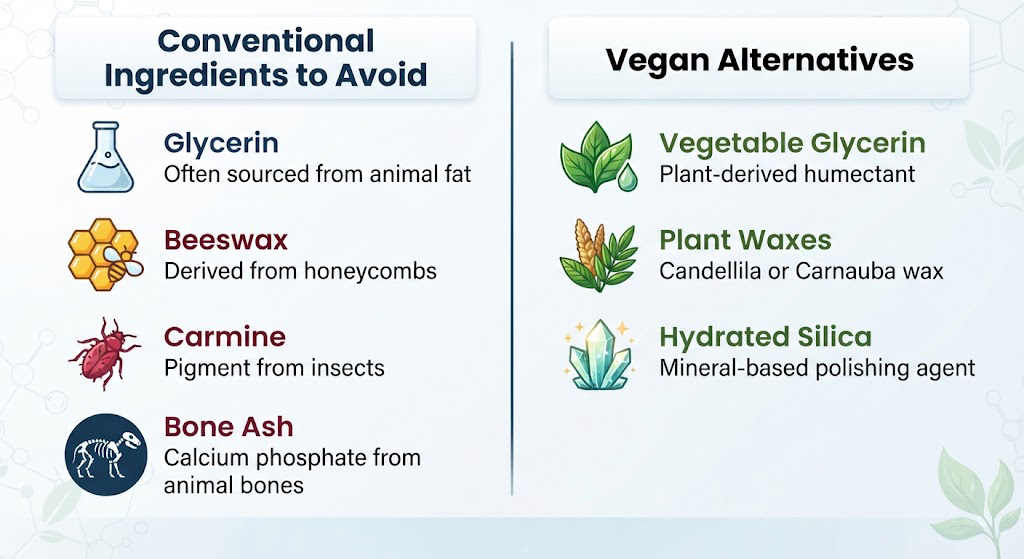
Modern plant formulas replace these components with vegetable glycerin, plant waxes, and hydrated silica. This ensures a 100% cruelty-free product that still delivers great performance and taste.
The Market Demand for Vegan Toothpaste Solutions
Consumer expectations are shifting rapidly. According to guidelines from health organizations like the American Dental Association, daily plaque removal and effective remineralization remain the essential pillars of oral hygiene. However, today’s consumers want clean, ethical products that deliver these exact benefits.
Key Market Drivers
- Ethical and Environmental Awareness: Buyers actively avoid products linked to animal testing or forest destruction.
- Clean Label Formulations: Conscious consumers demand clear ingredient lists. They actively avoid artificial dyes, harsh sulfates like SLS, and synthetic parabens.
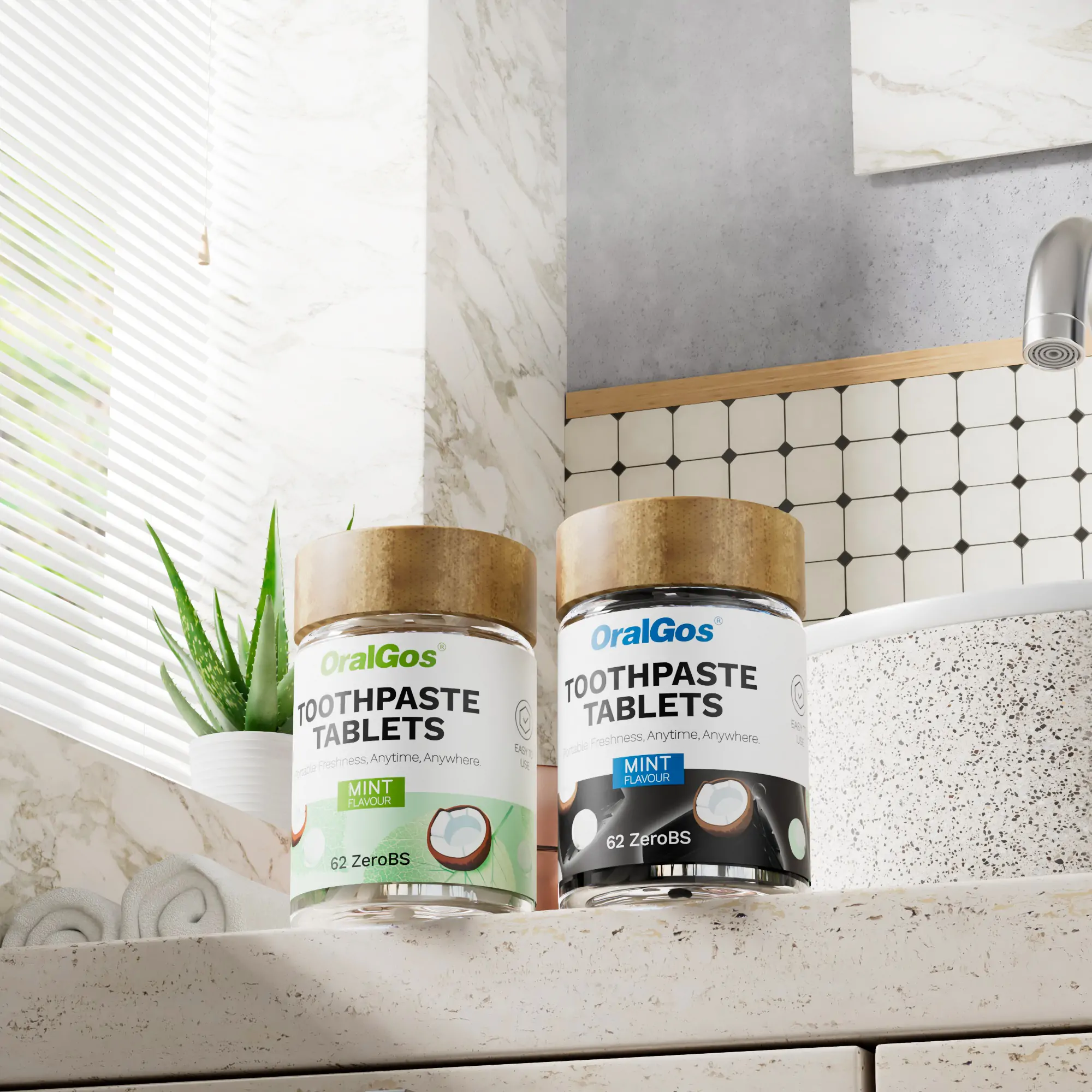
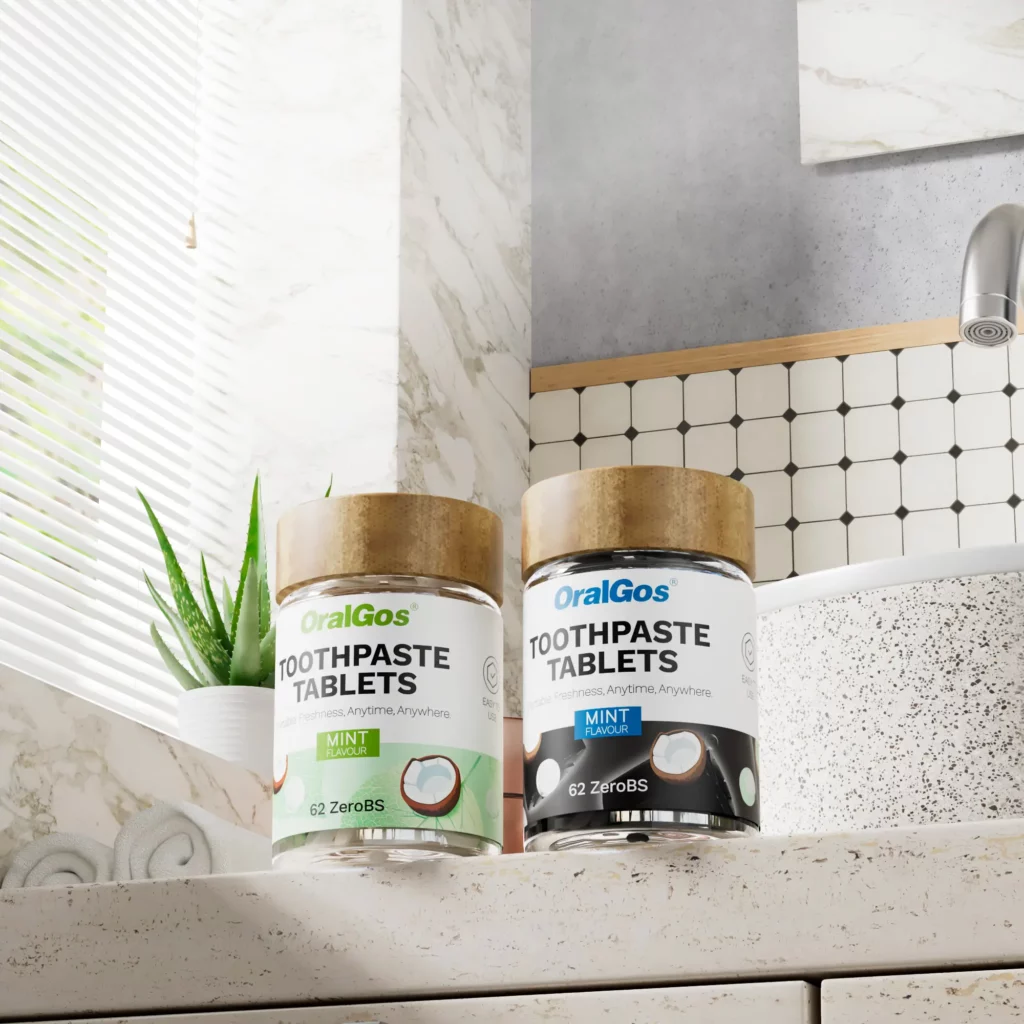
- Eco-Friendly Packaging Formats: Vegan lifestyle preferences often go hand-in-hand with zero-waste initiatives. Solid formulations—such as chewable dentifrice tablets packaged in glass jars or aluminum tins—are soaring in popularity.
For instance, Zerobs Toothpaste Tablets Mint Flavor offer clean, plant-based ingredients in a waterless format. This design eliminates single-use plastic tubes entirely.
Formulating High-Performance Vegan Toothpaste
Developing an effective plant-based toothpaste requires balancing oral health benefits with clean ingredient standards. Brands must carefully select functional ingredients that clean, polish, and protect enamel.
Active Remineralization Agents
A common myth is that natural or vegan formulations cannot protect enamel as effectively as traditional toothpaste. In reality, formulators have robust remineralizing options:
- Fluoride: Essential for preventing dental caries and strengthening enamel.
- Nano-Hydroxyapatite (nHAp): A biocompatible, non-toxic alternative that coats enamel surface micro-fissures, reducing sensitivity while remineralizing teeth naturally.
Natural Abrasives and Stain Removal
Gentle abrasives are required to scrub away dental plaque and extrinsic surface stains:
- Hydrated Silica: A mineral-derived mild abrasive that polishes teeth safely without damaging delicate tooth enamel.
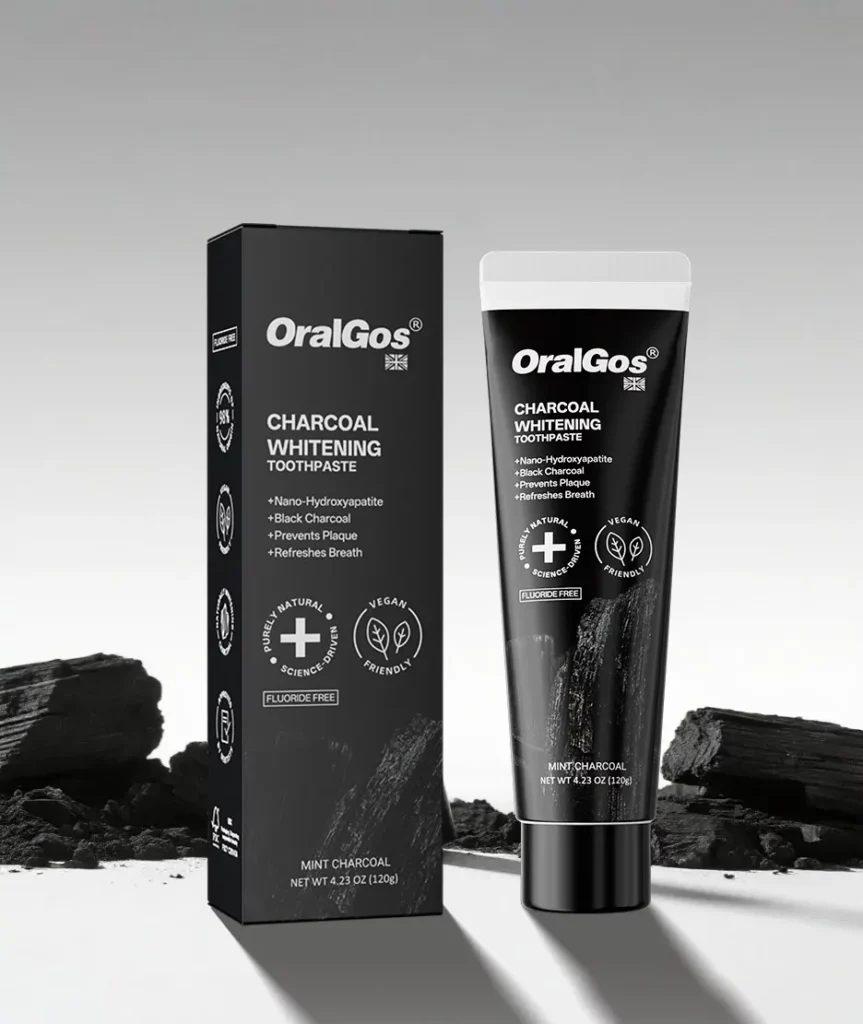
- Activated Charcoal: Activated charcoal absorbs and lifts stubborn stains from coffee, tea, and red wine. Products like Fluoride-Free Charcoal Toothpaste use activated charcoal and vegetable glycerin for high-performance whitening. They deliver great results without animal testing or synthetic additives.
Key Benefits of Formulating Vegan Toothpaste
| Feature | Conventional Toothpaste | Vegan Toothpaste |
| Glycerin Source | Animal Tallow or Vegetable | 100% Vegetable-Derived |
| Cruelty-Free Status | Varies; often involves animal testing | Certified Cruelty-Free & No Animal Testing |
| Colorants | Synthetic Dyes / Carmine | Mineral Pigments or Plant Extracts |
| Target Audience | Mass Market | Eco-Conscious, Vegan, Clean-Label Consumers |
Manufacturing and Sourcing Considerations for Brands
For private label brands and distributors, sourcing certified vegan toothpaste involves strict supplier auditing and manufacturing protocols.
1. Supply Chain Verification
Ensure that every raw material supplier provides a Certificate of Analysis (CoA) and explicit non-animal origin documentation. Manufacturers must prevent cross-contamination on lines that process both vegan and non-vegan formulas.
2. Regulatory Certifications
To build consumer trust, brands should seek third-party certifications from recognized organizations such as:
- The Vegan Society (Vegan Trademark)
- PETA Cruelty-Free & Vegan
- Leaping Bunny
3. Packaging Compatibility
Pair ethical formulas with sustainable packaging. Great choices include recyclable aluminum tubes, PCR plastic, and refillable glass jars for tablets.
Conclusion: Unlocking the Vegan Oral Care Trend
Demand for cruelty-free personal care is a permanent shift, not a temporary trend. High-quality vegan toothpaste meets buyer demand for clean ingredients. At the same time, it maintains strong clinical standards for daily oral care.
Oral care brands can lead the modern wellness market by choosing certified ingredients and eco-friendly packaging. They must also focus on effective remineralization to ensure real performance.