When consumers choose a toothbrush, they typically look at bristle softness, handle ergonomics, and head size. However, behind every high-performance brush lies a critical material science metric: toothbrush filament moisture absorption. Understanding how bristle materials interact with water is essential for both manufacturers designing premium oral care tools and consumers aiming for optimal dental hygiene.
The Science Behind Toothbrush Filament Moisture Absorption
Most commercial toothbrushes use synthetic bristles, primarily made of Nylon 6, Nylon 612, or PBT polyester. Each polymer has a unique chemical structure. This structure determines how the material behaves when exposed to daily moisture.
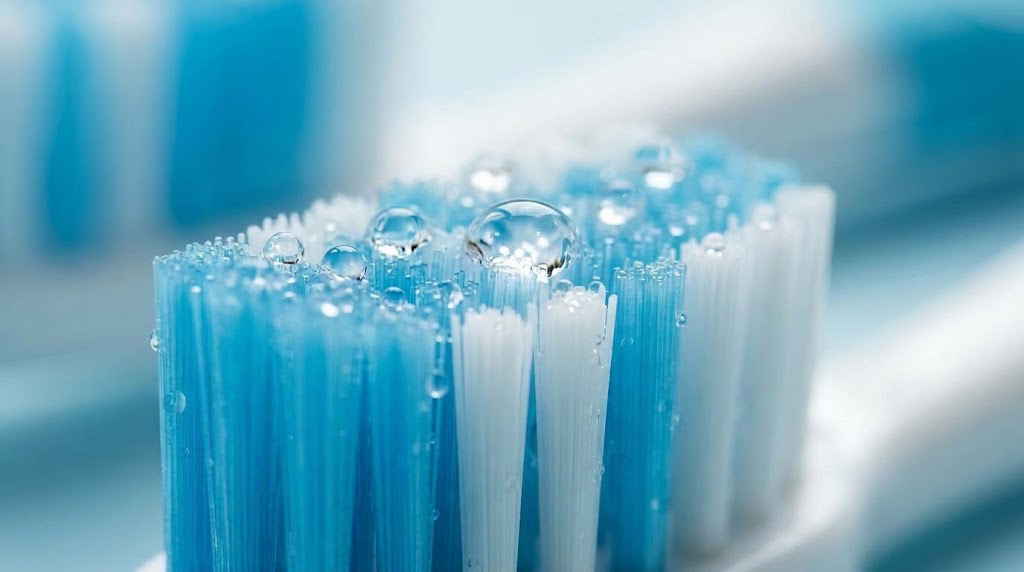
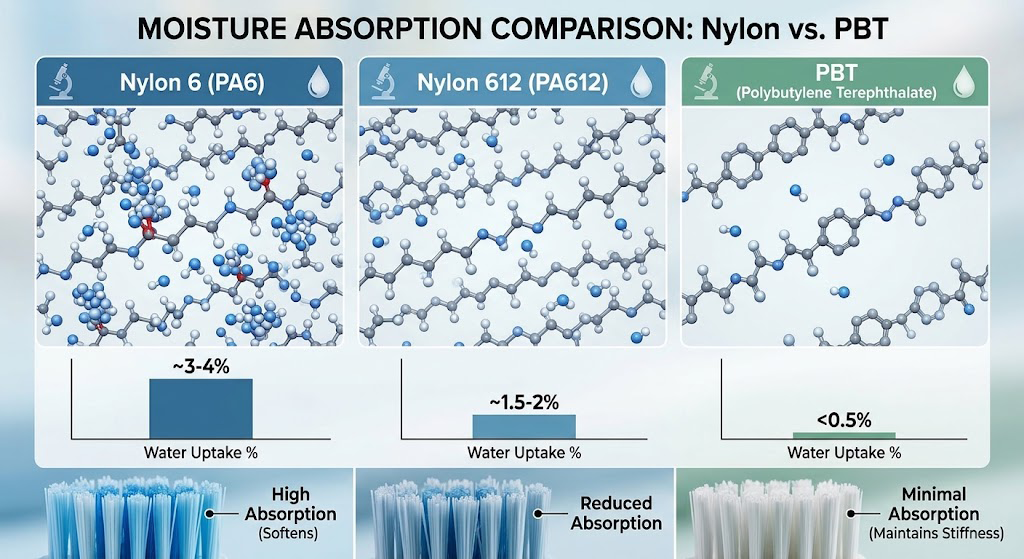
During brushing, toothbrush filaments constantly absorb saliva and water. Toothbrush filament moisture absorption measures how much water these synthetic fibers absorb into their structure. Nylon 6, for instance, contains a higher concentration of amide groups, which readily form hydrogen bonds with water molecules.
Consequently, Nylon 6 absorbs up to 3% to 4% of its dry weight in moisture. In contrast, advanced polymers like PBT absorb less than 0.5%.
Polymer Science and Filament Water Uptake
The degree of water intake directly alters the mechanical properties of the filament. As water molecules penetrate the amorphous regions of the polymer chain, they act as a plasticizer. As bristles absorb moisture, the internal bonds of the plastic weaken. This causes the bristles to soften temporarily when wet.
Because of this softening, a toothbrush may feel medium-firm when dry. However, it can feel noticeably softer after just a few seconds in your mouth. Manufacturers must plan for this shift to ensure bristles clean effectively, even when fully saturated with water.
How Filament Moisture Absorption Impacts Stiffness and Cleaning
The mechanical behavior of bristles during brushing determines how effectively plaque is disrupted along the gumline. According to recommendations from the American Dental Association, maintaining consistent brushing technique with properly structured bristles is vital for preventing gingivitis and tooth decay.
When bristle fibers take on water, their flexural modulus changes. High moisture absorption can lead to a premature loss of springiness or “memory” in the filament. Over weeks of daily use, repeated wetting and drying cycles induce micro-fatigue in the polymer structure. This degradation accelerates splaying, where individual bristles bend outward and lose their targeted cleaning precision.
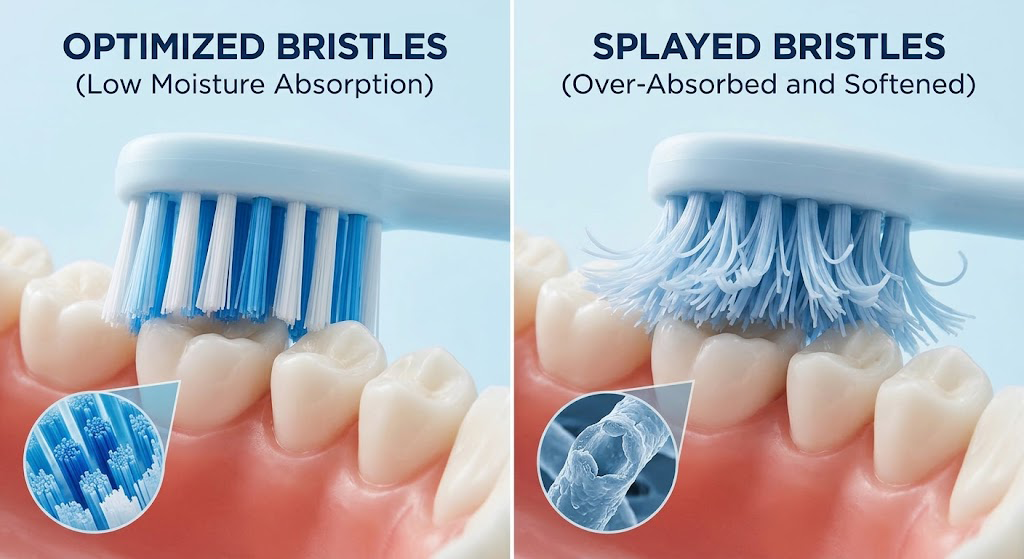
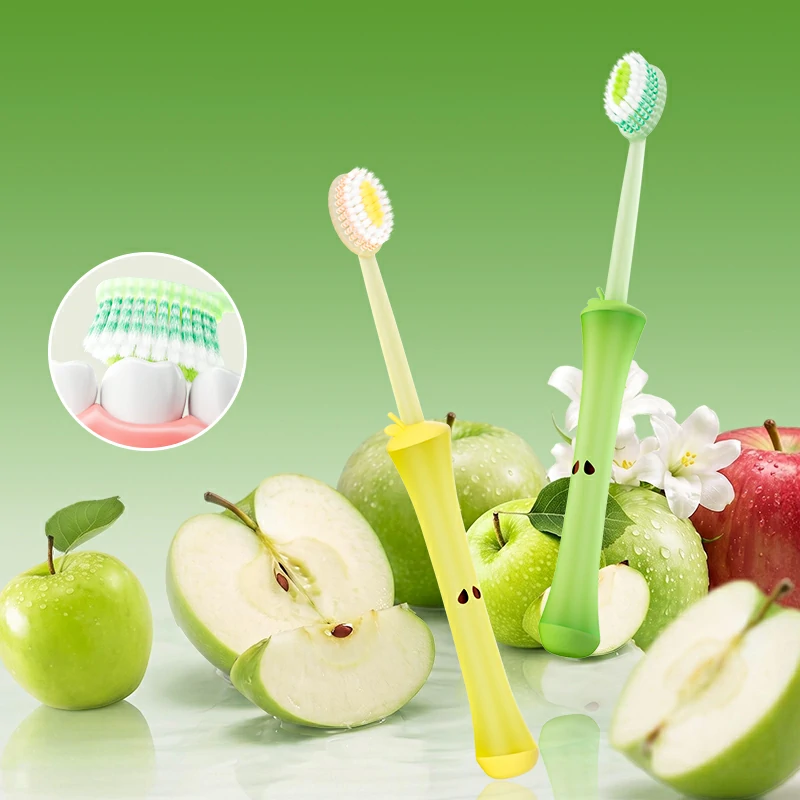
Premium oral care brands use low-absorption filaments like PBT or Nylon 612 to prevent rapid bristle wear. These materials hold their shape and flexibility much longer. This ensures a consistent brushing experience throughout the product’s recommended three-month lifespan.
Bristle Moisture Retention, Drying Speed, and Hygiene
Beyond mechanical performance, moisture dynamics play a major role in bathroom hygiene. Most people store toothbrushes in humid bathrooms. If wet bristles retain water for too long, they can quickly breed bacteria and fungi.
Filaments with high moisture retention rates take considerably longer to air-dry between brushing sessions. Conversely, materials engineered for minimal moisture uptake release trapped surface and internal moisture much faster. Quick-drying bristles reduce the microbial load on the brush head, offering a healthier user experience.
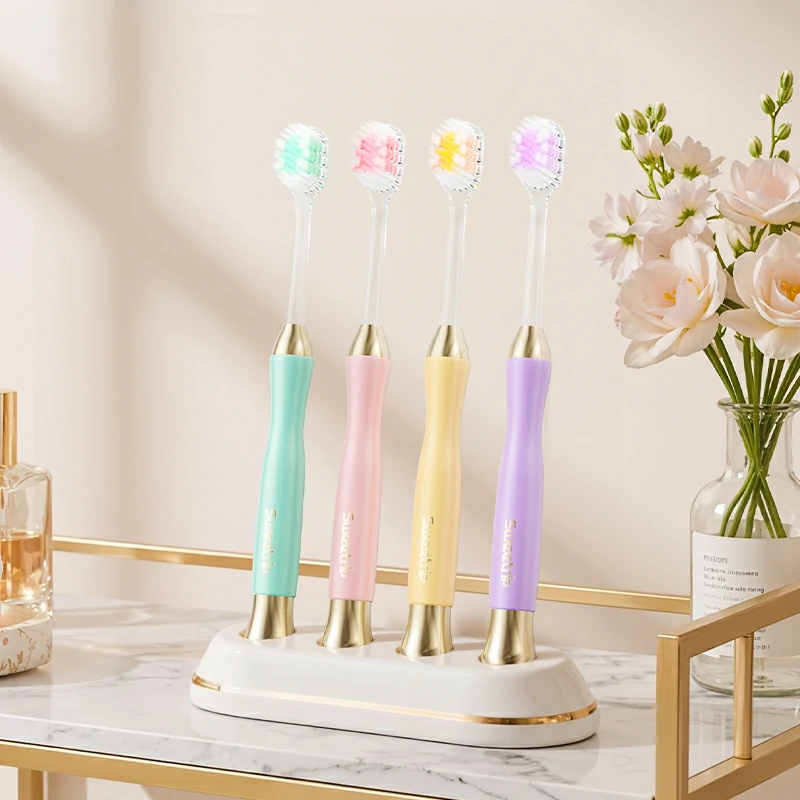
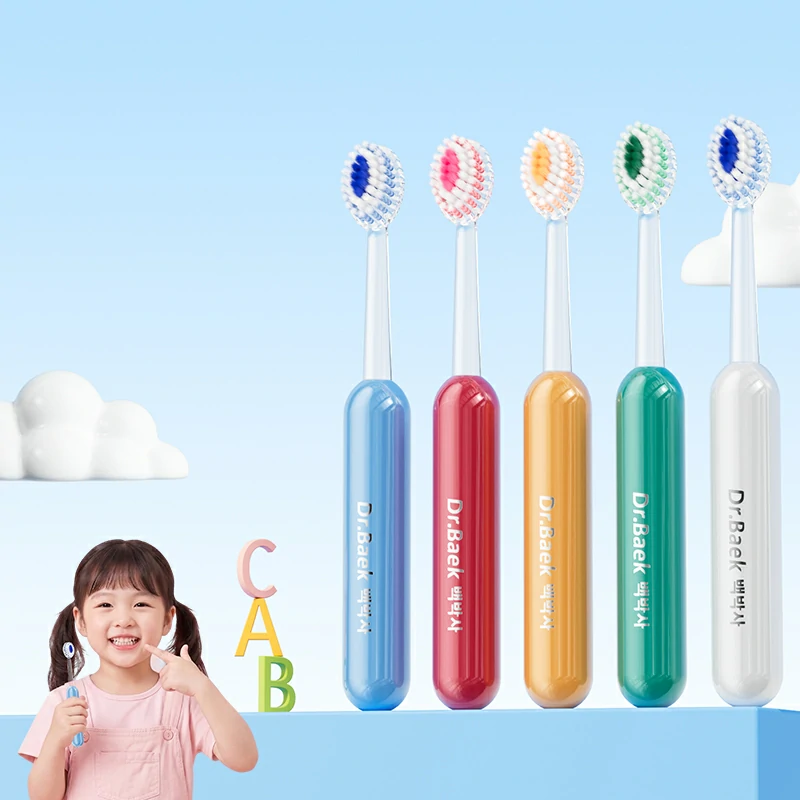
Choosing the right filament material is essential when designing premium oral care products. It ensures superior hygiene standards and long-lasting user satisfaction for your manual toothbrushes.
Conclusion
While often overlooked by casual shoppers, toothbrush filament moisture absorption is a cornerstone of modern dental accessory engineering. Balancing polymer chemistry, stiffness retention, and drying speed allows manufacturers to deliver durable, hygienic, and highly effective tools for daily oral maintenance. As material science continues to evolve, future toothbrush generations will offer even greater precision, ensuring healthier smiles worldwide.