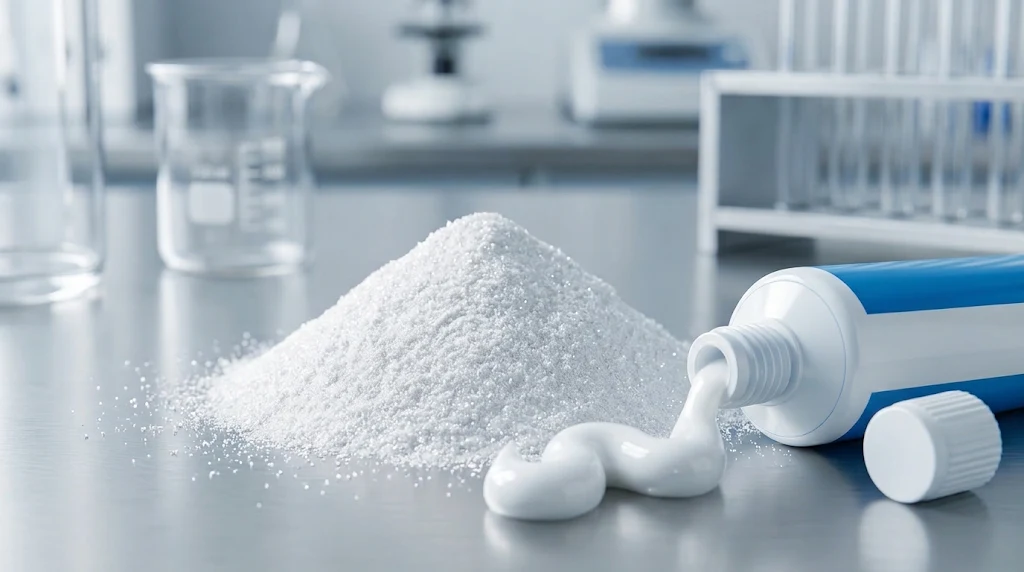
When reading a toothpaste ingredient list, you may notice an ingredient called hydrated silica. It appears in many everyday toothpaste products, including whitening toothpaste, fluoride toothpaste, and clear gel formulas. What functions does this ingredient perform in toothpaste?
Toothpaste manufacturers mainly use hydrated silica as a mild abrasive. It helps remove food debris, plaque deposits, and surface stains during brushing. It also contributes to the texture and cleaning performance of toothpaste.
Understanding this ingredient can help consumers make informed choices. It also helps toothpaste brands and manufacturers develop formulas that meet different market needs.
1. What Is Hydrated Silica?
Hydrated silica is a form of silicon dioxide that contains water within its structure. Its chemical composition is commonly represented as SiO₂·nH₂O.
This ingredient is widely used in personal care products, especially toothpaste. Manufacturers supply hydrated silica as a fine white powder before adding it to toothpaste formulas.
Manufacturers can control the particle size and physical properties of hydrated silica during production. These characteristics make it useful for different toothpaste formulations.
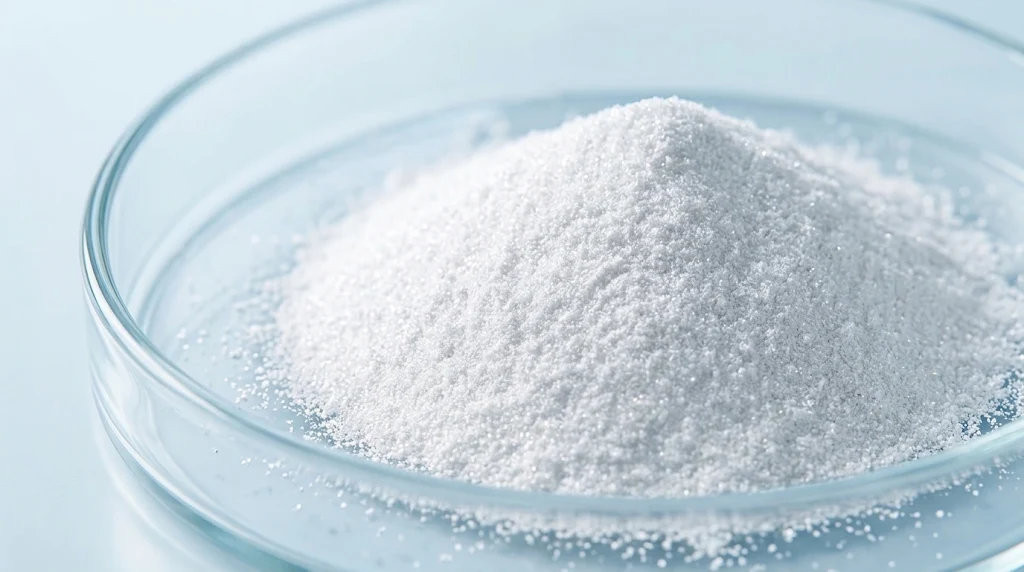
For example, manufacturers can select specific silica grades to achieve different levels of cleaning and polishing performance. This flexibility makes it a popular ingredient in modern oral care products.
2. What Does Hydrated Silica in Toothpaste Do?
The main purpose of hydrated silica in toothpaste is to support mechanical cleaning. However, it also offers several benefits for toothpaste formulation.
A. Removes Surface Stains
Coffee, tea, red wine, and certain foods can leave stains on tooth surfaces over time.
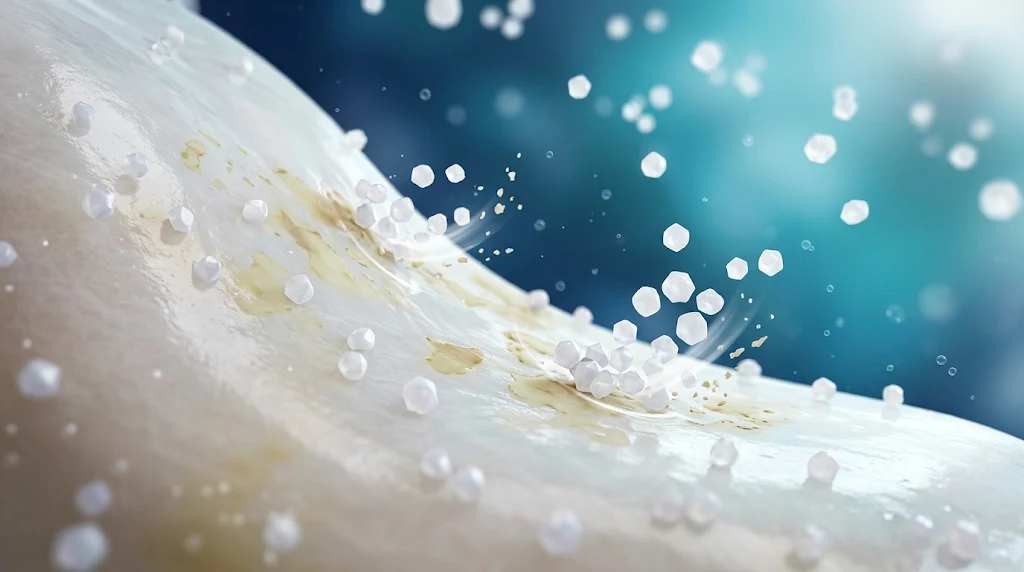
Hydrated silica helps remove these external stains through gentle mechanical action. During brushing, its fine particles work with toothbrush bristles to clean the tooth surface.
This process can help teeth look cleaner and brighter. However, it does not change the natural color of teeth like peroxide-based bleaching ingredients.
B. Helps Remove Plaque and Food Debris
Plaque is a soft bacterial film that forms on teeth throughout the day.
Hydrated silica supports plaque removal by helping toothbrush bristles loosen and remove deposits from tooth surfaces. Regular brushing also helps remove food particles that remain after meals.
However, hydrated silica does not kill bacteria. Its main function is to clean tooth surfaces and remove deposits.
C. Improves Toothpaste Texture
Hydrated silica can also influence the physical properties of toothpaste.
Depending on its grade and concentration, it can contribute to the thickness, consistency, and overall texture of a formula. These properties help manufacturers create products with different textures, from traditional pastes to transparent gels.
3. Why Is Hydrated Silica Used in Toothpaste Formulations?
Toothpaste manufacturers select ingredients based on cleaning performance, formula stability, how well ingredients work together, and consumer preferences.
Hydrated silica offers several useful formulation characteristics.
- Flexible abrasive performance: Different silica grades can provide different cleaning and polishing properties.
- Formula compatibility: Silica-based abrasives are generally compatible with many common toothpaste ingredients, including fluoride compounds.
- Suitable for gel formulas: Certain grades work well in transparent toothpaste formulations.
- Consistent product quality: Controlled particle properties help manufacturers develop toothpaste with predictable physical characteristics.
Hydrated silica helps toothpaste brands create products for whitening, daily cleaning, and other oral care needs.
4. Is Hydrated Silica in Toothpaste Safe?
Toothpaste manufacturers use hydrated silica in many commercial toothpaste products. However, its presence alone does not determine whether a toothpaste is suitable for everyone.
One important factor is abrasivity. Toothpaste manufacturers use abrasives to remove stains and deposits. They must also control the properties of these ingredients carefully.
The Relative Dentin Abrasivity (RDA) scale measures the abrasive effect of toothpaste on dentin. According to the ADA, toothpastes with an RDA value of 250 or lower are safe and effective when used as directed.
The actual abrasivity of a toothpaste depends on several factors, including:
- Silica particle size and shape.
- Abrasive concentration.
- The interaction between different ingredients.
- Brushing pressure and technique.
- The condition of the tooth surface.
People with sensitive teeth or exposed dentin may need a toothpaste with a suitable low-abrasion formula. A dental professional can help recommend an appropriate product.
For more information about toothpaste ingredients and safety, visit the American Dental Association (ADA).
5. Hydrated Silica vs. Other Toothpaste Abrasives
Hydrated silica is not the only abrasive used in toothpaste. Manufacturers can choose from several ingredients depending on the product’s intended function.
| Abrasive Ingredient | Main Function |
| Hydrated Silica | Removes surface stains and supports polishing |
| Calcium Carbonate | Provides mechanical cleaning and stain removal |
| Sodium Bicarbonate | Helps clean teeth and neutralize acids |
| Dicalcium Phosphate | Provides abrasive cleaning action |
Each ingredient has different physical and chemical properties. Therefore, manufacturers need to consider the complete formula rather than selecting an abrasive based on its name alone.
Hydrated silica is particularly useful when brands want flexibility in developing different toothpaste textures and cleaning performance.
6. How Do Manufacturers Select Hydrated Silica for Toothpaste?
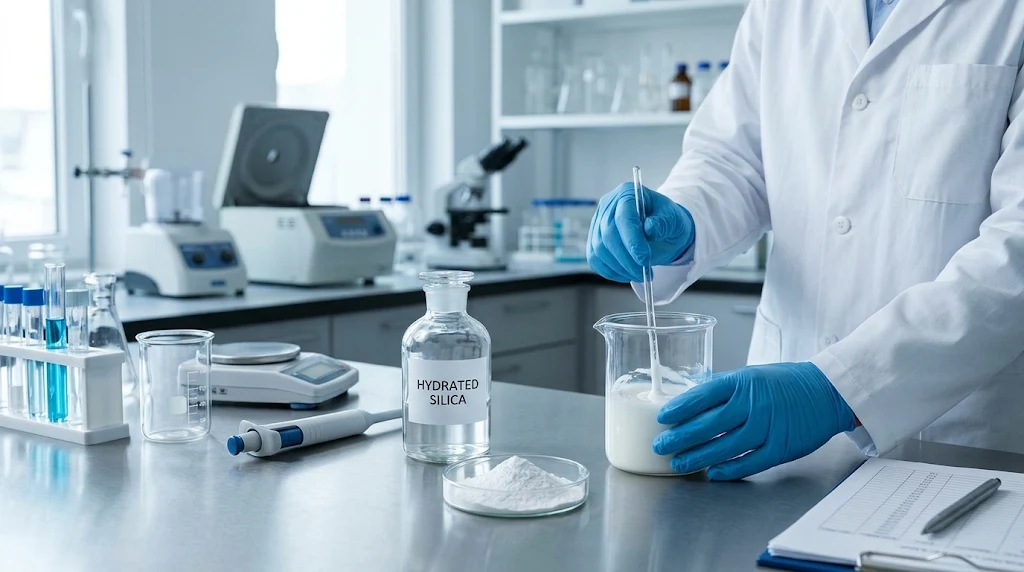
Selecting the right hydrated silica is an important part of toothpaste development.
Manufacturers usually consider several technical factors before choosing a suitable grade.
Particle Size and Distribution
Particle size affects the cleaning and polishing characteristics of the finished product. A suitable particle distribution helps achieve consistent performance.
Abrasive Performance
Manufacturers need to balance stain removal with appropriate abrasivity. Product testing helps evaluate the cleaning performance of different formulations.
Formula Compatibility
Hydrated silica must work well with other ingredients, including fluoride, humectants, binders, and flavoring agents. Compatibility testing helps maintain product stability.
Texture and Appearance
Different silica grades can affect toothpaste thickness, smoothness, and transparency. These properties are important when developing traditional paste and clear gel products.
Brands must choose the right raw materials to maintain product quality when developing new oral care products.
Conclusion
Hydrated silica is an important ingredient in many modern toothpaste formulations. Its main function is to support mechanical cleaning by helping remove surface stains, plaque deposits, and food debris.
It also gives manufacturers flexibility when developing toothpaste with different textures and cleaning properties.
Understanding the role of each ingredient can help brands make better formulation decisions. Businesses can start by exploring different toothpaste products and formulas when developing new oral care products.