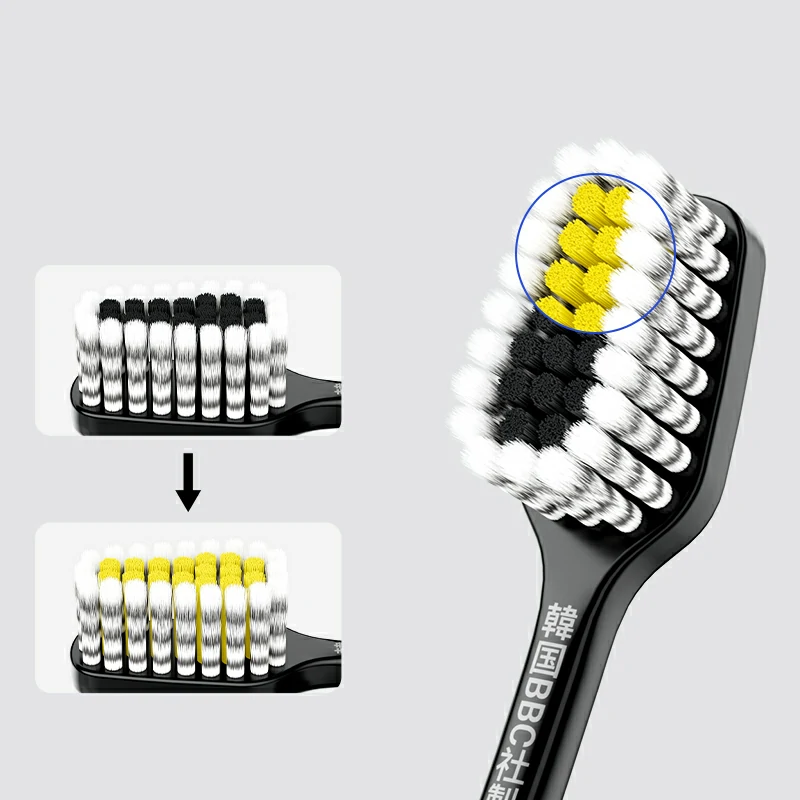
Toothbrush bristles play an important role in daily oral care. However, many people continue using their toothbrushes even after the bristles become worn. Over time, this can reduce cleaning performance and make brushing less effective.
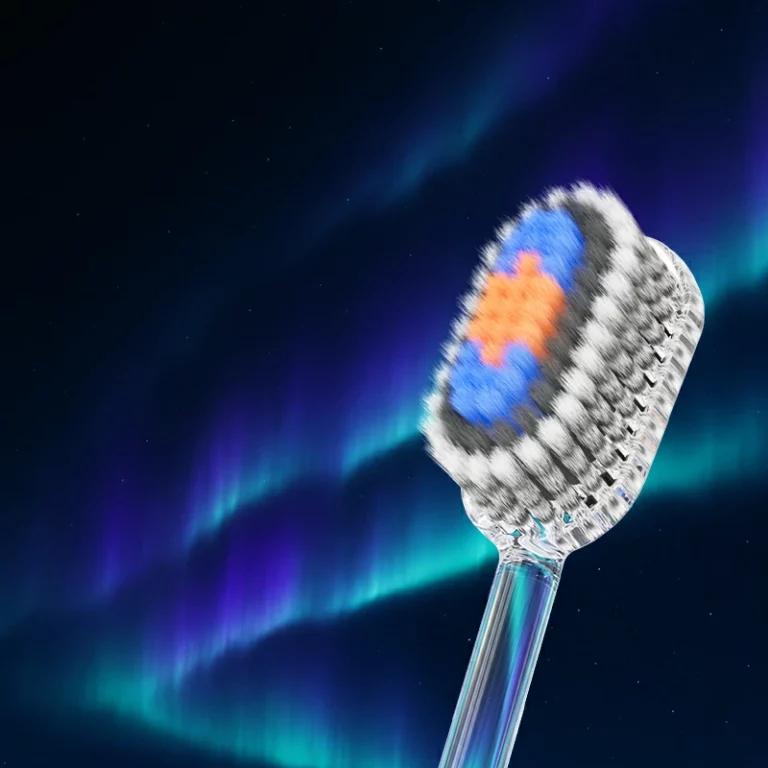
To help users recognize when they need a new toothbrush, manufacturers have developed special indicator bristles. These bristles gradually change color as people use their toothbrushes. This technology relies on specialized materials that gradually change color during regular use.
Color changing toothbrush bristles use special dyes or color-changing materials to provide a visual indication of use. As the toothbrush experiences repeated brushing, the original color gradually fades or changes. This feature helps users recognize when their toothbrush may need replacement.
Let’s explore the technology behind these bristles and how manufacturers develop this useful toothbrush feature.
1. What Are Color Changing Toothbrush Bristles?
Manufacturers design color-changing toothbrush bristles to change their appearance after repeated use. Manufacturers usually add indicator dyes or other color-responsive materials during the bristle production process.
Standard toothbrush bristles usually keep their original color. In contrast, indicator bristles change color as users use the toothbrush over time.
For example, some toothbrushes feature bright blue bristles that gradually become lighter with regular use. In other designs, colored areas fade to reveal a different color underneath.
These changes help users identify the condition of their toothbrush without relying only on memory.
Manufacturers can also use different colors to create attractive toothbrush designs. However, decorative colored bristles do not always function as replacement indicators. Buyers should check the product specifications to understand the purpose of the color.
2. How Do Color Changing Toothbrush Bristles Work?
The technology behind color changing toothbrush bristles depends on the type of material and dye used during manufacturing.
Several approaches can create a visible color change.
2.1 Dye Fading Technology
One common approach uses special dyes that gradually fade during regular use.
During brushing, the bristles come into contact with water, toothpaste, and tooth surfaces. Repeated use can gradually remove or reduce the visible color of the indicator dye.
As the dye fades, the original filament material or a lighter base color becomes more visible.
For example:
- New toothbrush: The indicator bristles appear bright blue.
- After regular use: The blue color gradually becomes lighter.
- Later use: The bristles may appear pale blue or almost white.
This color change reminds users that they have used the toothbrush for a long time.
2.2 Water-Sensitive Color Technology
Some indicator designs use dyes that respond to contact with water.
These materials can release or lose part of their color when exposed to moisture over repeated use. As a result, the bristles gradually change their appearance.
However, the exact speed of color change depends on the dye formulation, filament material, and product design.
Manufacturers must carefully control these factors to create a predictable indicator effect.
2.3 Multi-Layer Color Technology
Another approach uses different color layers within the same filament.
For example, manufacturers can produce a filament with a colored outer region and a different-colored inner section.
As the outer color gradually wears away, the underlying color becomes visible. This creates a clear visual change without requiring an electronic sensor or battery.
This approach also gives manufacturers more options when developing toothbrush products with different indicator designs.
3. What Factors Affect the Color Change?
The color change does not happen at exactly the same speed for every user. Several factors can influence how quickly indicator bristles change their appearance.
3.1 Brushing Frequency
People who brush their teeth twice or three times daily expose their toothbrushes to different levels of use.
More frequent brushing may cause the indicator color to change faster, depending on the technology.
3.2 Brushing Pressure
Brushing pressure can also affect the indicator process.
People who apply excessive pressure may create more friction between the bristles and tooth surfaces. This can influence how quickly some indicator materials wear or release their color.
However, users should choose a soft-bristled toothbrush and apply gentle pressure to protect their teeth and gums.
3.3 Toothpaste Formulation
Toothpaste contains different ingredients, including cleaning agents and abrasives.
These ingredients may affect the color stability of certain indicator dyes. Therefore, manufacturers should check whether the bristle material and colorants work well with common toothpaste formulations.
3.4 Bristle Material
Different filament materials have different physical and chemical properties.
Nylon and PBT, for example, may respond differently to dyeing processes and repeated use. Manufacturers should select suitable materials to balance color performance, flexibility, and durability.
4. Why Are Color Changing Toothbrush Bristles Useful?
Indicator bristles offer several practical benefits for everyday oral care.
Visual replacement reminders
Users can check the bristle color instead of trying to remember when they purchased their toothbrush.
Better replacement habits
A visible indicator can encourage users to pay more attention to toothbrush condition and replacement schedules.
Convenient for families
Color indicators can help children understand when their toothbrushes need replacing. Parents can also use the color change as a simple reminder during daily oral care routines.
Additional product value
For toothbrush brands, indicator bristles provide another feature that can distinguish a product from standard toothbrush designs.
However, color indicators should serve as reminders rather than exact measurements of bristle performance.
5. When Should You Replace a Color-Changing Toothbrush?
Although indicator bristles provide useful visual information, users should not depend on color changes alone.
The American Dental Association (ADA) recommends replacing toothbrushes approximately every three to four months. Users should replace them sooner if the bristles become visibly frayed or worn.
You can also check the following signs:
- The bristles spread outward from the brush head.
- The filaments become bent or uneven.
- The toothbrush no longer maintains its original shape.
- The indicator color has reached the replacement point specified by the manufacturer.
Different indicator technologies have different color-change periods. Therefore, users should follow the product instructions.
For more information about toothbrush care and replacement, visit the toothbrush care guidelines from the American Dental Association.
6. How Do Manufacturers Develop Color-Changing Toothbrush Bristles?
Developing indicator bristles requires more than selecting an attractive color. Manufacturers must consider material compatibility, dye stability, production methods, and product safety.
First, they select suitable filament materials based on the required softness, flexibility, and durability.
Next, they evaluate different colorants and dyeing methods to achieve the desired visual effect. The indicator should change gradually rather than disappear too quickly during normal brushing.
Manufacturers also need to conduct product testing. These tests can evaluate color stability, water resistance, filament performance, and compatibility with toothpaste ingredients.
Brands can explore different toothbrush materials and designs through the Oralgos graphene toothbrush. This product shows how manufacturers can use different materials to create unique toothbrush features.
Careful material selection and quality control help manufacturers create toothbrushes that meet product requirements and consumer expectations.
Conclusion
Color changing toothbrush bristles provide a practical way to remind users when their toothbrushes may need replacement. Manufacturers use different methods to create color-changing bristles. These include fading dyes, water-sensitive materials, and multi-layer filaments.
However, the effectiveness of these indicators depends on their material properties and manufacturing quality. Color changes should also work alongside regular toothbrush inspections and recommended replacement schedules.
For toothbrush brands and manufacturers, indicator bristles offer an interesting opportunity to develop more functional and consumer-friendly oral care products.