Many people don’t realize they don’t use mouthwash correctly, which can actually reduce its effectiveness. In fact, studies show that nearly 99% of people make at least one mistake when rinsing. Whether it’s using mouthwash right after brushing, choosing the wrong type, or skipping it altogether, these errors can affect your oral health. In this article, we’ll break down the most common mistakes, explain why they matter, and show you how to use mouthwash correctly to maximize its benefits.
Why Using Mouthwash Correctly Matters for Oral Health
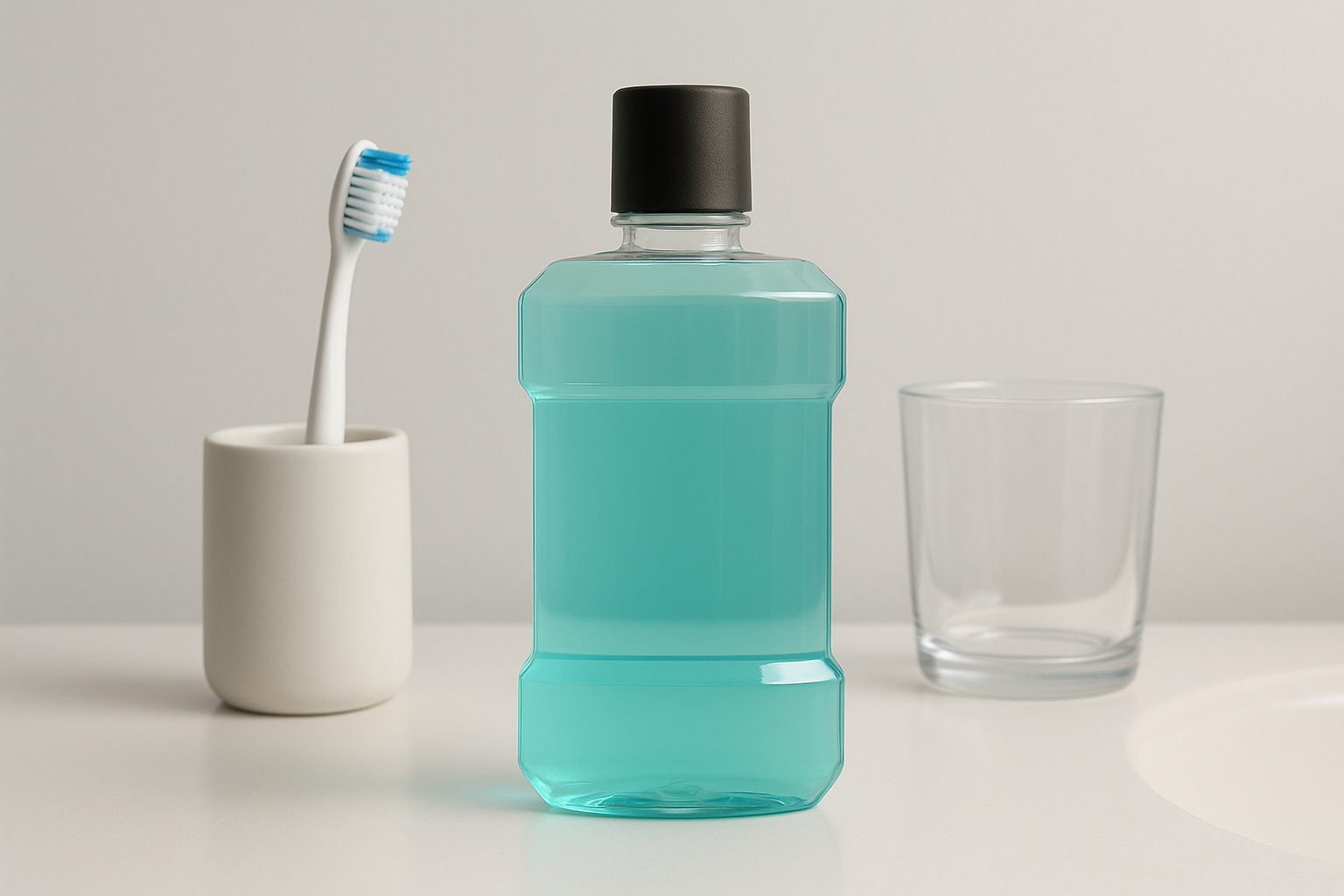
Mouthwash isn’t just about fresh breath—it plays a vital role in your oral-care routine. When used properly, it can strengthen your enamel, fight bacteria, and protect against cavities and gum disease. However, if you don’t use mouthwash correctly, you may actually wash away the protective benefits of fluoride toothpaste.
According to the American Dental Association, certain rinses can reduce plaque and gingivitis when added to brushing and flossing. This means that mouthwash should be seen as a helpful partner—not a replacement—for brushing and flossing.
The Most Common Mistakes People Make with Mouthwash
Rinsing Immediately After Brushing
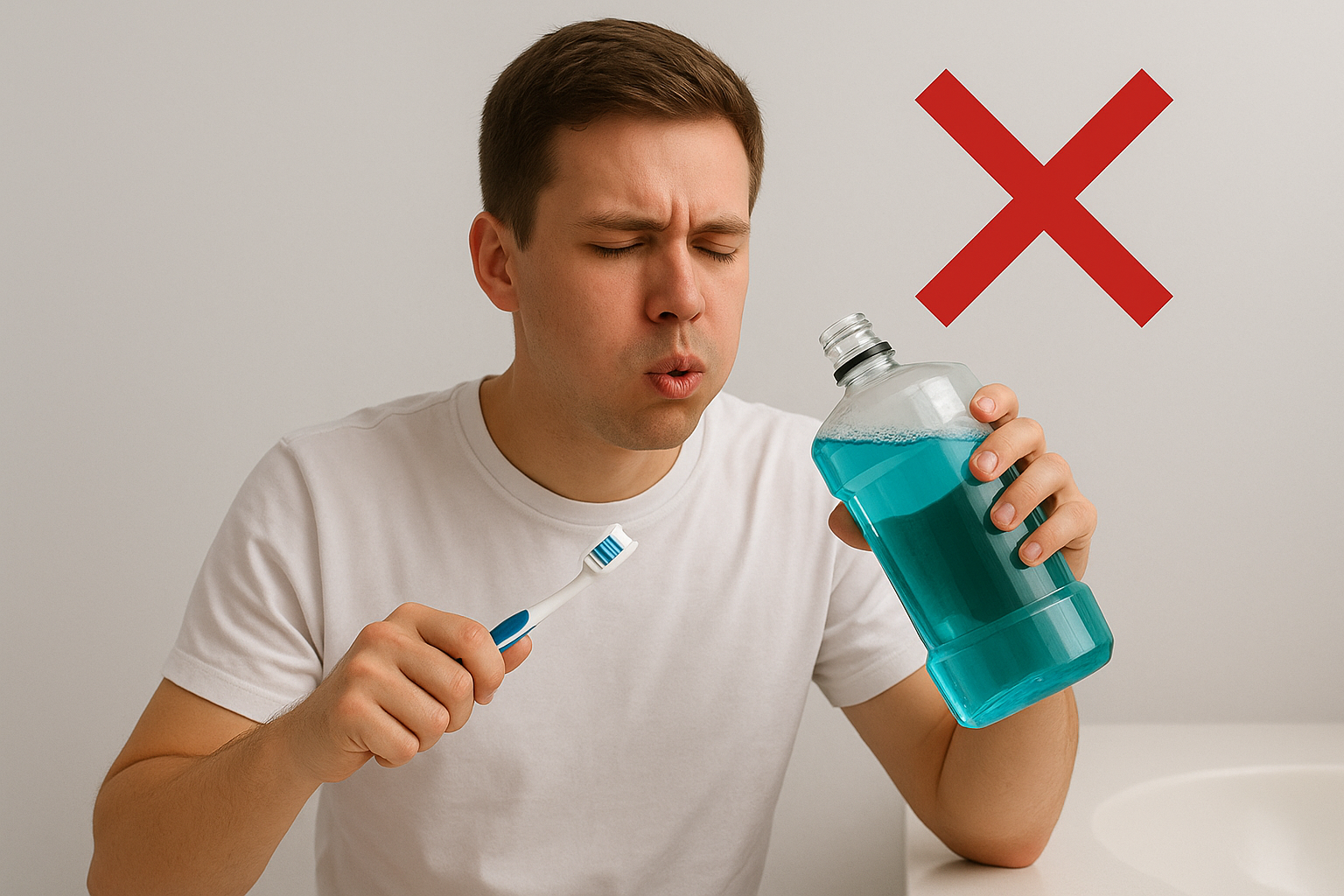
One of the biggest mistakes is rinsing with mouthwash right after brushing. This removes the concentrated fluoride left by toothpaste, reducing cavity protection. To use mouthwash correctly, wait at least 30 minutes after brushing.
Choosing Cosmetic Over Fluoride Mouthwash
Some people reach for mouthwash only to mask bad breath. Cosmetic rinses may freshen breath temporarily, but they don’t strengthen teeth or kill harmful bacteria. For lasting benefits, choose fluoride or antiseptic mouthwash.
Not Swishing for Long Enough
Many people swish for just a few seconds before spitting. To allow the active ingredients to work, you should rinse for a full 30 seconds. This ensures that bacteria are neutralized and fluoride coats your teeth.
How to Use Mouthwash Correctly: Step-by-Step Guide
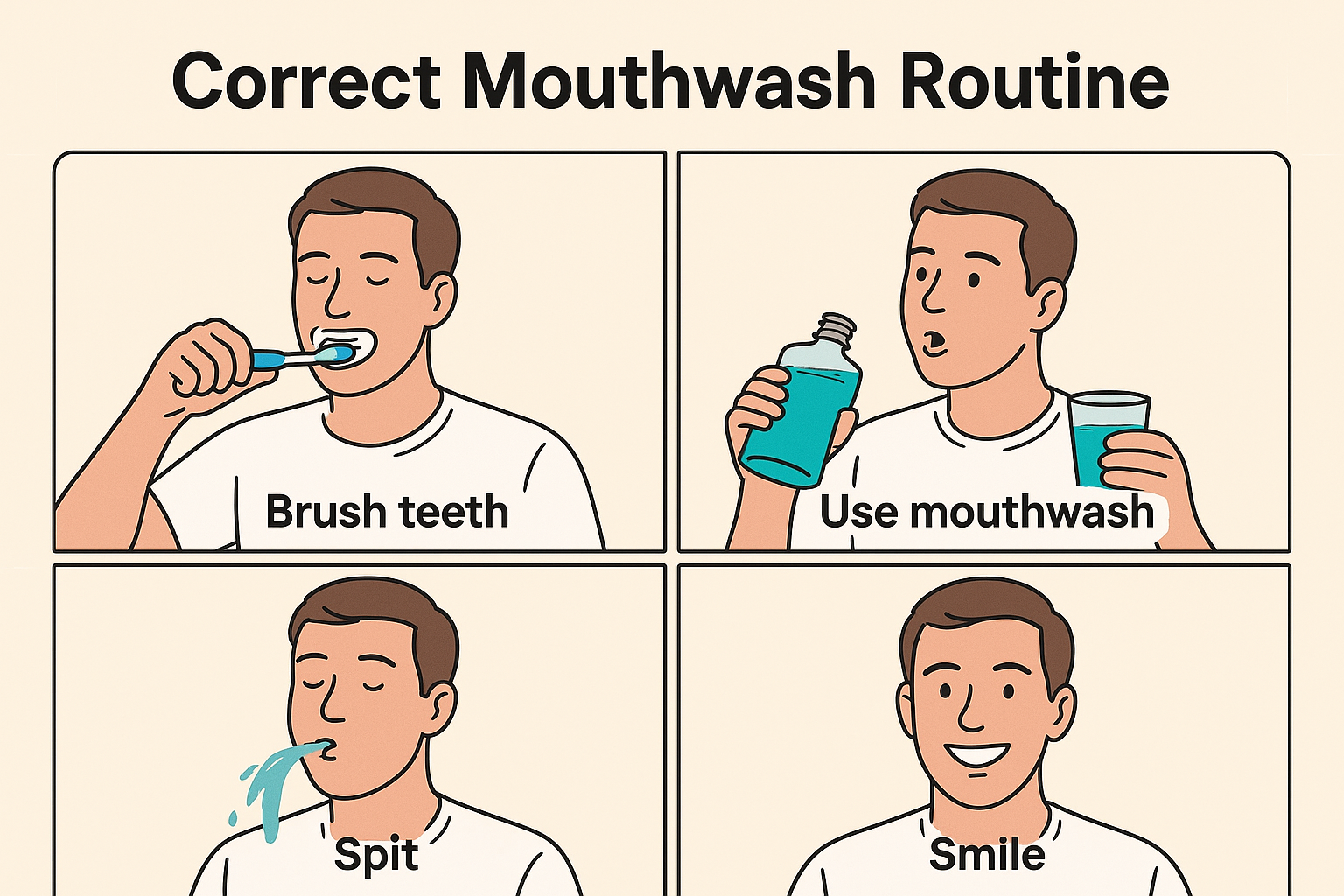
Follow these steps to make sure you always use mouthwash correctly:
- Brush and floss first. Clean away plaque and food particles so the mouthwash can reach every surface.
- Wait at least 30 minutes. Give fluoride toothpaste time to protect your enamel before rinsing.
- Measure the right amount. Most mouthwash brands recommend about 20ml (4 teaspoons).
- Swish for at least 30 seconds. Move the rinse around your teeth, gums, and tongue to cover your entire mouth.
- Spit, don’t swallow. Mouthwash contains active ingredients not meant to be ingested.
Different Types of Mouthwash and When to Use Them
Fluoride Mouthwash for Cavity Protection
Best for strengthening enamel and preventing tooth decay.
Antiseptic Mouthwash for Gum Health
Ideal for people prone to gum disease or plaque buildup.
Cosmetic Mouthwash for Fresh Breath
Good for quick breath freshening, but not as effective for long-term oral health.
Complete Daily Routine for Oral Health
Mouthwash is only one piece of the puzzle. For the best results, combine brushing twice a day, flossing at least once daily, and rinsing properly.
If you’re unsure about brushing, see our guide on how to brush your teeth correctly to maximize the benefits of your daily routine.
Together, brushing, flossing, and knowing how to use mouthwash correctly will give you the strongest defense against cavities and gum disease.
The Right Way to Use Mouthwash Correctly
Most people don’t realize they aren’t getting the full benefits of their rinse because they don’t use mouthwash correctly. By avoiding common mistakes, timing your rinse properly, and choosing the right type of mouthwash, you can greatly improve your oral health.
Remember: mouthwash is not a replacement for brushing and flossing—it’s an addition. Now that you know how to use mouthwash correctly, make it a consistent part of your daily routine and enjoy healthier teeth, stronger gums, and fresher breath.