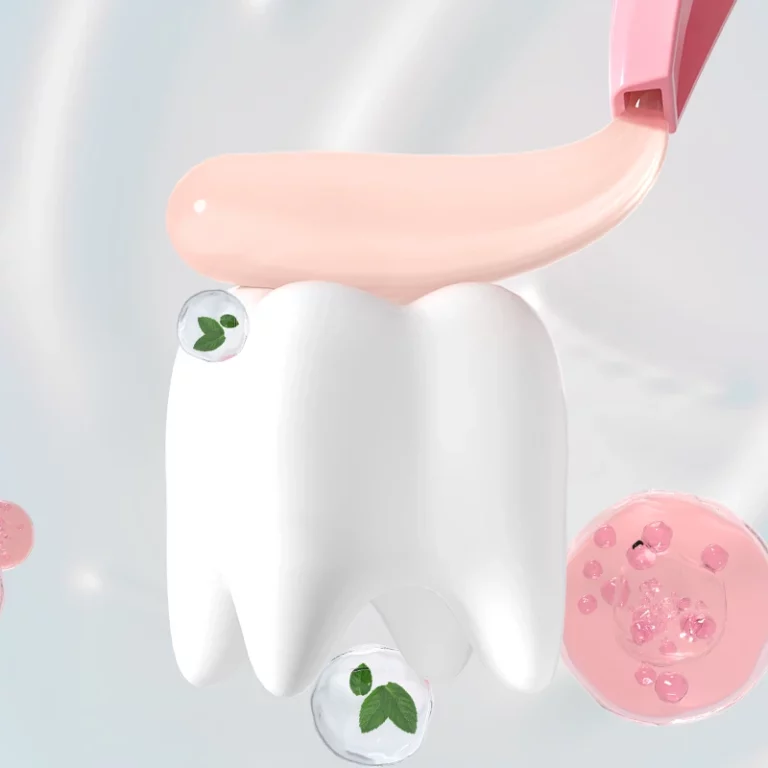
Few milestones in your baby’s first year are as exciting—or as challenging—as the arrival of their first teeth. A perfectly happy baby can quickly turn into a fussy, drooling infant who chews on everything in sight. Spotting early baby teething symptoms helps parents comfort their little ones quickly. It also sets the foundation for a lifetime of healthy teeth.
Every baby develops at their own speed. Knowing what is normal during teething brings peace of mind. In this guide, we cover early teething signs and provide a clear timeline chart. You will also learn safe ways to soothe pain and start a gentle oral care routine.

Recognizing Common Baby Teething Symptoms Early
Before that small white tooth bud breaks through the gums, your baby may act differently and feel sore. Teething occurs as primary teeth push upward through the jawbone and gum tissue, causing localized inflammation and sensitivity.
Here are the most frequent physical and behavioral signs to watch for:
- Excessive Drooling: Increased saliva production often starts weeks before a tooth appears. Keep a soft bib on your baby to prevent facial skin irritation from constant moisture.
- Gum Swelling and Tenderness: The gums around the emerging tooth may look slightly red, puffy, or raised.
- Gnawing and Chewing Intent: Counter-pressure on sore gums helps ease aching. That’s why infants constantly chew on fingers, toys, and crib rails.
- Increased Fussiness: Mild discomfort often peaks in the days immediately before a tooth pierces the gum surface.
- Changes in Sleep and Appetite: As a tooth cuts through, it can disrupt sleep schedules and make feedings frustrating for your baby.
Subtle Baby Teething Symptoms You Might Miss
Beyond the obvious signs, some infants exhibit less apparent indicators. Facial flushing on one cheek is a common response to jaw nerve discomfort. Gentle ear pulling on the side of the erupting tooth is also common. Mild chin rubbing can happen as well.
However, it is crucial to separate actual teething reactions from underlying illness. Classic baby teething symptoms only cause mild discomfort. High fevers (over 101°F or 38.3°C), diarrhea, full-body rashes, and extreme tiredness are illness signs. They are not signs of teething.
If your child experiences these symptoms, contact your child’s doctor promptly to rule out underlying infections.
The Complete Baby Teething Chart and Timeline
Every baby grows on their own schedule. Some are born with teeth, while others wait until after their first birthday. Still, most infants follow a standard teething pattern. The American Dental Association notes that most children have all 20 baby teeth by age three.
Below is a breakdown of the typical baby teething timeline:
| Age Range | Teeth Erupting | Location in Mouth |
| 4–7 Months | Lower Central Incisors | Bottom front center (2 teeth) |
| 8–12 Months | Upper Central Incisors | Top front center (2 teeth) |
| 9–16 Months | Upper & Lower Lateral Incisors | Next to front center teeth (4 teeth) |
| 13–19 Months | First Molars | Back sides, top and bottom (4 teeth) |
| 16–23 Months | Canines (Cuspids) | Between incisors and molars (4 teeth) |
| 23–33 Months | Second Molars | Far back, top and bottom (4 teeth) |
How to Soothe Teething Pain Safely
Watching your baby in pain is stressful. Fortunately, safe, drug-free remedies can bring quick relief.
Safe At-Home Remedies
- Chilled Counter-Pressure: Place a clean, damp washcloth in the refrigerator (not the freezer) for 30 minutes. The cool texture provides soothing counter-pressure while numbing swollen gums naturally.
- Gentle Gum Massage: Wash your hands thoroughly and gently rub your baby’s sore gums with your clean finger using light, circular motions.
- Solid Silicone Teething Toys: Choose teething rings made from firm, BPA-free silicone. Avoid liquid-filled rings, as hard chewing can cause them to puncture or leak chemical fluids.
What to Avoid
Safety is paramount when soothing tender gums. Avoid numbing gels containing benzocaine or lidocaine. These chemicals can enter your baby’s bloodstream and cause serious health risks. Avoid amber teething necklaces, as they pose serious choking and strangulation risks.

Transitioning from Teething to Oral Hygiene
While managing baby teething symptoms, start a simple daily oral care routine. This protects your baby’s emerging enamel from day one. Plaque and bacteria begin building up as soon as the first tooth breaks through the gumline.
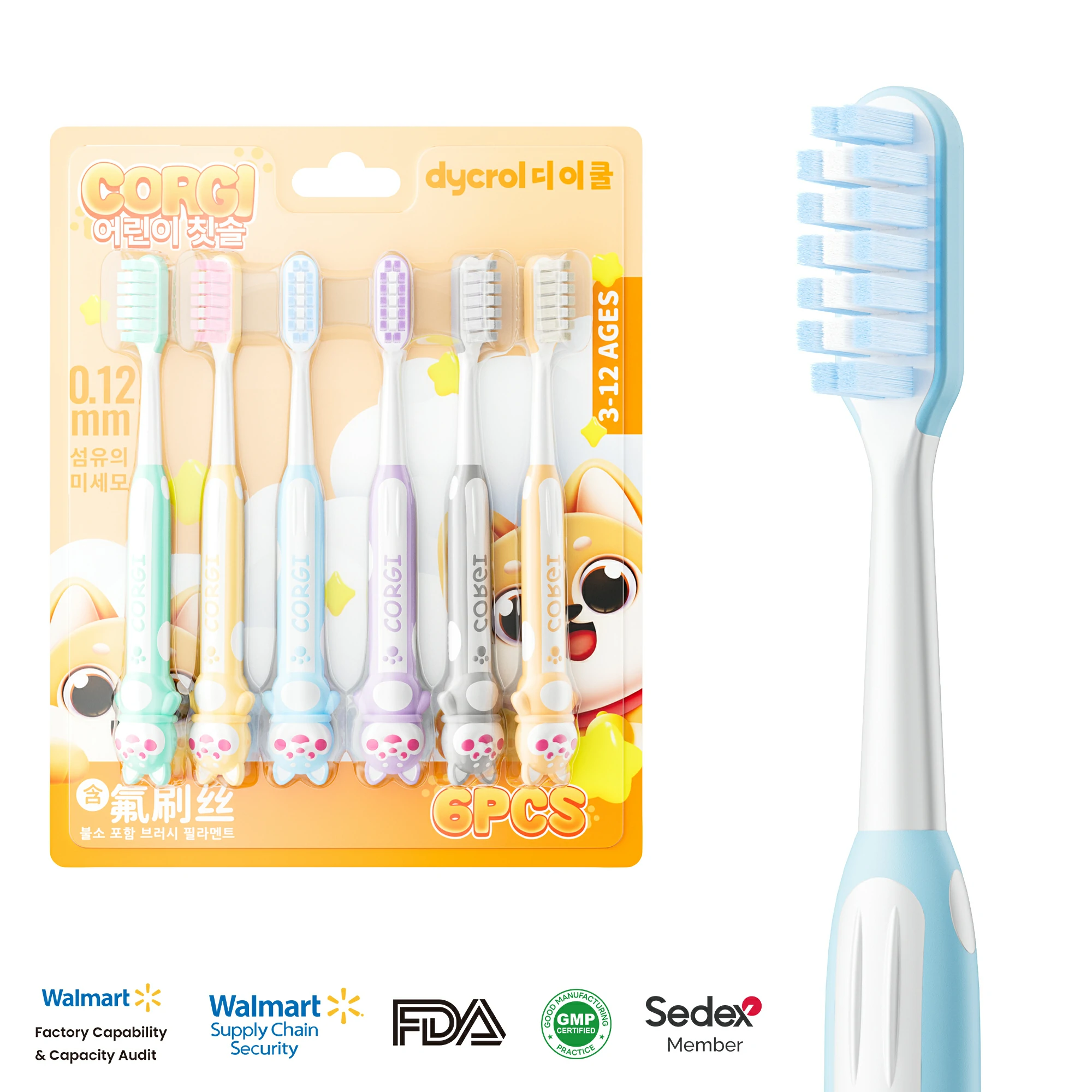
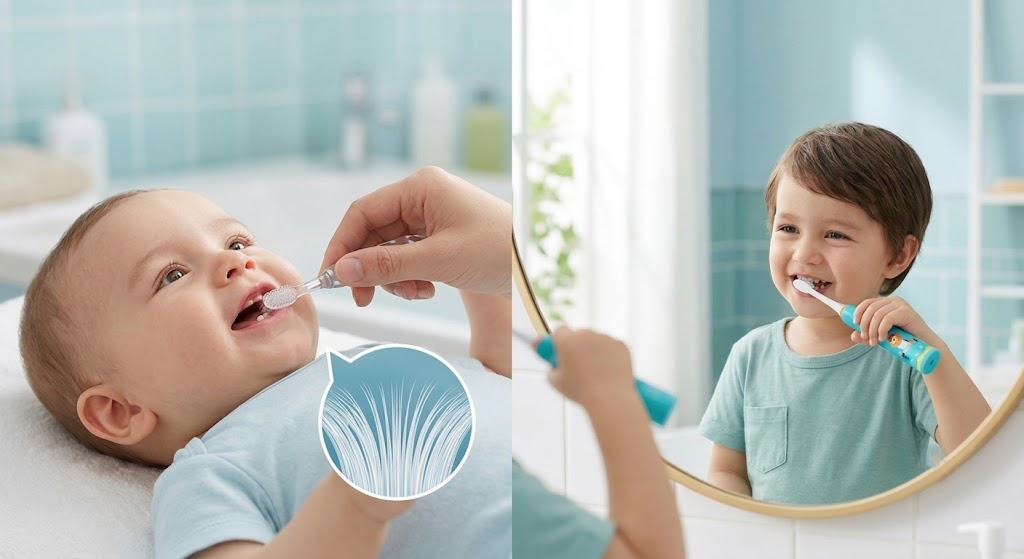
Before teeth erupt, gently wipe your infant’s gums twice daily with a clean, damp gauze pad. As soon as that first tooth breaks through, switch to a soft-bristled brush. An ultra-soft kids toothbrush gently sweeps away food and bacteria. Its extra-fine bristles clean effectively without scratching sore, swollen gums.
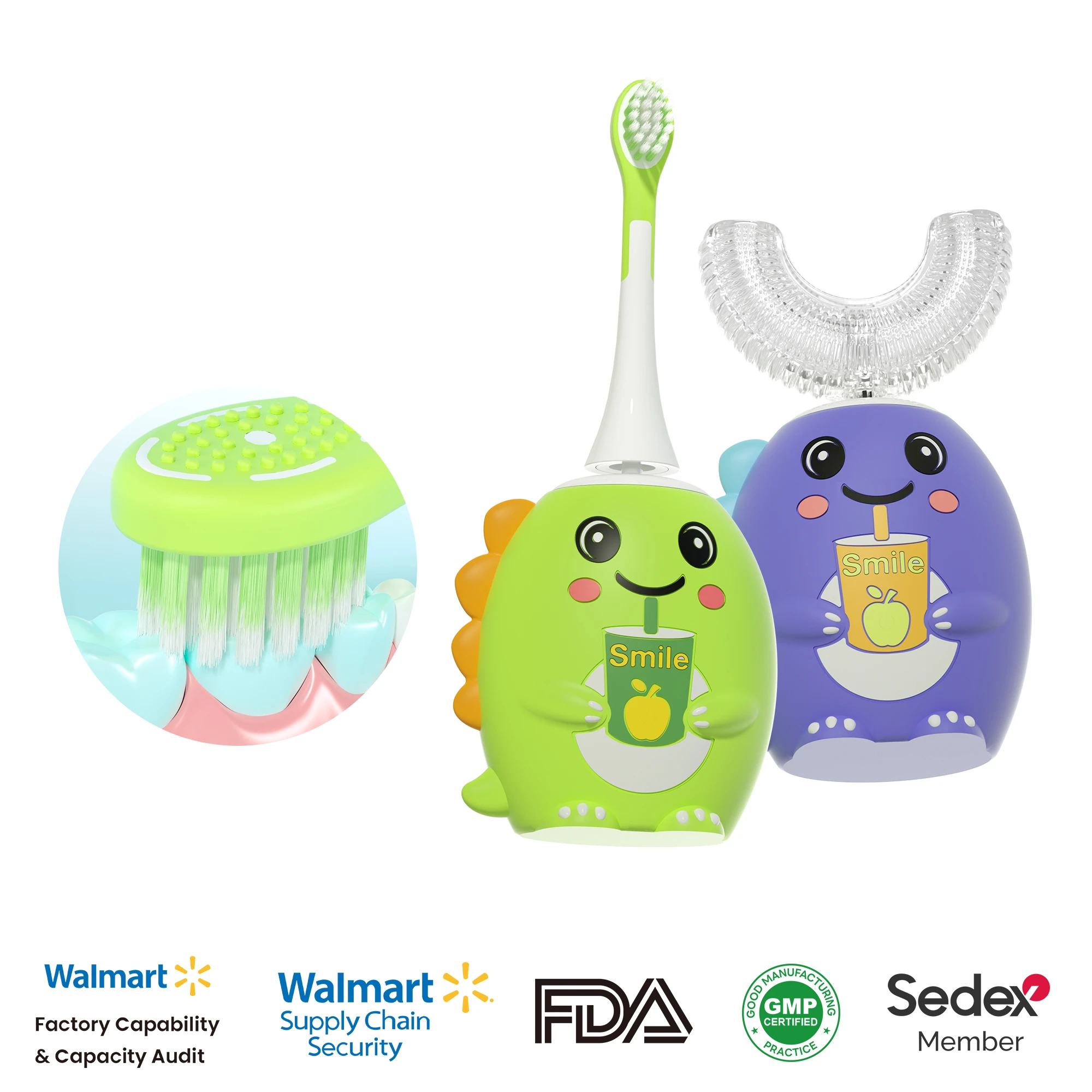
As toddlers grow more independent, brushing can become a challenge. Switching to a kids electric toothbrush makes daily brushing fun while removing plaque thoroughly. Once your toddler’s teeth start touching, brushing alone isn’t enough. A small kids water flosser gently cleans tight spaces that standard bristles miss.
Final Thoughts
Navigating baby teething symptoms requires patience, gentle care, and the right tools. Recognizing early signs and using safe remedies makes teething much easier. With the right care, you can guide your baby toward a healthy, happy smile.