Today’s global oral care industry shows a rising demand for whitening solutions. Consumers want products that are both effective and safe for daily use. Whitening toothpaste has become a leading category, driven by the desire for brighter smiles without professional dental treatments. To succeed in this competitive market, brands should work with a reliable whitening toothpaste OEM. Such partnerships ensure products meet consumer needs and follow international regulations.
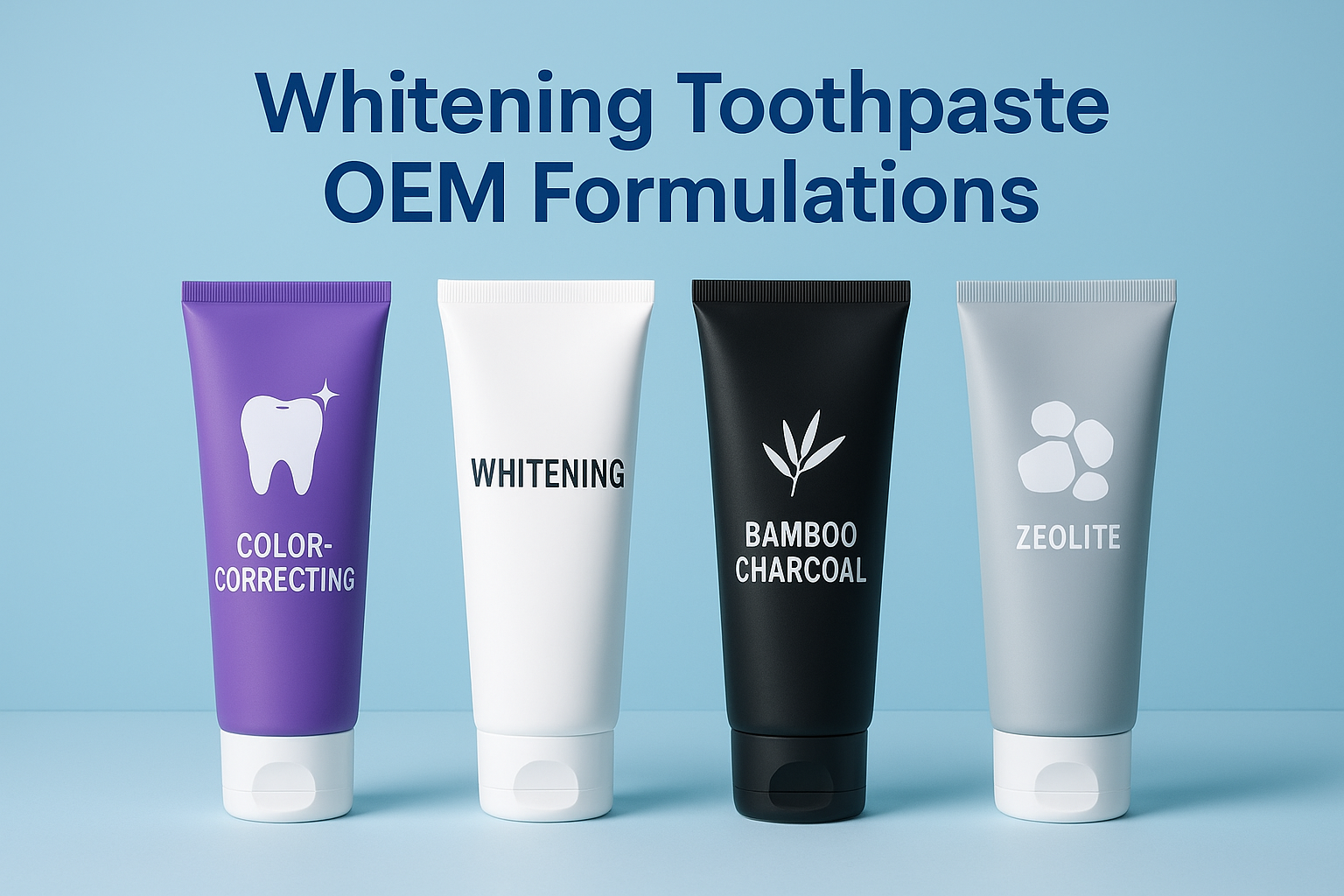
Understanding Whitening Toothpaste OEM Formulations
Whitening toothpaste works through two primary mechanisms: stain removal and color correction. Manufacturers worldwide are exploring advanced formulations that balance efficacy with safety.
1. Color-Correcting Whitening in OEM Toothpaste
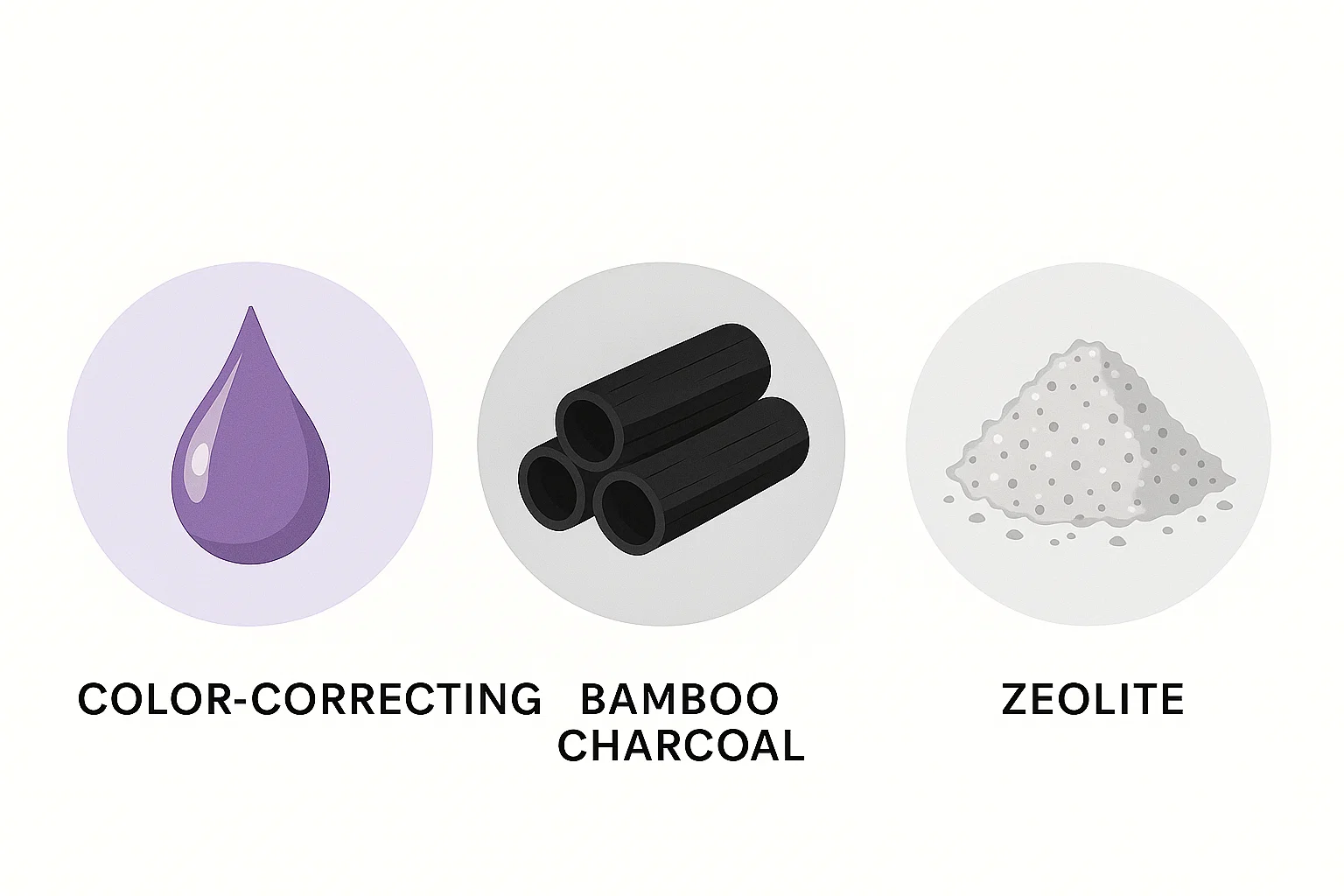
One innovative approach is color-correcting technology, which uses optical modifiers to neutralize yellow tones on the enamel. Products like OralGos W77 Colour Corrector Toothpaste exemplify this method. These toothpastes do not rely on aggressive bleaching agents. Instead, they use pigments to brighten teeth, providing a gentle daily solution for sensitive enamel.

2. Bamboo Charcoal Whitening Toothpaste by OEM
Another trend gaining traction is bamboo charcoal-based whitening. Activated charcoal has a high adsorption capacity and helps remove surface stains from coffee, tea, and tobacco. The UK Fluoride-Free Charcoal Toothpaste DB864 shows how charcoal works safely in toothpaste. This formulation whitens teeth and delivers gentle detoxifying effects while avoiding excess abrasiveness.

3. Zeolite-Based Whitening Toothpaste OEM Solutions
Zeolite, a natural mineral, offers a gentle abrasive action along with stain adsorption. It works by mechanically removing superficial discoloration and supporting enamel remineralization. Zeolite-based whitening is particularly appealing in markets with consumers looking for natural, non-chemical alternatives.
Regulatory Considerations for Whitening Toothpaste OEM Products
When developing whitening toothpaste for different regions, compliance with local regulations is essential. Formulations must consider restrictions on bleaching agents like hydrogen peroxide, allowable abrasive levels, and ingredient safety standards.
- European Union (EU): Toothpaste with hydrogen peroxide concentrations above 0.1% is classified as a cosmetic product requiring strict safety documentation. Color-correcting and mineral-based formulations can often bypass these limits, making them more attractive for the EU market. Learn more at European Commission – CE Marking.
- United States (FDA): Whitening toothpaste falls under over-the-counter (OTC) drug regulation when it contains certain bleaching agents. OEM partners can help ensure correct labeling and compliance for seamless market entry. See details at FDA – Dental Products.
- Asia-Pacific: Rapidly growing markets demand innovative and natural whitening ingredients, but local regulations often require testing for abrasivity, fluoride content, and microbiological safety.
Brands should work with an experienced whitening toothpaste OEM. Such partnerships help them handle complex regulations and create safe, effective, and market-ready formulations.
Formulation Challenges and Considerations
Designing a whitening toothpaste involves balancing several factors:
- Abrasivity: Excessive abrasives can damage enamel, while too little reduces stain removal efficiency. Manufacturers carefully calibrate ingredients such as zeolite or silica to balance safety and whitening power.
- Stability: Color-correcting agents and activated charcoal can settle or stain packaging if formulations are unstable. Proper OEM expertise ensures long shelf-life and consistent performance.
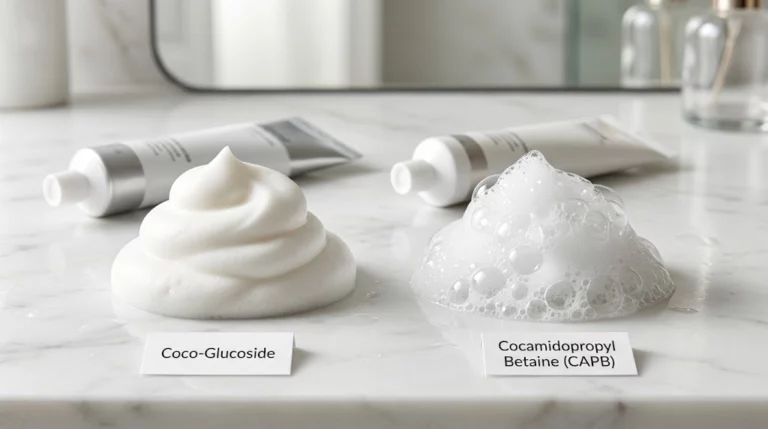
- Sensory Experience: Taste, texture, and foaming properties affect user acceptance. Even effective whitening formulations must feel pleasant to encourage regular use.
These complexities highlight why selecting the right whitening toothpaste OEM is critical for success in global markets.
Advantages of OEM Partnerships
Working with a reputable whitening toothpaste OEM offers several benefits:
- Customization: Tailor formulations to regional consumer preferences and regulatory requirements.
- Cost Efficiency: Reduce R&D expenditure while leveraging OEM technical expertise.
- Scalability: Ensure consistent quality for large-scale production and international distribution.
- Innovation Access: Incorporate cutting-edge whitening technologies, such as color-correcting pigments or natural mineral abrasives, without in-house development.
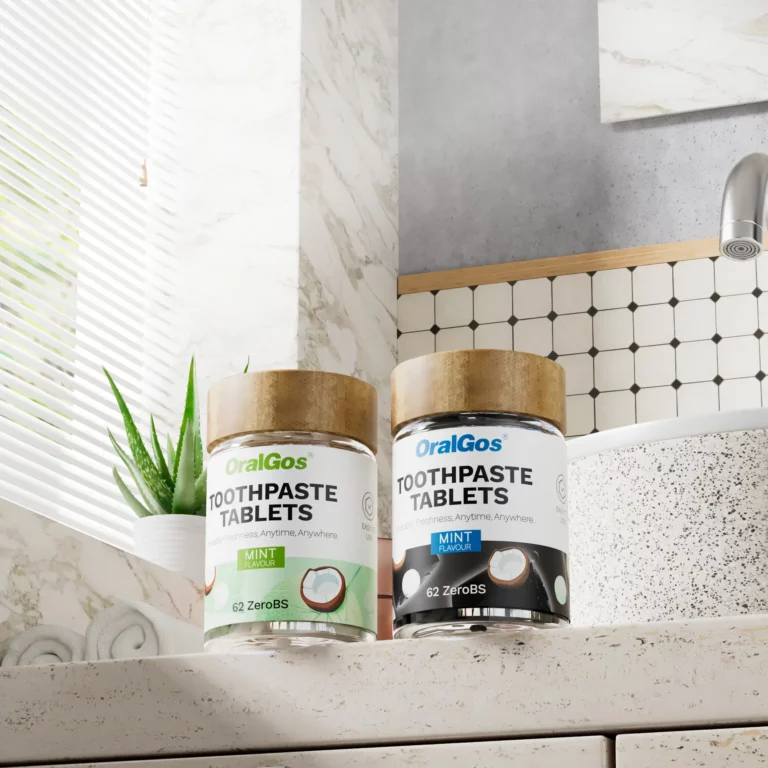
Brands can explore more options in the OralGos toothpaste range. These examples show how OEM partnerships create diverse formulations, from fluoride-free charcoal to advanced color-correcting products.
Future Trends in Whitening Toothpaste
Looking ahead, several trends are shaping global whitening toothpaste markets:
- Natural and plant-based whitening ingredients are gaining attention. Consumers now prefer sustainable solutions such as bamboo charcoal, green tea extracts, and coconut oil. More info: NIH – Herbal and Natural Oral Care.
- Combination technologies: Products combining color correction, adsorption, and mild abrasives are gaining popularity for multi-mechanism whitening.
- Personalized oral care: AI-driven formulations or customizable whitening options could allow consumers to choose products matching their enamel sensitivity and whitening goals.
OEMs play a pivotal role in translating these trends into viable products, ensuring global brands remain competitive.
Conclusion
Choosing the right whitening toothpaste formulation means more than picking one effective ingredient. Brands must also balance safety, regulatory compliance, consumer appeal, and technological innovation. From OralGos W77 color correctors to bamboo charcoal and zeolite-based options, whitening technologies continue to expand. A specialized whitening toothpaste OEM enables brands to deliver these solutions worldwide.
By understanding ingredient functionalities, regulatory requirements, and consumer preferences, brands can confidently launch whitening toothpastes that combine science, safety, and efficacy. In product development, OEM partnerships play a key role. They enable brands to create unique formulations that win over international consumers.