The global toothpaste market is growing rapidly. Many oral-care companies are now exploring private label toothpaste opportunities to capture this demand. However, not every launch succeeds. Some brands underestimate the challenges of formulation, compliance, or positioning, and end up with costly delays or underperforming products.
If you plan to work with an OEM toothpaste partner, knowing the common mistakes can help you save time and money. Launching private label toothpaste can be tricky. Below are five common mistakes brands make, plus strategies, real case examples, and Oralgos solutions to guide your success.
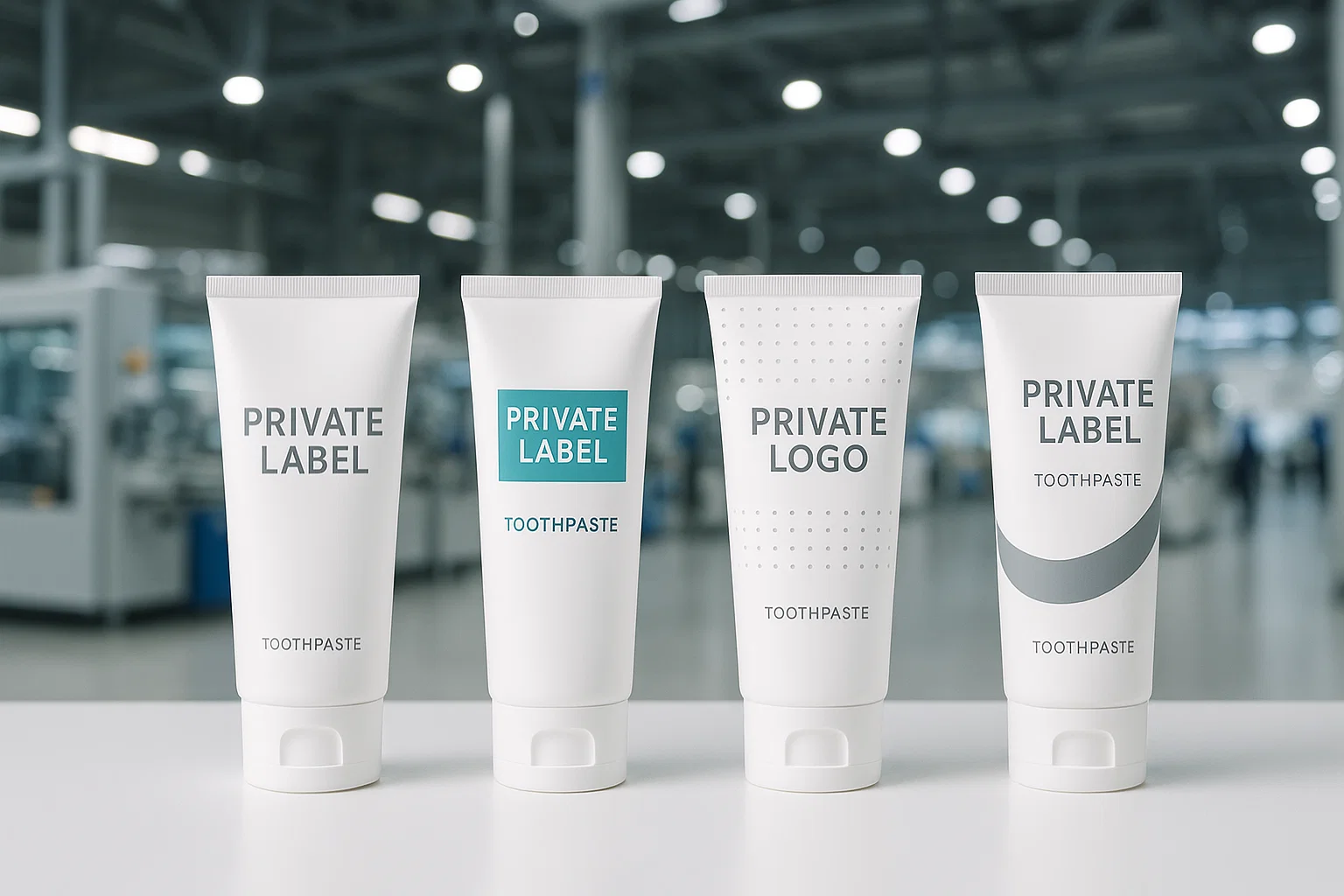
Mistake 1: Neglecting Regulatory Compliance in Private Label Toothpaste
One of the most critical errors is ignoring local and international compliance standards. Compliance is crucial. Ignoring documentation or labeling rules, like EU fluoride limits or U.S. FDA regulations, can slow down market entry.
For example, a European brand launched a whitening toothpaste that exceeded safe peroxide levels. As a result, the product was later pulled from store shelves. This not only damaged their reputation but also resulted in heavy financial losses.
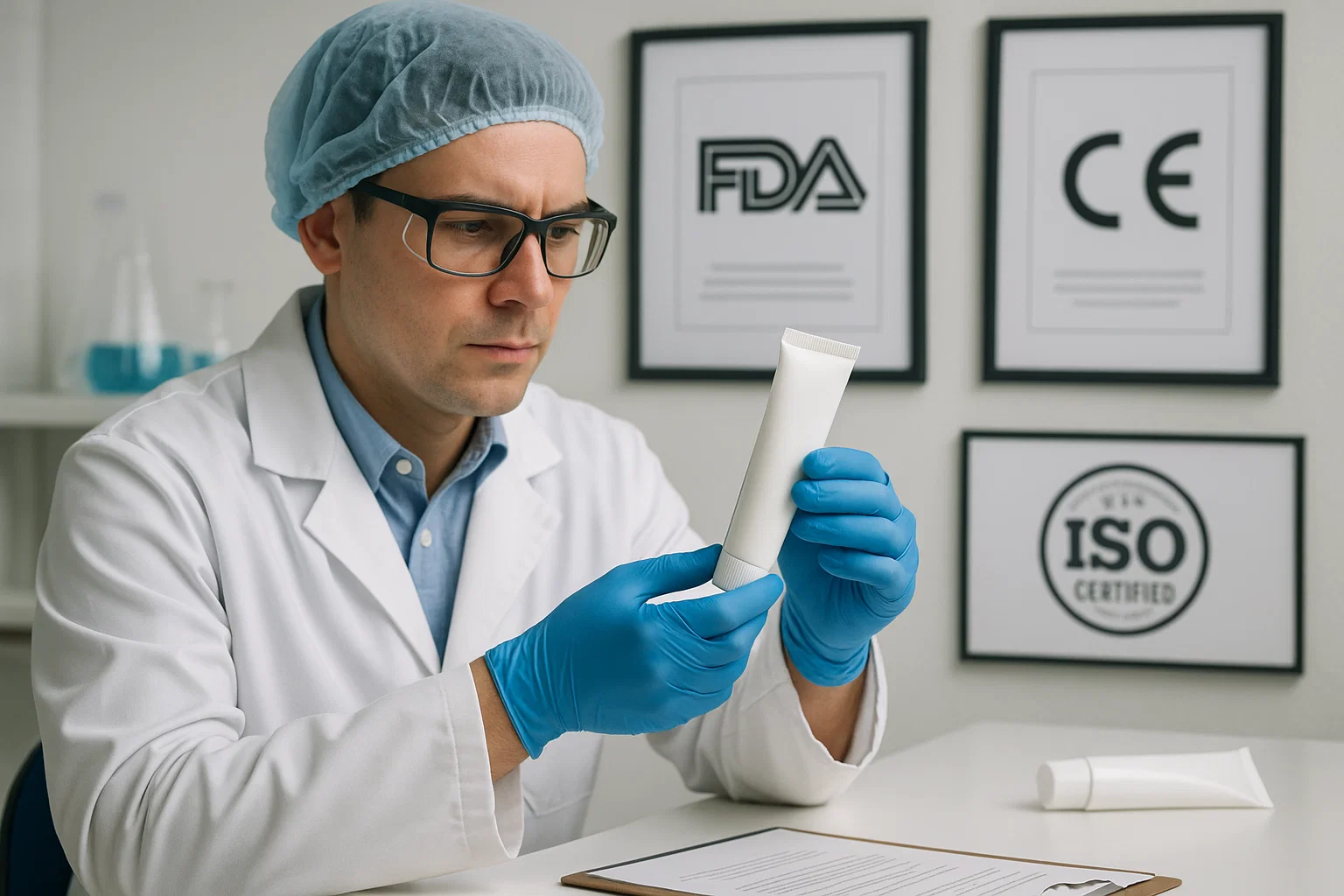
Solution: Partner with an OEM toothpaste manufacturer like Oralgos, which ensures formulations meet ISO, CE, and FDA requirements. Oralgos also provides full documentation support, reducing compliance risk and helping brands launch with confidence.
Mistake 2: Choosing Generic Formulas Over Differentiated OEM Toothpaste
Another common mistake is settling for off-the-shelf formulations that fail to stand out. The oral-care market is saturated with whitening and fluoride options. Without differentiation, your private label product will struggle to gain traction.
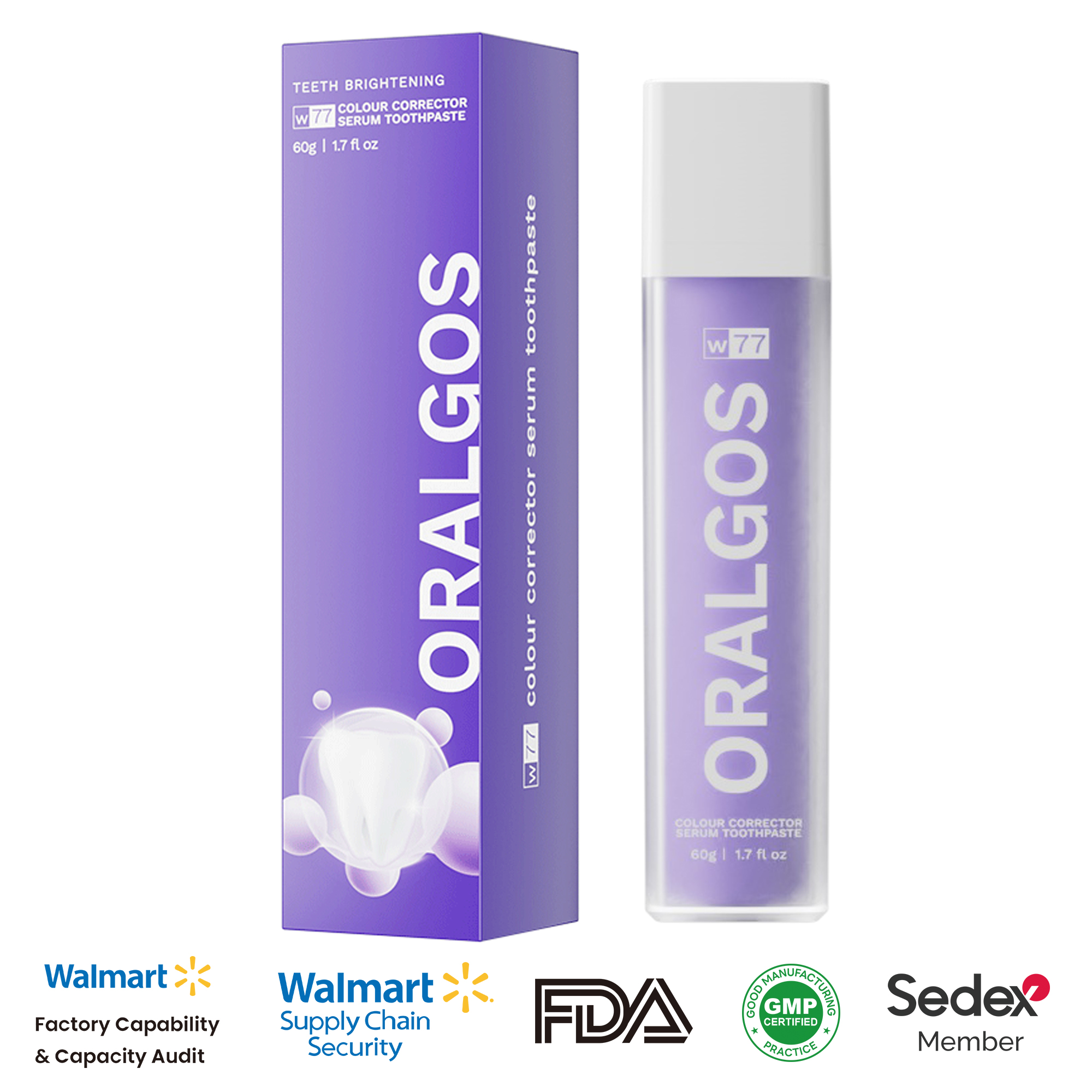
Consider how OralGos worked with a DTC startup that initially launched a generic mint toothpaste. Sales plateaued quickly. The brand switched to a color-correcting formula, the Oralgos W77 Colour Corrector Toothpaste. Within six months, its online conversions doubled.
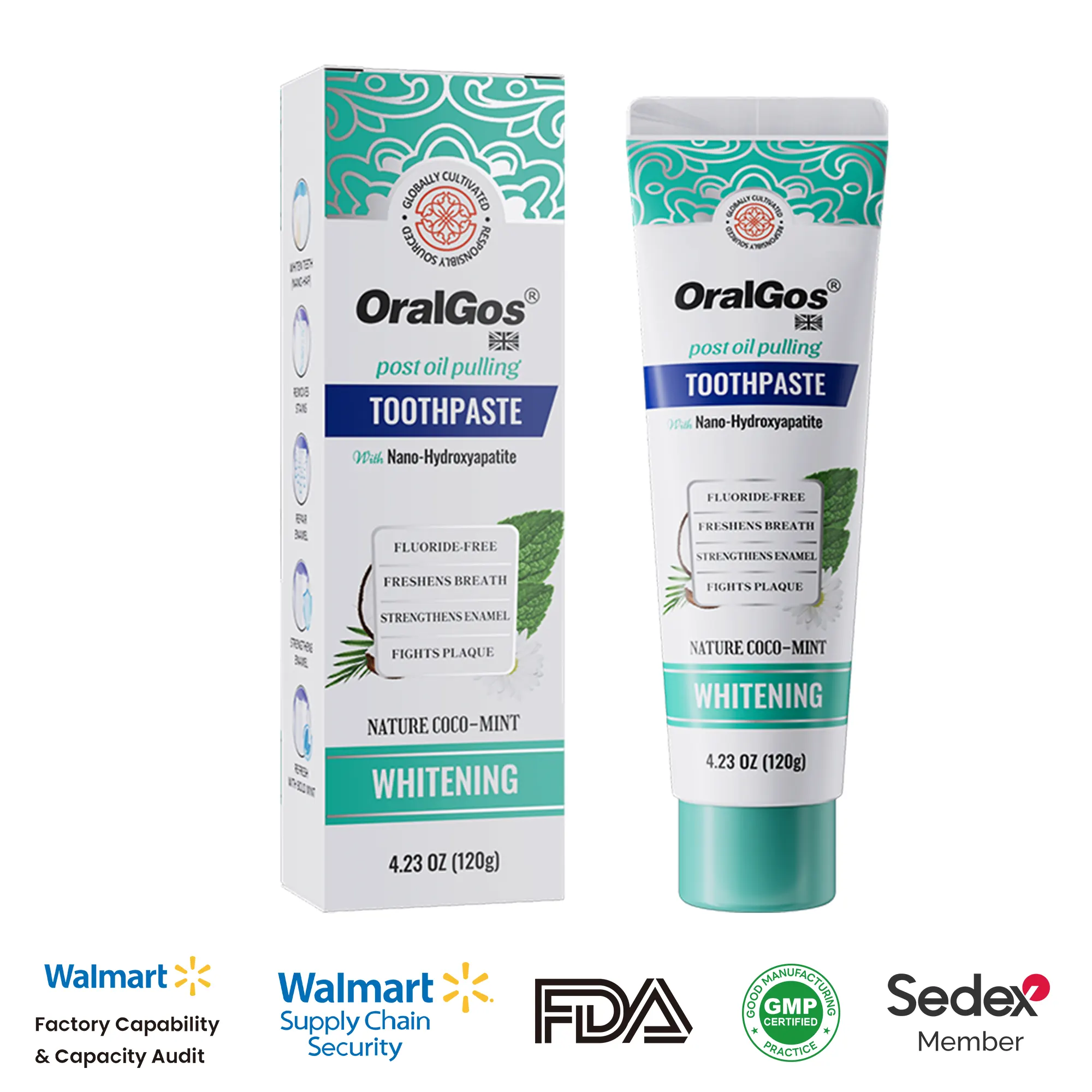
Solution: Brands should prioritize innovative formulations. Examples include fluoride-free choices like the DB865 Fluoride-Free Toothpaste and niche solutions such as the Charcoal Toothpaste DB864. Unique positioning builds stronger brand loyalty.

Mistake 3: Ignoring Target Market Preferences for Private Label Toothpaste
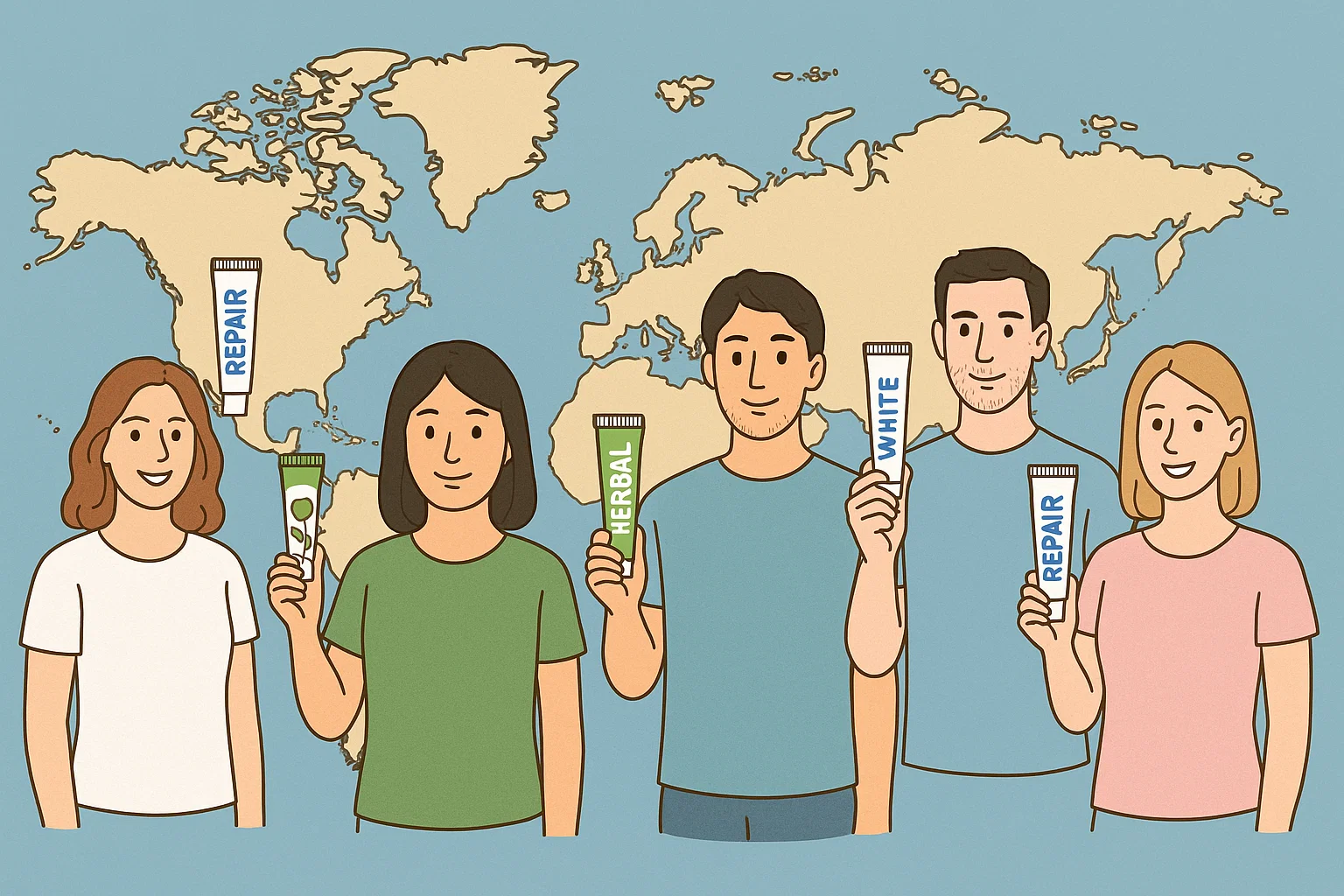
Brands often underestimate how much consumer preferences differ across regions. In Southeast Asia, fluoride-free formulations and herbal ingredients dominate. In Europe, whitening and enamel repair rank high, while in North America, sensitivity relief is a growing trend.
A case in point: a Chinese brand tried to launch a fluoride-free toothpaste in the U.S., assuming demand would be high. Instead, U.S. consumers showed stronger preference for enamel repair products, similar to Oralgos Whitening & Repair Toothpaste DB863.
Solution: Leverage your OEM partner’s market research capabilities. Oralgos keeps a close eye on global oral-care trends. This allows them to design formulas that align with your target market and ensure strong local appeal.

Mistake 4: Underestimating Packaging Design in OEM Toothpaste Launches
Packaging is not just about aesthetics—it communicates trust, compliance, and sustainability. Many brands make the mistake of using generic tubes and boxes that fail to align with consumer expectations.
One retailer in the Middle East launched its private label toothpaste with plain white packaging. Despite a decent formula, customers perceived it as low-quality, leading to slow sales.
Solution: Oralgos offers customizable eco-friendly packaging, FSC-certified cartons, and multilingual labeling options. Well-designed packaging not only improves shelf appeal but also builds credibility with distributors and retailers.
Mistake 5: Overlooking Long-Term OEM Toothpaste Partnerships
A one-time production run may meet short-term needs, but scaling requires a stable partnership. Many brands underestimate how much R&D support, quality control, and after-sales service matter in sustaining growth.
An example: A U.S. startup changed its OEM toothpaste suppliers three times in less than two years. The reason was inconsistent product quality. Their supply chain disruptions hurt retail relationships and eroded brand reputation.
Solution: Building a long-term partnership with an established OEM like Oralgos ensures continuous product improvement and innovation support. Oralgos is committed to the success of private label toothpaste. This allows brands to expand into multiple SKUs—such as sensitivity, whitening, and fluoride-free—without compromising quality.
Why Oralgos Is the OEM Toothpaste Partner of Choice
Avoiding these five mistakes can dramatically improve your chances of launching a successful private label brand. Oralgos combines compliance expertise, innovative formulations, global market insights, and long-term partnership advantages.
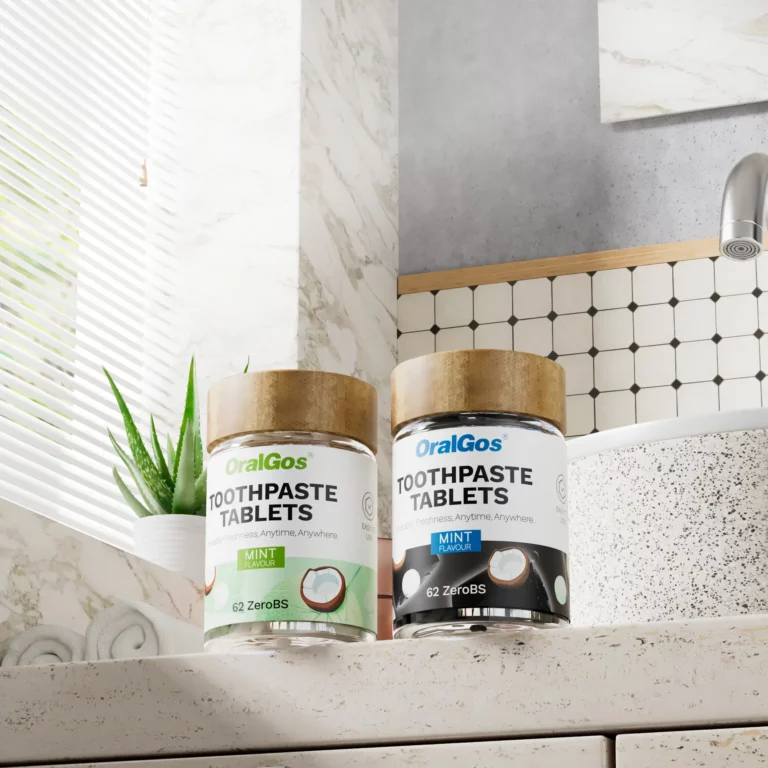
Oralgos offers a wide range of options, from colour-correcting whitening toothpaste to fluoride-free charcoal toothpaste. Each product is designed to meet market demand while maintaining strict quality standards.
Final Thoughts on Private Label Toothpaste Launches
Launching a successful private label toothpaste is not about speed—it’s about strategy. Avoid the five pitfalls of compliance gaps, generic formulations, misaligned market research, weak packaging, and short-term partnerships. Instead, align with an experienced OEM toothpaste partner who can guide you through every step of the journey.
By choosing Oralgos, you protect your brand’s reputation. You also position your business for long-term growth in the competitive oral-care market.