The oral care industry continues to evolve as consumer demand shifts toward convenience, efficiency, and safety. Traditional manual toothbrushes are losing their dominance on store shelves. Innovative designs such as U-shape toothbrush OEM products and the 3-side toothbrush now attract procurement managers and distributors worldwide. When brands enter new markets or add products, the right toothbrush design helps boost sales and attract consumers.
In this article, we compare U-shaped and three-sided toothbrushes from design, functionality, and target audience perspectives. We also highlight opportunities for OEM/ODM buyers and explain which option sells better in different market segments.
U-Shape Toothbrush OEM: Innovative Design and Efficiency
What Is a U-Shape Toothbrush?
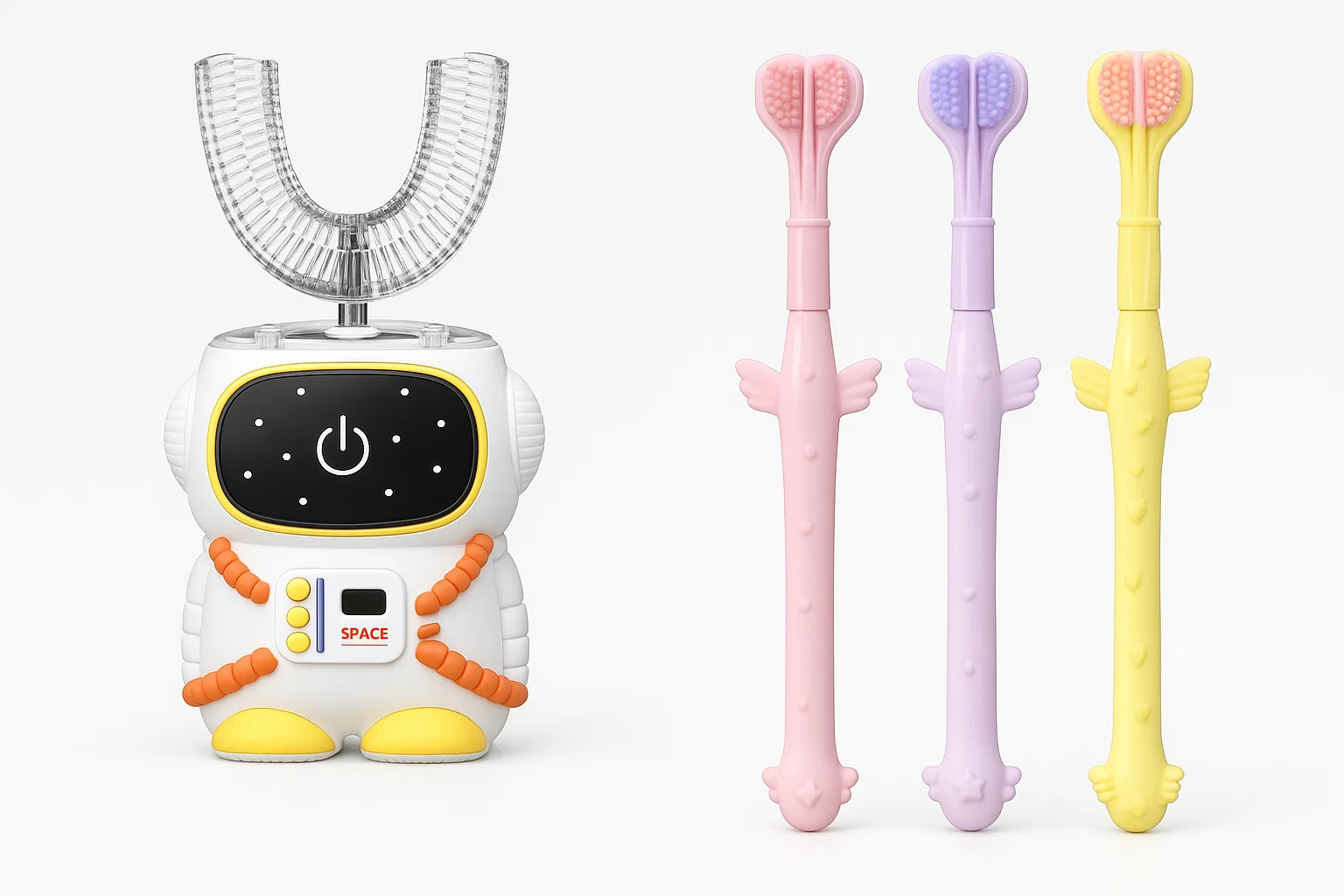
A U-shape toothbrush features a mouthpiece design that fits around the teeth, allowing for 360-degree cleaning in one motion. Unlike single-headed brushes, this design saves time and minimizes mistakes. It works especially well for children and elderly users.
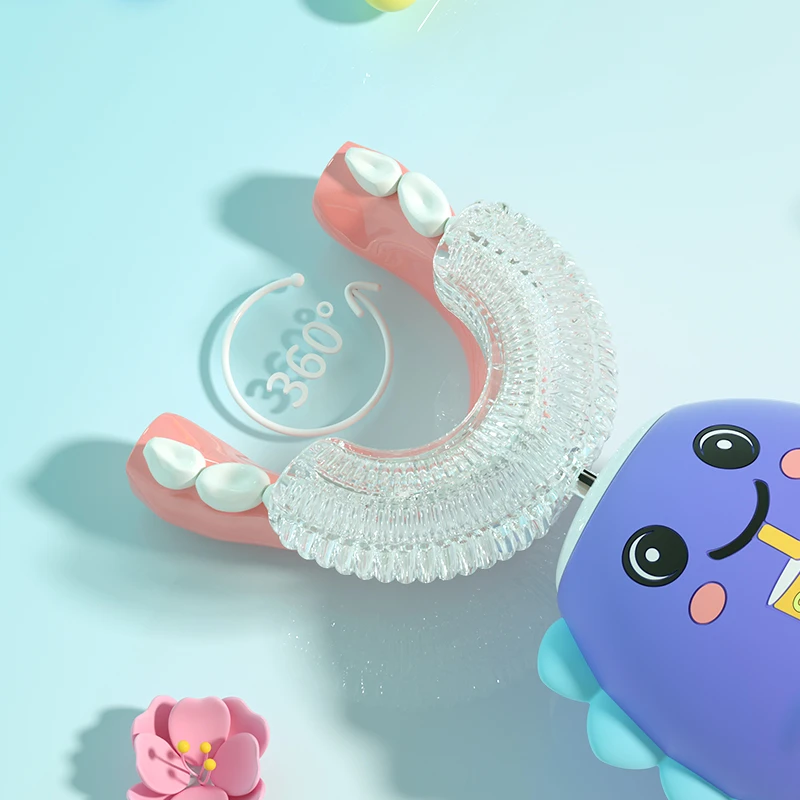
Design Features of U-Shape Toothbrush OEM Products
- Full-mouth coverage: Bristles are aligned in a U-shaped silicone tray to cover both upper and lower arches.
- Electric vibration options: Many models use sonic micro-vibrations for deeper cleaning.
- Safe materials: BPA-free silicone and soft bristles minimize gum irritation.
- Customization potential: With an OEM production line, brands can adjust size, bristle density, vibration frequency, and packaging.
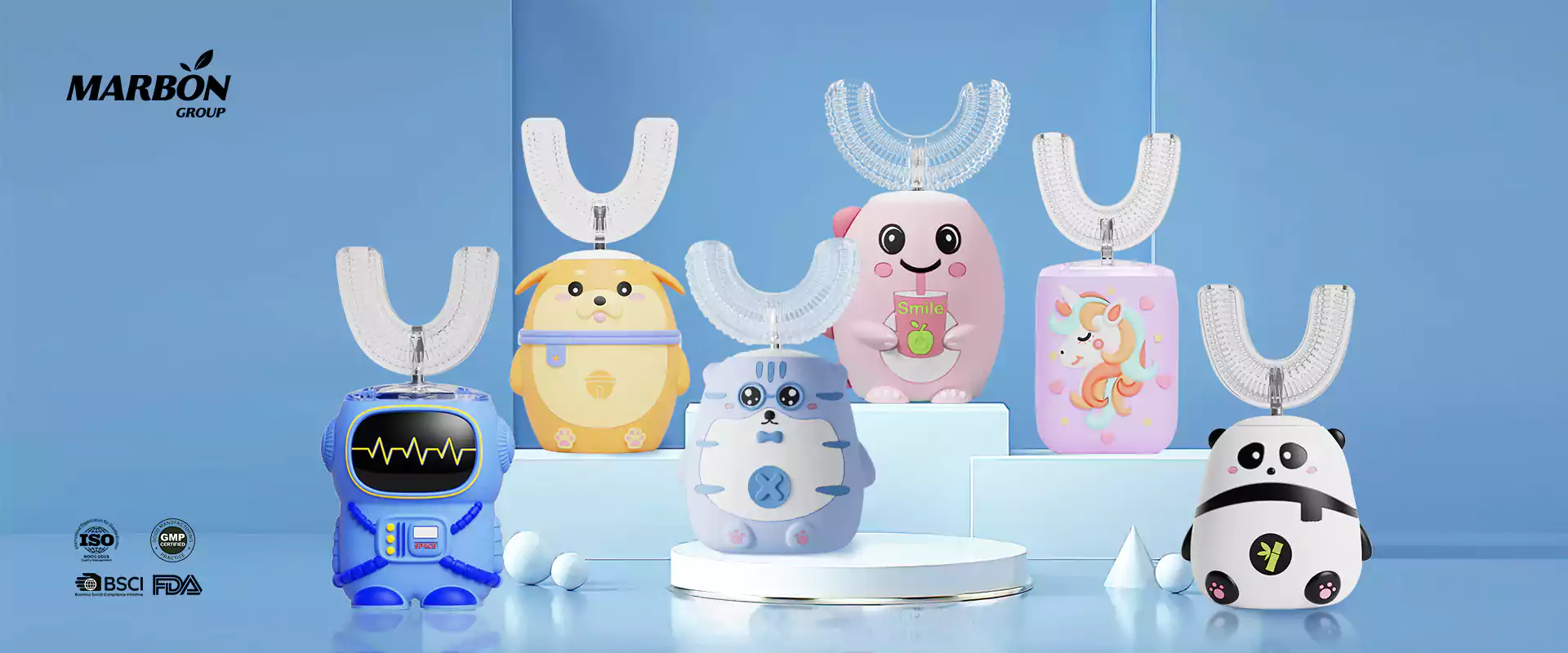
👉 Explore product variations here: U-Shaped Electric Toothbrush Collection.
Benefits of U-Shape Toothbrush OEM for Consumers
- Quick brushing experience (as little as 30 seconds).
- Consistency in technique, reducing the risk of missed spots.
- Especially appealing for toddlers, special-needs users, and busy adults.
3-Sided Toothbrush: Multi-Surface Cleaning Benefits
What Is a 3-Sided Toothbrush?
The 3-sided toothbrush has three brush heads set at 120 degrees. Together, they clean the front, back, and chewing surfaces at the same time. This approach improves brushing efficiency without requiring users to master complex techniques.

Design Features of 3-Sided Toothbrushes
- Triple brush head: Cleans multiple surfaces in one stroke.
- Adjustable pressure: Bristles flex to avoid gum damage.
- Durable construction: Often made with ergonomic PP+TPR handles for easy grip.
- OEM opportunities: OEM partners customize size, bristle softness, and colors to match market needs.
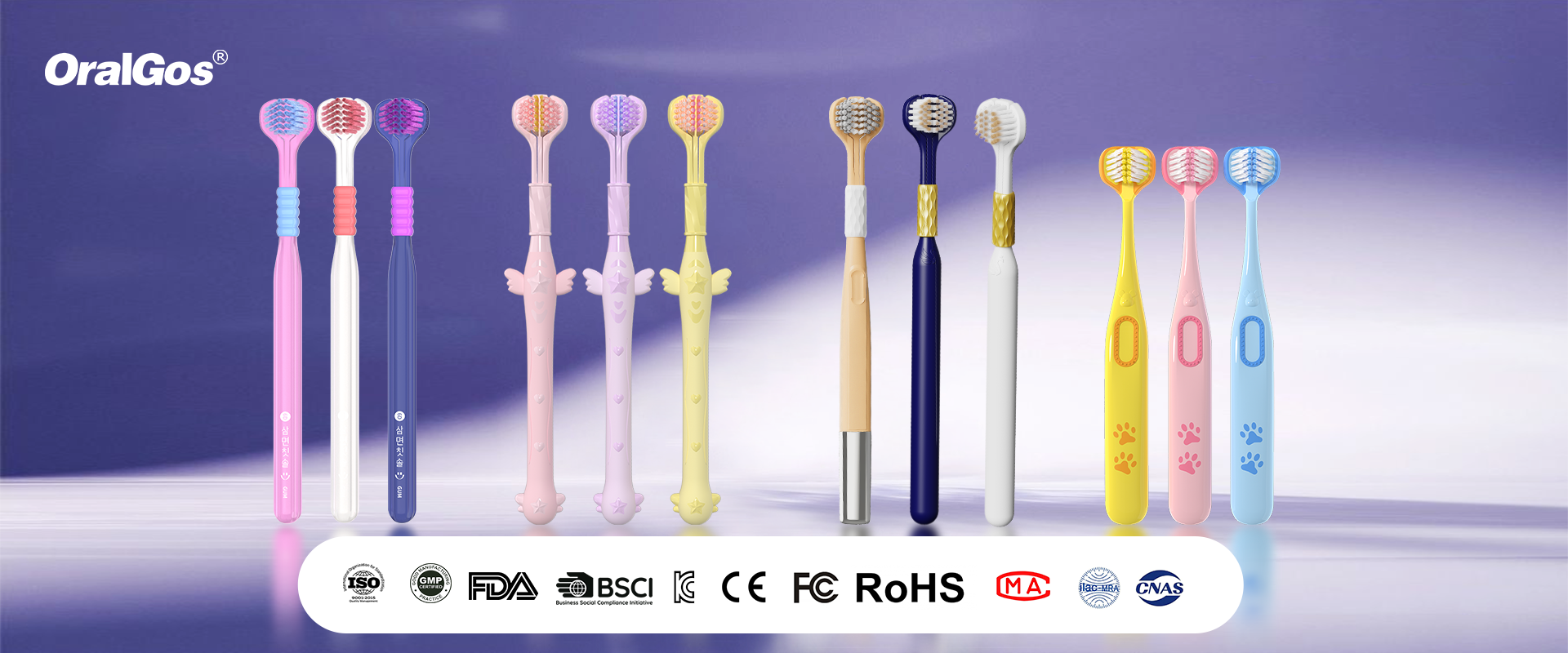
👉 See product options here: 3-Sided Toothbrush Collection.
Benefits of 3-Sided Toothbrush for Consumers
- Improves brushing effectiveness for children learning oral care routines.
- Reduces brushing time without compromising cleanliness.
- Attractive for elderly consumers who struggle with hand dexterity.
Comparing U-Shape Toothbrush OEM vs 3-Sided Toothbrush Performance
Cleaning Mechanism
- U-shape toothbrush OEM products rely on simultaneous contact with all tooth surfaces, often enhanced by sonic vibration.
- 3-sided toothbrushes achieve similar multi-surface cleaning but maintain a more familiar brushing motion.
User Experience
- U-shape brushes simplify the process but may require correct sizing for effectiveness.
- Three-sided designs offer more control, which appeals to users skeptical of full-automation models.
Target Demographics
- U-shape toothbrush OEM: Best suited for toddlers, special-needs individuals, and tech-savvy adults.
- 3-side toothbrush: Ideal for children, seniors, and families looking for a transitional step between manual and electric options.
Pricing & Market Position
- U-shape models, especially with electronic vibration, often command higher retail prices due to technology and novelty.
- Three-sided toothbrushes are more cost-effective, making them easier to penetrate emerging markets.
Which Design Sells Better?
The answer depends on the buyer segment and distribution strategy:
- In premium markets such as Europe and North America, U-shape toothbrush OEM products stand out for their innovation. Brands can market them as time-saving smart oral care solutions. Distributors can highlight convenience, safety, and modern design.
- Mass Retail & Developing Markets (Asia, Africa, Latin America): The 3-side toothbrush often sells better due to affordability and intuitive usability. It’s easier to introduce to households that are not ready to adopt higher-tech solutions.
- In niche categories such as kids and special-needs users, both designs perform well. U-shape brushes gain higher adoption among toddlers. Three-sided brushes appeal more to parents who are teaching brushing habits.
OEM/ODM Considerations for Brands
U-Shape Toothbrush OEM Advantages
- Strong differentiation from traditional models.
- High customization potential for branding.
- Appeals to modern, trend-sensitive markets.
3-Side Toothbrush OEM Advantages
- Easier to produce at scale.
- Lower entry cost for new oral care brands.
- Broader acceptance due to familiar manual motion.
For both categories, brands can partner with China-based OEM suppliers. This approach lowers costs, scales production efficiently, and meets certifications such as CE, FDA, and ISO 13485. You can explore manufacturing insights via industry resources like ADA’s toothbrush innovation guidelines.
Conclusion
U-shape toothbrush OEM and 3-side toothbrush options both perform strongly in the market. Their appeal, however, varies across consumer segments. U-shaped brushes excel in innovation, speed, and appeal to toddlers. Three-sided brushes, on the other hand, offer affordability, practicality, and broader consumer acceptance.
For oral care brands, the decision should align with market positioning, target demographics, and OEM capabilities. Procurement managers can analyze these factors to choose the design that boosts sales and supports long-term brand growth.