Expanding into international markets demands more than competitive pricing or innovative design. When it comes to Russia, compliance, quality assurance, and consumer trust form the foundation of long-term success. The Russian oral-care sector has grown steadily. Rising disposable income, stronger health awareness, and higher demand for certified premium products are fueling this growth.
However, this opportunity comes with challenges. Brands must navigate complex regulations, cultural preferences, and rigorous certification processes.
This article explores why compliance and quality assurance are non-negotiable for oral-care companies entering Russia.
Russia’s Regulatory Landscape: Compliance Is the First Step
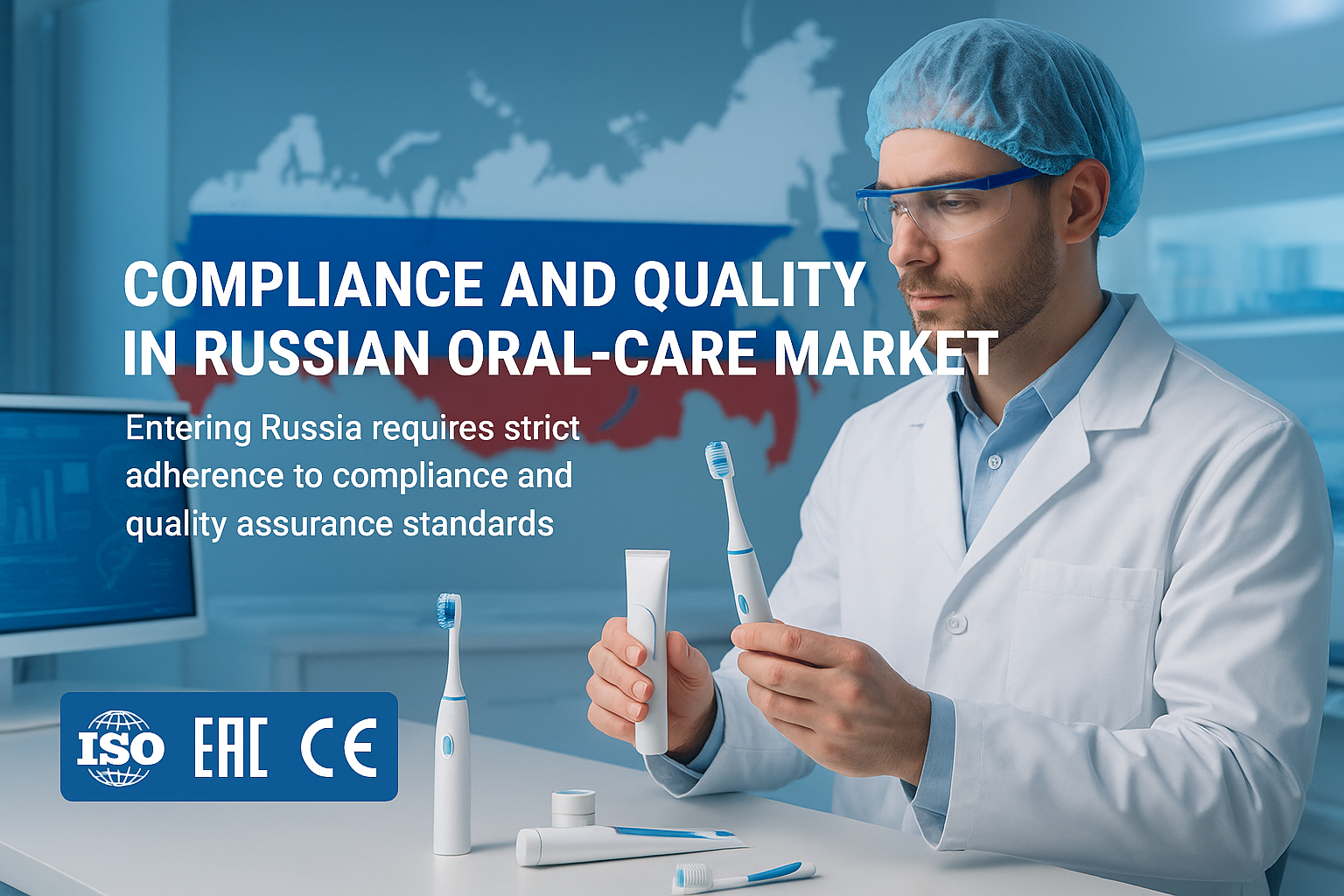
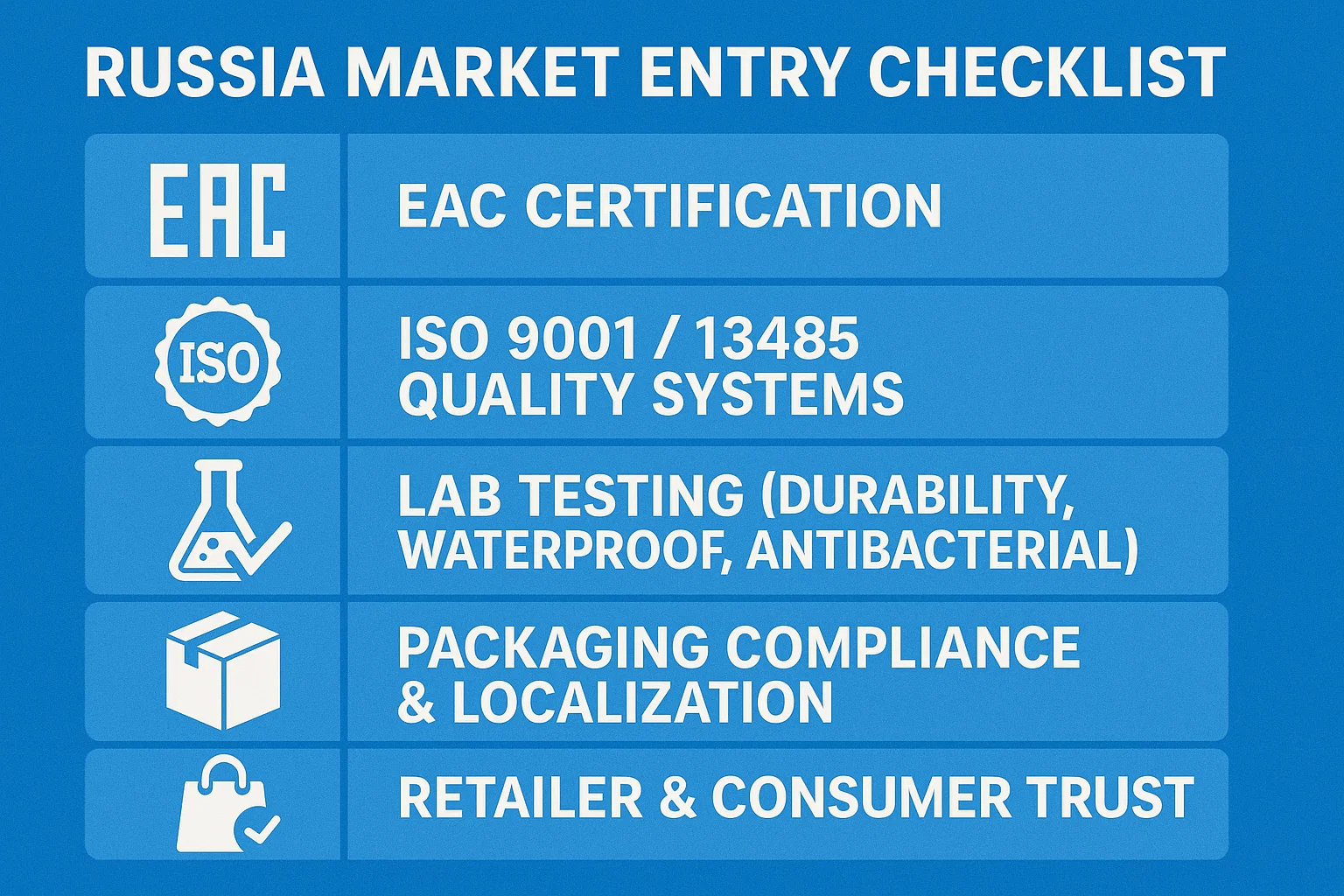
Before launching products in Russia, oral-care manufacturers must meet strict requirements under the Eurasian Economic Union (EAEU) regulations. These standards ensure consumer protection and product safety across all member states. Oral-care items such as electric and manual toothbrushes must go through a certification process. This often includes EAC marking, mandatory technical documentation, and sometimes laboratory testing.
Failure to achieve compliance can result in customs delays, fines, or even product recalls. Russian authorities actively monitor imported goods, making it clear that only brands with robust documentation and traceability can build a reliable distribution network.
For businesses working with OEM/ODM factories, partnering with a compliance-driven manufacturer is critical. OralGos, for instance, highlights certified production and strong quality systems through its OEM Service. These measures help partners achieve a smooth entry into the Russian market.
Quality Assurance as a Competitive Advantage
While compliance is mandatory, quality assurance elevates a brand from acceptable to trusted. Russian consumers are discerning buyers who value durability, safety, and proven effectiveness. According to Euromonitor reports, shoppers increasingly prefer oral-care products backed by scientific claims, certifications, and recognizable quality standards.
Factories with ISO 9001 and ISO 13485 certifications prove their commitment to quality. Each stage of production—raw material screening, in-line testing, packaging, and shipping—follows global best practices. When launching electric toothbrushes on Russian platforms like Wildberries or Ozon, brands need solid evidence of product reliability. Drop-test durability and waterproofing reports are critical.
Similarly, manual toothbrushes designed for sensitive gums or eco-friendly handles face strict checks. They must pass both lab testing and packaging compliance standards before retailers will accept them.
Without strong quality assurance, even a well-designed product risks rejection by retailers or negative reviews from Russian consumers.
Russia, Compliance, and Quality Assurance in Consumer Trust
Trust is the most valuable currency for building brand equity in Russia. Product recalls and counterfeit goods have made buyers more cautious. Russian consumers now pay close attention to packaging details, certification marks, and online reviews. Retailers, too, only accept brands with documented compliance histories.
This is where Russia, compliance, and quality assurance intersect. Compliance ensures legal entry into the market, while quality assurance safeguards consumer satisfaction. Together, they enable brands to differentiate themselves from low-quality competitors.
For example, a toothbrush with antimicrobial bristles not only requires EAC approval but also quality testing to verify antibacterial claims. Meeting both standards reassures distributors and end-users that the product delivers on its promises.
The Role of Risk Mitigation in Entering Russia
Risk mitigation for international oral-care brands is more than simply avoiding fines. It is a key strategy for ensuring sustainable growth. Russia’s customs and regulatory bodies are known for their thorough inspections. Any discrepancies in documentation, labeling, or safety standards can stall entire shipments.
By investing in a compliance-focused supply chain, brands reduce risks of financial loss and reputational damage. Partnering with manufacturers experienced in Russian regulations ensures smoother audits, faster clearance at customs, and fewer supply-chain disruptions.
In addition, collaboration with a factory that has already supplied certified oral-care products to Russia provides an advantage. OralGos, for example, highlights case studies of successful EAC approvals and packaging localization, giving prospective partners reassurance about their readiness to enter Russia.
Local Consumer Preferences: Aligning Quality Assurance with Market Demand
Beyond compliance, success in Russia requires understanding consumer expectations. Research shows that Russian buyers are drawn to:
- Premium packaging with multilingual labeling.
- Eco-friendly toothbrush options (such as bamboo or wheat-straw handles).
- Smart electric toothbrushes with multiple brushing modes.
- Children’s products with safety certifications and fun designs.
Brands that meet consumer preferences and show verified quality stand out. They perform well on platforms like Ozon and in physical retail chains. Compliance alone secures shelf space, but consumer-aligned quality creates repeat purchases.
For example, OralGos offers eco-friendly designs under its manual toothbrush category, while also supporting premium electric toothbrush solutions tailored to modern Russian households.
Building a Compliance-Ready Supply Chain
A resilient supply chain underpins successful entry into Russia. This includes:
- Raw Material Control – ensuring bristle and handle materials meet both EU and EAEU safety standards.
- In-Line Quality Control – drop tests, waterproof tests, and antibacterial testing at multiple production stages.
- Traceable Packaging – FSC-certified boxes and localized labels in Russian.
- Third-Party Verification – partnering with accredited labs for independent testing.
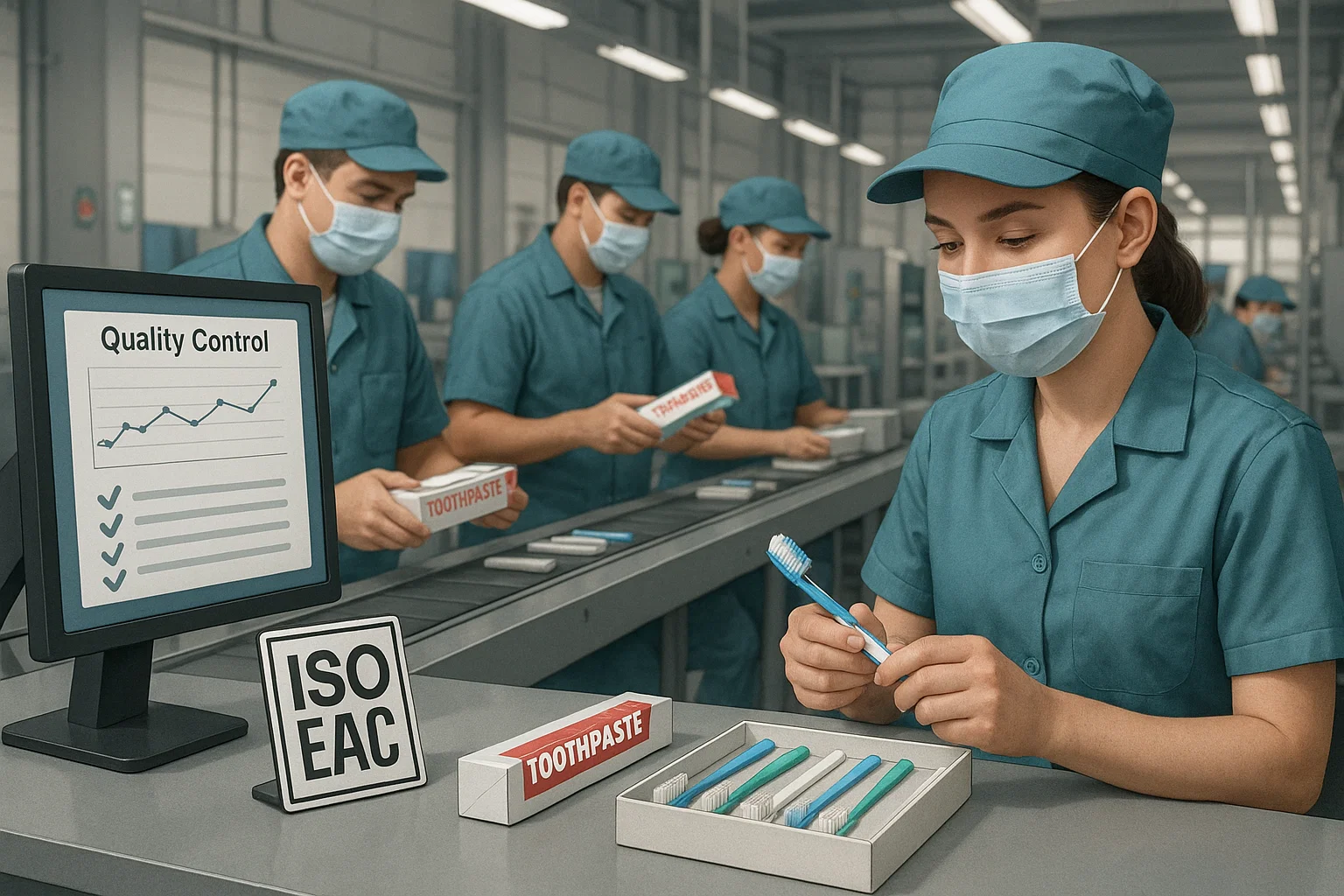
Factories that implement these measures can successfully pass audits. They also earn the trust of Russian distributors and retailers.
Looking Ahead: Why Russia Demands Compliance and Quality Assurance
The Russian oral-care market offers significant growth potential, but the path to success requires careful preparation. Compliance guarantees legal market entry, while quality assurance ensures sustained consumer trust. Together, they form the pillars of a resilient brand strategy in Russia.
By prioritizing Russia, compliance, and quality assurance, companies can secure a strong market position. They become leaders in one of Eastern Europe’s fastest-growing oral-care sectors. International brands can reduce risks and build trust by partnering with certified companies such as OralGos. This collaboration also helps deliver products that appeal to retailers and consumers alike.
Conclusion
Success in Russia requires more than shipping products. Brands need to show reliability through compliance and deliver consistent quality. Investing in certification, quality systems, and localized strategies allows oral-care brands to enter the market successfully and thrive. Making compliance and quality assurance non-negotiable helps businesses grow sustainably and distinguish themselves from competitors.