Many people reach for mouthwash primarily to freshen their breath. Although the refreshing mint flavor offers a clean sensation, mouthwash provides benefits that extend far beyond simply enhancing breath. Modern mouthwash is essential for oral hygiene. It helps fight bacteria, lowers the risk of cavities, and supports long-term oral health.
Understanding the broader benefits of mouthwash helps consumers make informed choices and integrate it effectively into daily dental routines. In this article, we explore how mouthwash serves as a powerful tool for antibacterial action and cavity prevention.
Antibacterial Properties: The First Line of Defense
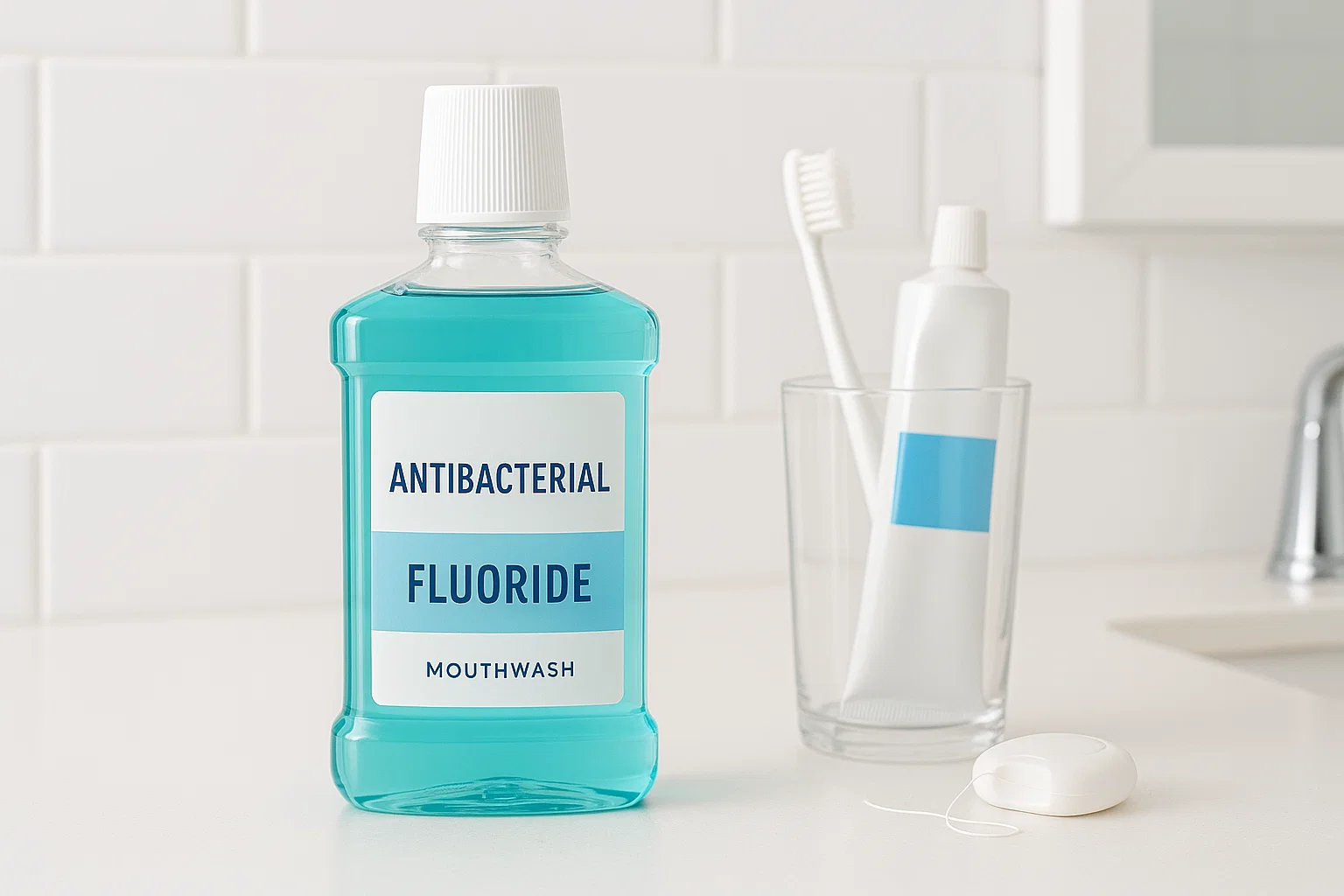
One of the key functions of mouthwash is its antibacterial action. Bacteria in the mouth are responsible for plaque buildup, gum inflammation, and bad breath. While brushing and flossing remove much of this buildup, they cannot reach every nook and cranny.
Mouthwashes containing active antibacterial ingredients, such as cetylpyridinium chloride or essential oils, help reduce bacterial populations in hard-to-reach areas. By lowering the bacterial load, these mouthwashes prevent plaque formation and gingivitis, enhancing your oral hygiene routine.
For tips on daily oral care routines, see OralGos Toothbrushes and Flossing Guide.

Fighting Cavities with Fluoride-Enriched Mouthwash
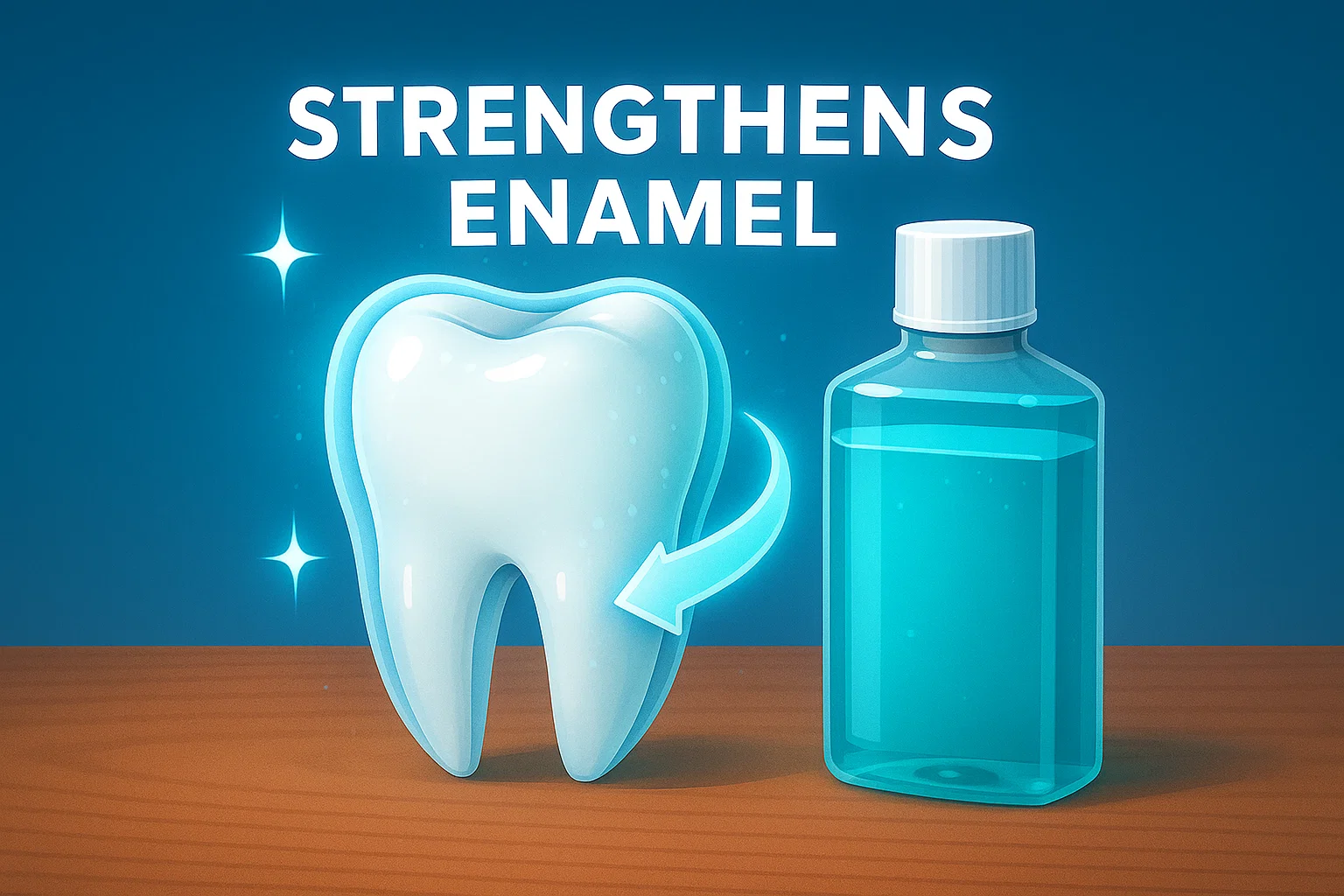
Beyond antibacterial effects, many mouthwashes provide added cavity protection through fluoride. Fluoride strengthens enamel, making teeth more resistant to acid attacks from bacteria and sugary foods. Regular use of a fluoride-containing mouthwash reduces the risk of cavities, complementing brushing and flossing efforts.
Research shows that incorporating mouthwash into a daily routine can significantly reduce the incidence of cavities, particularly for individuals prone to decay. By choosing a mouthwash with fluoride, you are proactively reinforcing your enamel and supporting long-term dental health.
More on fluoride and dental health: National Institute of Dental and Craniofacial Research.
Types of Mouthwash: Finding the Right Fit
Not all mouthwashes are created equal. Understanding the type of mouthwash you use ensures you maximize its benefits:
- Antibacterial: Targets harmful bacteria to prevent plaque, gum disease, and bad breath.
- Fluoride: Strengthens enamel and reduces cavities.
- Combination Mouthwash: Offers both antibacterial and fluoride benefits, providing comprehensive oral hygiene support.
Selecting a mouthwash that aligns with your oral health needs is essential. For example, people with a higher risk of cavities may benefit from fluoride-enriched mouthwash. Those struggling with gum inflammation can choose a stronger antibacterial formula.
How to Use Mouthwash Effectively
To reap the full benefits, mouthwash should be used correctly. Here are key tips for effective use:
- Timing Matters: Use mouthwash after brushing and flossing to reach areas that brushing might miss.
- Measure Properly: Follow the recommended dosage on the label to avoid excessive use.
- Swish Thoroughly: Gargle for 30–60 seconds to ensure the active ingredients cover the entire mouth.
- Avoid Eating Immediately: Refrain from eating or drinking for at least 30 minutes to let the ingredients work.
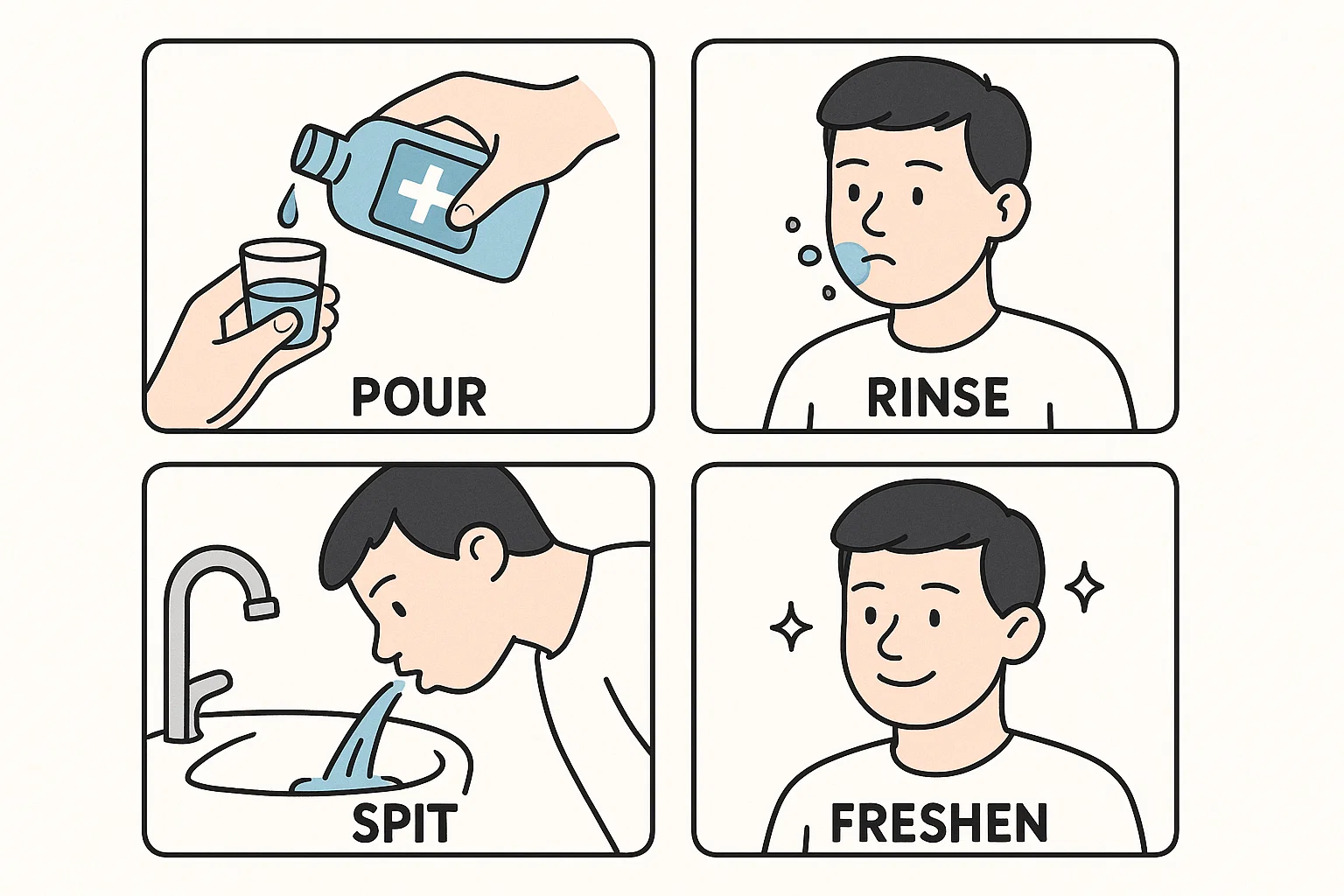
Consistent and proper use ensures the antibacterial agents and fluoride have maximum effect, reinforcing your daily oral care routine.
The Long-Term Benefits of Regular Mouthwash Use
Integrating mouthwash into your daily routine offers more than immediate freshness. Long-term benefits include:
- Reduced plaque and tartar buildup
- Stronger enamel and fewer cavities
- Improved gum health and lower risk of gingivitis
- Healthier overall oral hygiene, contributing to systemic health
For people who find brushing difficult or wear orthodontic appliances, mouthwash offers extra protection. It reaches areas that are otherwise hard to clean.
Busting the Myth: Mouthwash Is Not Just Cosmetic
It’s a common misconception that mouthwash is purely cosmetic. While fresh breath is a noticeable benefit, the underlying scientific evidence supports its role in preventing oral disease. Antibacterial mouthwashes reduce harmful bacteria, and fluoride mouthwashes reinforce enamel—making them essential for maintaining oral hygiene beyond cosmetic appeal.
Dentists frequently advise adding mouthwash to a daily oral care regimen. Along with brushing, flossing, and checkups, it helps maintain long-term oral health. Instead of seeing mouthwash only as a cosmetic product, it is better to regard it as a functional tool. Doing so allows users to make more informed decisions for lasting oral health.
Conclusion: A Functional Approach to Oral Hygiene
The value of mouthwash goes beyond serving as a quick fix for bad breath. With its antibacterial properties and cavity-fighting benefits, it is a valuable component of comprehensive oral hygiene. Selecting an appropriate mouthwash and maintaining regular use can significantly reduce the risk of plaque, gingivitis, and cavities. Incorporating it into daily oral hygiene reinforces overall dental health.
Consumers who view mouthwash as a functional health product gain more than just fresh breath. It becomes an investment in long-term dental wellness. When using a minty mouthwash, keep in mind that its benefits extend beyond temporary freshness. It contributes to antibacterial action and overall dental protection.