Halal oral care is gaining strong momentum across Southeast Asia. In Indonesia and Malaysia, most consumers are Muslim. They prefer personal care products that honor their religious values and still deliver modern health benefits.
Oral care is no longer limited to fresh breath and cavity prevention. Today, it also reflects cultural identity, consumer trust, and regulatory compliance.
For global brands and OEM/ODM manufacturers, this shift is about more than certification. It is also a chance to reach a fast-growing consumer market.
Halal Oral Care in Indonesia: A Market of Scale
As the world’s largest Muslim-majority nation, Indonesia has become the testing ground for Halal-certified consumer goods. The Indonesian Ulema Council (MUI) is the main authority for Halal certification. Today, consumers see these certifications as essential for personal care products such as toothpaste, toothbrushes, and mouthwashes.
Statista expects Indonesia’s oral care market to grow steadily. At the same time, consumers are moving toward brands that offer clear labeling and Halal compliance. This makes Halal certification a competitive advantage rather than just a regulatory checkbox.
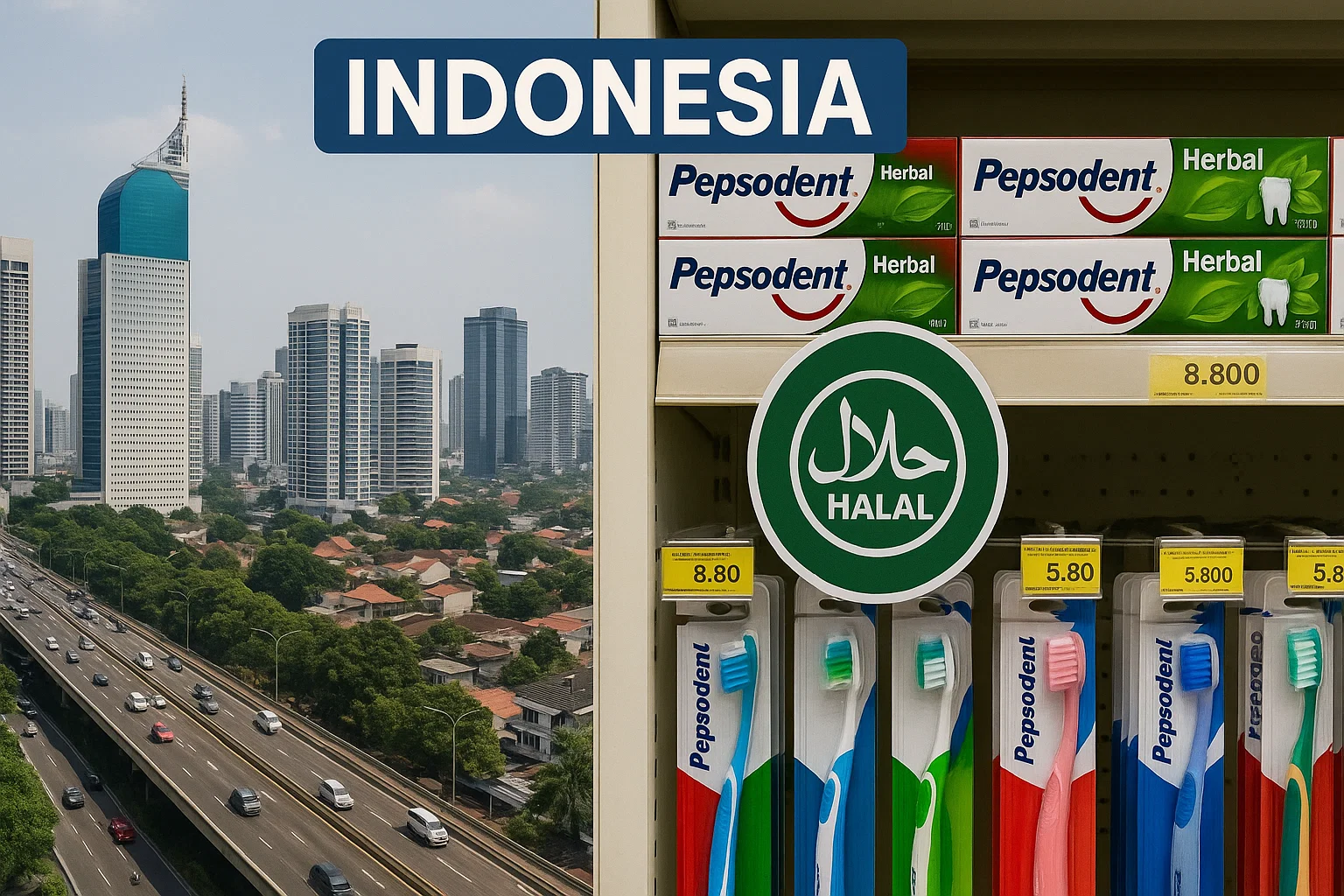
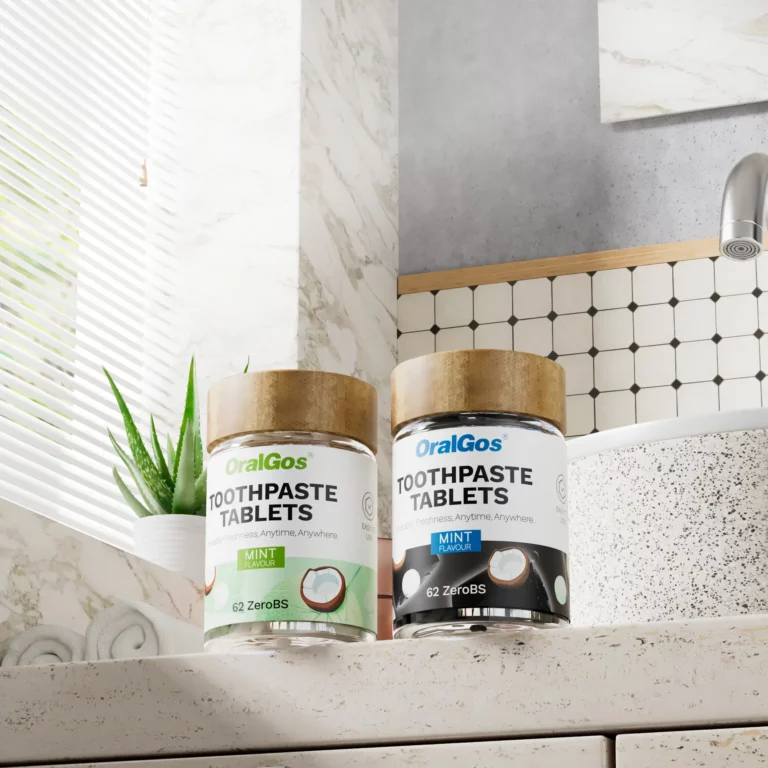
For example, OralGos builds trust among Indonesian buyers by offering Halal-friendly toothpaste and eco-friendly toothbrushes. Manufacturers that secure this certification can use it as a selling point. They can highlight the Halal mark on packaging, e-commerce platforms, and retail displays to capture consumer attention.
Halal Oral Care in Malaysia: A Trust-Driven Market
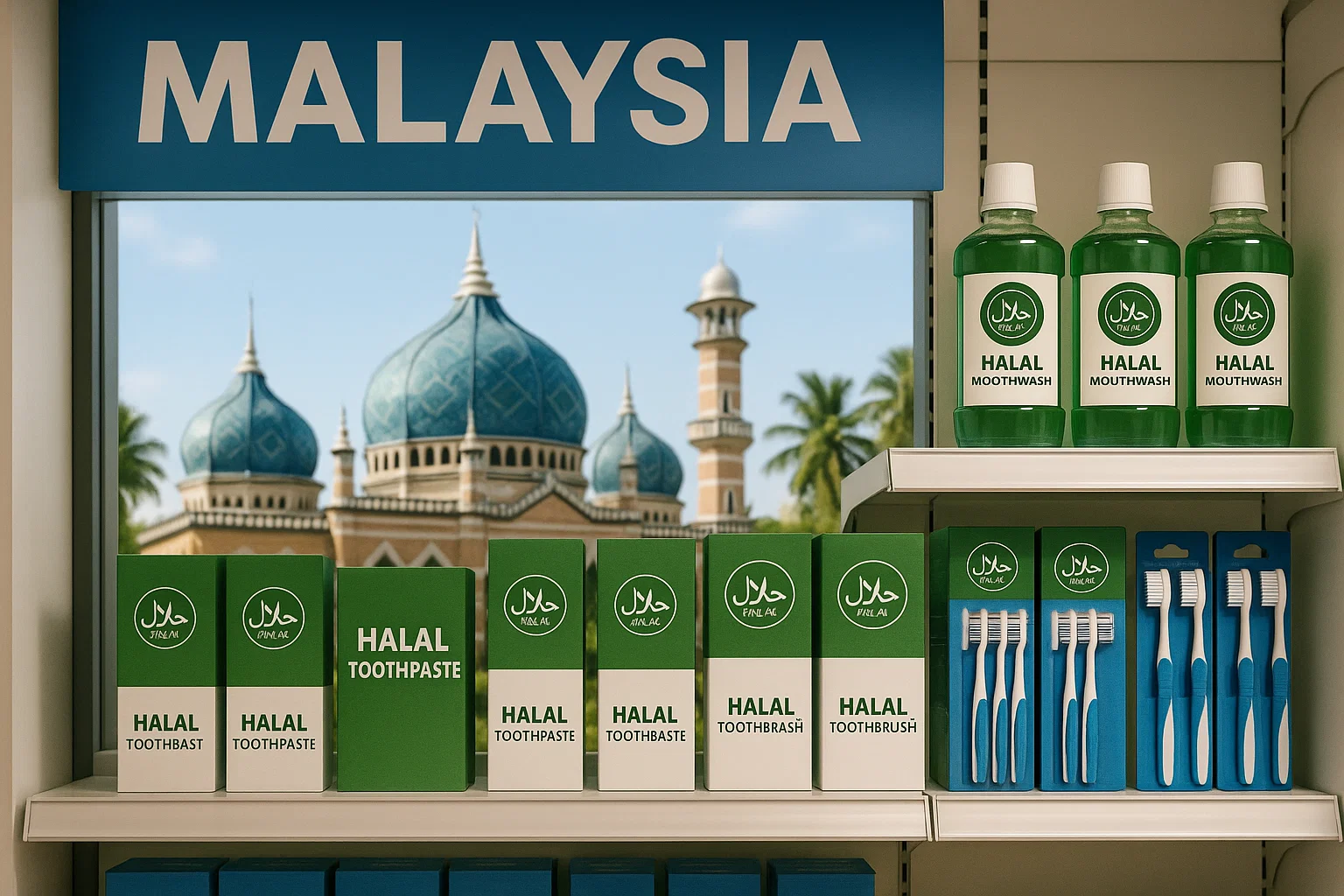
In Malaysia, where JAKIM (the Department of Islamic Development Malaysia) oversees Halal certifications, the oral care market shows similar consumer behavior. Malaysians tend to be highly brand-loyal, but this loyalty depends on transparency and trust. Products without Halal certification often face hesitation, especially in large retail chains and pharmacy outlets.
The Malaysian government has also encouraged stricter Halal standards, giving certified oral care products a natural advantage. From sonic toothbrushes to fluoride-based toothpaste, consumer demand highlights both efficacy and compliance. This dual requirement has created a significant opening for OEM manufacturers looking to expand into the region.
Key Drivers Behind the Halal Oral Care Boom
Religious Compliance and Everyday Confidence
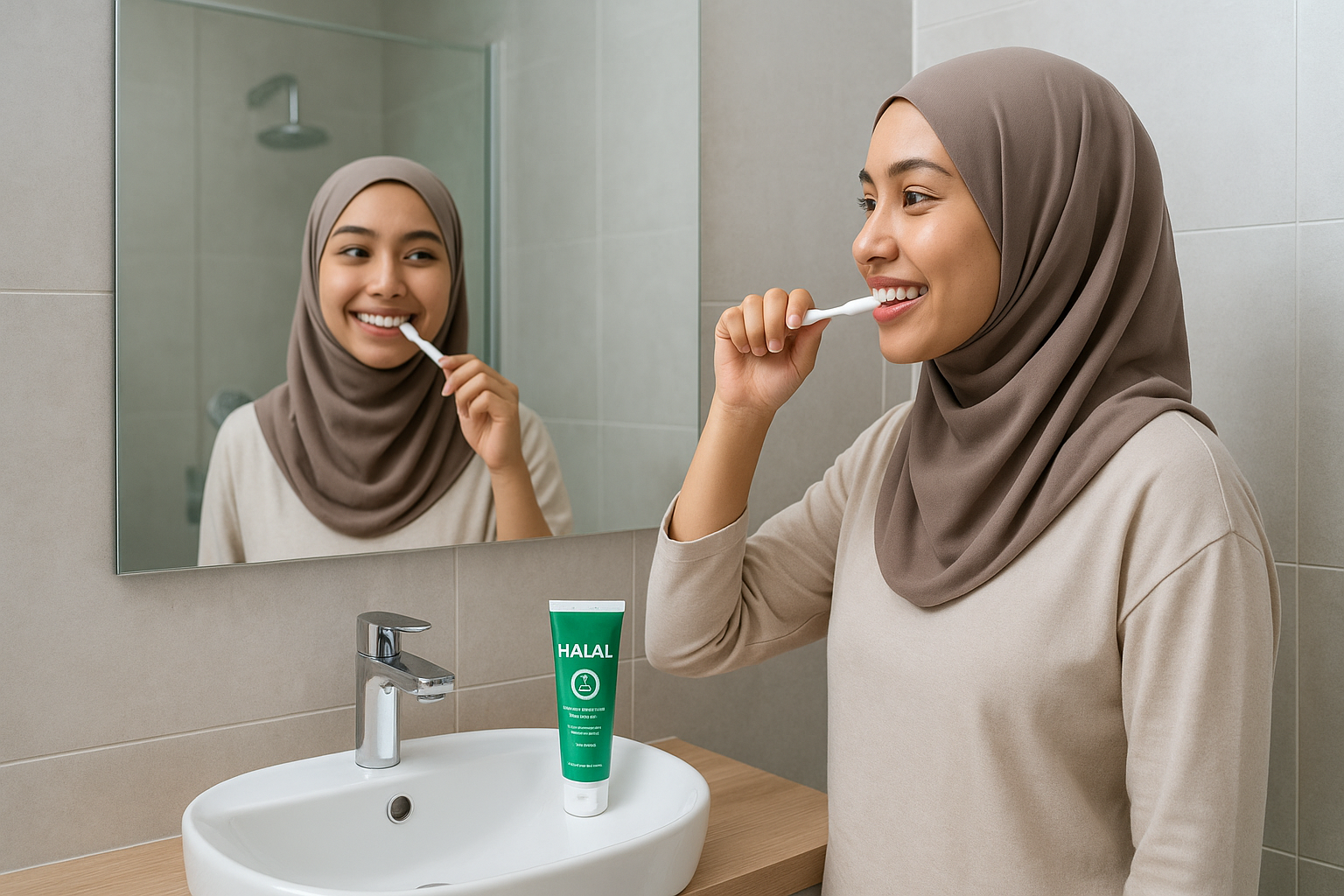
For consumers in Indonesia and Malaysia, using Halal oral care products ensures peace of mind. Halal-certified oral care avoids ingredients like gelatin, alcohol, or animal-derived additives. This makes the products both ethical and safe from a religious perspective.
Rising Disposable Income and Awareness
Middle-class consumers across Southeast Asia are spending more on premium oral care. Brands that pair Halal compliance with advanced formulations are gaining strong traction. Popular options include whitening agents, fluoride, and herbal extracts.
Regulatory Push and Export Potential
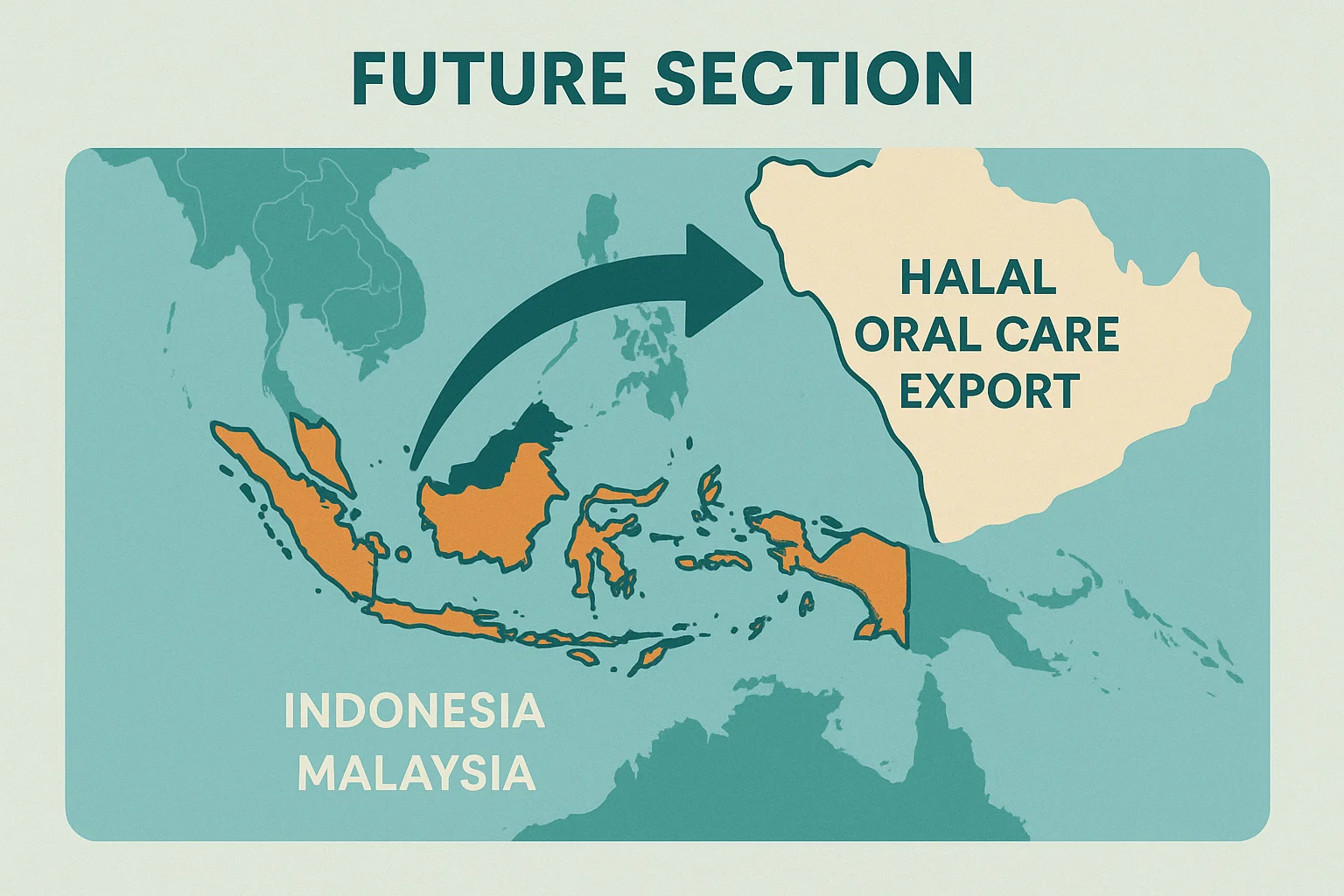
Both Indonesia and Malaysia have introduced frameworks that make Halal certification a cornerstone for imports and exports. Consumers in domestic markets actively buy local Halal products. Exporters also ship them to the Middle East, where Halal assurance carries equal importance.
Halal Oral Care: A Competitive Advantage for Brands
Market Entry Strategies
- Certification First: Partner with certification authorities like MUI in Indonesia or JAKIM in Malaysia.
- Transparent Labeling: Highlight Halal status clearly on packaging and digital platforms.
- Localized Marketing: Use culturally relevant campaigns, ensuring that messages emphasize both oral health benefits and compliance with Islamic principles.
Opportunities for OEM and ODM Manufacturers
International suppliers working with a Halal-audited factory can leverage their certifications to build trust with distributors and retailers. For instance, OralGos works with partners to secure traceable ingredient sourcing, conduct compliance audits, and provide FSC-certified packaging. These efforts make it easier for brands to scale within Southeast Asia.
Explore the World Halal Council for global standards that influence Southeast Asian markets.
The Future of Halal Oral Care in Southeast Asia
The trajectory of Halal oral care in Indonesia and Malaysia shows no signs of slowing down. By 2030, Indonesia and Malaysia will capture a significant share of the global Halal personal care market. Younger consumers, particularly Gen Z and Millennials, are pushing brands toward greater credibility, cleaner labels, and stronger Halal guarantees.
For brands looking to enter or grow in this market, the takeaway is clear. Halal is more than a certification—it is a key part of brand strategy. Companies that combine oral care innovation with religious compliance can gain a strong advantage. This approach positions them as leaders in Southeast Asia’s next growth wave.
Conclusion: A Market of Trust and Growth
The growth of Halal oral care in Indonesia and Malaysia shows how consumer faith connects with business opportunity. By combining religious compliance, premium formulations, and sustainable manufacturing practices, brands can win both local loyalty and international recognition.
For oral care companies, this is not simply a trend but a long-term market transformation. Early investors in Halal certification, transparent branding, and localized strategies will lead Southeast Asia’s oral care boom.