Manufacturing today moves at a rapid pace. Businesses must find ways to manage production efficiently and meet the diverse needs of their customers. The concept of flexible capacity is a key solution for manufacturers. It allows them to expand from small trial orders to large-scale production while maintaining quality and timely delivery.
This article explains how flexible capacity works and why it is important for managing MOQ and OEM orders. It also highlights the benefits for businesses in the oral care industry and beyond.
What Is Flexible Capacity?
Flexible capacity refers to a manufacturer’s ability to adjust production volume based on demand. Unlike rigid systems that require large, fixed production runs, flexible systems can accommodate a range of order sizes. This adaptability is crucial for companies handling OEM orders. In these orders, product specifications, branding, and packaging often differ from client to client.
For example, a manufacturer of toothbrushes or toothpaste may begin with small MOQ orders. This allows them to test new product lines and gauge market demand. Once the product proves successful, the production system can scale up to full-scale manufacturing. This ensures that businesses do not face bottlenecks in meeting customer demand. As Investopedia notes, manufacturing flexibility is vital for adapting to market shifts.
How Flexible Capacity Supports Small MOQ Orders
One of the main advantages of flexible capacity is its support for small MOQ orders. Many brands, especially startups or niche market players, are cautious about committing to large production runs. High minimum order quantities can create cash flow pressure and inventory risks. By leveraging flexible capacity, manufacturers can:
- Accept smaller MOQ orders to accommodate budget limitations.
- Adjust production schedules to avoid idle machinery or labor downtime.
- Maintain quality standards even at low volumes.
For example, companies looking for manual toothbrushes can start with limited runs to test market reception. Flexible production systems allow manufacturers to adapt to these smaller orders without sacrificing efficiency or inflating costs.
Scaling OEM Orders Efficiently
OEM orders often demand customization, including specific packaging, colors, or branding. This requirement can make scaling production tricky. With flexible capacity, manufacturers can handle both small pilot orders and full-scale mass production seamlessly. The process usually involves:
- Pilot Production: Starting with small batches to validate specifications and gather customer feedback.
- Incremental Scaling: Gradually increasing production volume as demand grows.
- Full Production: Leveraging scalable resources to meet larger orders without delays.
For instance, a brand can test the market with a small OEM batch of U-shaped electric toothbrushes before scaling up. Once the market confirms strong demand, the manufacturer can expand production to meet large-scale orders efficiently.
Benefits for Inventory and Cash Flow Management
Flexible production capacity also offers financial advantages. By aligning output with actual demand:
- Companies reduce inventory holding costs.
- Businesses avoid tying up capital in excess inventory.
- Companies improve cash flow, making it easier to invest in marketing, research, and future production growth.
For oral care brands, this flexibility is particularly valuable. Whether producing toothpaste or water flossers, manufacturers can easily adjust production volumes. They do this according to seasonal demand, marketing campaigns, or new product launches.
Integrating Technology for Flexible Capacity
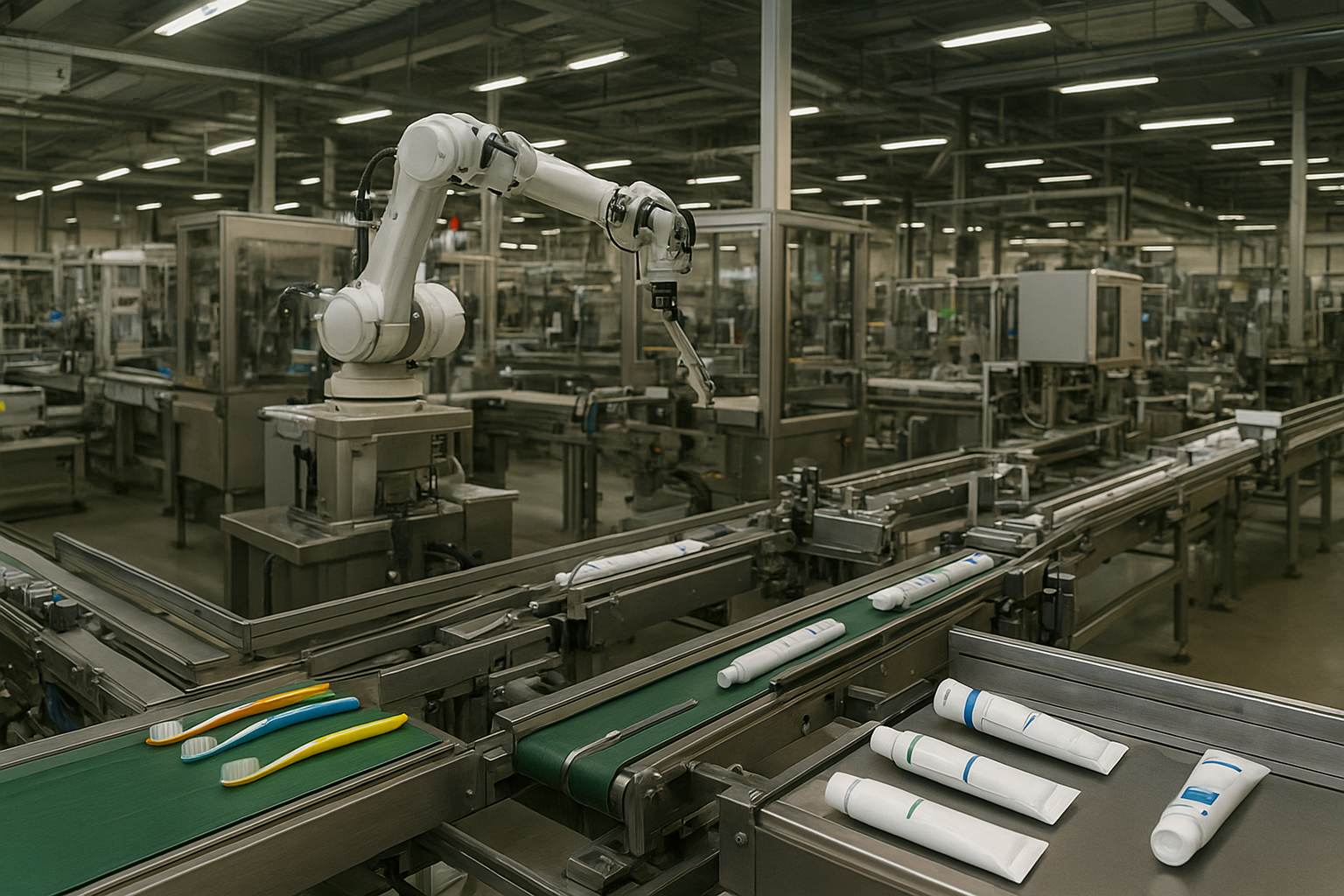
Modern manufacturing technology plays a crucial role in achieving flexible capacity. Automated machinery, modular assembly lines, and real-time tracking systems give factories the flexibility they need. These technologies allow them to switch between small and large orders with minimal downtime. For example:
- Automated filling machines in toothpaste production can adjust volumes for both small pilot runs and bulk production.
- Robotic assembly lines for toothbrushes enable quick reconfiguration for different product types.
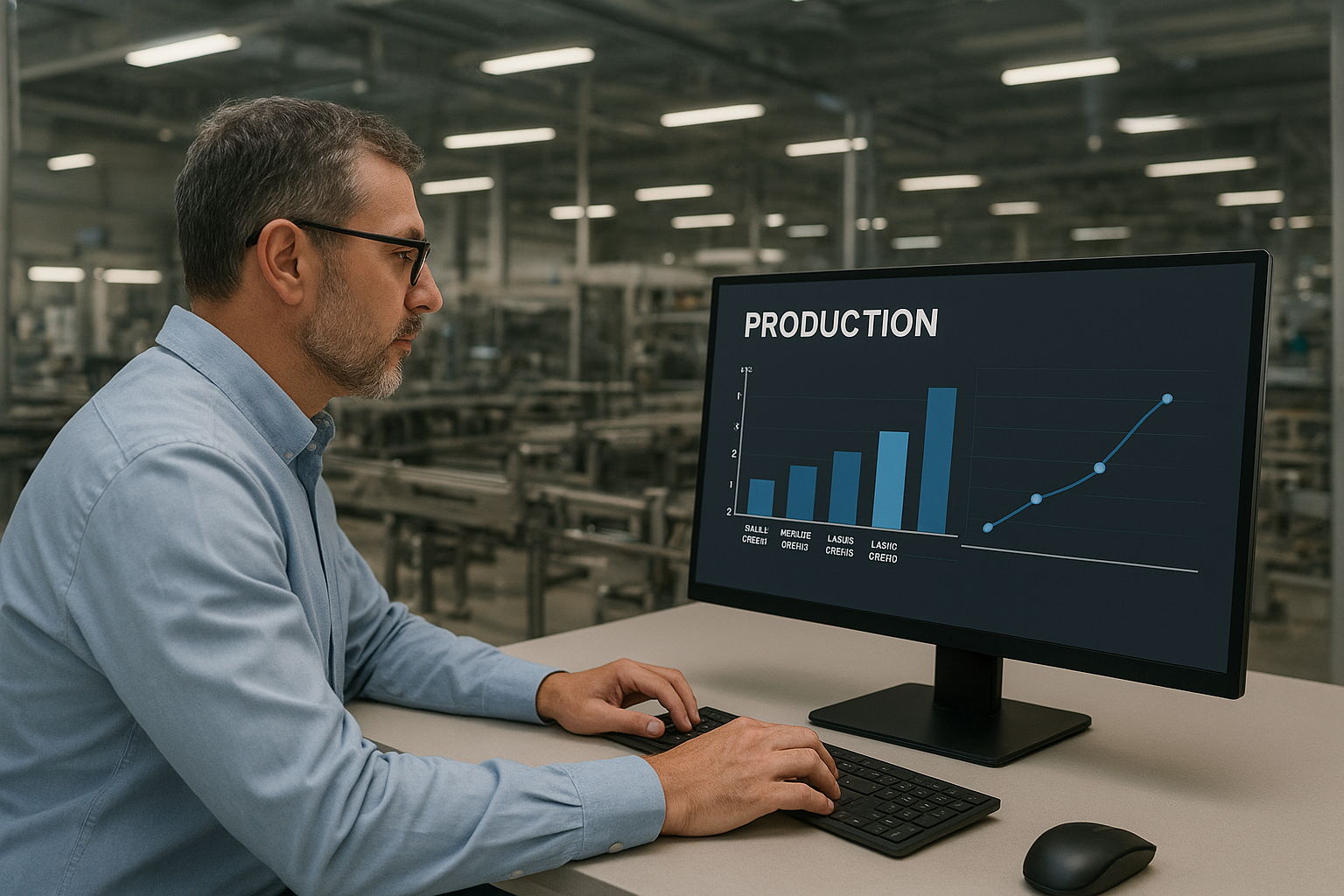
- Data analytics track order trends and predict production needs, ensuring timely adjustments.
This integration helps businesses respond quickly to market changes. It also ensures consistent quality, which is essential for successful OEM orders.
Choosing the Right Manufacturer
Selecting a manufacturing partner capable of flexible capacity is essential. Key factors to consider include:
- Proven track record in scaling small orders to mass production.
- Experience with OEM customization and meeting specific client requirements.
- Advanced production technology that supports rapid reconfiguration.
- Transparent communication and clear lead times for both small and large orders.
A reliable partner offers more than just operational flexibility. It also helps brands handle market uncertainties, launch new products with confidence, and scale their business efficiently. Explore OralGos OEM services to see how flexible capacity works in real business cases. It shows how companies move smoothly from pilot orders to large-scale production.
Flexible Capacity Beyond Production
While often discussed in the context of manufacturing, flexible capacity also benefits other business areas:
- Supply Chain Management: Optimizes procurement based on real-time demand.
- Logistics Planning: Reduces storage costs and ensures timely deliveries.
- Product Development: Enables rapid prototyping and market testing.
These advantages make flexible capacity a strategic asset, allowing businesses to remain agile in competitive markets.
Conclusion
In summary, flexible capacity transforms the way businesses manage production. By accommodating small MOQ orders, efficiently scaling OEM orders, and integrating modern technology, manufacturers can provide unmatched operational agility. For oral care brands, this means having the flexibility to test new products and respond quickly to customer demand. It also allows them to expand smoothly from pilot runs to full-scale production.
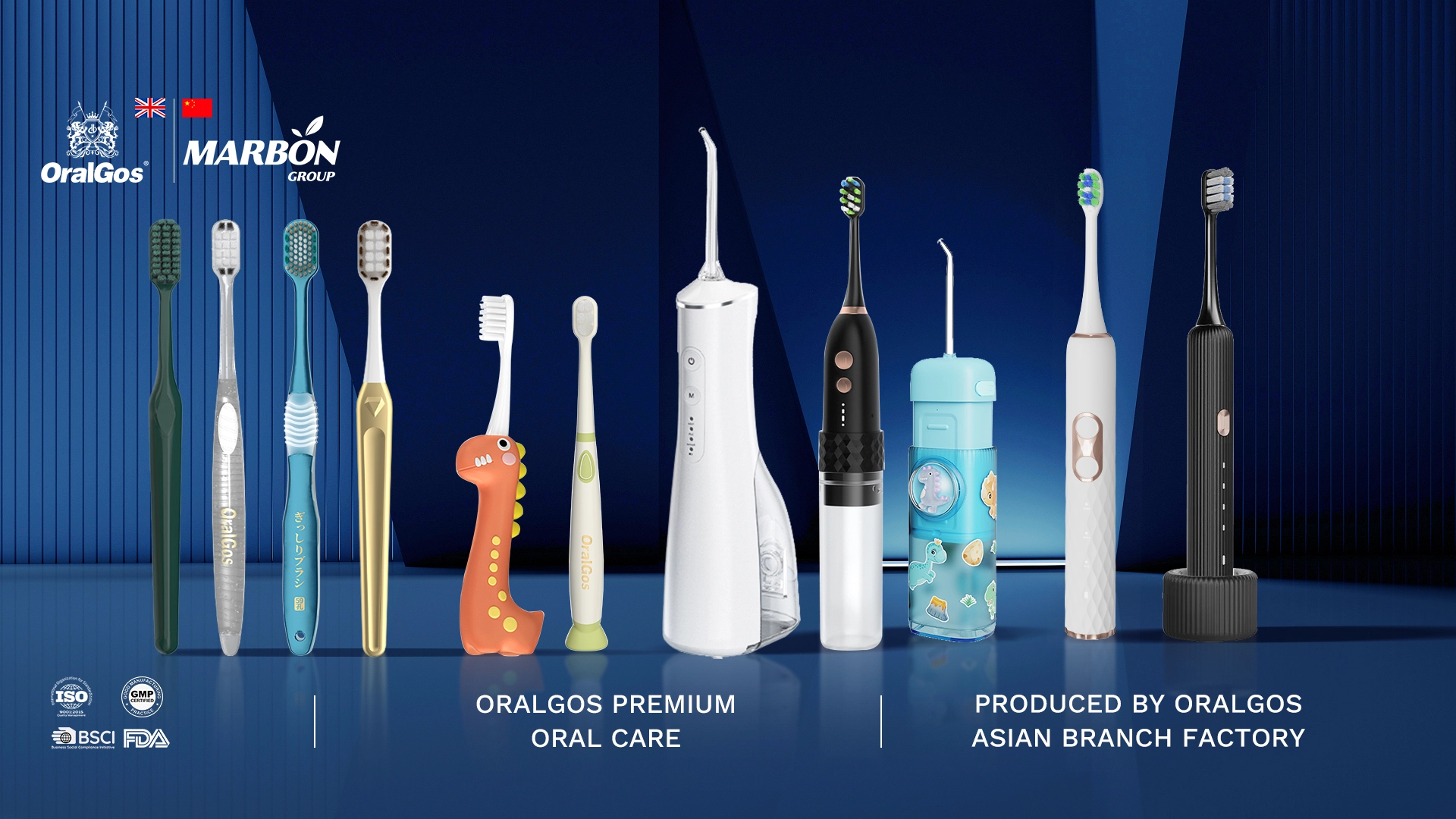
Working with a flexible manufacturing partner helps your brand grow sustainably, cut inventory risks, and keep product quality high. Try categories like manual toothbrushes, U-shaped electric toothbrushes, toothpaste, and water flossers to experience flexible manufacturing in action.
By adopting flexible capacity, companies can smoothly move from small orders to large-scale production. This approach helps them manage growth effectively while keeping it profitable.