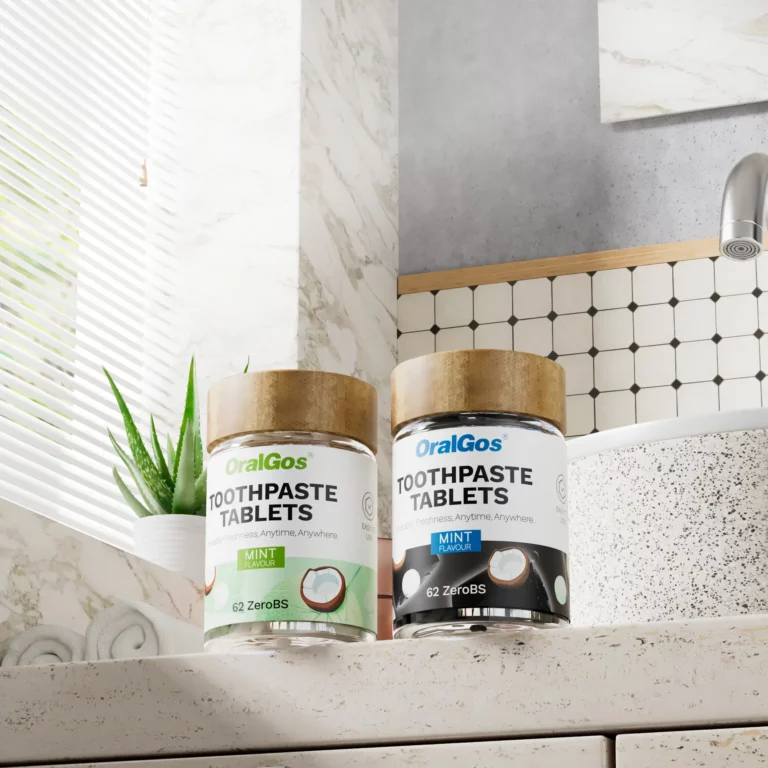
In global retail sourcing, product quality and compliance are more than nice-to-haves—they are business essentials. For retail buyers, CE certification and ISO factory qualifications act as powerful guarantees of safety, reliability, and accountability.
When you choose a supplier, these certifications are important. They help define your brand’s credibility. They also protect your company from risks in quality, legal issues, and consumer trust.
Understanding CE Certification and ISO Factory Standards
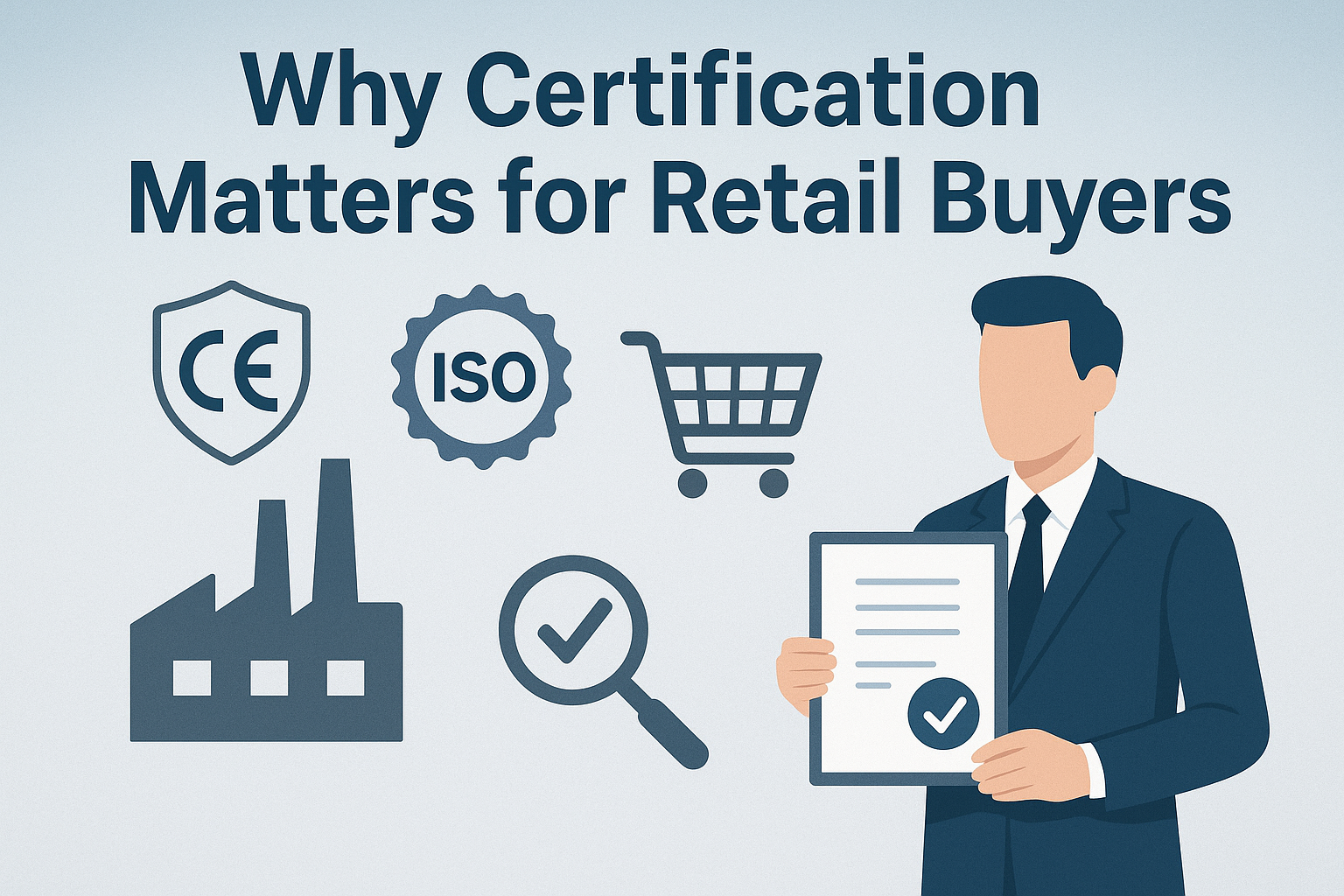
CE certification ensures that a product complies with European health, safety, and environmental protection standards. Many products sold in the European Economic Area (EEA) must meet legal requirements. This includes items like electronics and oral care devices.
An ISO factory follows international management systems. These include ISO 9001 for quality management and ISO 22716 for cosmetic GMP. These standards establish a framework for continuous quality improvement, consistent production, and traceable processes.
Together, CE certification and ISO factory compliance form the foundation of responsible manufacturing. They assure retail buyers that a supplier meets local rules and follows global best practices.
📎 Learn more about ISO 9001 implementation and its impact on manufacturing consistency on OralGos’ ISO 9001 Certification page.
Why Retail Buyers Should Prioritize CE-Certified and ISO-Approved Suppliers
When buying products from other countries, it’s important to check for compliance. This is especially true for personal care items, cosmetics, and home appliances. Retail buyers should also consider sustainability. Here’s why certification makes all the difference:
1. Reducing Compliance Risks
Working with CE-certified and ISO factory–approved suppliers minimizes the risk of importing non-compliant goods. This protects your retail brand from fines, recalls, and reputational damage. Certification documents show that the manufacturer has met regulatory standards. This saves your team time and money on audits.
2. Ensuring Product Consistency
An ISO factory implements strict quality management protocols, ensuring every batch meets the same specifications. This consistency is important for big retail chains and private-label brands. They depend on uniform product performance and accurate packaging.
3. Building Consumer Trust
Consumers today are more conscious of safety and ethics. When your packaging highlights CE certification and ISO compliance, it signals transparency and responsibility. This reassurance can influence buying decisions and strengthen brand loyalty across retail channels.
From Factory Floor to Store Shelf: How Certification Protects Your Brand
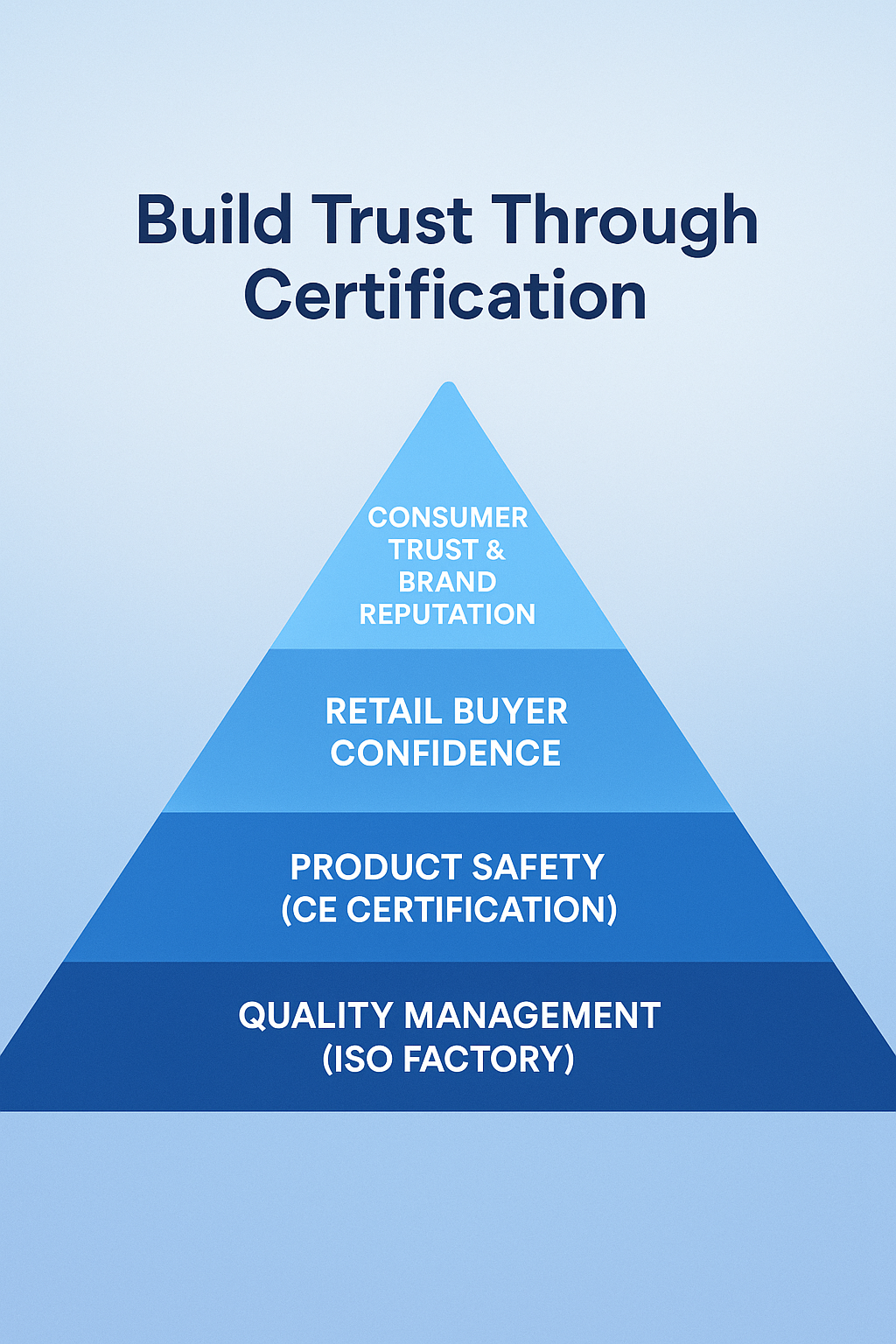
The certification process touches every stage of production. In an ISO factory, the team carefully finds raw materials.
They document each step of production. They also check finished goods regularly. CE certification adds an layer of testing for safety and durability.
Together, they help retail buyers track responsibility from the factory to the store shelf. This is a key advantage in today’s data-driven retail world.
🌐 See how a certified factory operates behind the scenes at OralGos Factory Overview.
Real-World Example: Certified Factories Drive Retail Confidence
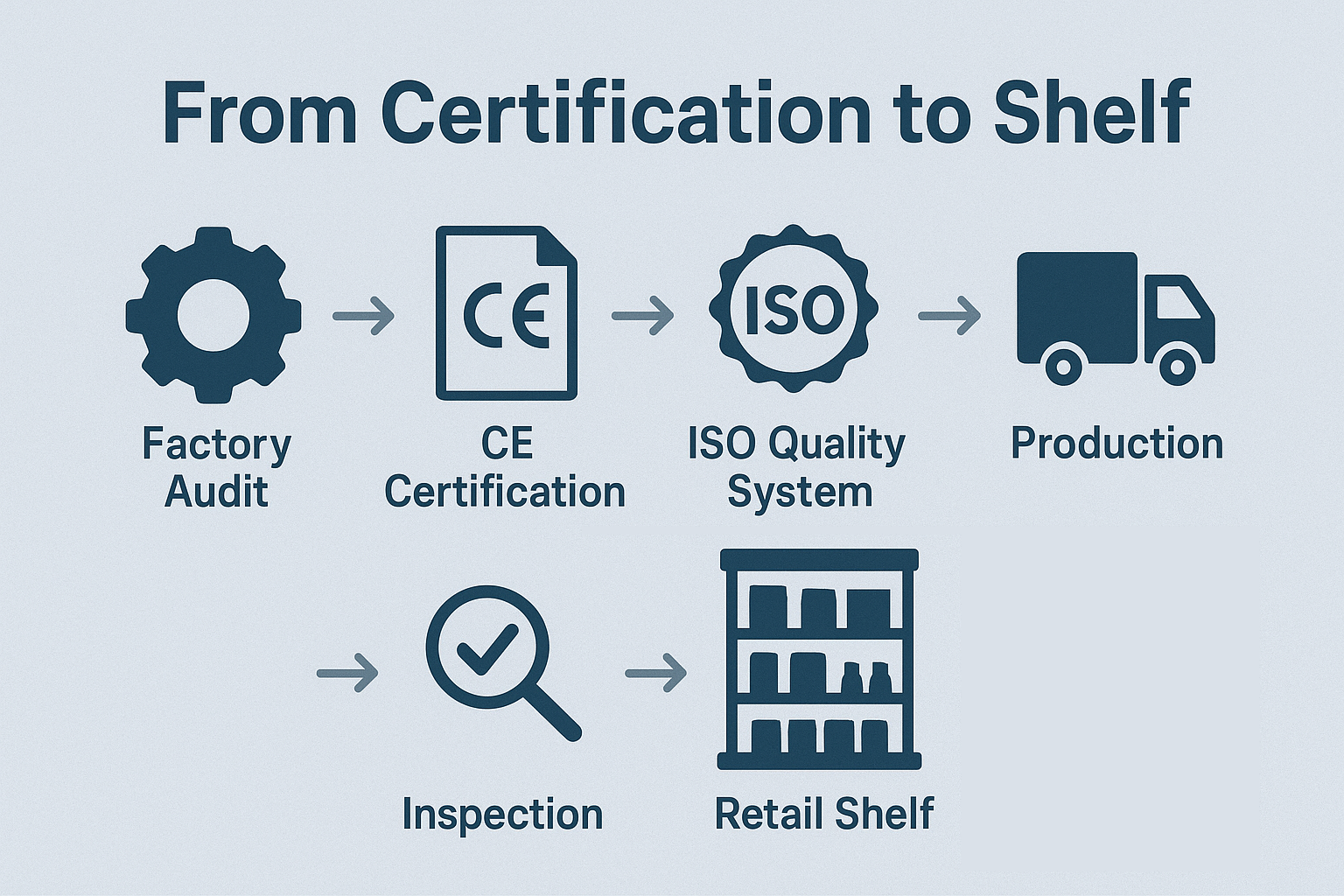
Imagine sourcing a new line of electric toothbrushes or cosmetic devices for your store. Without CE certification, products may fail market entry in Europe. Without ISO certification, production consistency can fluctuate, leading to returns or customer dissatisfaction.
Working with a CE-certified, ISO factory-audited supplier ensures that every item meets testing and documentation standards. This consistency leads to fewer defects, smoother logistics, and better customer retention. This is a clear win for your brand’s reputation and revenue.
Beyond Compliance: CE Certification as a Competitive Edge
Forward-thinking retail buyers see certifications not only as risk control tools but as strategic marketing assets. CE certification highlights product safety, while ISO certification demonstrates a supplier’s long-term commitment to process excellence.
These certifications can make onboarding easier with major retailers or distributors. Many now need proof of ISO or CE documents before listing new products. Partnering with a CE-certified, ISO factory supplier is not just about following rules. It helps your business grow.
Choosing the Right ISO Factory Partner
When evaluating potential suppliers, retail buyers should ask key questions:
- Does the factory hold valid CE certification and ISO documentation?
- Can the manufacturer provide recent audit reports?
- How often are quality control and product safety tests performed?
A transparent supplier with verifiable certifications will always outperform those relying on vague promises. The right partner will offer full traceability, quality reports, and even third-party audit data for added confidence.
Conclusion: Certification Builds Long-Term Retail Success
For retail buyers, certification is not bureaucracy—it’s a safeguard for brand integrity. CE certification and ISO factory credentials ensure that every product is safe. They also confirm that the products meet your brand’s quality standards.
By working only with verified, audited manufacturers, you can streamline procurement, reduce compliance risks, and build lasting consumer trust. In today’s global marketplace, certification isn’t optional—it’s your brand’s most valuable guarantee.