Understanding the Core Principles of Mouthwash Formulation
Modern mouthwash formulation goes far beyond simply mixing water and flavoring. It is a careful balance of chemistry, microbiology, and sensory science. Each component serves a specific function, from killing bacteria to refreshing breath or protecting enamel. For oral care manufacturers and buyers, understanding these technical layers is crucial for evaluating product quality and performance.
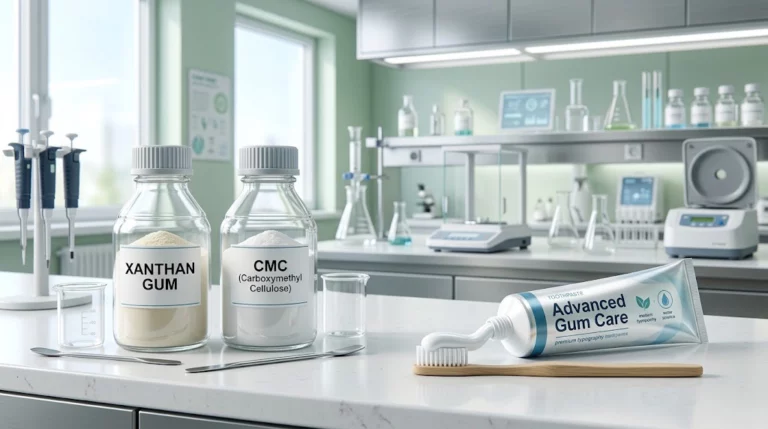
A standard formulation includes four key pillars: active ingredients, solvents, stabilizers, and sensory agents. Each interacts within a delicate chemical ecosystem. The proportion between ethanol and essential oils plays a critical role in ensuring both antimicrobial effectiveness and formulation stability over time.
That’s why many leading brands choose OEM R&D partners. These experts can customize each formulation to meet local regulations, specific product claims, and consumer preferences.
The Role of OEM R&D in Mouthwash Formulation Development
OEM R&D (Original Equipment Manufacturing Research & Development) is the backbone of modern oral care innovation. These specialized teams translate scientific findings into scalable, regulatory-compliant formulas.
In mouthwash formulation, OEM laboratories are responsible for:
- Ingredient Compatibility Testing: Ensuring actives like chlorhexidine or cetylpyridinium chloride remain stable across varying pH levels.
- Sensory Optimization: Adjusting mint oil ratios and sweeteners to achieve consumer-appealing freshness without irritation.
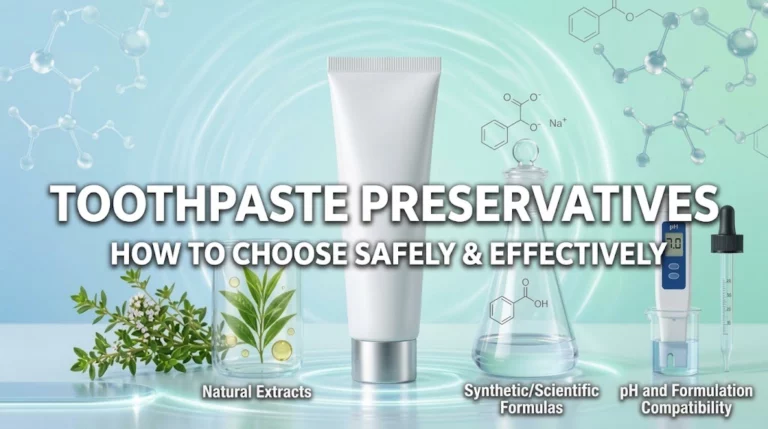
- Preservation Systems: Designing formulas that remain microbiologically safe without excessive alcohol or parabens.
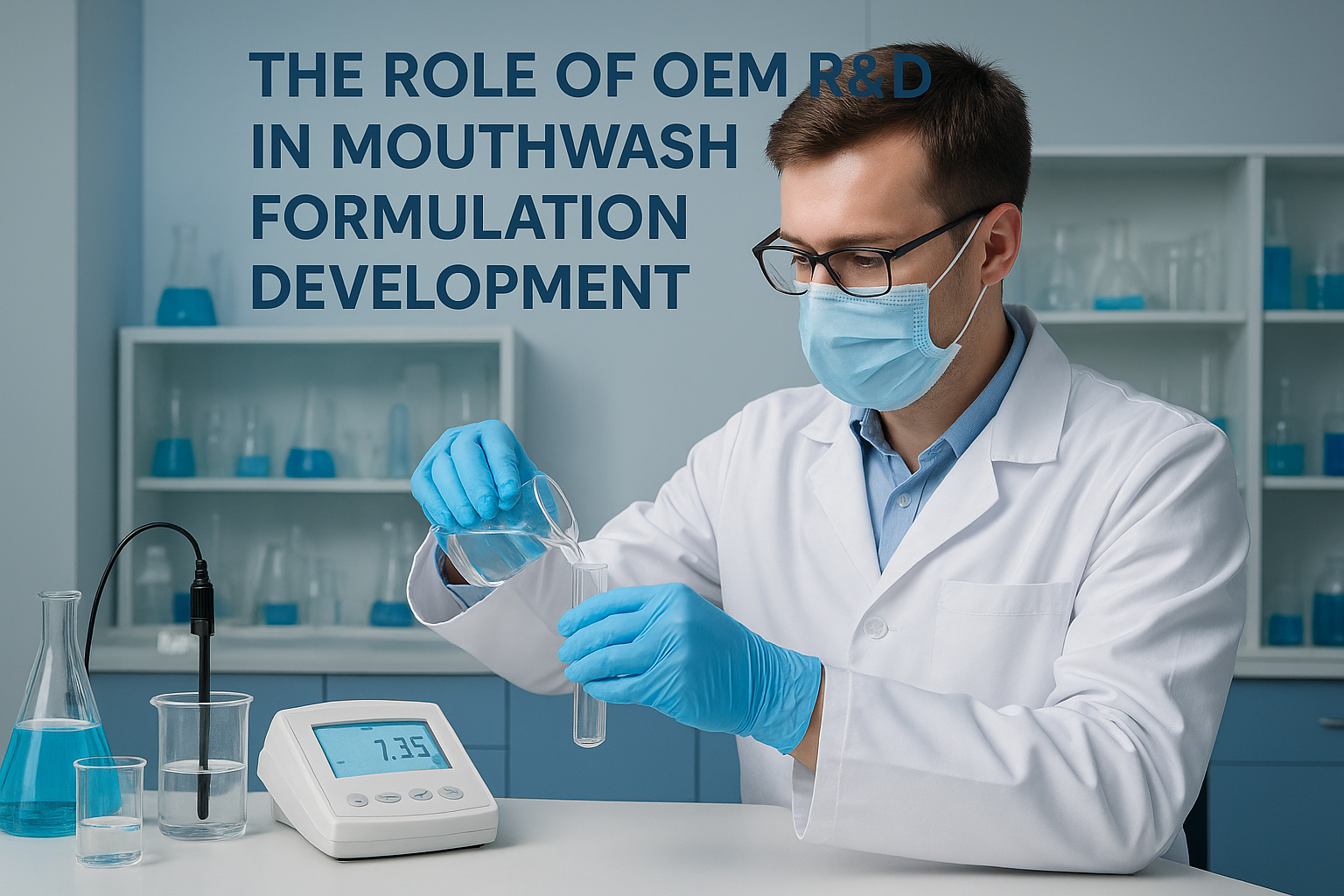
An experienced OEM R&D partner keeps every stage—from prototype to production—consistent and reliable. That consistency supports global growth for oral care brands.
For example, OralGos OEM Services integrates pH buffering, color stability analysis, and accelerated aging tests to guarantee long-term performance.
Active Ingredients That Define Effective Mouthwash Formulation
Antimicrobial Agents
The core function of any mouthwash lies in its ability to reduce bacterial load. Agents such as cetylpyridinium chloride (CPC) and chlorhexidine digluconate provide broad-spectrum antimicrobial protection. OEM R&D teams often adjust ingredient levels to meet FDA, CE, or ISO standards. They do this carefully, ensuring the product still tastes pleasant and feels comfortable to use.
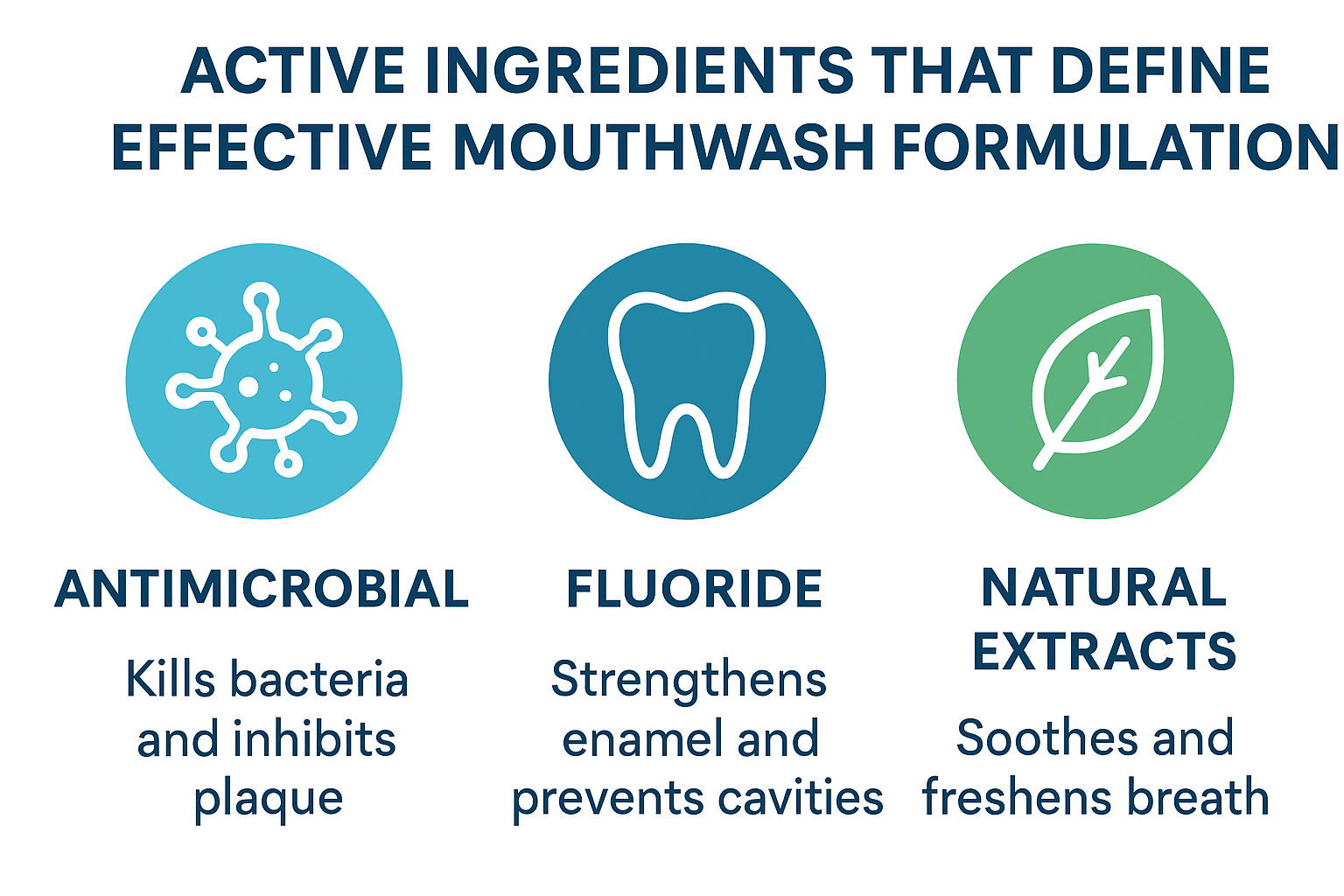
Fluoride and Enamel Protection
Fluoride remains a gold standard for remineralization. In mouthwash formulation, it helps repair micro-lesions and strengthen enamel surfaces. Choosing the right fluoride type and dosage requires precision. Expert R&D teams refine these parameters through continuous testing and evaluation.
Natural Extracts and Essential Oils
Consumer demand for clean-label oral care is rapidly increasing. To meet this trend, OEM R&D labs are exploring plant-based actives such as tea tree oil, eucalyptus, and xylitol. These ingredients not only contribute to antimicrobial effects but also enhance the natural sensory profile of the formulation.
The OEM R&D Workflow: From Concept to Commercial Product
The journey from lab concept to finished mouthwash involves several key stages:
- Market Analysis: Understanding target consumers, regulations, and price tiers.
- Formula Design: Selecting actives, solvents, and stabilizers based on desired claims (e.g., anti-plaque, whitening, alcohol-free).
- Prototype Testing: Evaluating pH, viscosity, color, and microbial resistance.
- Regulatory Documentation: Compiling safety data sheets and stability reports.
- Pilot Production: Small-scale batches to validate consistency and sensory feedback.
- Mass Manufacturing: Scaling production under GMP and ISO-certified processes.
Through this structured OEM R&D process, companies ensure that their mouthwash formulation performs effectively, safely, and consistently across markets.
Why OEM R&D Elevates Brand Credibility
In the highly competitive oral care market, OEM R&D teams are responsible for ensuring compliance. Each formulation must follow ISO 22716 Cosmetic GMP and FDA oral care safety requirements.
Technical transparency builds trust—brands that highlight collaboration with certified OEM R&D partners demonstrate professionalism and scientific credibility. This partnership not only supports regulatory compliance but also positions the brand as a technology-driven oral care innovator.
The Future of Mouthwash Formulation and OEM R&D
The next stage of mouthwash formulation focuses on biotechnology-based ingredients. These include probiotics that help restore oral microbiome balance and peptides that neutralize sulfur compounds responsible for bad breath.
OEM R&D teams are already experimenting with smart formulations—products that adapt pH or release active molecules over time.
Sustainability also plays a major role: replacing alcohol-based systems with biodegradable solvents and eco-certified surfactants is becoming the new industry standard.
Consumer awareness of oral health and product safety is steadily increasing. Brands that invest in advanced R&D partnerships are the ones driving the shift toward cleaner, safer, and smarter oral care.