When choosing between an electric and a manual toothbrush, there’s no one-size-fits-all answer. The right choice depends on your users’ habits, oral conditions, and overall hygiene goals. Studies comparing electric vs manual toothbrush show that electric models remove more plaque and ensure more consistent cleaning results. For wholesale buyers, this makes them a smarter choice for efficient and innovative oral-care solutions.
We can compare the two options across several key aspects. These include cleaning power, user experience, cost-effectiveness, and suitability for different oral conditions.
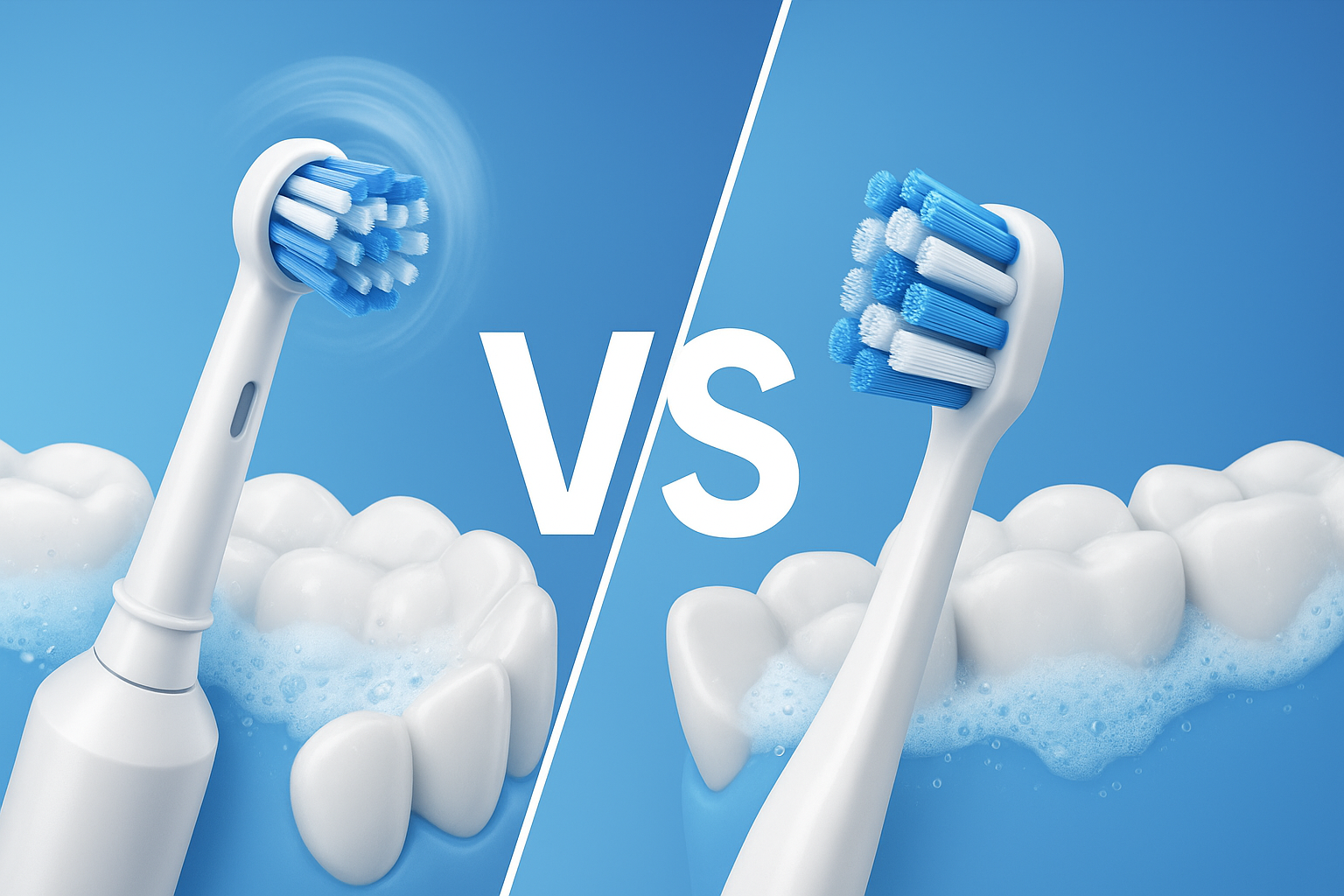
1. Cleaning Efficiency: Electric Toothbrush vs Manual Toothbrush Results
Multiple studies — including a Cochrane review — show that both oscillating-rotating and sonic electric toothbrushes outperform manual ones. They remove more plaque and reduce gingivitis more effectively, especially in studies lasting 1 to 3 months.
Electric toothbrush advantages:
- Delivers consistent motion at thousands of strokes per minute.
- Cleans hard-to-reach areas like molars and gumlines with greater precision.
- Ideal for people wearing orthodontic braces, implants, or dental restorations.
Manual toothbrush:
A manual toothbrush can deliver excellent cleaning results when used properly. The key is to apply techniques like the Modified Bass method and brush for at least two minutes. However, most users fail to maintain consistent technique or brushing duration.
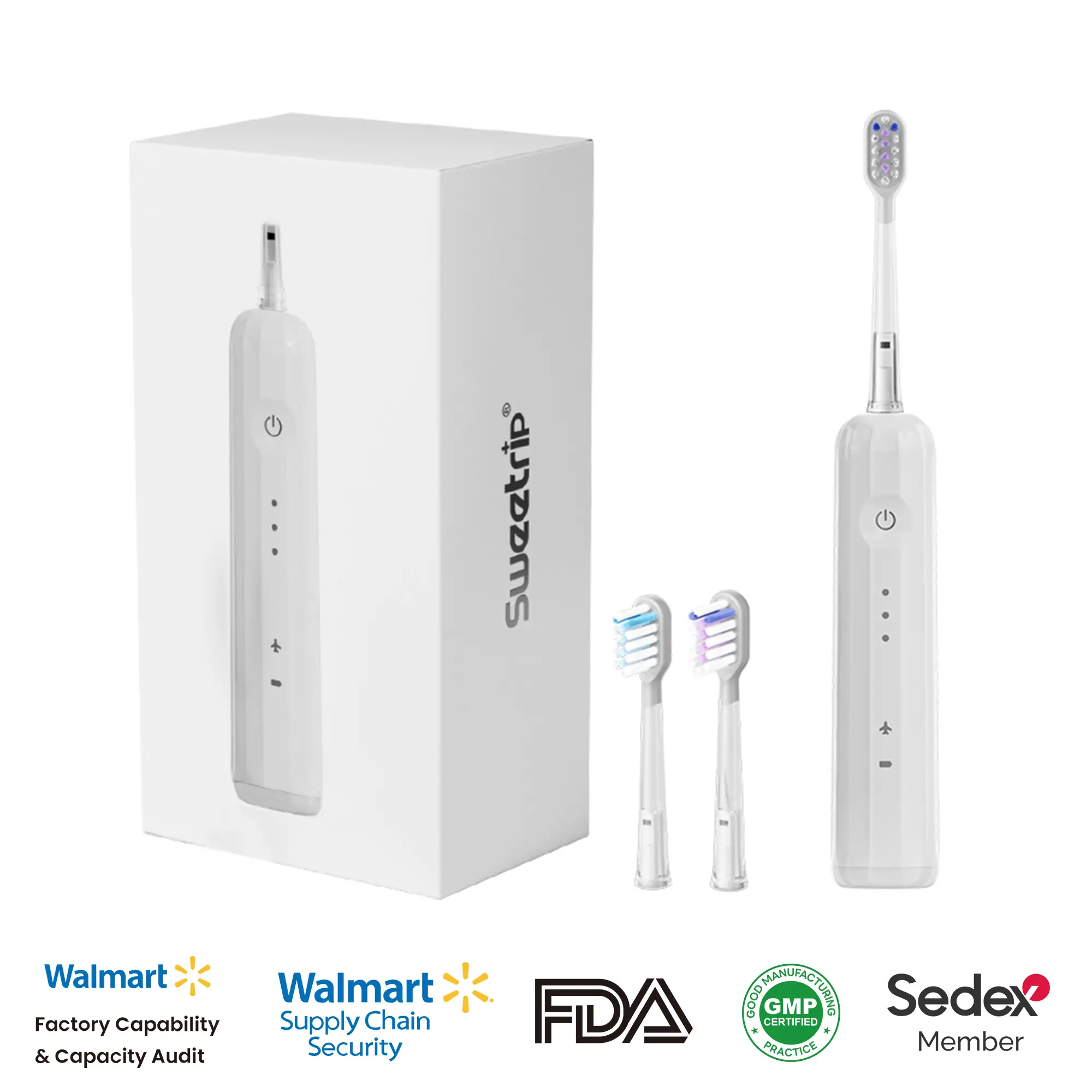
👉 For buyers or distributors evaluating wholesale options, view OralGos’ electric toothbrush collection for proven models designed for professional cleaning efficiency.

2. User Experience: Comparing Electric and Manual Toothbrush Performance
Electric toothbrushes are user-friendly and require minimal effort. Built-in timers help users brush for the recommended two minutes. In addition, pressure sensors prevent overbrushing and protect the gums—advantages that manual toothbrushes don’t offer.
Who are the primary beneficiaries of these toothbrush designs?
- Children or elderly users
- Individuals with limited hand dexterity (arthritis, Parkinson’s, etc.)
- Consumers who prefer “smart” brushing feedback
Manual toothbrushes, on the other hand, depend entirely on the user’s skill and consistency. Overbrushing or skipping areas is common, which may lead to uneven plaque removal.
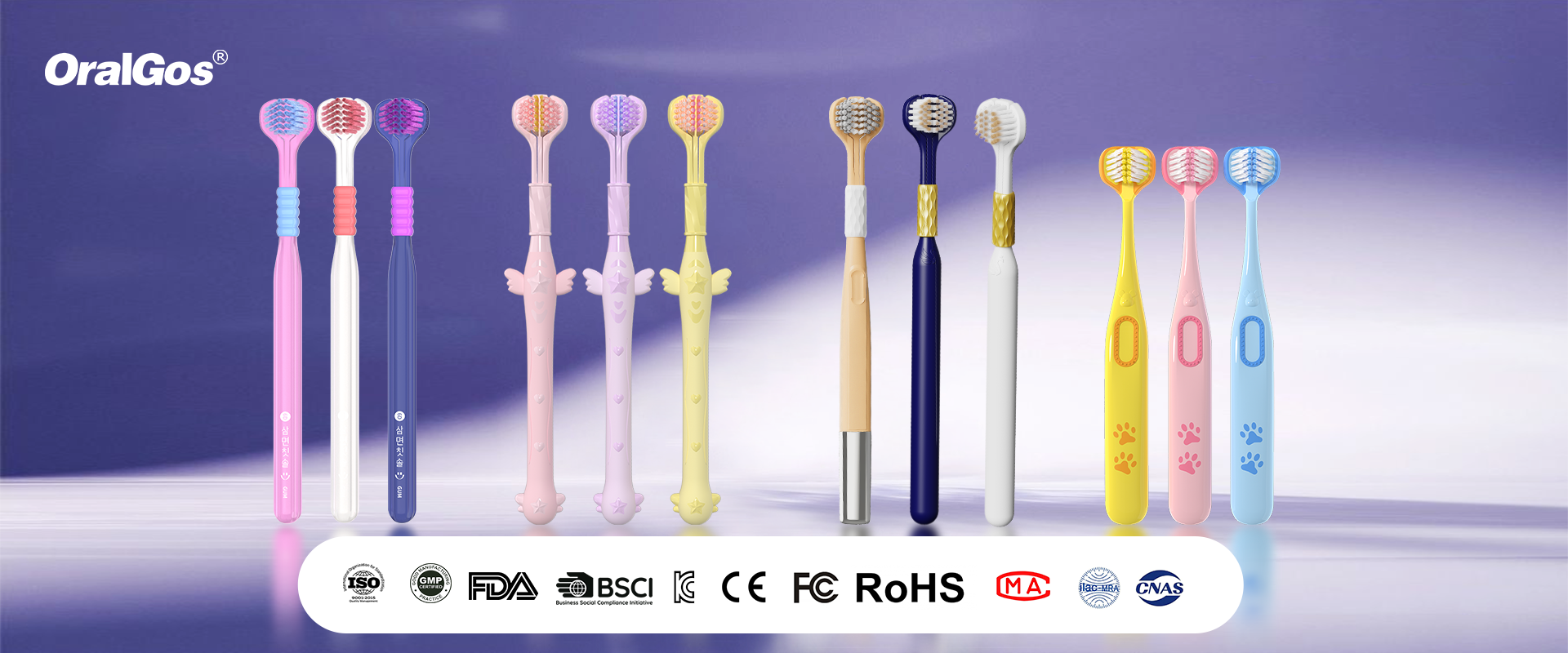
💡 For users who enjoy a more traditional approach, explore OralGos’ manual toothbrush range, featuring soft bristles and ergonomic handles.
3. Cost-Effectiveness in Electric vs Manual Toothbrush Choices
At first glance, manual toothbrushes seem more economical—they’re affordable and widely available. Yet, the long-term savings of electric toothbrushes can outweigh their higher upfront cost.
Electric toothbrush (wholesale perspective):
- Higher initial investment but long product life
- Replaceable brush heads (every 3 months)
- Greater perceived value for customers, supporting premium retail pricing
- Potential to reduce dental care costs for end-users by preventing plaque buildup
Manual toothbrush:
- Lowest cost per unit
- Ideal for hotels, travel kits, and bulk distribution
- Limited perceived innovation for mid-to-high-end markets
From a wholesale perspective, providing both product lines helps cover a wider market. Electric toothbrushes appeal to premium segments, while manual options attract cost-sensitive buyers.
4. Oral Conditions and Suitable Users for Electric and Manual Toothbrushes
| Condition | Recommended Type | Reason |
|---|---|---|
| Orthodontic braces | Electric toothbrush | Cleans brackets effectively |
| Gum sensitivity | Electric (soft mode) or manual soft bristles | Gentle cleaning |
| Hand mobility issues | Electric toothbrush | Easier handling |
| Tight budget | Manual toothbrush | Affordable and effective if used correctly |
Users with conditions like receding gums, sensitivity, or dental restorations should seek professional advice first. Consulting a dentist is essential before switching to a new type of toothbrush.
5. Sustainability and Maintenance in Electric vs Manual Toothbrush Use
Modern electric toothbrushes are becoming more eco-conscious, featuring rechargeable batteries and recyclable heads. Meanwhile, manual toothbrushes are now available with biodegradable handles and natural bristles.
Both types require replacement every 3 months or when bristles fray—a crucial habit for maintaining optimal oral hygiene.
FAQ: Electric vs Manual Toothbrush (Wholesale Buyers’ Edition)
Q1: Which type of toothbrush is more suitable for professional distribution—electric or manual?
A: Electric toothbrushes attract higher-margin customers seeking innovation and technology, while manual toothbrushes remain essential for bulk or entry-level segments. Offering both supports a balanced wholesale portfolio.
Q2: What is the recommended replacement frequency for toothbrush heads?
A: Experts generally recommend replacement every three months. Worn bristles lose cleaning power and can harbor bacteria.
Q3: Are electric toothbrushes safe for sensitive gums?
A: Yes. Most modern electric toothbrushes include sensitive or soft modes that deliver gentle yet effective cleaning.
Q4: What’s the best combination for full oral hygiene?
A: Regardless of brush type, users should floss daily and visit a dentist twice a year for scaling and check-ups.
Conclusion: The Smarter Choice Depends on You
Both electric and manual toothbrushes can effectively maintain oral hygiene—the difference lies in technique, consistency, and user preference.
Electric toothbrushes provide superior plaque removal compared with manual ones. They also offer greater convenience for daily use. With features like timers and pressure sensors, they fit perfectly into modern lifestyles and premium wholesale strategies.
Manual toothbrushes provide simplicity, affordability, and reliability for mass markets.
For brands, distributors, and bulk buyers, offering both types in the product catalog provides full market coverage. This approach meets the needs of value-conscious customers as well as consumers looking for advanced oral-care technology.