Maintaining a healthy smile requires more than just a quick surface scrub once or twice a day. Modern dental tech makes it easy to upgrade your oral hygiene. Two of the most effective tools available today are electric toothbrushes and cordless water flossers. When building an effective oral hygiene regimen, many people find themselves evaluating the debate: electric toothbrush vs water flosser.
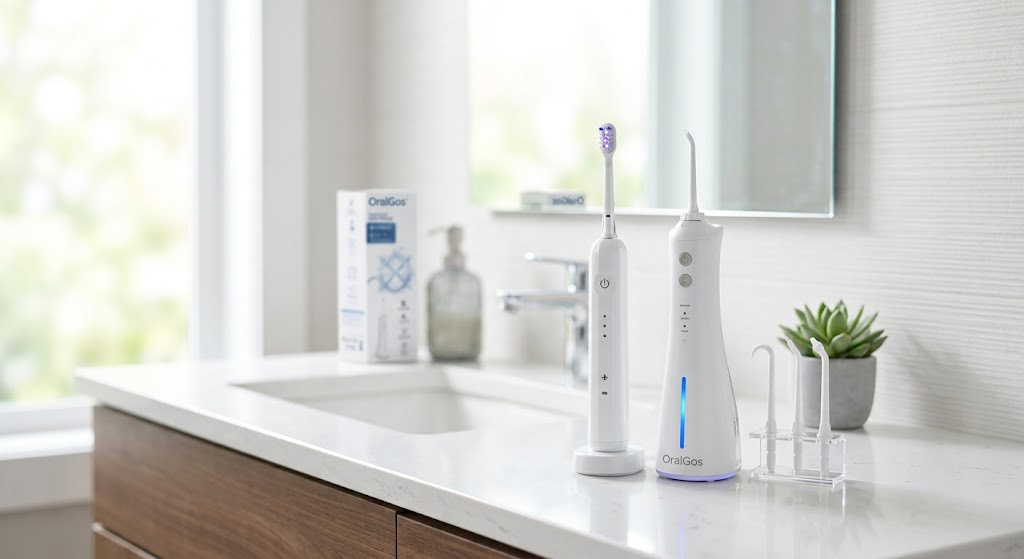
Are these two devices competitors, or do they serve complementary roles? More importantly, do water flossers replace brushing altogether, or should you integrate both into your daily routine? Let’s examine how each device functions, compare their core benefits, and explain why combining them can elevate your dental hygiene.
Understanding Electric Toothbrush vs. Water Flosser Technology
To understand how these tools fit into your daily routine, it helps to look at the unique job each one performs. While both aim to eliminate harmful oral bacteria and food particles, they operate on completely different principles.
How an Electric Toothbrush Cleans Teeth
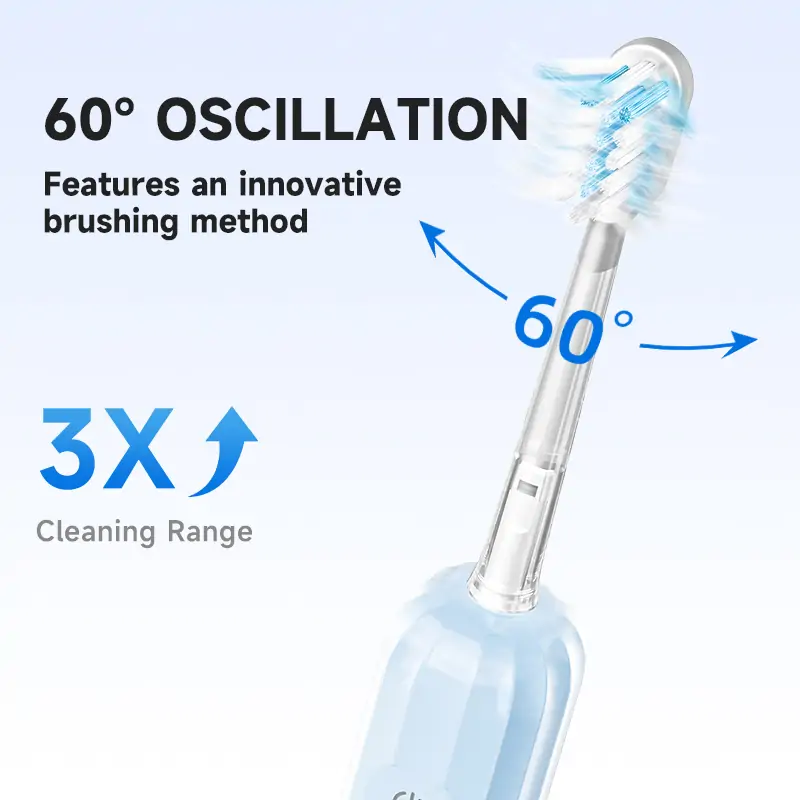
An electric toothbrush utilizes rapid mechanical movements—such as sonic vibrations or oscillating-rotating brush heads—to scrub the outer, inner, and chewing surfaces of your teeth. The physical friction of micro-bristles breaks down sticky biofilm (plaque) that builds up throughout the day. By automating the brushing technique, an electric toothbrush helps ensure a thorough clean while reducing manual effort and minimizing pressure on your enamel.
How a Water Flosser Removes Plaque
A water flosser uses a targeted stream of pressurized, pulsating water to flush out food remnants and plaque from between teeth and beneath the gumline. Rather than scrubbing flat enamel surfaces, the liquid stream penetrates narrow interdental spaces and deep periodontal pockets where traditional bristles cannot reach.
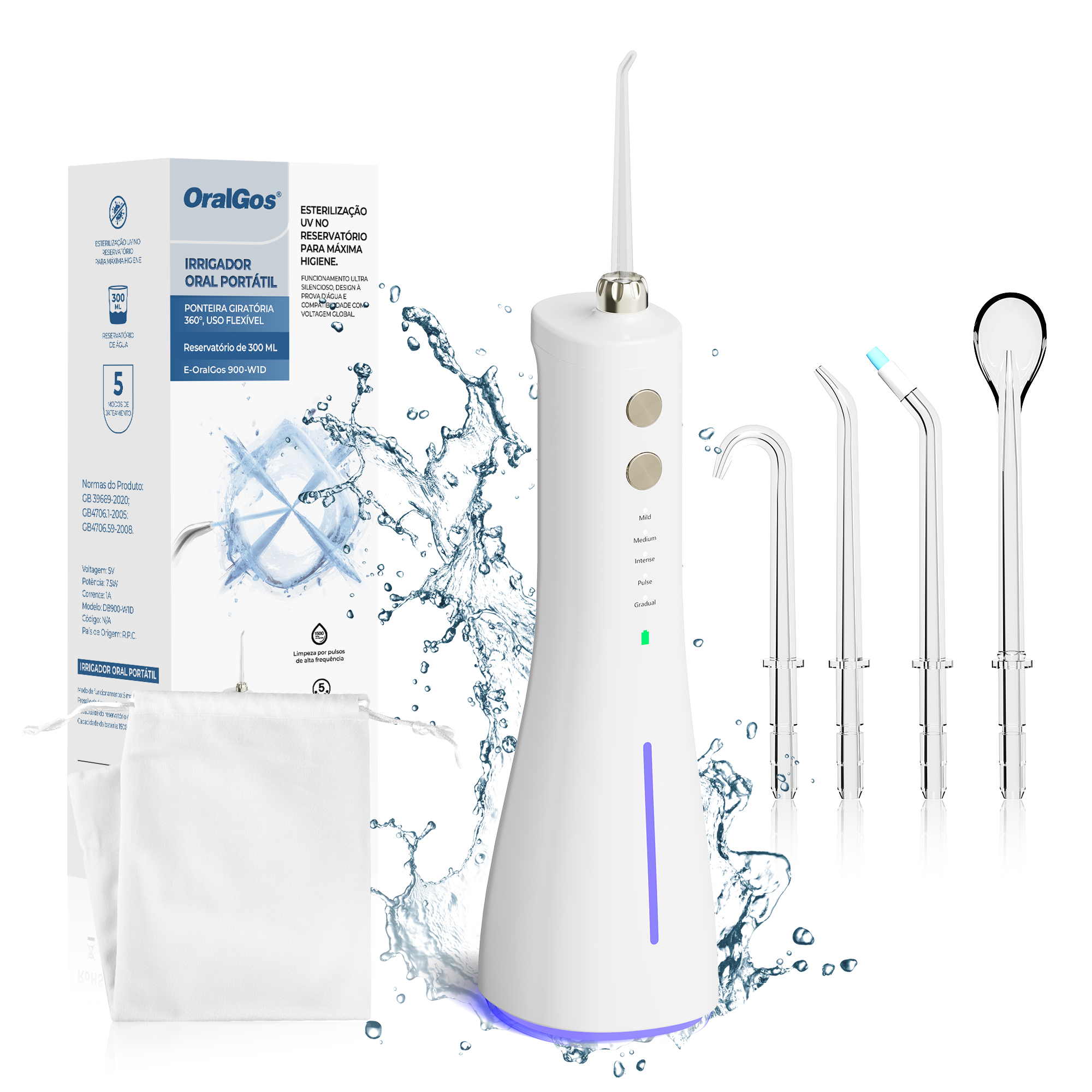
Do Water Flossers Replace Brushing with an Electric Toothbrush?
A common question among consumers upgrading their oral care routine is: do water flossers replace brushing? The short answer is no. Water flossers do not replace brushing, nor were they designed to do so.
Brushing and flossing target two entirely distinct areas of your mouth:
- Surface Cleaning vs. Interdental Cleaning: Brushing cleans approximately 60% of your tooth surfaces—specifically the broad front, back, and biting surfaces. Water flossing cleans the remaining 40% found in narrow interdental spaces.
- Biofilm Removal: Plaque forms a sticky bacterial film on enamel. Removing this film requires physical friction, which nylon bristles provide. While a water flosser uses fluid dynamics to disrupt unattached debris and bacteria, it lacks the tactile abrasive action necessary to scrub away hard-to-reach sticky plaque across the flat faces of your teeth.
- Fluoride Delivery: Brushing with fluoride toothpaste coats enamel, aiding in remineralization and preventing cavities. Water flossers generally use plain warm water or dilute mouthwash, meaning they do not deliver protective fluoride to tooth enamel.
According to guidelines from the American Dental Association, optimal home oral care requires both brushing twice a day for two minutes and cleaning between your teeth daily using string floss or an interdental tool like a water flosser.
Key Benefits in the Electric Toothbrush vs. Water Flosser Comparison
When comparing an electric toothbrush vs water flosser, recognizing their individual strengths helps clarify why each tool plays an important part in long-term oral health.
| Feature / Benefit | Electric Toothbrush | Water Flosser |
| Primary Target | Tooth surfaces & enamel exposure | Interdental gaps & subgingival gumlines |
| Plaque Removal Mechanism | Mechanical bristle friction | Pressurized hydraulic pulsation |
| Gums & Sensitivity | Polishes teeth; protects enamel | Massages gums; reduces bleeding & inflammation |
| Orthodontic Compatibility | Cleans around brackets | Flushes debris around wires, bridges, & implants |
| Fluoride Application | Direct application via toothpaste | Does not apply toothpaste |
Advantages of Using an Electric Toothbrush
- Superior Surface Plaque Removal: Sonic and oscillating electric toothbrushes remove significantly more surface plaque than manual brushes.
- Built-in Timers: Most modern models feature two-minute quadrant timers to ensure equal attention to every area of your mouth.
- Consistent Technique: Electric handles deliver consistent speed and motion, taking the guesswork out of effective brushing.
Advantages of Using a Water Flosser
- Gentle on Sensitive Gums: The hydro-pulse technology gently massages gum tissue, boosting circulation and reducing gingival inflammation without harsh scraping.
- Ideal for Dental Work: If you have braces, dental implants, crowns, or permanent bridges, a water flosser easily navigates complex hardware that shreds traditional string floss.
- Ease of Use: For individuals with manual dexterity challenges or arthritis, maneuvering a water flosser tip is often far simpler than handling traditional floss string.
Key Takeaway: Electric Toothbrush vs. Water Flosser
While both tools contribute to oral hygiene, neither can fully duplicate the function of the other:
- The electric toothbrush is your primary defensive shield against surface plaque, enamel stains, and decay across exposed tooth areas.
- The water flosser serves as a specialized interdental cleaner, clearing hidden food particles and supporting healthy gum margins.
Electric Toothbrush and Water Flosser: Why You Might Need Both
If you want comprehensive protection against cavities, bad breath, and gum disease, relying on just one device leaves gaps in your defense. Combining an electric toothbrush with a water flosser creates a complete oral hygiene system that cleans both the flat surfaces and tight crevices of your teeth.
Using a water flosser first loosens stubborn food debris and disrupts interdental bacterial colonies. Following up with an electric toothbrush then scrubs away surface plaque and coats every corner of your teeth in protective fluoride.
Convenience Solutions: Combining Water Flossers and Electric Toothbrushes
If counter space or busy mornings make managing two separate electrical devices inconvenient, modern designs offer integrated solutions. You can opt for a versatile water flosser and electric toothbrush 2-in-1 combo, which unites pressurized water flossing and high-frequency sonic toothbrushing into a single sleek unit.

Conclusion
When evaluating an electric toothbrush vs water flosser, it is clear that these two devices are designed to work together rather than replace one another. An electric toothbrush delivers essential mechanical scrubbing to clear enamel surface plaque, while a water flosser delivers hydraulic power to flush out hidden debris between teeth and along the gumline.
By incorporating both devices into your daily morning and night routines, you ensure every surface of your teeth and gums receives thorough care—keeping your smile bright, clean, and healthy for years to come.