Maintaining optimal oral hygiene requires more than just brushing twice a day. The tools you choose play a crucial role in safeguarding your teeth and soft tissues. While key features like ergonomic handles and soft filaments often receive attention, microscopic details dictate long-term oral health. Specifically, the quality of end-rounded toothbrush bristles makes the difference between gentle plaque removal and irreversible tissue damage.
Understanding how bristle geometry impacts your oral cavity helps you choose safer, more effective tools for your daily routine.
Understanding Microscopic End Rounded Toothbrush Bristle Geometry
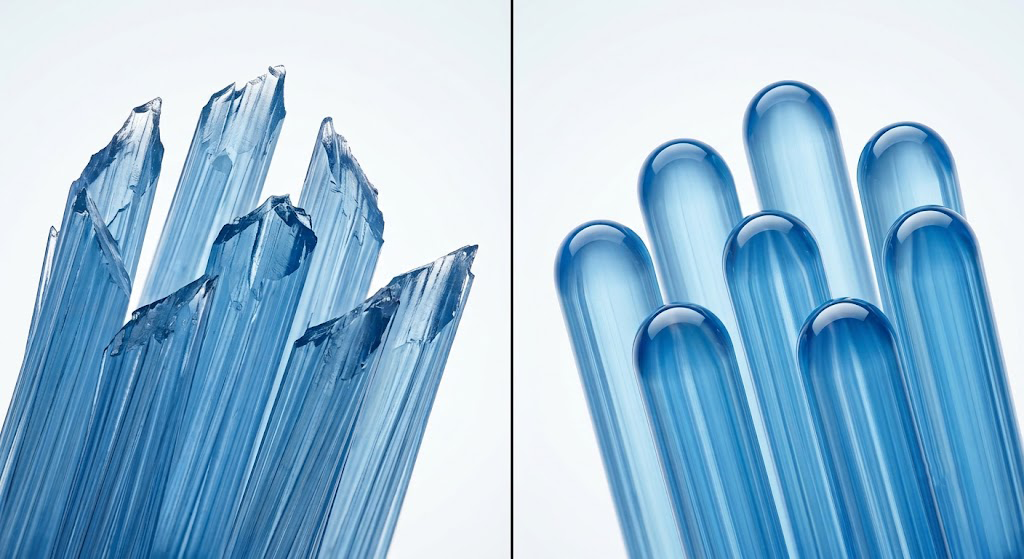
When toothbrush filaments are cut during manufacturing, the process leaves sharp, jagged edges at the tips. Without post-cutting processing, these microscopic edges act like tiny blades scraping across your enamel and soft tissue thousands of times per week.
[Sharp, Cut Bristle Ends]        VS.        [End-Rounded Bristle Ends]
        ||||                                         (  )  (  )  (  )
       /    \                                        |  |  |  |  |  |
      |======|                                       |==|==|==|==|==|
   (Sharp Edges)                                  (Smooth Surfaces)
To prevent mechanical abrasion, high-quality manufacturers use advanced diamond-grit polishing machinery. This process sands down rough edges to create smooth, hemispherical domes.
- Sharp/Cut Bristles: Produce micro-lacerations along delicate tissue margins, creating pathways for bacteria.
- End-Rounded Bristles: Glide smoothly over tissue surfaces without tearing delicate oral mucosa or scraping enamel.
By choosing toothbrushes with properly finished tips, you eliminate invisible trauma during every brushing session.
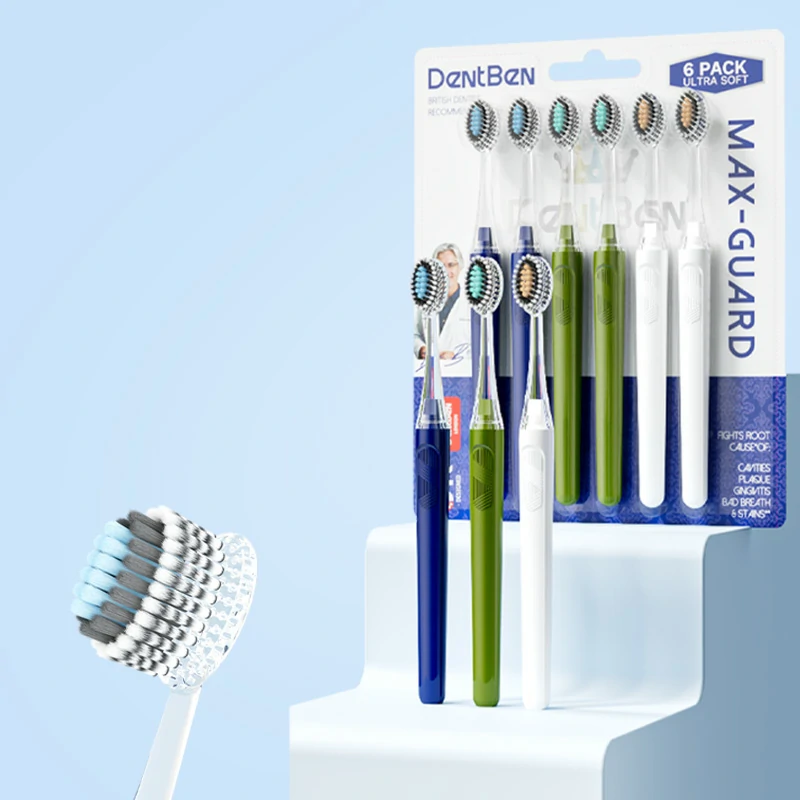
How End Rounded Toothbrush Bristles Protect Delicate Gums
Gum tissue is remarkably delicate. Unlike epidermal skin, gingival tissue lacks a thick outer layer of keratinized cells, making it particularly vulnerable to mechanical stress.
When you brush with non-rounded or worn-out bristles, the sharp edges cause localized micro-trauma. Over time, the body responds to this chronic irritation through tissue degradation and gingival recession. Once gums pull back, sensitive root dentin becomes exposed, leading to hypersensitivity, root decay, and eventual tooth loss.
Using end rounded toothbrush bristles creates a gentle contact surface that redistributes manual pressure evenly across the gingival line. This even force distribution allows filaments to sweep away plaque biofilms effectively while preserving the integrity of the gingival attachment.
Mechanical Abrasion vs. Rounded Toothbrush Filaments
The risk of dental damage from unrounded bristles is a well-documented issue in preventative dentistry. Leading health organizations, including the American Dental Association, consistently emphasize the importance of using soft, end-rounded filaments to protect soft tissues and prevent enamel wear.
Severe mechanical wear from improper bristle quality can cause several distinct issues:
- Gingival Recession: Permanent loss of tissue around the base of the teeth.
- Cervical Enamel Wear: Deep notches carved near the gum line over time.
- Dentin Hypersensitivity: Pain caused by hot, cold, or sweet stimuli hitting exposed root surfaces.
When sharp bristles strip away protective enamel layers, dentin tubules become exposed, making teeth significantly more sensitive and vulnerable to decay.
Combining End Rounded Toothbrush Bristles with Proper Technique
While microscopic tip quality provides essential protection, it works hand in hand with proper technique. Even properly rounded bristles can cause irritation if paired with excessive pressure or hard-bristled options.
Best Practices for Brushing with End Rounded Toothbrush Bristles
- Select Soft Filaments: Soft, end-rounded filaments offer optimal flexibility, bending under excess pressure to protect tissues.
- Use the Modified Bass Technique: Angle your brush at 45 degrees toward the gum line and move it gently in short, circular strokes.
- Replace Regularly: Replace your brush every 3 months. Over time, filaments warp and lose their smooth shape, exposing rough edges.
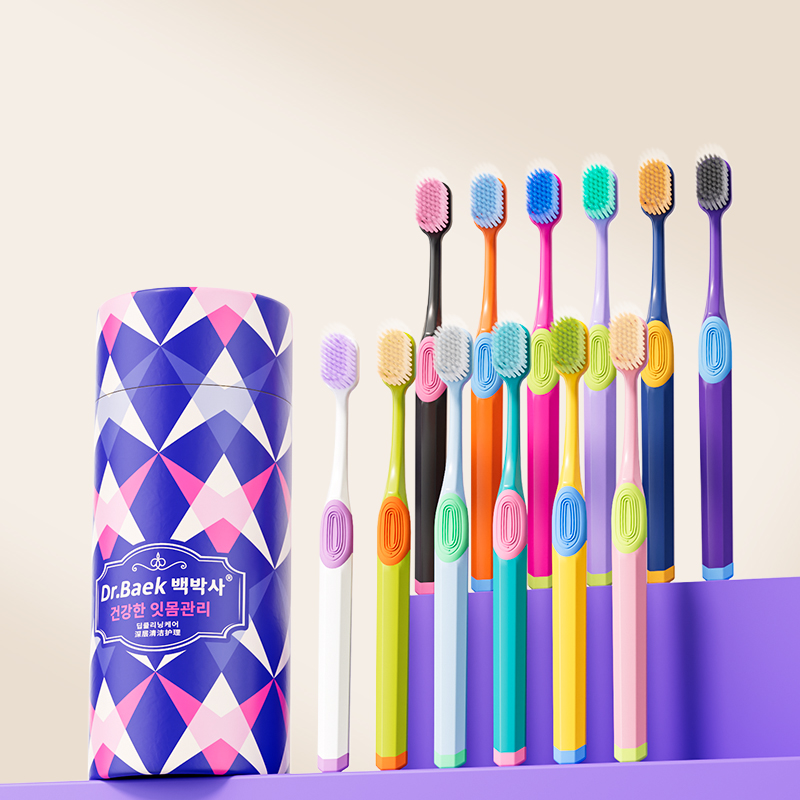
For everyday care, selecting a quality manual toothbrush designed with rounded tips ensures your daily cleaning routine remains completely safe and effective.
Investing in Long-Term Health with Polished Brush Bristles
Gingival recession is often an irreversible condition that requires complex surgical interventions to fix. Fortunately, preventing tissue loss from mechanical wear is entirely achievable with the right preventive care.
By prioritizing toothbrushes crafted with polished end rounded toothbrush bristles, you shield your soft tissues from invisible micro-trauma, prevent sensitivity, and preserve your enamel. Small details at the microscopic level make a lasting impact on the strength and longevity of your smile.