An extra soft toothbrush has become one of the most recommended oral-care tools among dentists and hygienists, especially for people with delicate gums or specific dental needs. While medium or hard bristles were once considered acceptable, modern research shows that overly stiff bristles can damage gum tissue, wear down enamel, and cause long-term sensitivity. This is why many individuals, particularly young children, orthodontic patients, and those with sensitive gums, benefit significantly from using extra soft bristles in their daily brushing routine.
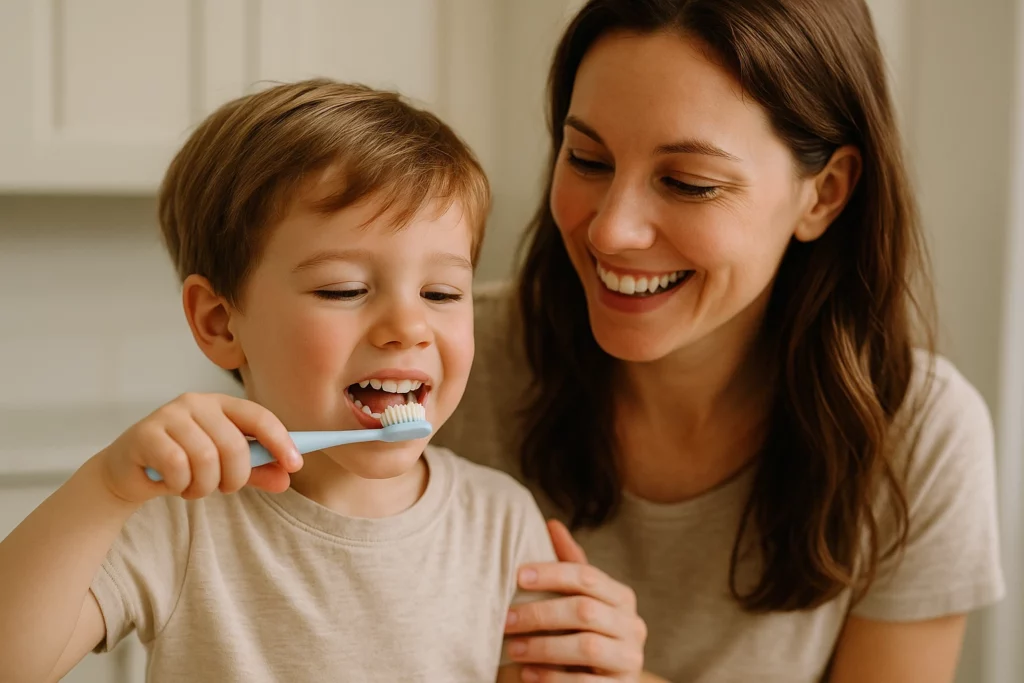
1. Why Kids Need Extra Soft Toothbrushes

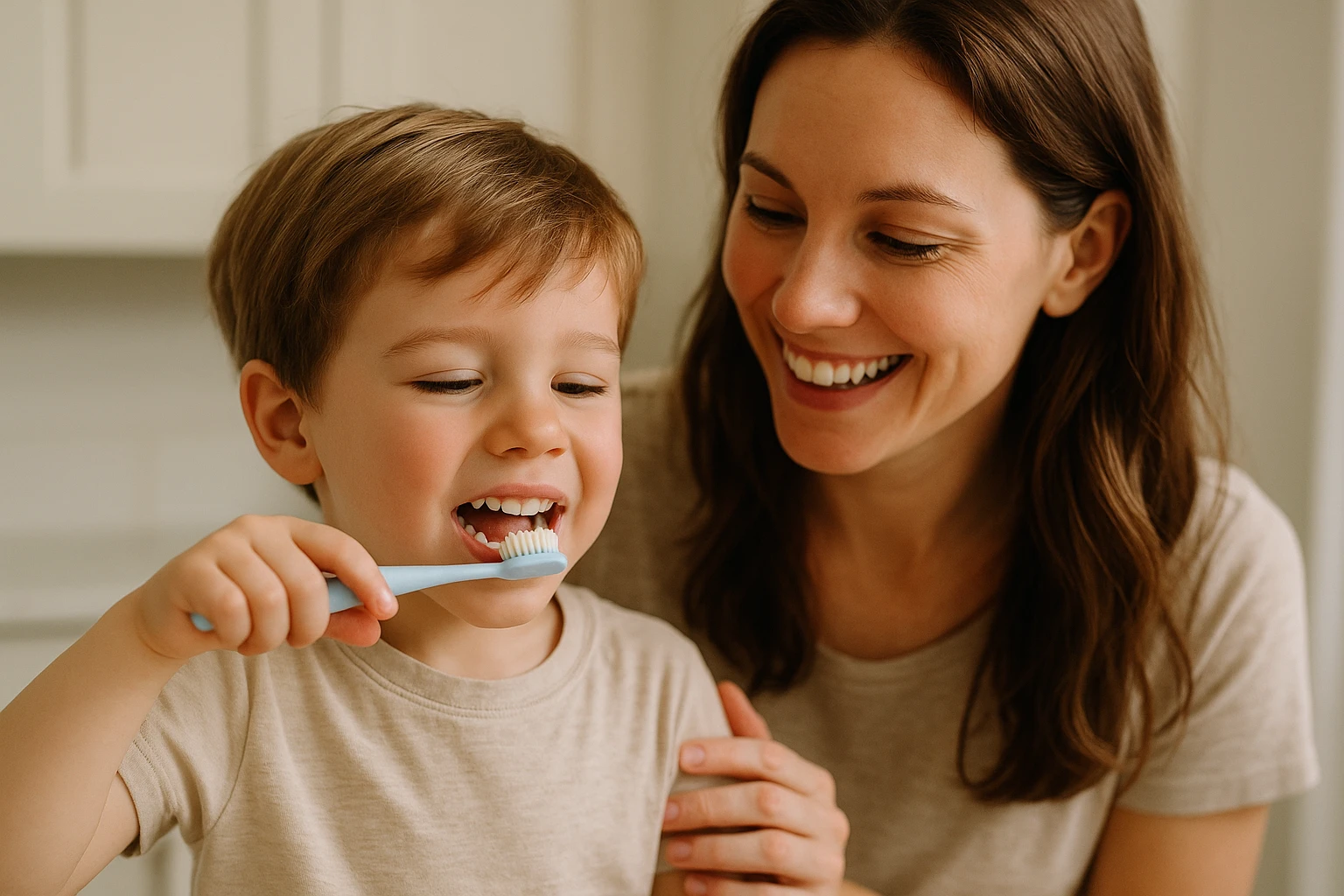
Children’s oral structures are still developing. Their enamel is softer, gums are more sensitive, and brushing habits are not yet fully controlled. An extra soft toothbrush reduces the risk of causing micro-scratches on enamel and irritation along the gum line.
Benefits for Children
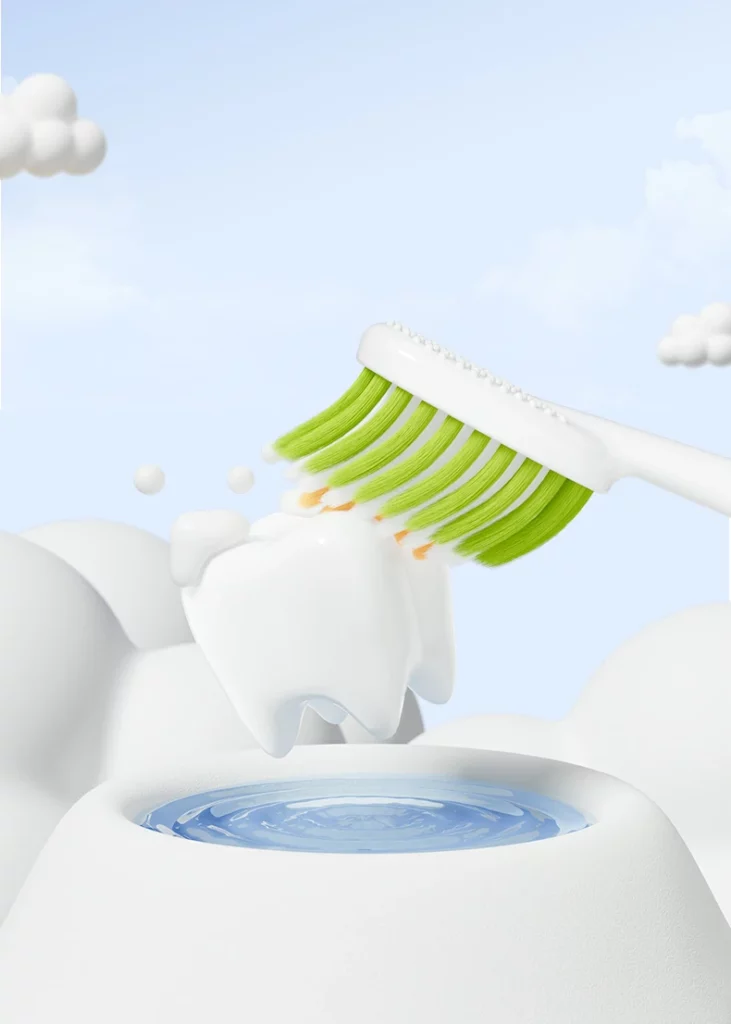
- Gentle on developing enamel
Extra soft bristles remove plaque without causing abrasive wear. - Safer for tender gums
Kids often brush with uneven pressure. Soft bristles prevent gum damage even when brushing too hard. - Better brushing compliance
A comfortable, feather-soft brushing experience encourages children to brush longer and more often.
What Makes an Extra Soft Toothbrush Suitable for Kids
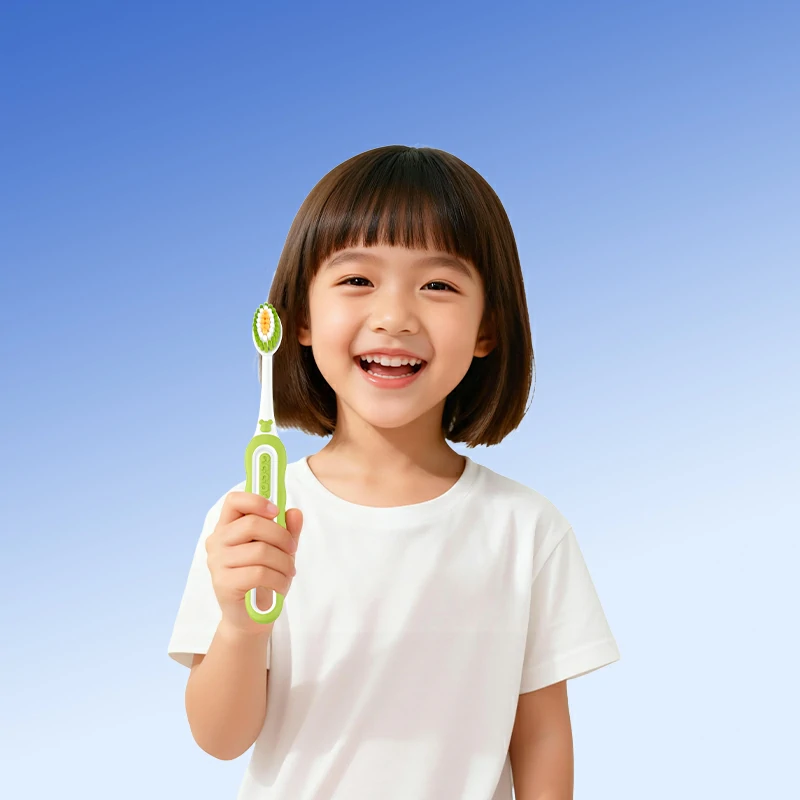
- Bristle materials such as soft PBT or ultra-fine nylon filaments
- Rounded bristle tips to avoid scratching
- Smaller brush heads for small mouths
- Lightweight handles that children can grip easily
Using an extra soft toothbrush early on helps build healthy brushing habits without harming their developing oral tissues.
2. Why Orthodontic Patients Benefit Most from Extra Soft Bristles
Anyone wearing braces knows that oral hygiene becomes more challenging. Brackets, archwires, and elastics create areas where plaque easily accumulates. At the same time, the gums around orthodontic appliances are far more prone to swelling and tenderness.
An extra soft toothbrush is ideal because it provides thorough cleaning without increasing inflammation.
Why Extra Soft Bristles Are Crucial for People with Braces
- Reduces irritation around brackets
Hard bristles can poke or scratch the delicate gum tissue already stressed by wires. - Helps control inflammation
Many orthodontic patients experience gum swelling. Softer bristles keep brushing gentle and non-traumatic. - Reaches tight spaces
Micro-tapered extra soft filaments effectively sweep plaque from the edges of brackets.
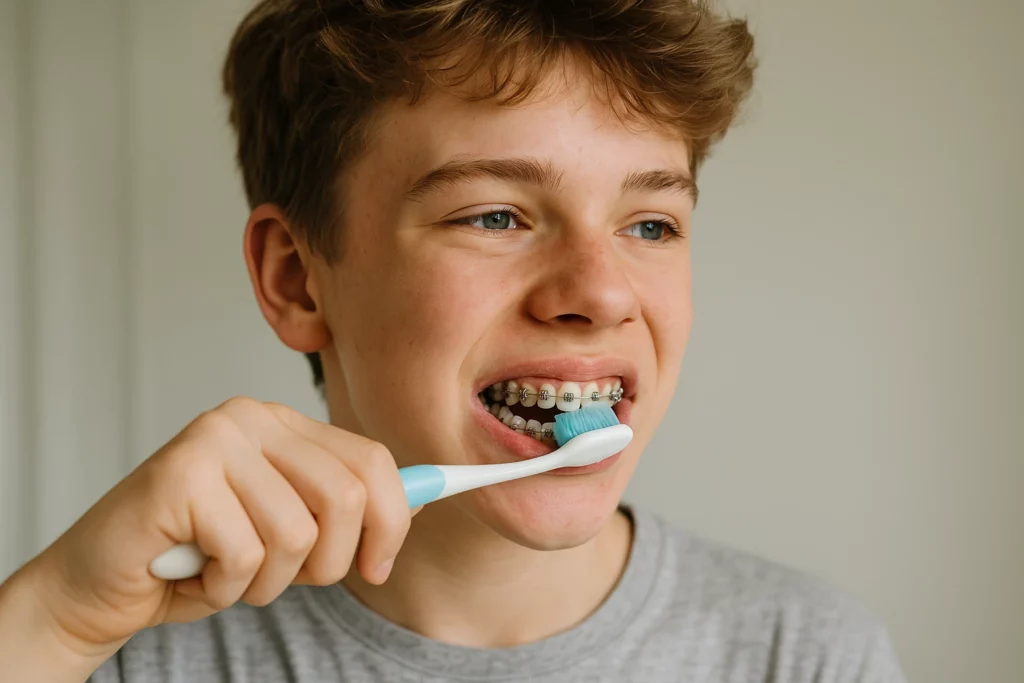
What to Look For in an Orthodontic Extra Soft Toothbrush
- Flexible brush neck to maneuver around brackets
- Tapered bristles that reach deeper around gum lines
- Compact head for navigating crowded mouth areas
Using extra soft bristles helps orthodontic patients maintain gum health throughout treatment, lowering the risk of gingivitis or enamel decalcification.
3. Extra Soft Toothbrushes for Sensitive Gums and Post-Treatment Care
Many adults develop gum sensitivity over time due to factors like over-brushing, periodontal disease, enamel erosion, or dental procedures. For these individuals, switching to an extra soft toothbrush is often the first recommendation dentists give.
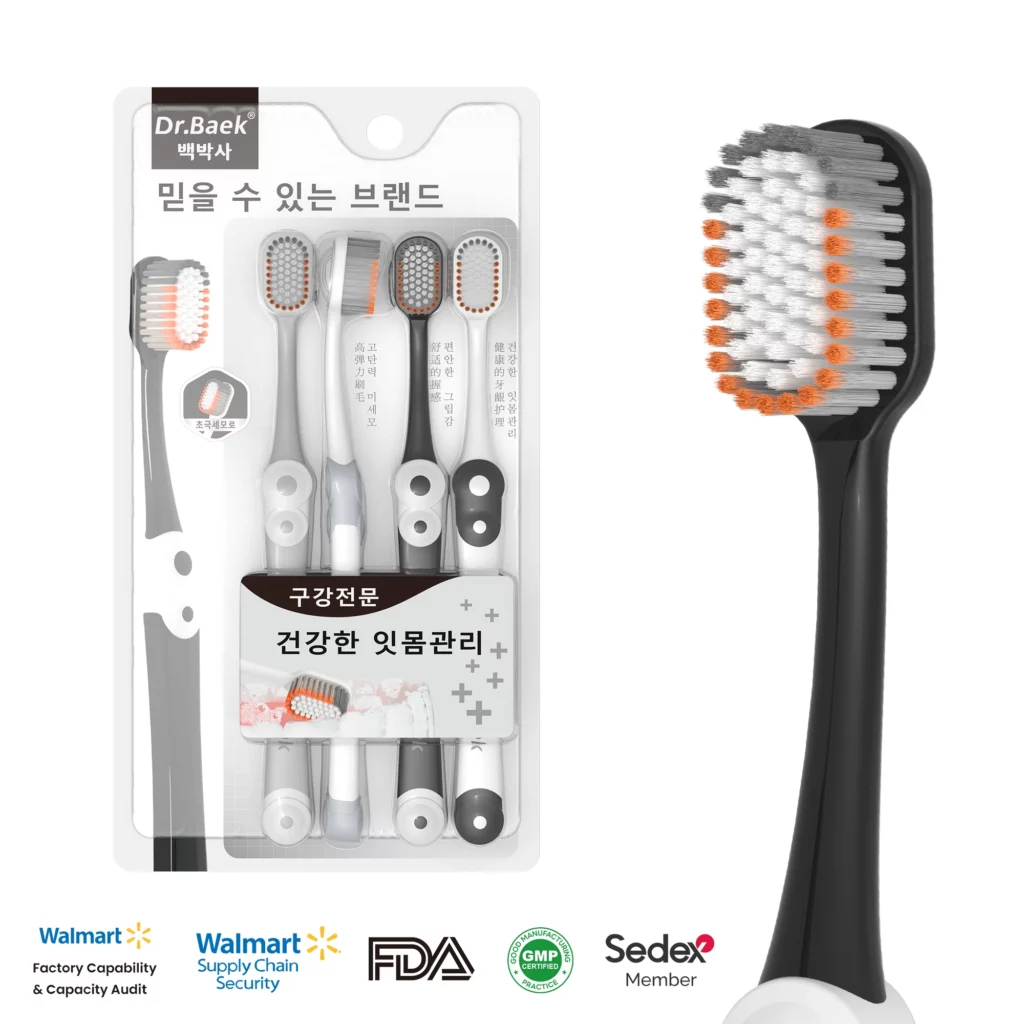
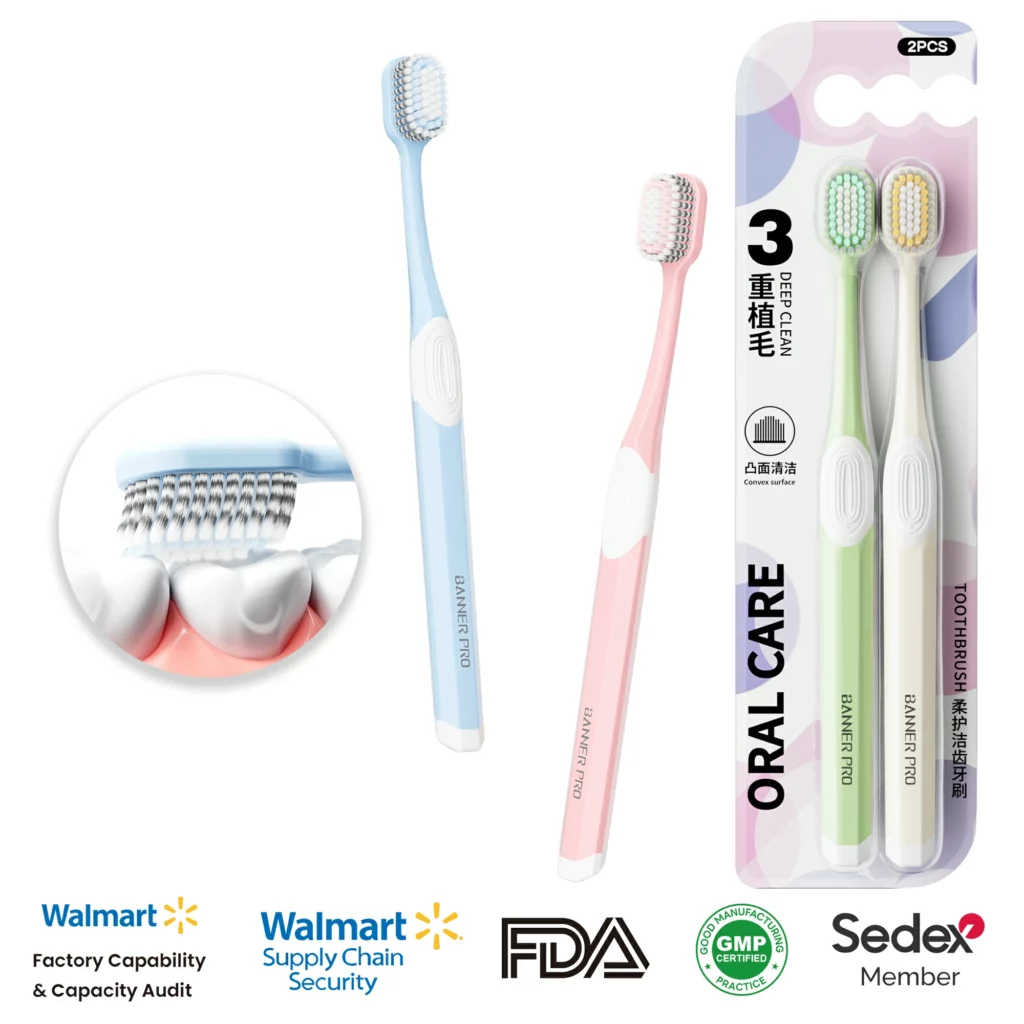
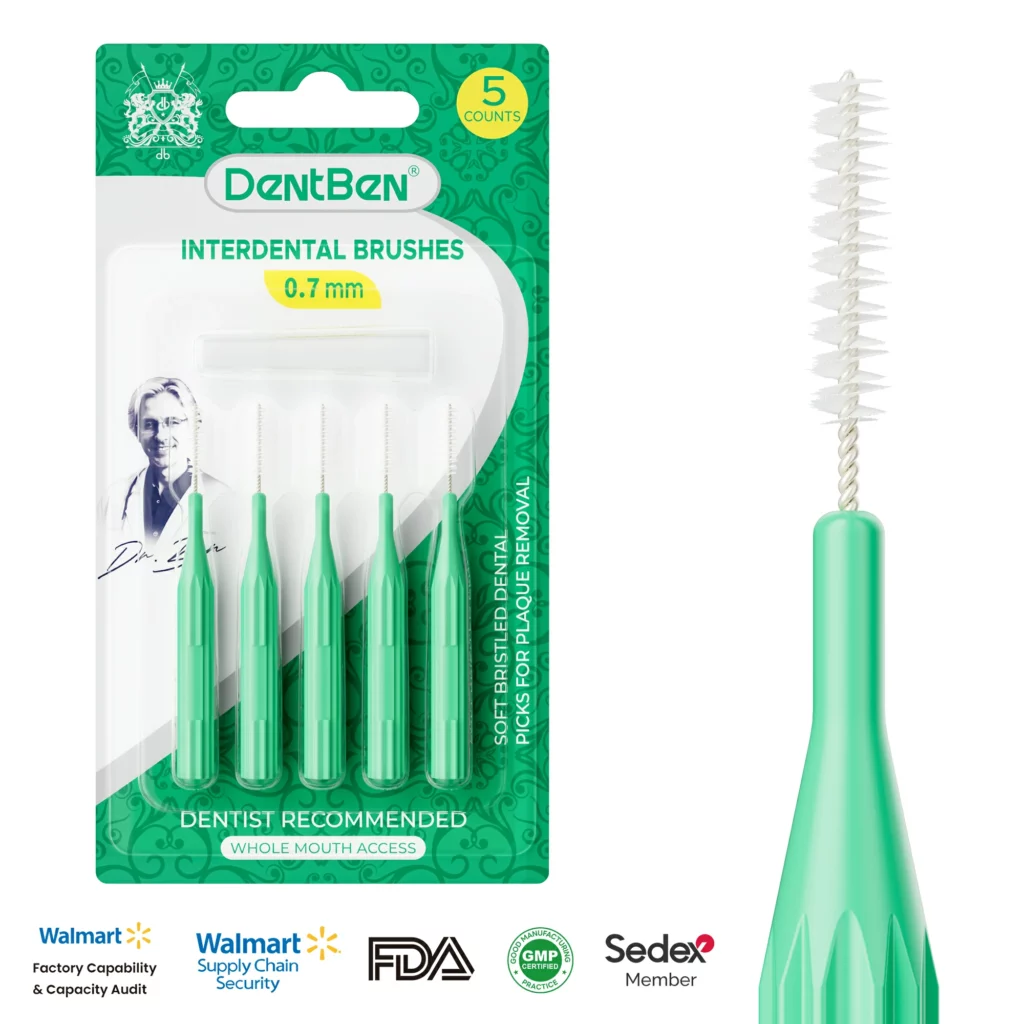
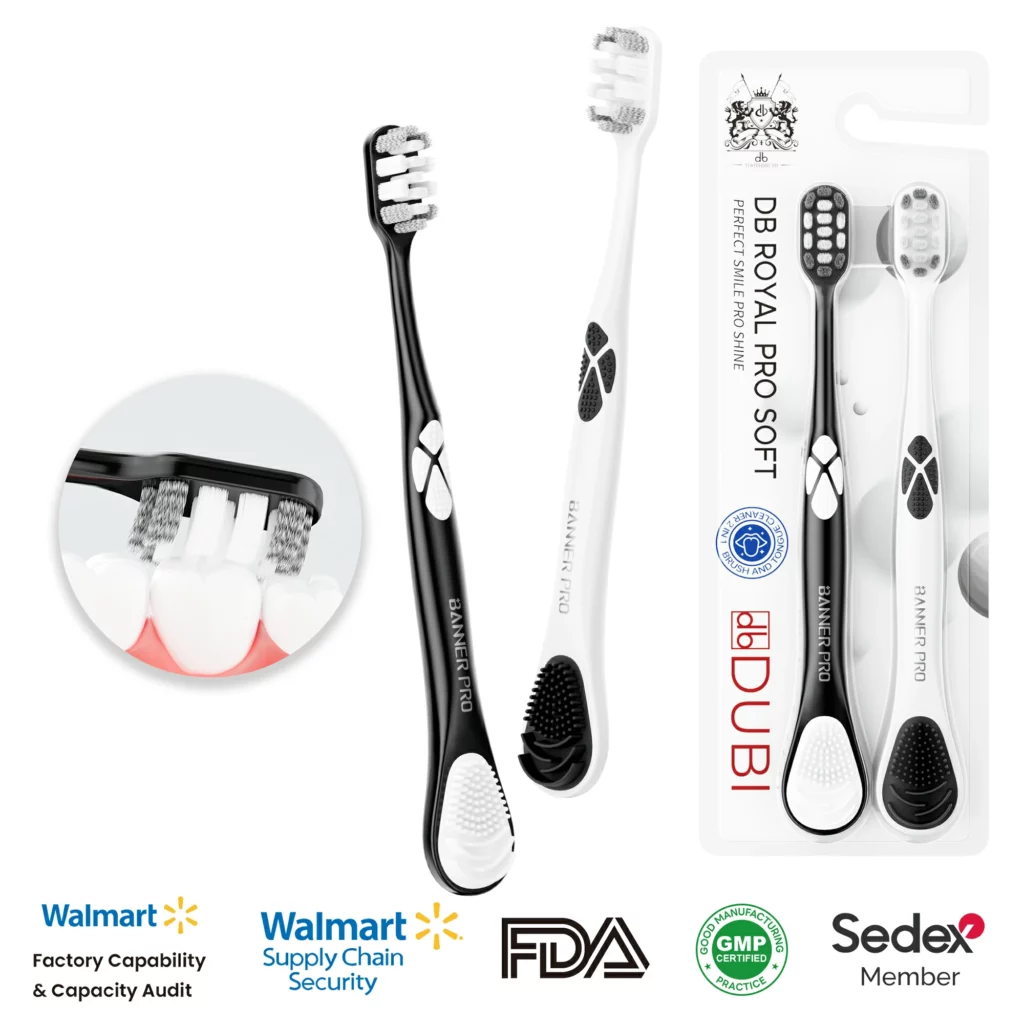
How Extra Soft Bristles Help Sensitive Gums
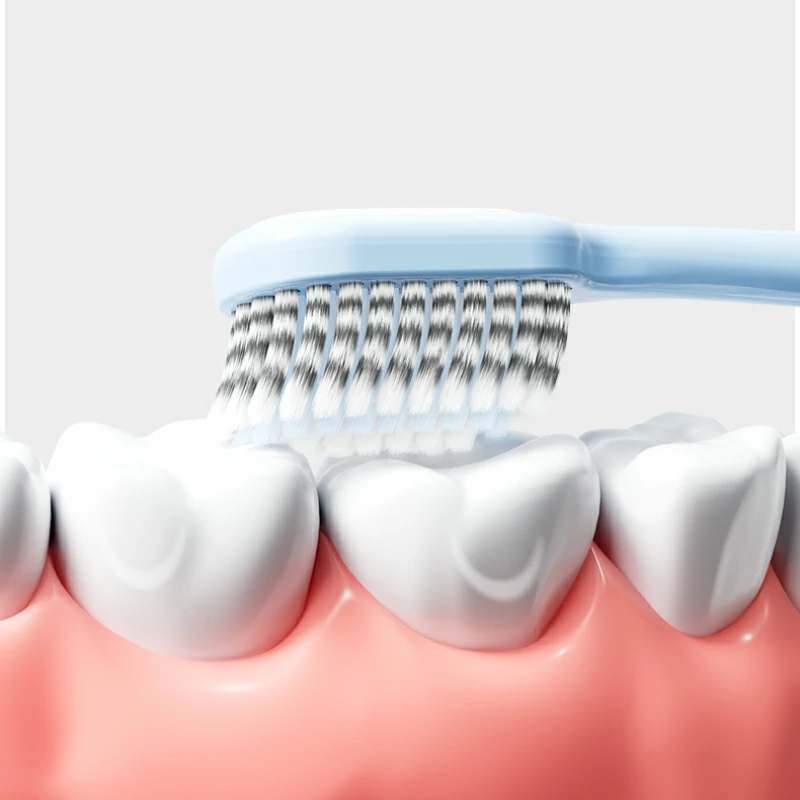
- Minimize friction and abrasion
Softer bristles glide over the gums rather than scraping them. - Prevent gum recession
Aggressive brushing with stiff bristles is a common cause of receding gum lines. - Support healing
After treatments such as scaling, root planing, whitening, or implant surgery, extra soft brushes protect sensitive areas during recovery.
Features That Benefit Sensitive Gums

- High-density filament clusters for effective plaque removal
- Ultra-fine bristles that feel cushioned against gum tissue
- Rounded filament tips for a smooth brushing experience
For individuals experiencing bleeding gums, soreness, or sensitivity, extra soft toothbrushes provide gentle yet thorough cleaning that reduces discomfort and promotes healing.
Bristle Materials Commonly Used in Extra Soft Toothbrushes
Contrary to the belief that “soft means less effective,” the material and design of extra soft bristles significantly enhance cleaning. Modern extra soft toothbrushes often use:
- PBT (polybutylene terephthalate)
Known for water-resistance, softness, and durability. - Nylon 610 / 612
Provides flexible comfort and smooth filament texture. - Tapered or micro-thin filaments
Tips as fine as 0.01–0.02 mm help reach tight gumline spaces. - High-density tufting
More bristles packed into the same area improve plaque removal.
These technologies allow extra soft toothbrushes to remain gentle while still maintaining effective cleaning performance.
Conclusion
Whether for children, orthodontic patients, or individuals with sensitive gums, an extra soft toothbrush offers a safer, gentler, and more comfortable brushing experience. Its unique bristle materials, ergonomic designs, and gum-friendly structure make it a superior choice for anyone needing a soft-touch approach to oral hygiene. As more people prioritize gum health and long-term enamel protection, extra soft toothbrushes continue to grow as a recommended standard in modern dental care.