Oral hygiene has come a long way, and water flossers are now an essential tool for maintaining healthy gums and teeth. If you are new to this device, learning how to use a water flosser can greatly improve your dental care. This guide will walk you through step-by-step instructions, helpful tips, and product recommendations for beginners.
Why Use a Water Flosser?
Water flossers, or oral irrigators, use a stream of pulsing water. They help remove plaque and debris from between teeth and along the gumline. Unlike string floss, water flossers clean effectively without irritating the gums. They’re simple to use and ideal for anyone with braces, implants, or bridges.
According to the Mayo Clinic, flossing daily is essential for gum health and plaque prevention.
For more product options, you can explore Oralgos Water Flosser Collection.
Step 1: Choosing the Right Water Flosser
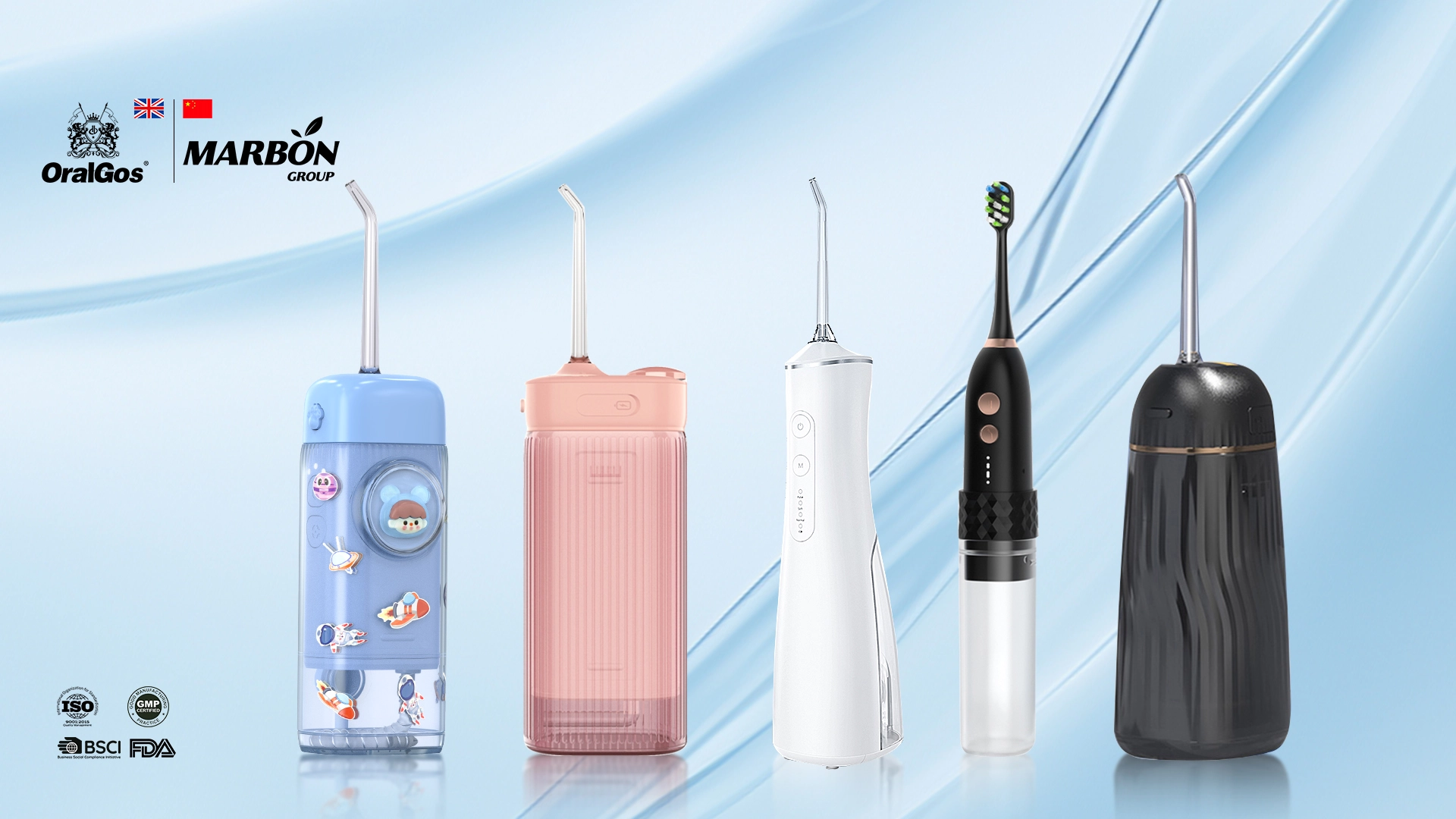
Selecting a water flosser suitable for your needs is the first step. If you’re new to water flossing, a portable model like the Oralgos Portable Water Flosser is a great place to start. Those with braces will benefit more from specialized designs such as the Best Water Flossers for Braces.
Key factors to consider include:
- Water pressure settings (gentle to strong)
- Reservoir capacity
- Portability
- Ease of cleaning


Step 2: Preparing the Device
Before starting, fill the water reservoir with lukewarm water. Cold water can be uncomfortable, while hot water may damage the device. Attach the tip securely, ensuring it clicks into place. Many models allow for different tip types, including:
- Standard tip for daily cleaning
- Orthodontic tip for braces
- Plaque seeker tip for implants or crowns
Step 3: Adjusting Settings for Beginners
Most water flossers have adjustable pressure settings. Beginners should start on the lowest setting to prevent gum discomfort and gradually increase as they become accustomed. Stand over the sink to prevent splashing when you use the water flosser for the first time.
Step 4: Proper Technique: How to Use Water Flosser
Learning the correct technique is crucial to achieving the best results. Here’s a detailed, step-by-step approach:
- Lean over the sink: Keep your lips slightly closed to avoid splashing.
- Turn on the device: Begin with the lowest pressure setting.
- Aim the tip: Position the tip at a 90-degree angle to your gumline.
- Follow the gumline: Glide slowly along each tooth, pausing briefly between teeth.
- Target hard-to-reach areas: Make sure to clean behind molars and along dental work.
- Empty the reservoir: Once finished, empty any remaining water to prevent bacterial growth.
Using this method ensures you clean all areas effectively while minimizing gum irritation.
Step 5: Cleaning and Maintenance
Maintaining your water flosser ensures longevity and hygiene. Key tips include:
- Rinse the tip after each use
- Clean the reservoir weekly with warm soapy water
- Check for mineral buildup if you have hard water
- Replace tips every 3–6 months
Proper maintenance guarantees optimal performance and a clean, safe experience.
Additional Tips for Beginners
- Consistency is key: Aim to use your water flosser once daily.
- Combine with brushing: Use after brushing for best results.
- Use dental-friendly additives: Some people add mouthwash for extra freshness, but check manufacturer guidelines.
- Start slow: It may feel awkward initially, but with practice, it becomes quick and comfortable.
For detailed product guidance, visit Oralgos Water Flosser Guide.
Common Mistakes to Avoid
Beginners often make a few common errors when learning how to use a water flosser:
- Using too high pressure too soon
- Not aiming the tip properly along the gumline
- Skipping hard-to-reach areas like molars or dental work
- Neglecting device maintenance
Avoiding these mistakes can significantly improve your experience and oral health results.
Conclusion
Learning how to use a water flosser correctly can transform your dental hygiene routine. Choose the right device, use the correct technique, and keep your flosser clean. These simple steps will help you achieve healthier gums, brighter teeth, and fresher breath. Consistency and proper technique matter more than the type of flosser you use, whether portable or orthodontic.