In the competitive oral care market, wholesalers often struggle to choose between electric vs manual toothbrush wholesale options. Making the right choice can affect sales, customer satisfaction, and long-term profitability. Both types have unique advantages. Understanding their differences helps distributors, retailers, and procurement managers make smarter decisions that match market demand and improve profitability.
Understanding the Differences in Electric vs Manual Toothbrush Wholesale
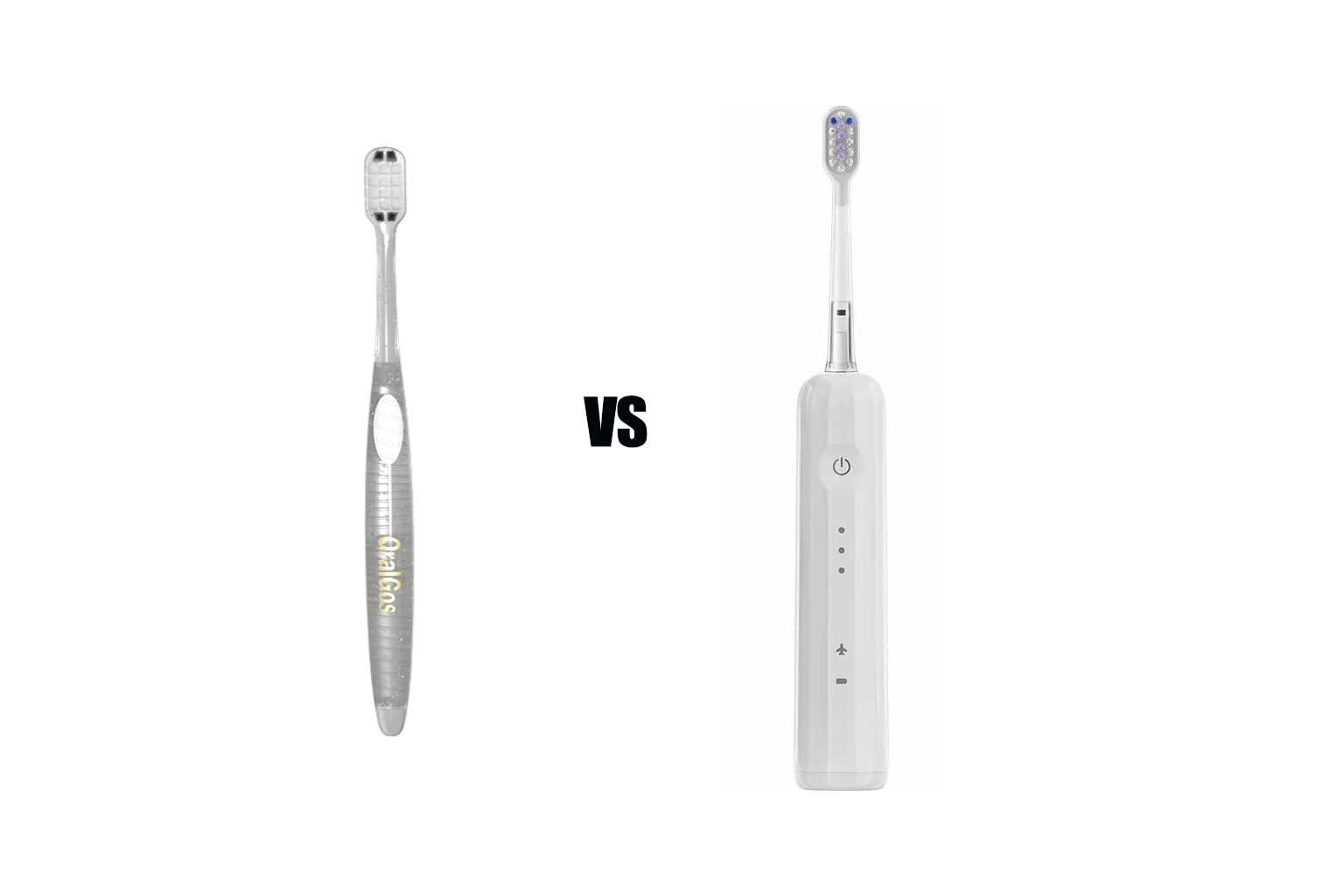
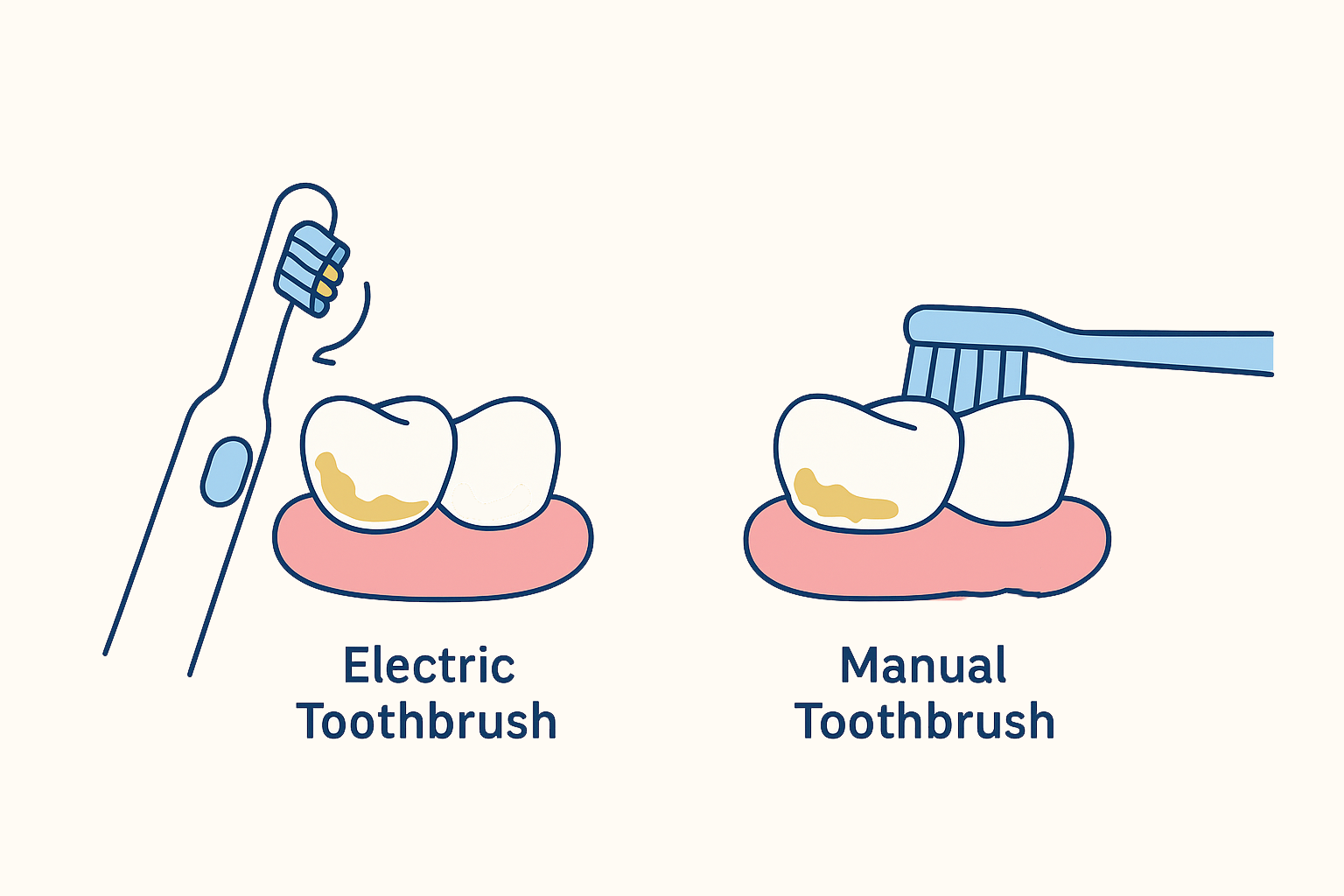
At a glance, the distinction between electric and manual toothbrushes seems straightforward. Manual toothbrushes rely entirely on user effort, while electric toothbrushes feature powered bristle movement, typically oscillating or vibrating to enhance plaque removal.
Cleaning Efficiency and User Experience
Research shows that electric toothbrushes clean more effectively than manual ones. They remove more plaque and improve gum health, especially for users with limited hand movement. Electric toothbrushes are especially popular among families, seniors, and people who prefer advanced oral care. For wholesale buyers, offering these options can lead to more repeat purchases.
Manual toothbrushes, however, remain a staple due to their affordability and simplicity. They are easy to stock in large quantities and appeal to a broad range of consumers. This makes them a smart choice for businesses focused on high-volume, low-cost sales.
If you’re expanding your inventory, explore our electric and manual toothbrush wholesale collections.
Cost Considerations in Electric and Manual Toothbrush Wholesale Orders
Price is a key factor in wholesale purchasing decisions. Electric toothbrushes usually cost more upfront and need regular brush head replacements. However, their premium image often supports higher retail margins.
Manual toothbrushes, conversely, are inexpensive to produce and ship, allowing distributors to purchase large quantities without significant capital investment. For businesses focusing on bulk volume sales or targeting price-sensitive markets, manual toothbrushes remain a dependable choice.
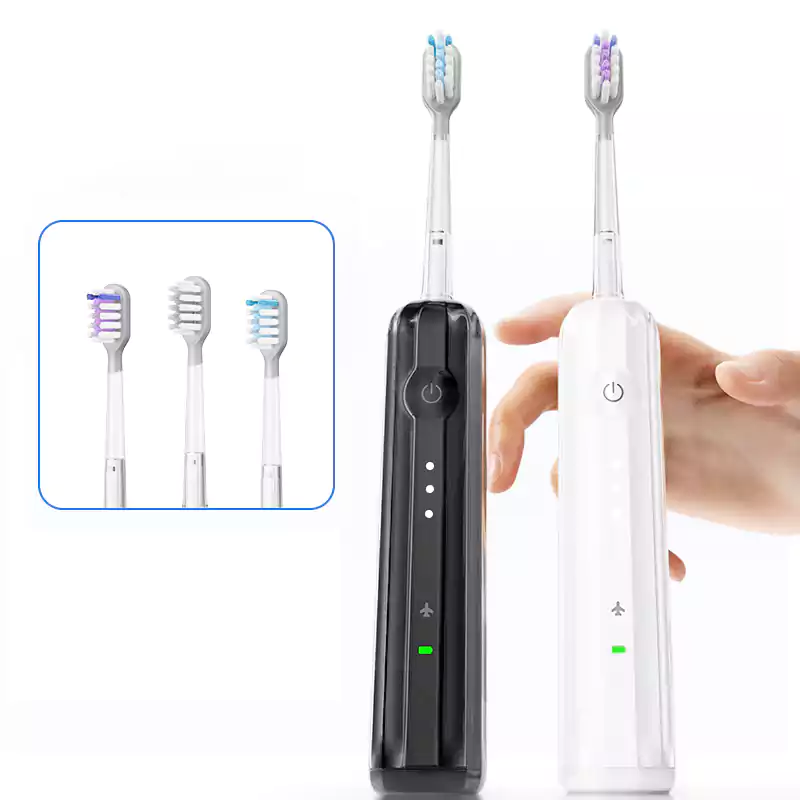
Market Trends in Electric vs Manual Toothbrush Wholesale and Consumer Preferences
Consumer behavior increasingly favors electric toothbrushes, with rising awareness of oral hygiene benefits driving demand. Retailers and wholesalers can benefit from this trend by offering both electric and manual toothbrushes. This approach helps them reach different market segments and price levels.
Industry reports suggest that a mixed inventory strategy often results in higher overall sales. Electric toothbrushes attract health-conscious consumers, while manual toothbrushes maintain consistent volume due to their affordability and wide acceptance.
For additional insights into market trends and consumer behavior, the American Dental Association provides valuable data for wholesale planning.
Inventory Management and Shelf Life in Toothbrush Wholesale
Manual toothbrushes are lighter and smaller, which makes them easier to store and ship. Electric toothbrushes, while bulkier, offer opportunities for premium product displays and upselling accessories like replacement heads or charging stations.
Wholesale buyers should assess storage capabilities and shelf life considerations. Electric toothbrushes may require more careful handling, while manual toothbrushes are highly resilient and less sensitive to shipping conditions.
Environmental Impact of Electric and Manual Toothbrush Wholesale Choices
Sustainability is becoming a key factor for many buyers. Manual toothbrushes, especially those made from biodegradable materials or recycled plastics, appeal to environmentally conscious consumers. Electric toothbrushes, although reusable, involve electronic components and batteries, raising disposal and recycling concerns.
Choosing the Right Toothbrush Type for Wholesale Success
Ultimately, the decision between electric vs manual toothbrush for wholesale depends on target markets, budget constraints, and business objectives. A balanced portfolio that includes both types often delivers the best market performance. Electric toothbrushes perform well in premium markets, while manual toothbrushes are ideal for high-volume, mass-market sales.
Businesses can maximize profitability by aligning inventory with consumer preferences, considering cost efficiency, and staying informed about oral care trends.
Browse our electric toothbrush collection and manual toothbrush selection to plan your wholesale strategy.
Conclusion
For wholesale distributors and retailers, understanding the nuances of electric vs manual toothbrush is essential. While electric toothbrushes offer advanced cleaning and market appeal, manual toothbrushes provide cost-effective bulk solutions. To succeed in the competitive oral care market, businesses must evaluate customer needs, pricing strategies, and inventory logistics carefully.
Wholesalers can meet different consumer needs by offering both electric and manual toothbrushes. This balanced approach helps improve profit margins and build a stronger position in the oral care market.