Designing a toothbrush begins long before bristles are tufted — a large part of performance comes from the handle. Choosing the right toothbrush handle materials affects ergonomics, manufacturing efficiency, sustainability and the product’s perceived value. Understanding material trade-offs helps designers and OEMs deliver user-friendly toothbrushes without increasing production costs.
Why Toothbrush Handle Materials Matter
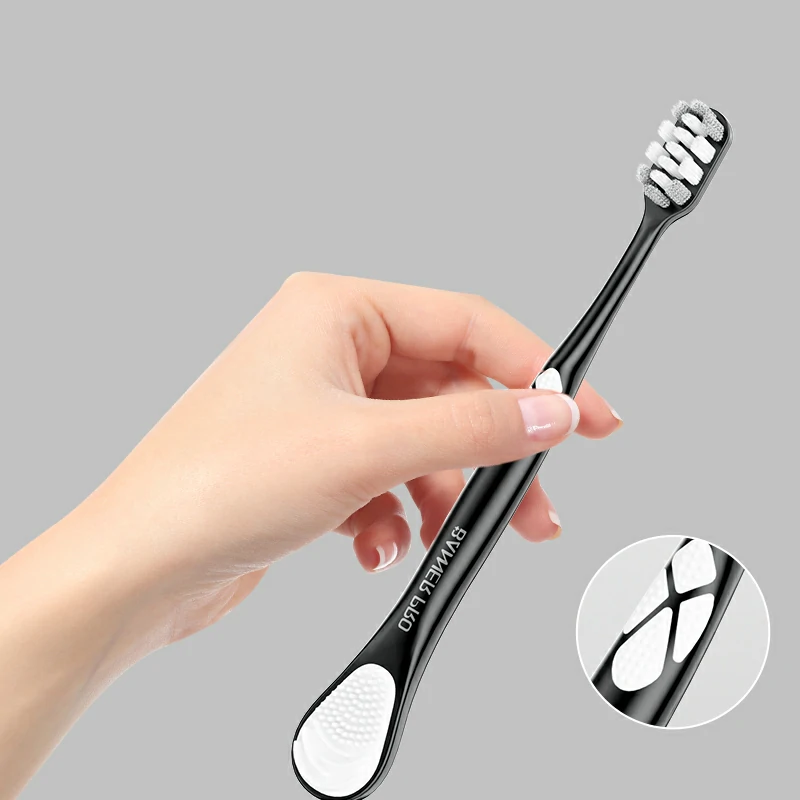
A handle is more than a stick that holds bristles. The handle acts as the user interface. It affects grip comfort, weight balance, chemical resistance, recyclability, and even production cost. Selecting toothbrush handle materials requires balancing these demands with manufacturing methods such as injection molding, overmolding, or assembly from multiple components.
For a general overview on turning design into production, see our earlier piece on toothbrush manufacturing.
Common Toothbrush Handle Materials and Their Trade-Offs
ABS (Acrylonitrile Butadiene Styrene)
- Pros: Robust, low cost, excellent for injection molding, and accepts surface finishes well.
- Cons: Not the most eco-friendly; limited flexibility unless overmolded. ABS is a staple when durability and low tooling wear are priorities.
Polypropylene (PP)
- Pros: Lightweight, chemically resistant, and widely recyclable in many regions. Manufacturers often choose PP when they want a low-cost and recyclable material.
- Cons: Surface finish can look less premium without secondary texturing.
TPE / Thermoplastic Elastomers (used in overmolding)
- Pros: Adds soft-touch grip zones, improves slip resistance and ergonomics. Overmolding TPE onto a rigid substrate creates a premium feel with controlled grip geometry.
- Cons: Slightly higher cost; process requires compatible adhesion considerations between substrate and TPE.
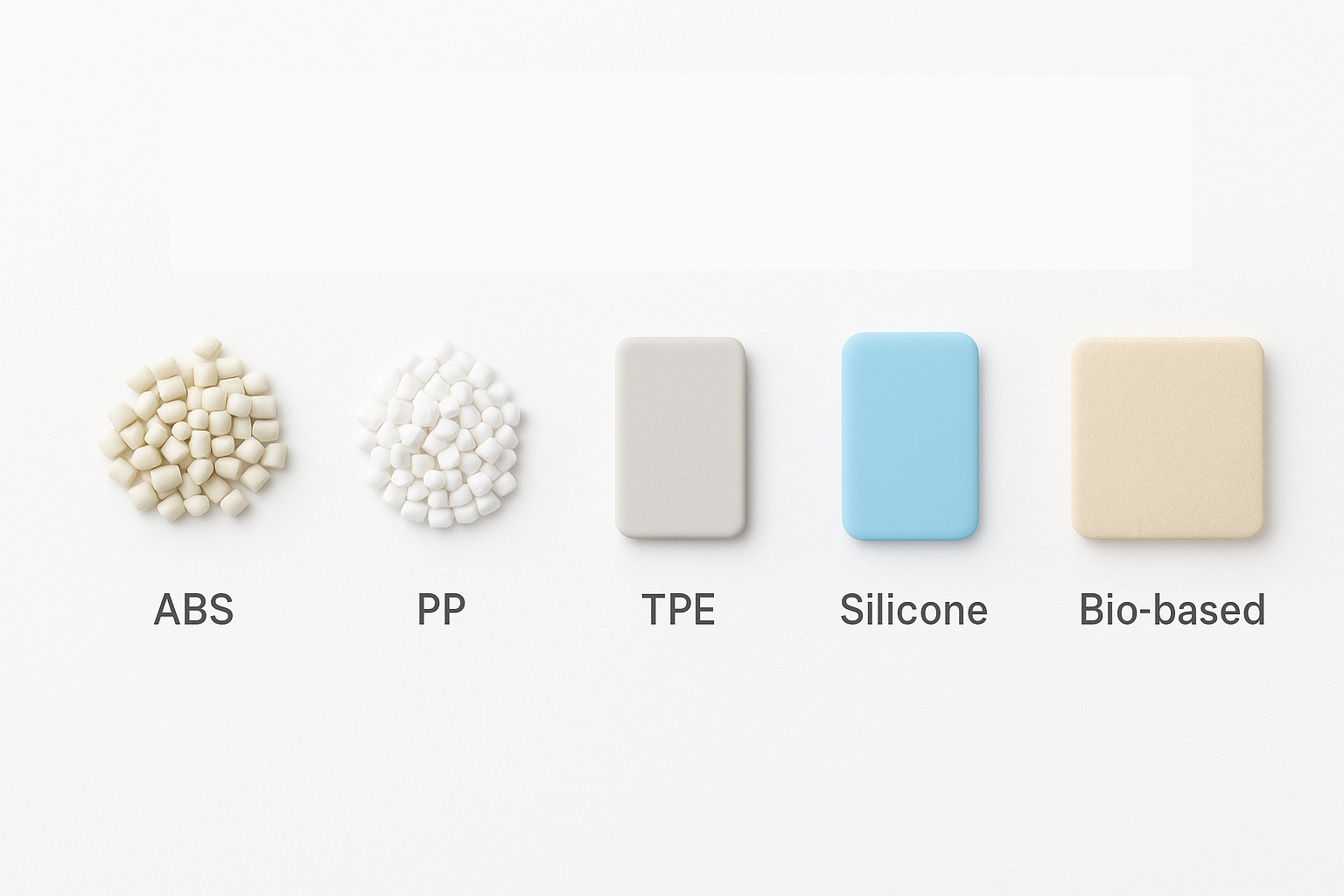
Silicone
- Pros: Excellent for soft grips, heat resistance, and a luxurious tactile feel. Medical-grade silicones can enhance safety claims.
- Cons: Silicone handles or large silicone parts increase material cost and may complicate recycling.
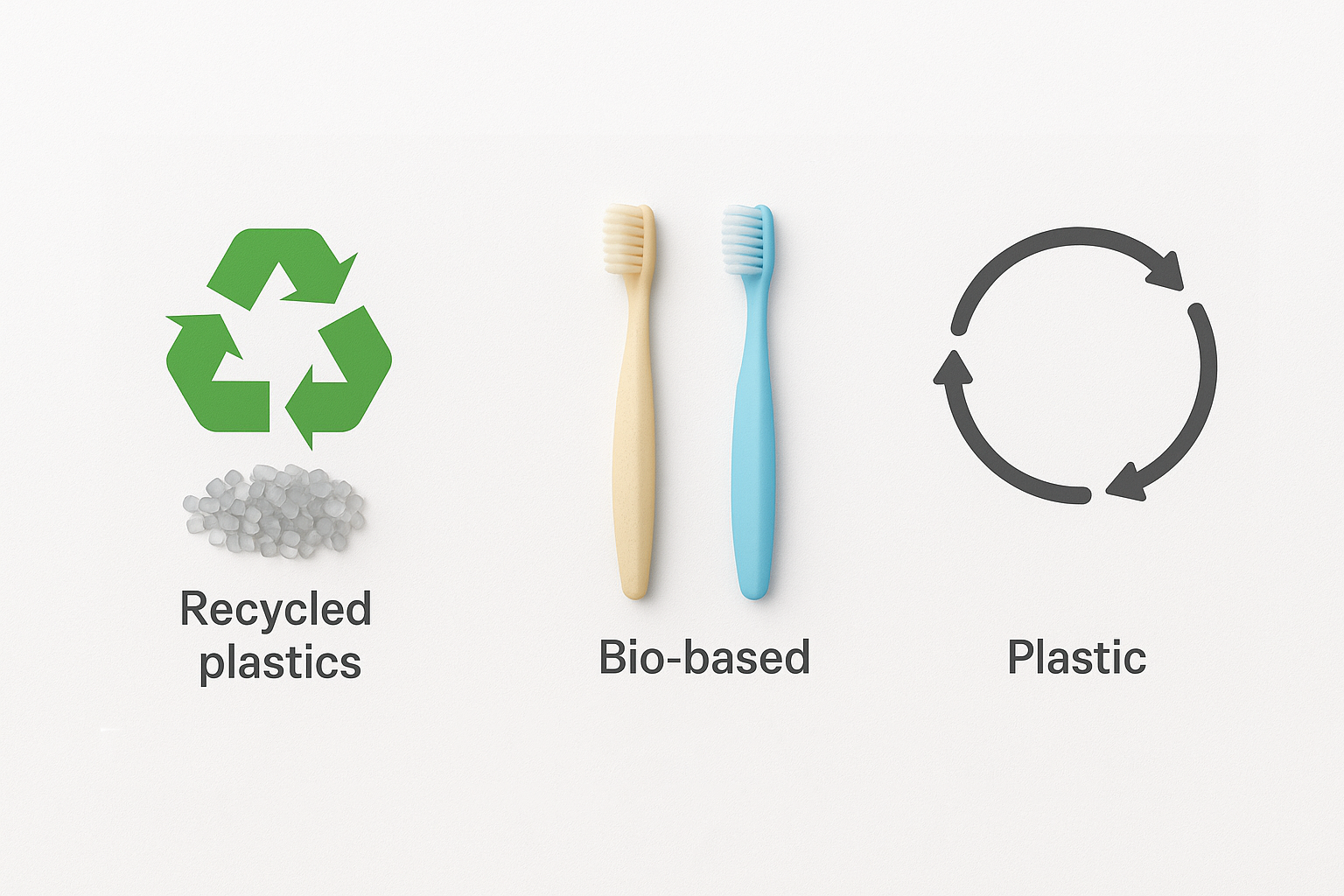
Bio-based polymers & recycled plastics
- Pros: Market demand for sustainable materials continues to rise. As a result, bio-based resins such as PLA blends and bio-PP have become attractive options for eco-focused product lines. Recycled plastics lower cradle-to-gate environmental impact.
- Cons: Mechanical properties and feedstock variability require careful supplier qualification and may affect mold wear or surface finish.
Ergonomics, Aesthetics, and Manufacturing Implications of Handle Materials
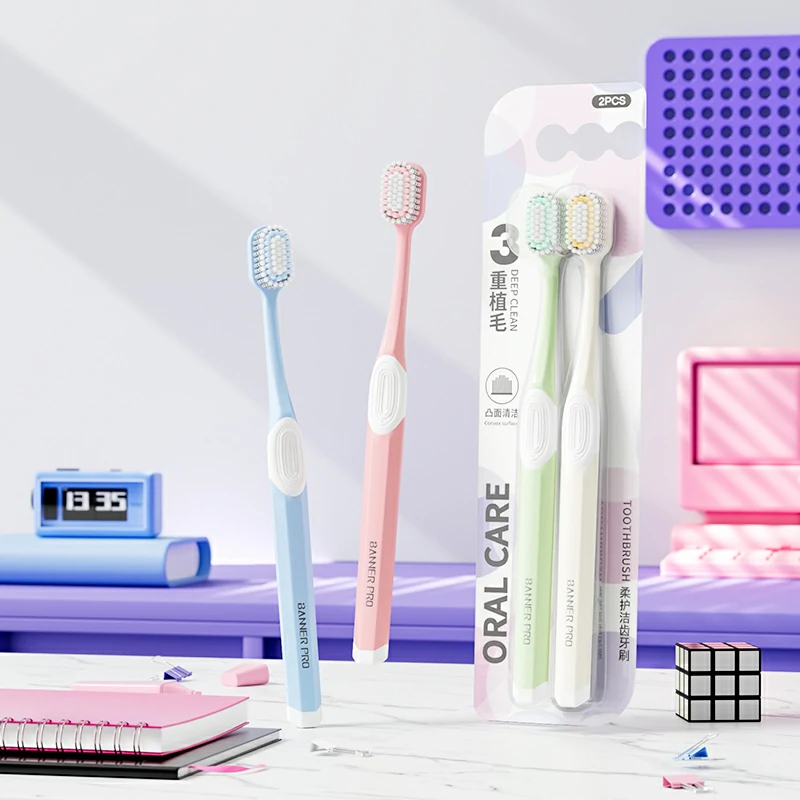
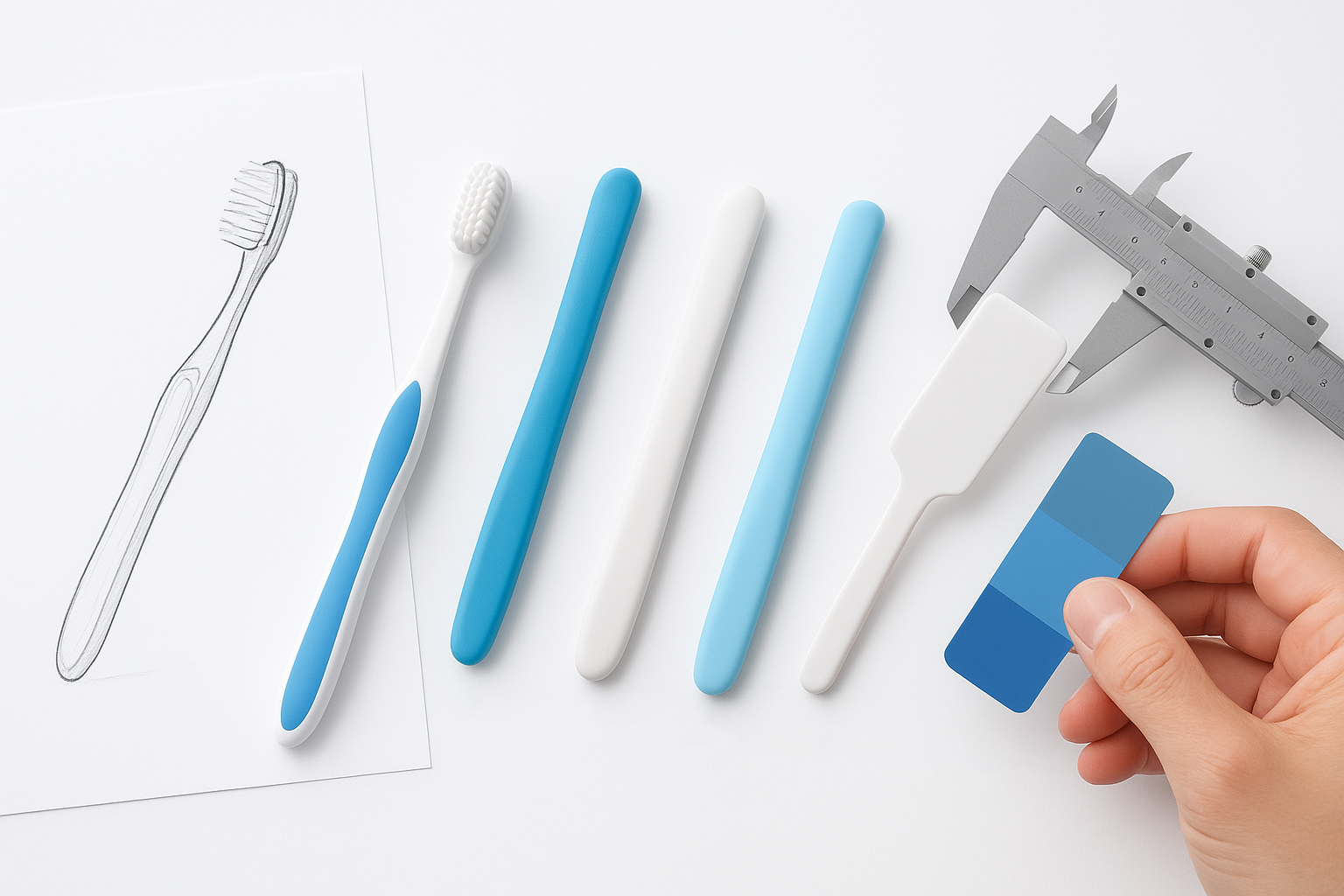
Ergonomics: The handle’s geometry must fit a variety of hand sizes. At the same time, the choice of toothbrush handle materials determines the grip textures that designers can create. TPE overmolds add softness in the areas where users naturally hold the brush. In contrast, rigid ABS provides stability for slim, precision-oriented handles.
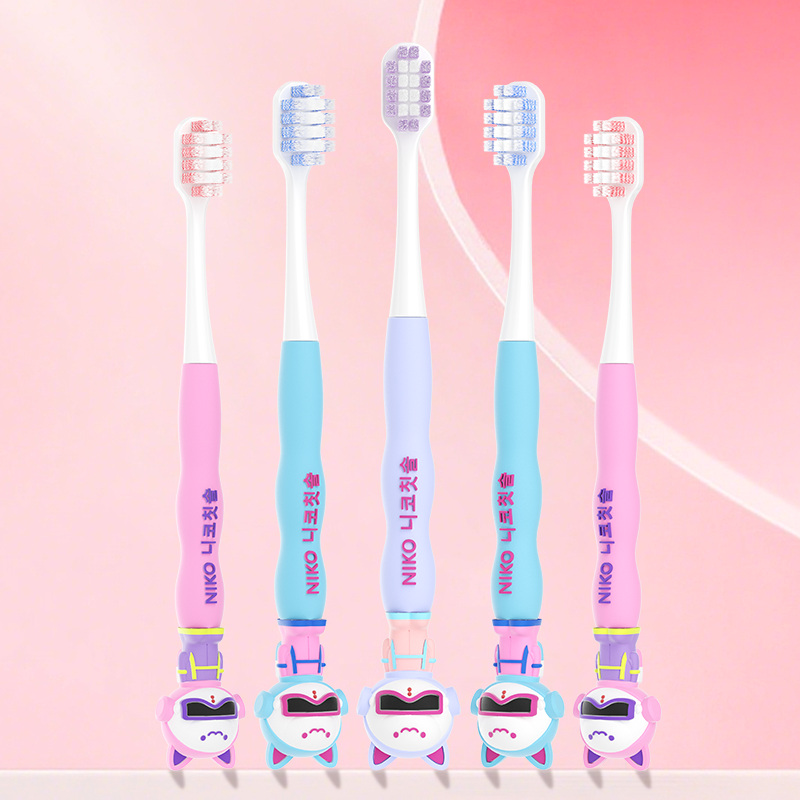
Aesthetics: High-gloss ABS gives a sleek look, matte TPE conveys comfort. Color matching and multi-material designs allow brands to create distinct visual identities.
Manufacturing: Materials determine cycle times, cooling requirements and mold maintenance. PP exhibits different shrinkage behavior compared to ABS or TPE. As a result, multi-material components demand precise tooling tolerances and careful gate placement during manufacturing. Choosing materials early avoids costly redesigns during DFM (design for manufacture).

Durability, Hygiene, and Regulatory Considerations for Toothbrush Handle Materials
Durability: Toothbrushes face a humid, chemical-rich environment. Handles should resist deformation, discoloration and microbial buildup. Choosing toothbrush handle materials that resist toothpaste abrasives and cleaning agents helps reduce product returns and build consumer trust.
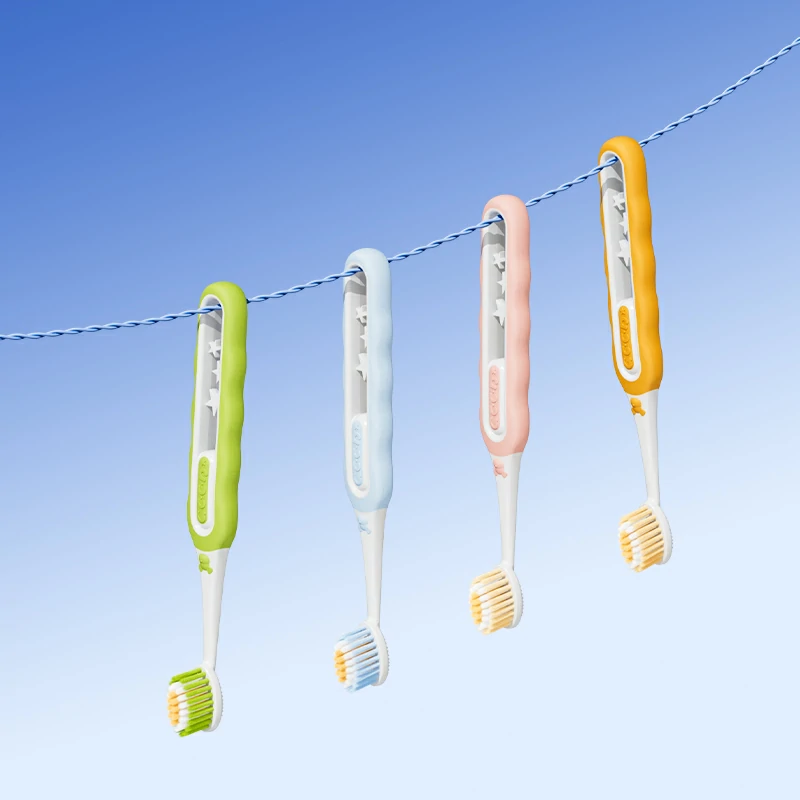
Hygiene: Surface finishes and joint designs minimize water traps that harbor bacteria. Smooth transitions and properly sealed overmolds keep handles hygienic between uses. Refer to dental public guidance such as the ADA for best-practice claims and consumer communications.
Regulatory: Medical-claim marketing or “safe for children” claims can affect material selection — certain silicones or additives may require documentation or testing.
Sustainability: Lifecycle Thinking for Toothbrush Handle Materials
Sustainability is no longer optional. Lifecycle analysis (LCA) should guide whether to choose recycled feedstocks, mono-material designs for circularity, or modular handles that separate recyclable parts. Mono-material handles with compatible recycling streams typically recycle more efficiently than multi-material designs. Overmolding remains a viable option for high-end lines when brands implement a take-back or recycling system.
Cost vs Perceived Value: Selecting the Right Toothbrush Handle Materials
Budget lines use PP handles with straightforward tooling. In contrast, premium lines adopt multi-material handles with soft-touch zones and polished surfaces. Your profit model and target distribution channel should drive the choice of toothbrush handle materials. Supplier relationships, minimum order quantities, and color consistency are pragmatic concerns that impact unit cost and time-to-market.
Tips for designers and OEMs (practical checklist)
- Prototype early with the chosen material to validate grip, weight and finish.
- Confirm material certificates and UV/chemical resistance data with suppliers.
- Plan tooling for shrinkage and cooling differences when using mixed materials.
- Consider mono-material alternatives if recyclability is a high priority.
- Run a sanitary design review to eliminate water traps and ensure easy cleaning.
What’s next? Incorporating technology — a tease
This article is one link in a series. In the next article, we will cover the integration of sensors, smart indicators, and charging into toothbrush handles. We will also examine how electronics affect material choices and manufacturing processes. Stay tuned for a follow-up that ties materials, electronics, and manufacturability into a single roadmap.