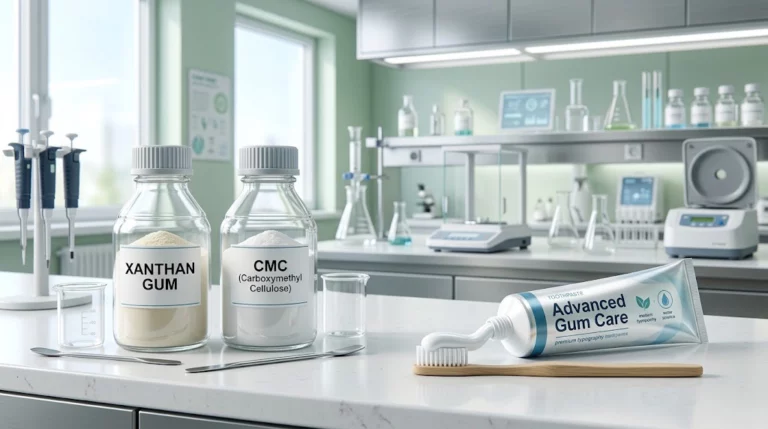
In today’s fast-changing oral-care market, toothbrush technology innovation has moved far beyond novelty. It now drives manufacturers to design, produce, and refine modern toothbrushes.
This article builds on the earlier Oralgos guide to toothbrush manufacturing. It moves beyond the basic production steps and looks at the technologies now shaping the industry. These innovations are improving performance, strengthening safety, and creating more engaging brushing experiences.
Why Toothbrush Technology Innovation Matters
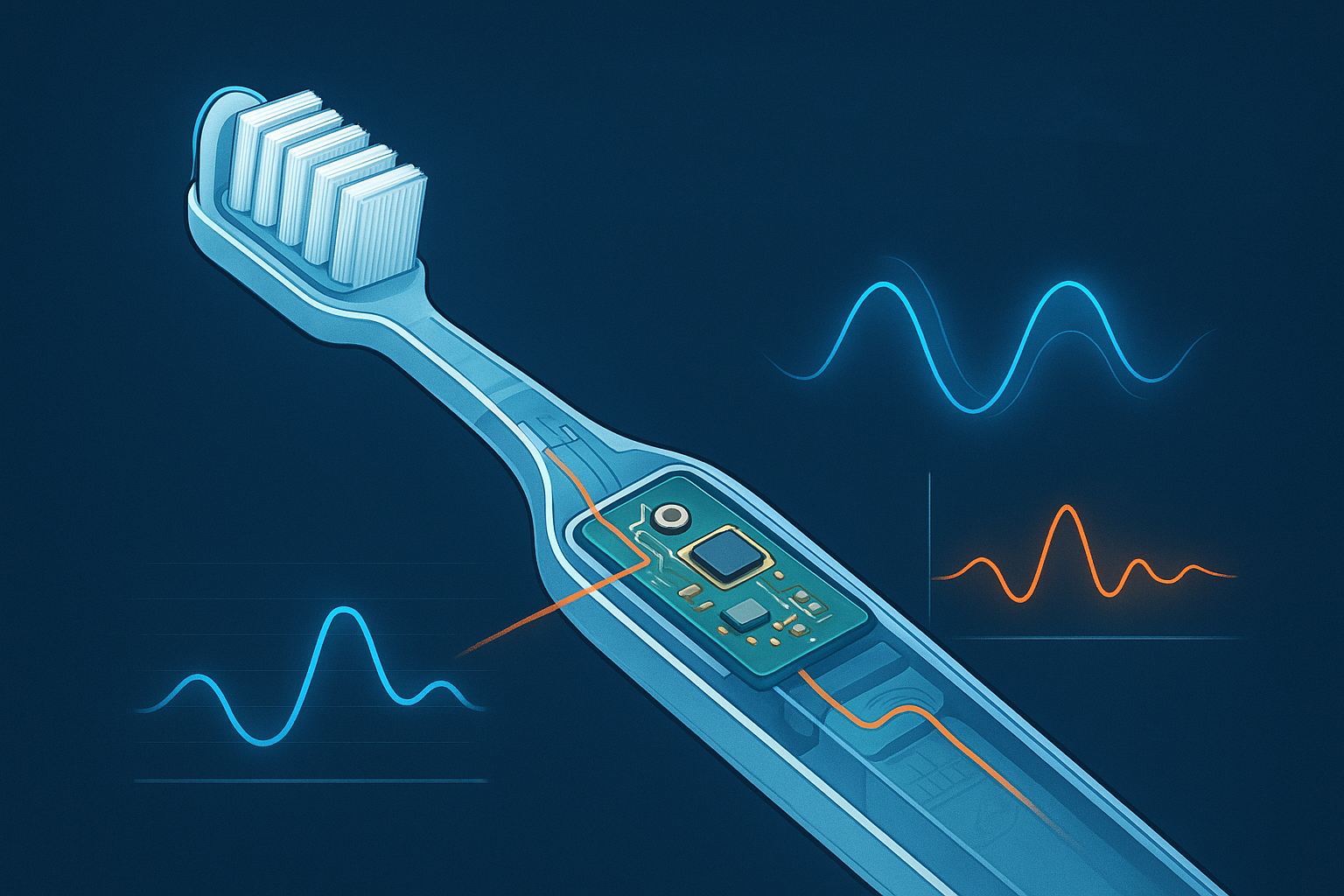
Integrating technology into toothbrushes goes far beyond making them “smart.” It aims to improve cleaning effectiveness, enable personalized guidance, and support long-term oral health. Consumers nowadays expect more than just vibration — they want a connected, adaptive oral-care device. This has fueled research and manufacturing efforts to embed sensors, artificial intelligence (AI), and intelligent feedback systems directly into the brush architecture.
Innovation in toothbrush technology is transforming production. Advanced assembly lines and quality sensors help create more consistent, durable, and safe products.
Key Components Driving Smart Toothbrush Technology Innovation
Sensor Systems and Real-Time Feedback
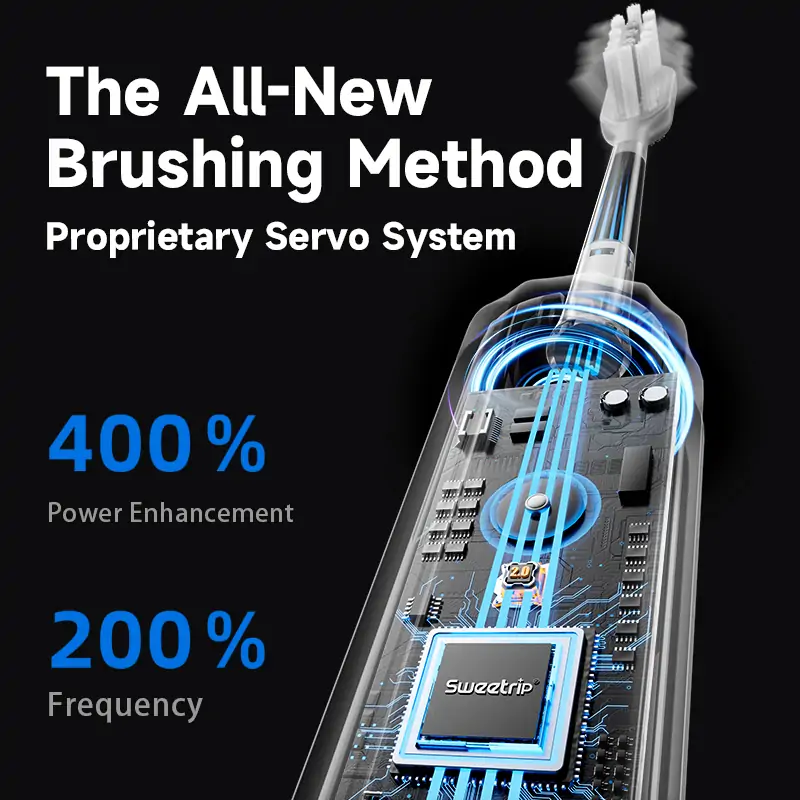
At the heart of modern smart toothbrushes lie advanced sensor systems. These sensors track brushing motion, angle, pressure, and coverage in real time.
The toothbrush monitors brushing patterns, creating a “brushprint” that guides users with vibrations, light signals, or app notifications.
Pressure Sensors: Protecting Gums and Enamel
Too much pressure when brushing can damage delicate gum tissue or wear enamel. To address this, many electric toothbrush manufacturers include intelligent pressure sensors. The sensors detect excessive pressure and automatically reduce vibration, alert the user, or change the brushing mode.
This feature shows how smart toothbrush technology balances safety and performance, providing a deep clean without risk.
Connectivity and App Integration
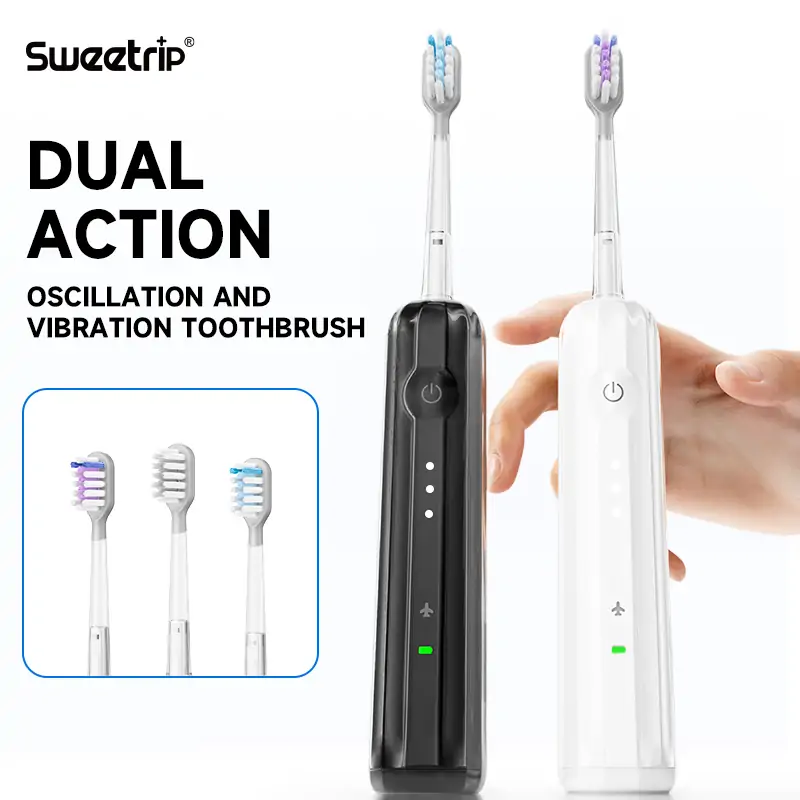
Bluetooth connectivity and mobile apps are now standard in many high-end toothbrushes. These apps do more than track brushing time — they turn brushing into a game, highlight missed areas, and guide users to brush better.
Advanced Cleaning: Ultrasonic Technology
Beyond vibration and oscillation, some toothbrushes leverage ultrasonic cleaning. Ultrasonic toothbrushes produce high-frequency sound waves, typically around 1.6 MHz. These waves create microscopic bubbles that remove plaque gently, without the need for harsh scrubbing.
This kind of innovation reduces abrasion on tooth surfaces while still delivering a powerful clean, showcasing another dimension of toothbrush technology innovation.
Manufacturing Implications of Toothbrush Technology Innovation
Incorporating these technologies into toothbrush design requires changes across the manufacturing process:
- Precision Molding and Assembly: Embedding sensors and electronics demands tighter tolerances in mold design. Nano-molding techniques and seamless assembly help create durable handles that house delicate components securely. This echoes some of the manufacturing principles from the earlier “design to manufacturing” article.
- Quality Control: Smart manufacturing lines can include automated testing stations that validate sensor function, connectivity, and battery performance before products leave the factory.
- Sustainability Considerations: As manufacturers integrate more technology, they must also ensure that devices remain sustainable. According to Oralgos’s recent innovation trends, eco-certified wireless charging, modular replaceable heads, and recyclable materials are becoming part of future designs.
These manufacturing innovations ensure that toothbrush technology innovation does not compromise on build quality, safety, or environmental responsibility.
Enhancing User Experience and Long-Term Value Through Toothbrush Technology
From a user’s perspective, the benefits of toothbrush technology innovation are clear:
- Personalized Brushing Guidance: AI-driven sensors analyze how you brush, giving you feedback tailored to your habits.
- Preventive Health Monitoring: By tracking pressure and coverage, smart toothbrushes can spot early gum inflammation or enamel damage.
- Motivation Through Gamification: Apps help users, especially children, keep up with brushing. They transform a simple two-minute task into a fun and rewarding experience.
- Long-Term Durability: Smart pressure control keeps both your toothbrush and teeth safe, lowering bristle wear and avoiding harm.
The Next Frontier: Why Material Procurement Matters
While technology is reshaping performance, the backbone of every toothbrush remains its materials. How manufacturers source bristles, plastics, batteries, and embedded electronics plays a critical role in cost, sustainability, and quality.
The upcoming article will cover Material Procurement. It will show where smart toothbrush parts come from and how these choices impact the final product. Look forward to our in-depth exploration of this topic in the next article.
Conclusion
In summary, toothbrush technology is advancing on multiple fronts. Innovations range from sensor-equipped brush heads and AI-guided brushing to wireless charging and ultrasonic cleaning. These advances enhance both user experience and oral health. They also encourage manufacturers to adopt smarter, more precise, and more sustainable production methods.
Modern toothbrush manufacturing combines cutting-edge electronics, advanced materials, and user-focused design. This creates a sophisticated blend of health, technology, and engineering. The next chapter will focus on material procurement, showing how raw components transform into advanced smart toothbrushes.