Consumers today want brighter teeth without sensitivity, enamel damage, or complicated treatment schedules. This question—“What is the best whitening toothpaste?”—has increasingly become a central topic in professional oral-care discussions. Modern formulations have evolved far beyond traditional abrasives or peroxide-only solutions, giving users a safer and more predictable whitening experience.
This comprehensive guide explains how whitening toothpaste works. It also highlights the key ingredients that make a difference and shows how professionals assess the most effective products.
How Whitening Toothpaste Works: Mechanisms Behind Effective Whitening
Understanding what makes the best whitening toothpaste requires a closer look at the scientific mechanisms behind tooth whitening.
1. Abrasive-Based Whitening
Mild abrasives—typically hydrated silica—remove surface stains from coffee, wine, berries, and tobacco. When used within safe RDA limits, abrasives polish enamel without scratching it. However, excessively harsh formulas can erode enamel over time, which is why modern products emphasize “low-abrasivity brightening complexes.”
2. Chemical Whitening
Peroxide-based formulas chemically break down chromogens embedded in enamel. These can produce noticeable results, but also increase sensitivity for many users. While peroxide remains effective, it’s not always the best daily solution.
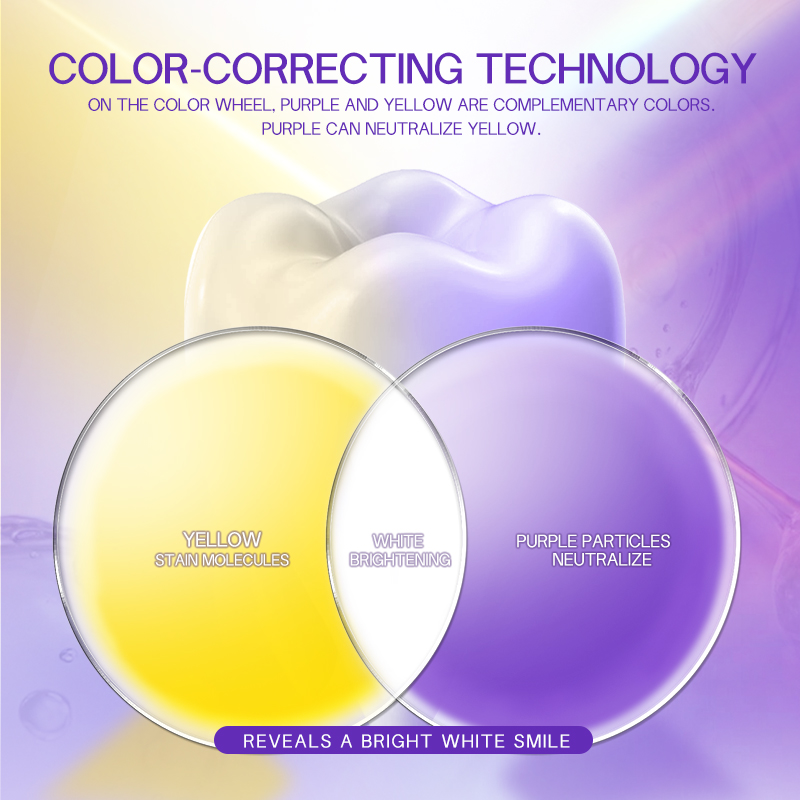
3. Color-Correcting Whitening Toothpaste
The most innovative whitening approach today relies on violet pigments to neutralize yellow tones in teeth. This works similarly to how purple shampoo reduces brassiness in blonde hair. This process produces instant optical brightening without affecting enamel minerals.
Color-correcting formulas are quickly becoming a favorite among professionals for their safety profile and user-friendly results.
Key Ingredients That Make the Best Whitening Toothpaste
High-performing whitening toothpaste products share several key ingredients that contribute to both safety and noticeable results.
Hydroxyapatite (HAp)
A biomimetic mineral that rebuilds enamel, smooths surface texture, and reduces sensitivity. Many experts consider HAp a superior daily alternative to high-peroxide whitening treatments.
Gentle Silica
Low-abrasive silica polishes stains while preserving natural enamel thickness. This keeps teeth bright without risking long-term wear.
Violet Color-Correcting Pigments
Provide an instant whitening effect and pair well with HAp or gentle abrasives for a complete whitening system.
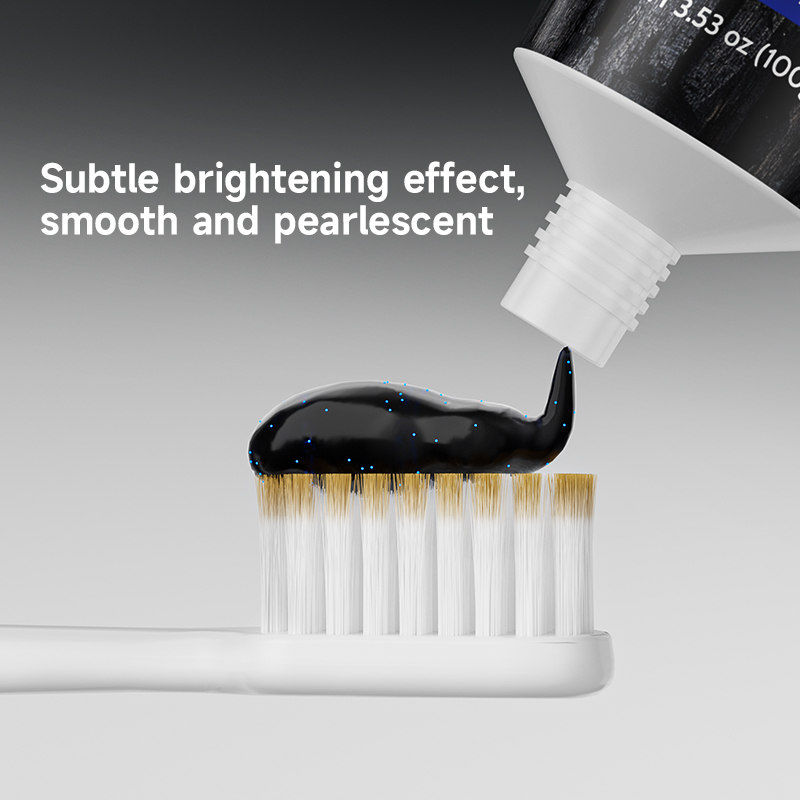
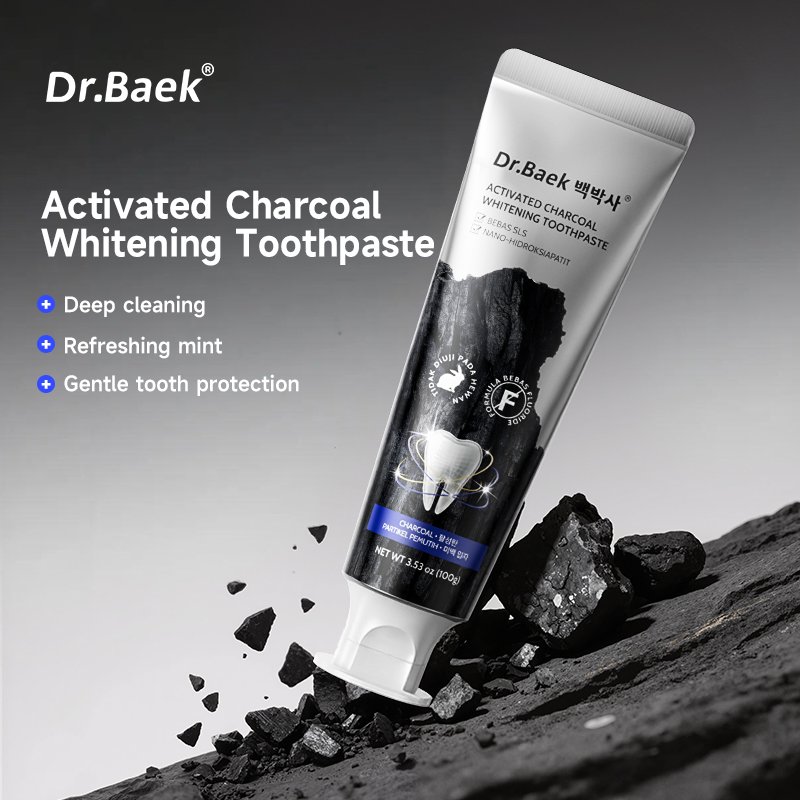
Activated Charcoal
Ultra-fine charcoal particles support stain adsorption and mild polishing. The key is selecting a product formulated with micro-charcoal rather than coarse granules.
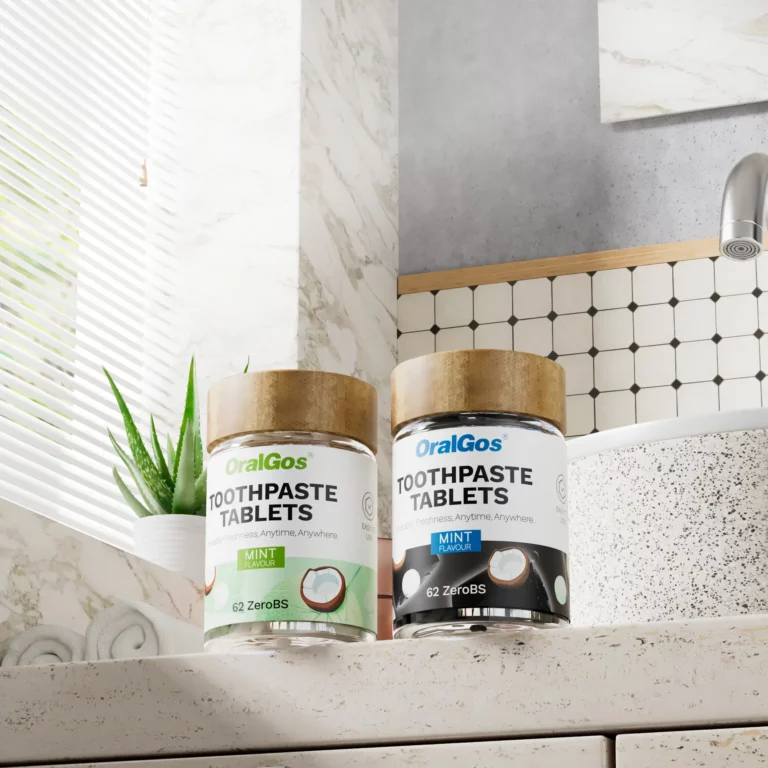
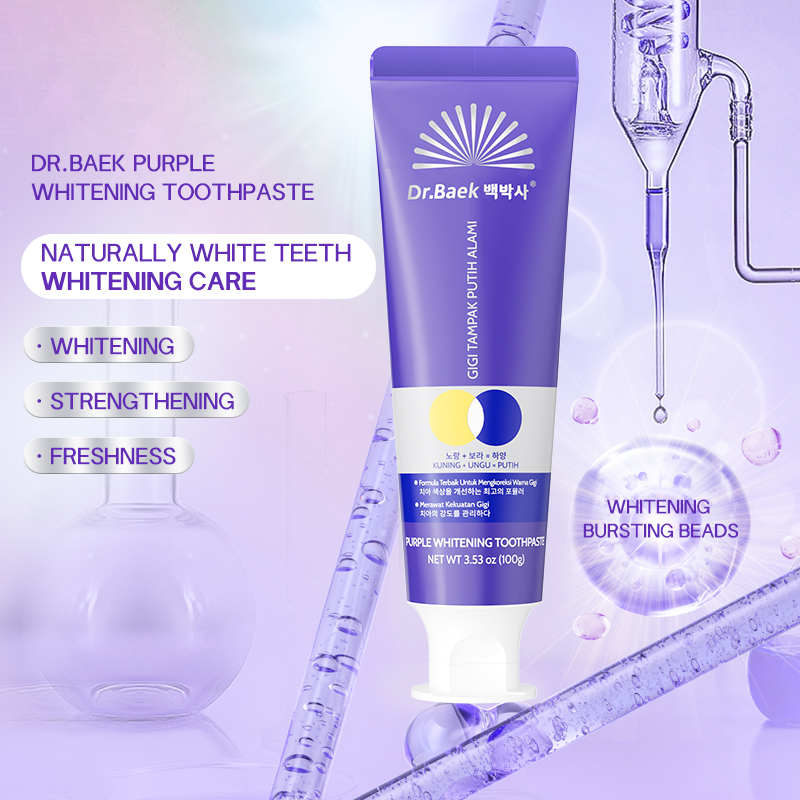
OralGos presents two expertly formulated whitening toothpastes that combine effectiveness and enamel safety:
Both options combine whitening performance with enamel-focused care, making them suitable for daily use.
Why Professionals Prioritize Enamel Safety in Whitening Toothpaste
When evaluating the best whitening toothpaste, dental professionals always start with enamel safety. True whitening must not compromise the long-term structure of the teeth.
Low Abrasivity
Enamel does not regenerate, which means low-abrasive formulas are essential for lifelong oral health.
Sensitivity Control
Many whitening products trigger temporary discomfort. The best daily formulas integrate HAp, potassium nitrate, or fluoride to maintain comfort while brightening teeth.
Transparency and Ingredient Clarity
Top products list RDA scores, active ingredient percentages, and clear usage recommendations. This transparency reflects scientific credibility and consumer safety.
Evidence-Based Results
Dentists also look for clinical data supporting stain removal effectiveness, enamel remineralization, and user safety.
For consumers seeking further scientific guidance, the American Dental Association (ADA) provides reliable research on whitening safety and enamel protection.
Choosing the Best Whitening Toothpaste for Different Needs
People have different lifestyles, diets, and sensitivity levels. The “best” formula varies depending on individual concerns.
✔ For instant visual whitening
A color-correcting whitening toothpaste is ideal. It brightens teeth immediately through optical neutralization without affecting enamel minerals.
✔ For enamel repair and mild whitening
A hydroxyapatite-based product is the best option. Its strengthening effect enhances both color uniformity and long-term health.
✔ For tea, coffee, and wine drinkers
Choose a gentle abrasive formula for removing chromogenic stains.
✔ For users sensitive to peroxide
Charcoal or color-correcting products provide whitening without irritation.
✔ For natural-ingredient enthusiasts
Activated charcoal toothpaste remains a popular choice—provided the formulation uses ultra-fine charcoal.
How to Use Whitening Toothpaste for Best Results
Choosing the best whitening toothpaste is only part of the journey. Daily habits also influence the outcome.
Brush Twice Daily (2 Minutes Each Time)
Maintaining a consistent brushing routine is essential for achieving effective whitening results. Whitening is a cumulative process.
Limit High-Pigment Foods
Foods and beverages such as coffee, red wine, and soy sauce are major contributors to tooth staining. After consuming coffee, red wine, or soy sauce, rinse thoroughly with water to reduce the risk of tooth discoloration.
Pair Whitening Toothpaste With the Right Toothbrush
A soft-bristle or sonic toothbrush enhances stain removal and polishes enamel more efficiently.
Do Not Overbrush
Hard scrubbing does not produce faster whitening—it only increases enamel wear.
Give It Time
Most whitening toothpaste formulas deliver noticeable results within 2–4 weeks of consistent use.
The Best Whitening Toothpaste: Safe, Effective, and Sustainable Options
The best whitening toothpaste is one that balances effectiveness, enamel safety, sensitivity control, and science-backed ingredients. Instead of chasing extreme whitening claims, the smartest strategy is choosing a formula that enhances brightness while protecting enamel.
Hydroxyapatite-based products, color-correcting formulas, and gentle abrasive toothpastes represent the most advanced daily whitening solutions available today. Whether you select an enamel-strengthening toothpaste or a charcoal-based whitening product, it is important to prioritize safety. Whitening should be gradual and maintain long-term enamel health.
Effective oral-care outcomes start with selecting a whitening toothpaste that balances safety, efficacy, and enamel protection.