In the modern oral care industry, the quality of a toothbrush is often judged by its bristles. Toothbrush bristles play a critical role in cleaning efficiency, durability, and user comfort. For oral-care professionals and procurement specialists, understanding the differences among nylon, PBT, and biodegradable fibers is essential when sourcing high-performance toothbrushes. This guide breaks down the material science behind each bristle type, helping buyers make informed decisions.
Why Toothbrush Bristle Material Matters for Oral Care Performance
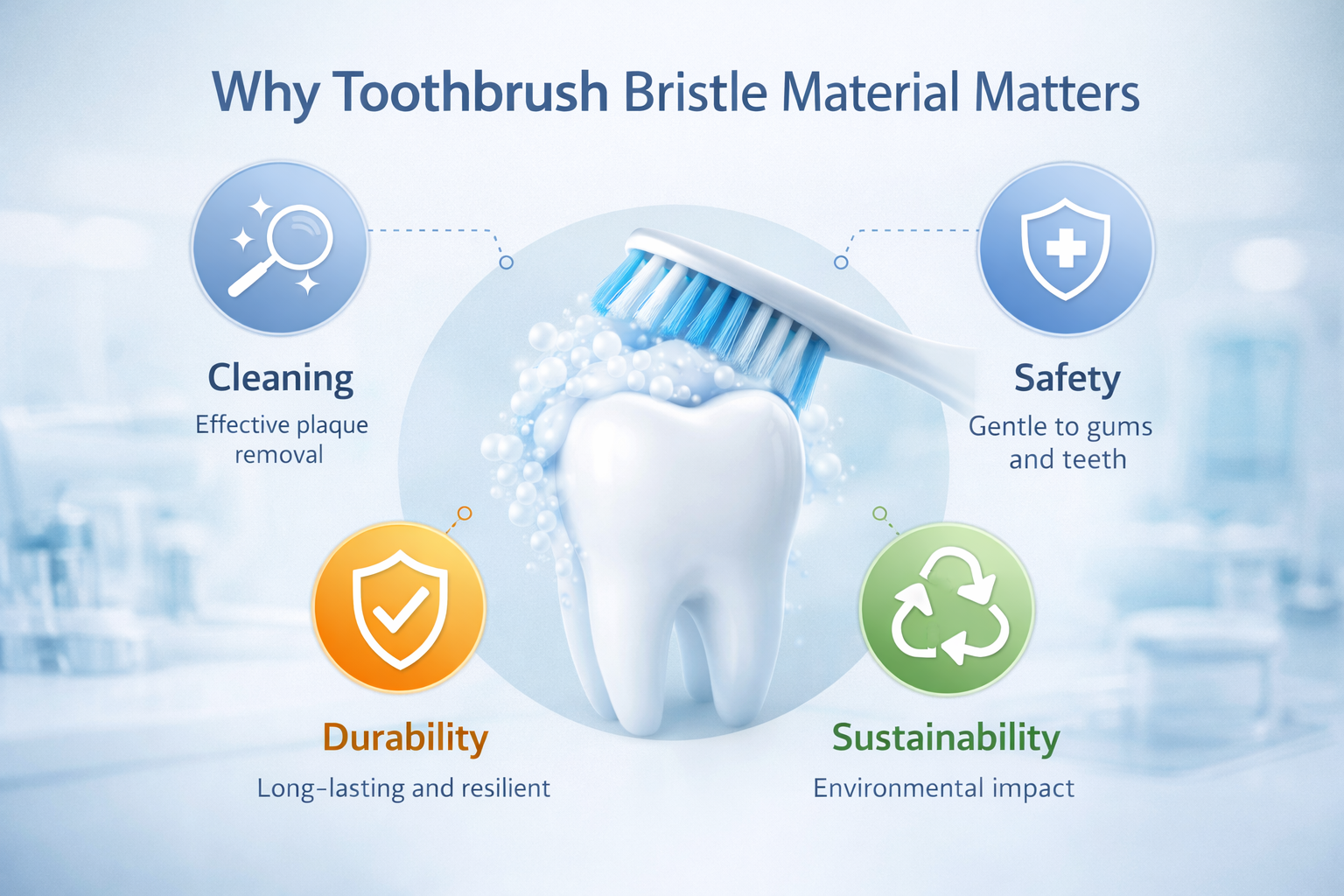
The material of a toothbrush bristle affects its stiffness, wear resistance, and safety. Soft bristles protect enamel, but durable, chemically resistant bristles ensure long-lasting performance. Selecting the right toothbrush bristle type is crucial not only for consumer satisfaction but also for brand reliability.
Procurement specialists should consider:
- Cleaning efficiency and plaque removal
- Longevity of the bristle under frequent use
- Safety for sensitive teeth and gums
- Environmental impact
Nylon Toothbrush Bristles: The Industry Standard for Durability
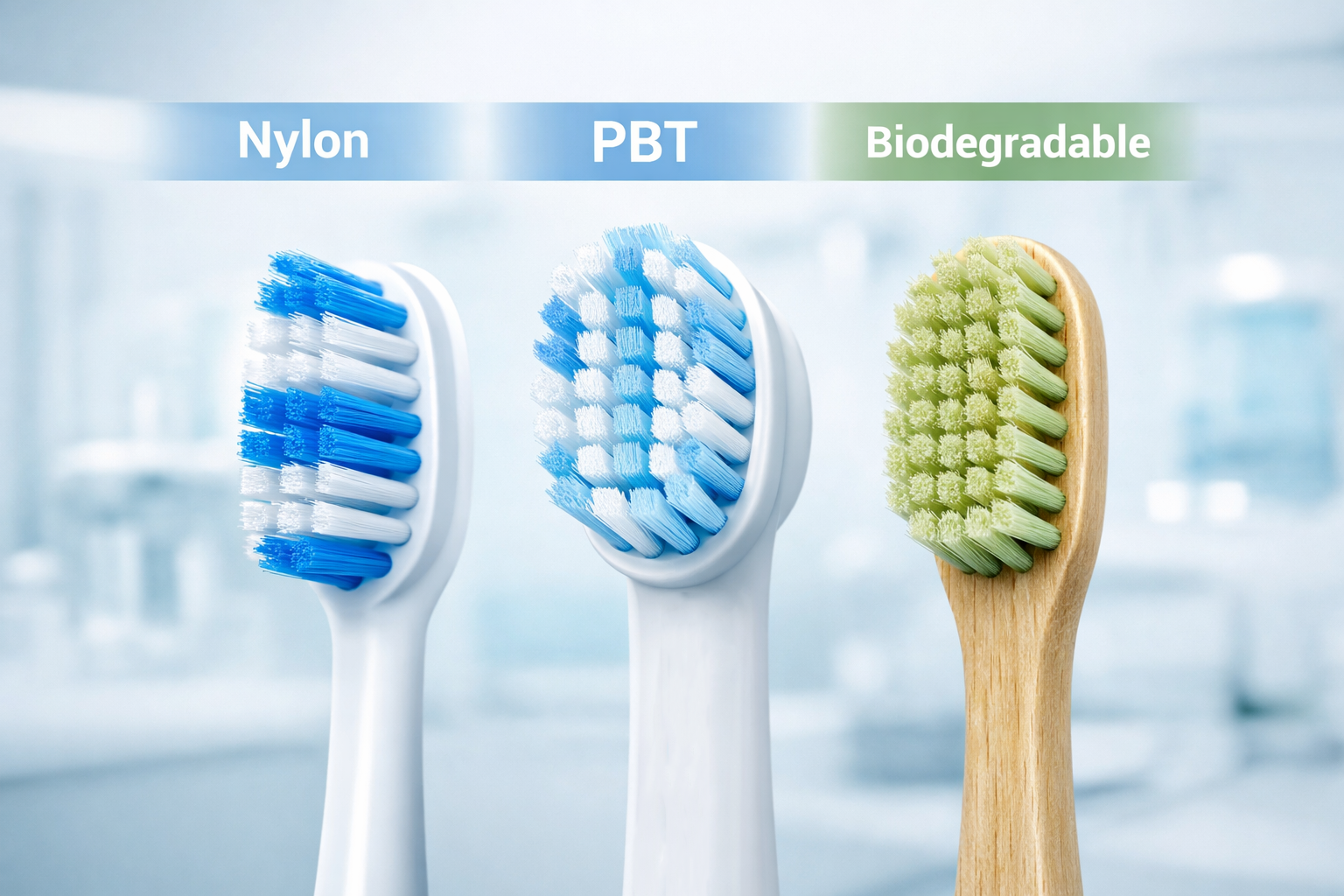
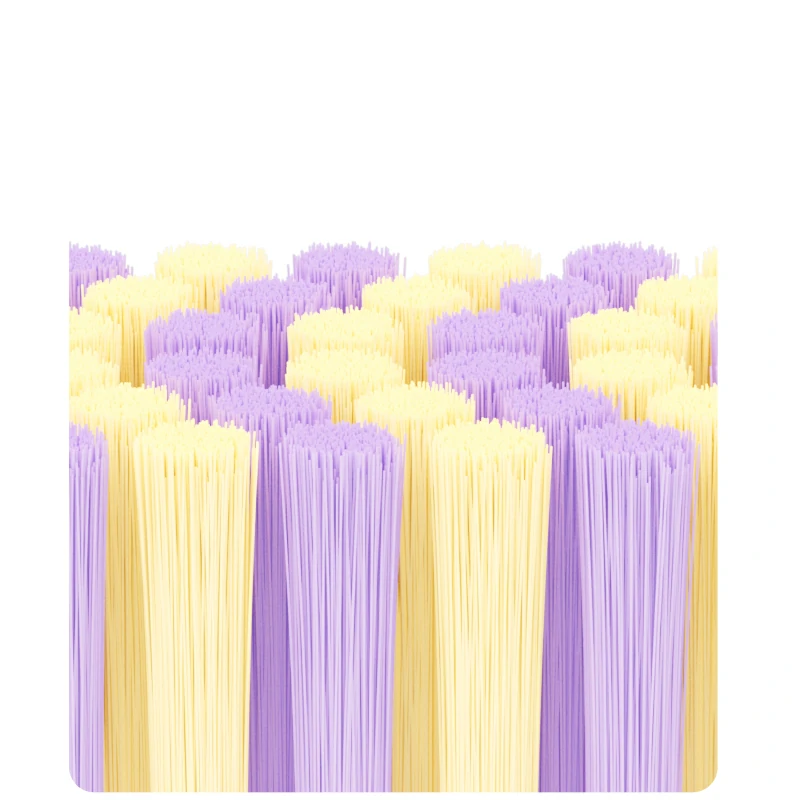
Since the 1930s, nylon has served as the dominant material for toothbrush bristles. These bristles deliver long-lasting durability, flexible performance, and strong resistance to bacterial growth. Different grades of nylon, including Nylon-6 and Nylon-612, offer varying tensile strength and flexibility.
Key features of nylon bristles:
- Durability: Can withstand repeated brushing without fraying.
- Flexibility: Soft or medium options are ideal for sensitive gums.
- Chemical Resistance: Resistant to toothpaste ingredients and disinfectants.
Many manual and electric toothbrushes use nylon bristles for their proven performance. For procurement, nylon remains a reliable choice for buyers who value durability and wide consumer acceptance.
PBT Toothbrush Bristles: A Modern Alternative to Nylon
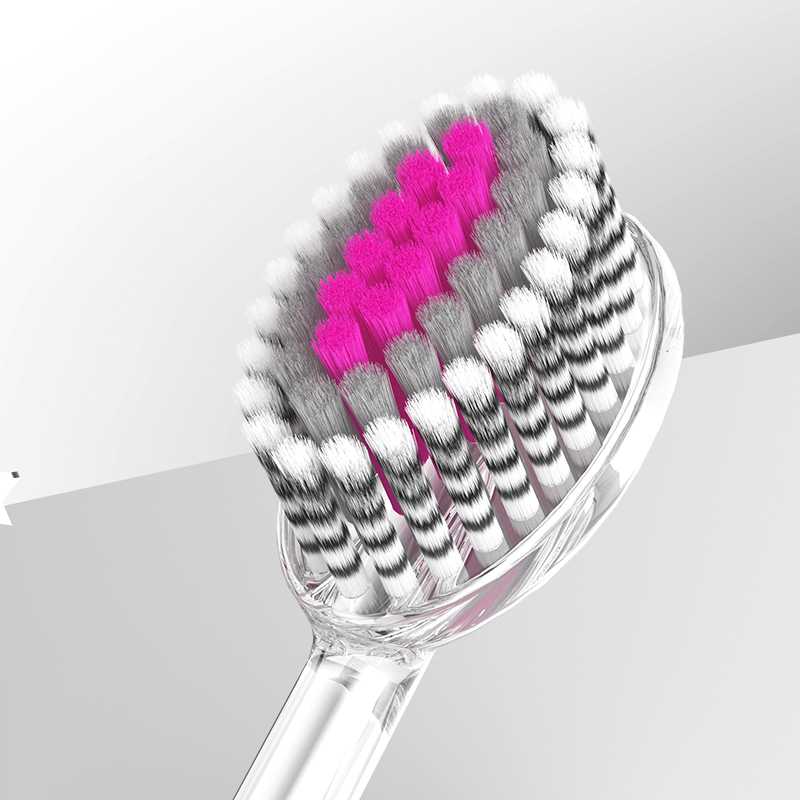
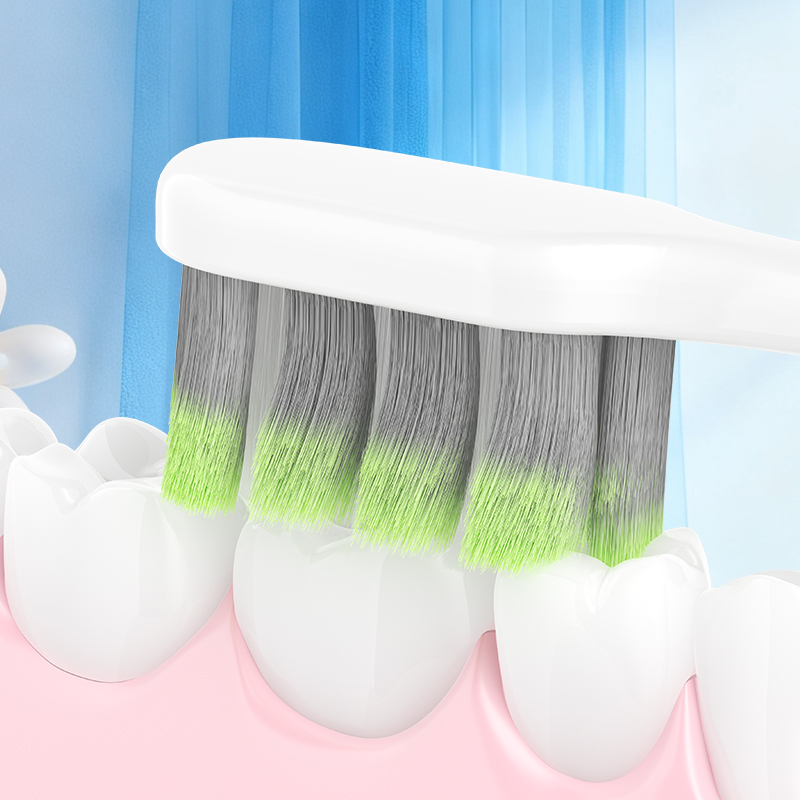
Polybutylene Terephthalate (PBT) is increasingly used as an alternative to nylon. PBT bristles combine stiffness with excellent chemical resistance, making them ideal for toothbrushes with special coatings that resist bacteria.
Advantages of PBT bristles:
- Shape Retention: Maintains its structure even after prolonged use.
- Chemical Stability: Resistant to harsh toothpaste formulations.
- Consistency: Ideal for precision cleaning and professional-grade toothbrushes.
Manufacturers often choose PBT bristles for premium toothbrush lines, including high-end manual and specialized electric models. Procurement managers often select PBT when uniform bristle performance is a key requirement.
Biodegradable Toothbrush Bristles: An Eco-Friendly Choice
As sustainability becomes a major concern in oral care, biodegradable fibers are gaining traction. Made from plant-based or bio-based plastics, these bristles decompose faster than traditional synthetic fibers.
Key considerations for biodegradable bristles:
- Environmental Impact: Reduces plastic waste in landfills.
- Moderate Durability: May wear faster than nylon or PBT.
- Consumer Appeal: Eco-conscious consumers are more likely to choose toothbrushes with these bristles.
While still less common than nylon or PBT, biodegradable bristles are suitable for brands emphasizing green credentials. For professional procurement, they offer a strategic advantage in markets where sustainability is a purchasing criterion.
How Procurement Teams Select the Right Toothbrush Bristle Material
For oral-care buyers, the choice of bristle material depends on several factors:
- Target Market: Consumer preference for soft, medium, or firm bristles.
- Product Line: Manual versus electric toothbrush requirements.
- Longevity vs. Sustainability: Nylon and PBT excel in durability; biodegradable fibers appeal to eco-conscious consumers.
- Compliance and Safety: Bristles should meet FDA or EU safety standards, especially for children’s toothbrushes.
By understanding material differences, procurement teams can source toothbrushes that balance performance, safety, and environmental responsibility. To learn more about different toothbrush types and designs, visit the American Dental Association’s oral health topics. Industry reports from Statista provide valuable market trends and data.
Conclusion
Choosing between nylon, PBT, and biodegradable toothbrush bristles goes beyond technical factors. It also affects cleaning performance, customer satisfaction, and brand positioning. Nylon offers durability and flexibility, PBT ensures stability and chemical resistance, and biodegradable fibers support sustainability goals.
Procurement professionals who understand these differences can make better sourcing decisions. This helps ensure their product lines meet market demand and regulatory requirements.
For procurement teams looking at manual and electric toothbrushes, the bristle material is an important first step. This choice helps in selecting a high-quality, user-friendly, and sustainable oral-care product.