A water flosser is only as effective as the tip it uses. While many users focus on pressure levels or water capacity, the water flosser nozzle is just as important. It directly affects cleaning efficiency, comfort, and overall oral health results. Choosing the wrong nozzle can reduce plaque removal—or worse, irritate gums.
In this guide, we break down the three most common water flosser nozzle types: standard, orthodontic, and periodontal. This guide explains how each nozzle works, who should use it, and how dental professionals recommend using it.
Why Water Flosser Nozzle Types Matter
Different oral conditions require different cleaning approaches. A single nozzle design cannot effectively serve braces, periodontal pockets, and general daily cleaning at the same time.
The right nozzle helps:
- Improve plaque removal efficiency
- Reduce gum irritation
- Reach difficult or sensitive areas
- Support long-term oral health compliance
According to the American Dental Association, water flossers can be effective alternatives to string floss. They work best when users choose the appropriate tip and use it correctly.
Standard Water Flosser Nozzle: Everyday Cleaning Essential
What Is a Standard Water Flosser Nozzle?
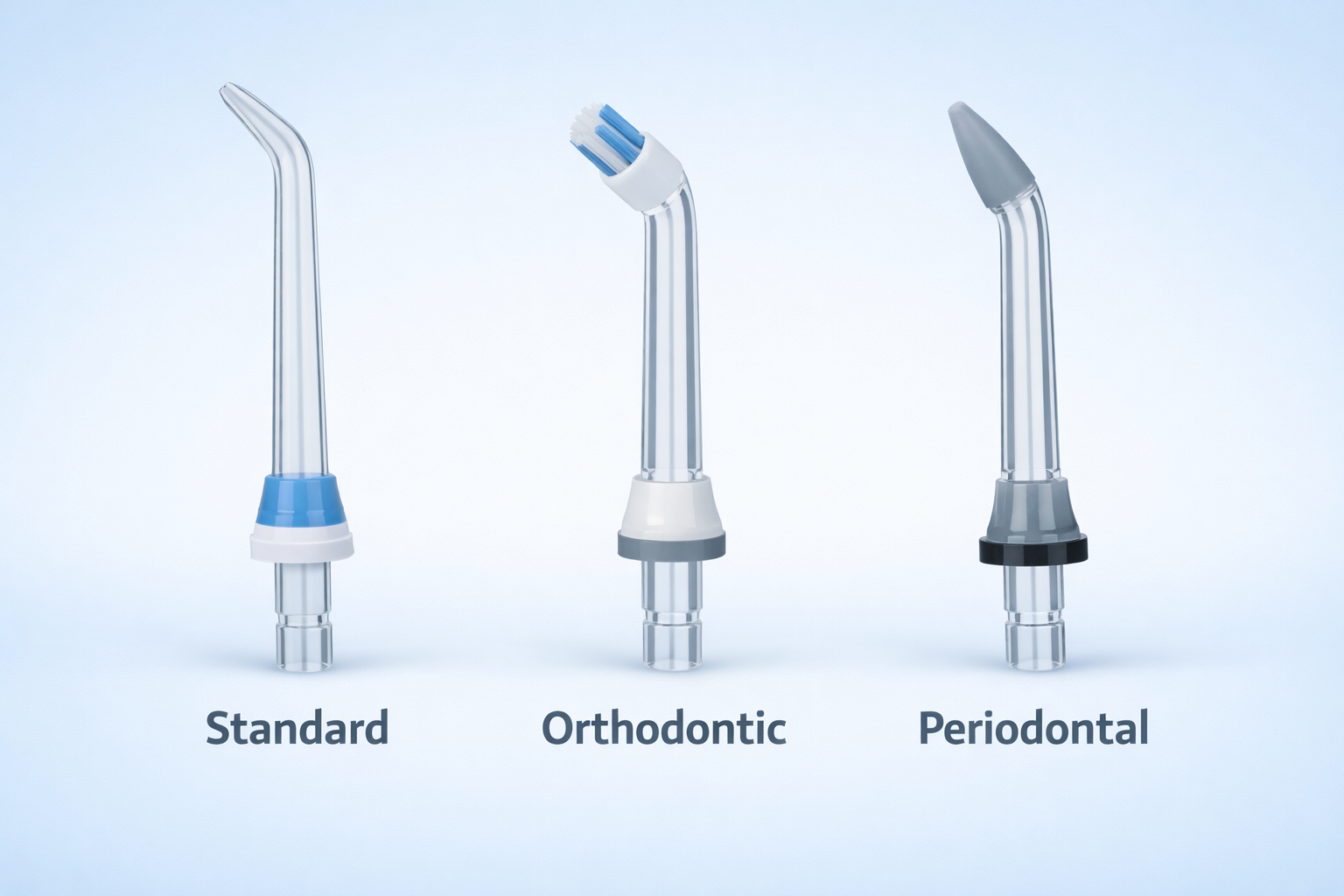
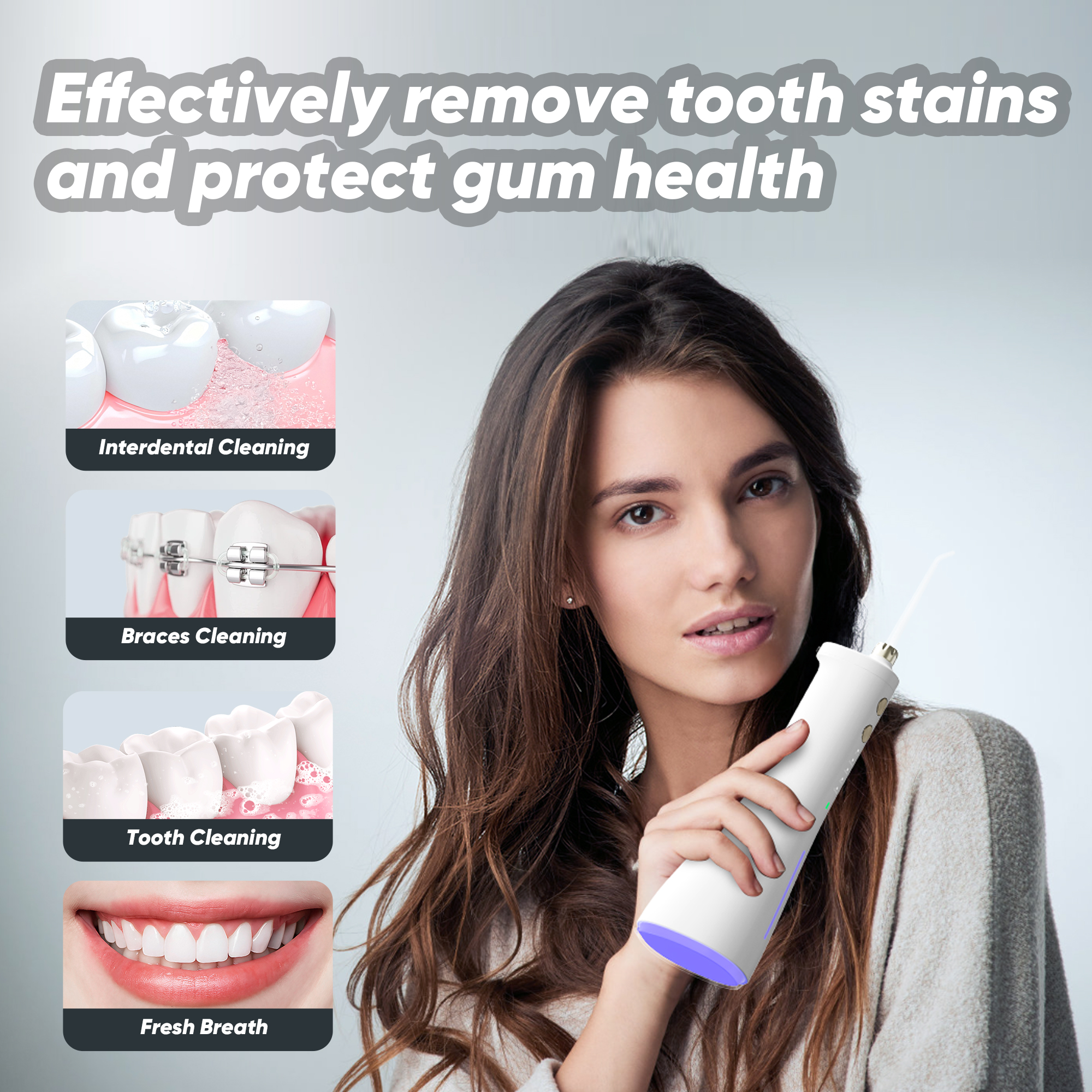
The standard tip is the most commonly included one in kits. It features a straight or slightly angled tip that directs a pulsating water stream between teeth and along the gumline.
Who Should Use It?
This nozzle is ideal for:
- Users without braces or implants
- Daily plaque and debris removal
- First-time water flosser users
Benefits of a Standard Water Flosser Nozzle
- Easy to use and control
- Suitable for most oral care routines
- Effective for general interdental cleaning
For brands and retailers, the standard nozzle is the baseline configuration. Also, the most frequently replaced accessory is this one.
Orthodontic Water Flosser Nozzle: Designed for Braces
How an Orthodontic Water Flosser Nozzle Works
An orthodontic nozzle typically includes a tapered brush tip combined with a targeted water jet. This hybrid design helps dislodge food particles trapped around brackets and wires.
Ideal Users for Orthodontic Nozzles
- Patients with braces or aligners
- Users with bridges or complex dental work
- Teenagers undergoing orthodontic treatment
Key Advantages
- Reaches areas string floss often misses
- Helps reduce plaque buildup around brackets
- Encourages better oral hygiene compliance
Clinical studies referenced by the American Dental Association suggest that orthodontic water flosser tips can significantly improve plaque removal compared to manual flossing alone.
Periodontal Water Flosser Nozzle: Targeted Gum Care
What Makes a Periodontal Water Flosser Nozzle Different?
A periodontal nozzle has a soft rubber or silicone tip. It gently delivers water below the gumline and specifically targets periodontal pockets, unlike standard tips.
Who Needs a Periodontal Nozzle?
- Patients with gum disease
- Post-surgical dental patients
- Users with sensitive or receding gums
Clinical Benefits
- Helps reduce bacteria in periodontal pockets
- Supports gum healing and inflammation control
- Gentle enough for sensitive oral conditions
Dental professionals often recommend a low-pressure setting when using a periodontal nozzle to prevent tissue irritation.
How to Choose the Right Water Flosser Nozzle
Selecting the right nozzle depends on individual oral conditions rather than personal preference. Here’s a simple guideline:
- General cleaning → Standard nozzle
- Braces or appliances → Orthodontic nozzle
- Gum disease care → Periodontal nozzle
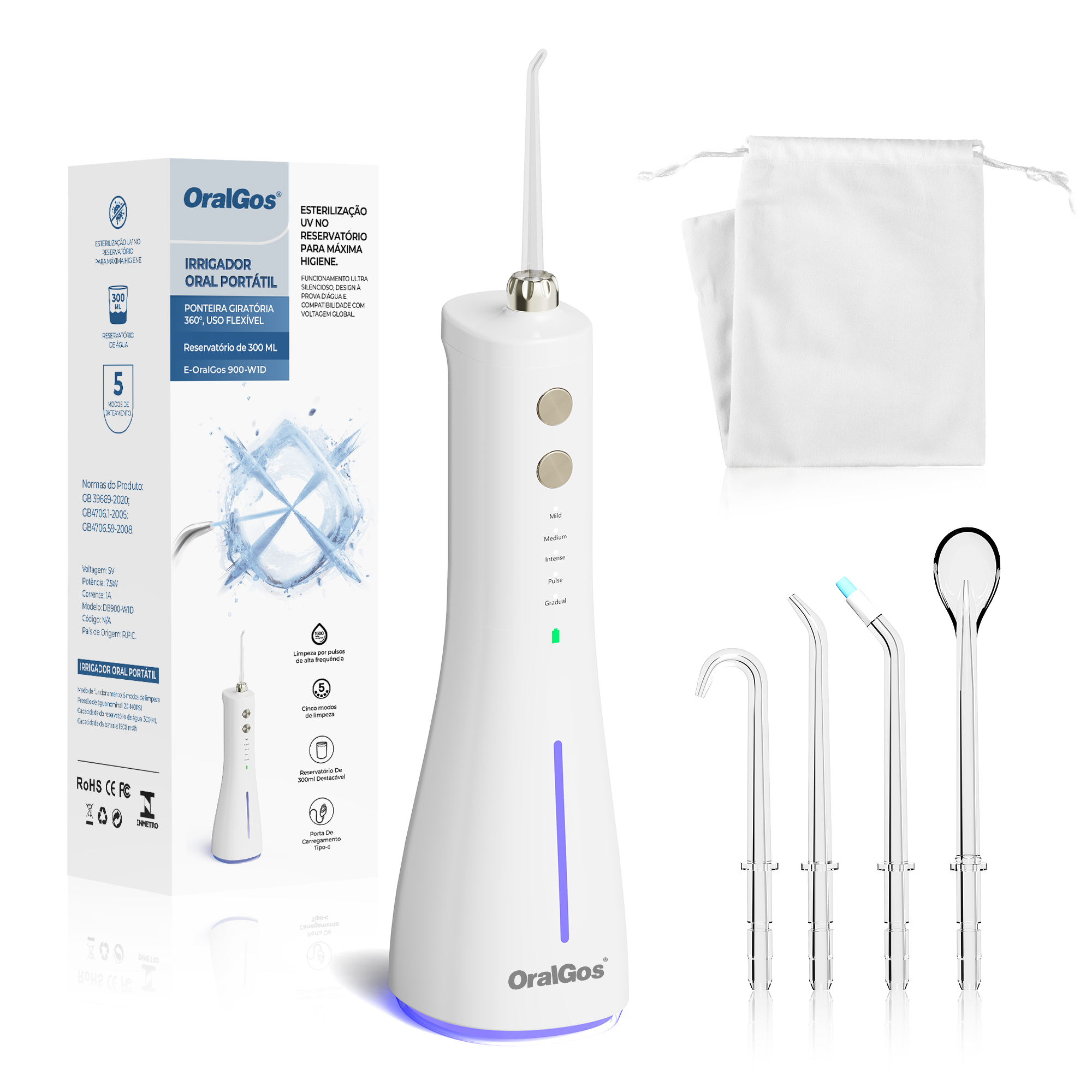
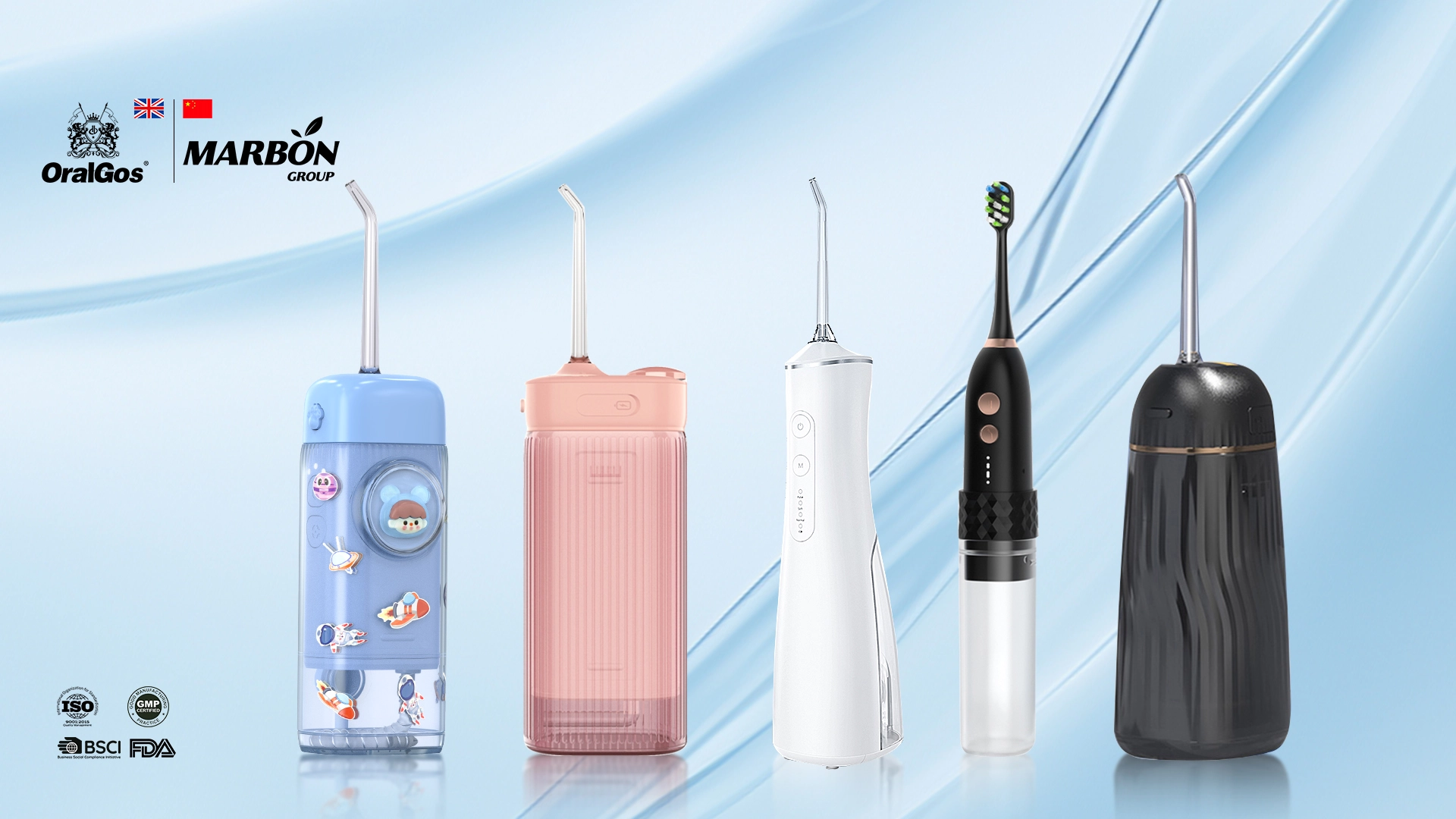
Many manufacturers offer interchangeable nozzle systems, allowing users to switch tips based on daily needs. For a full range of professional-grade options, you can explore different water flosser models and accessories.
Professional Recommendations and Usage Tips
Dental professionals advise:
- Replacing each nozzle every 3–6 months
- Cleaning tips regularly to prevent bacterial buildup
- Matching nozzle type with water pressure settings
The American Dental Association emphasizes the importance of using a water flosser consistently. It also stresses that correct technique matters just as much as the device itself.
Final Thoughts: The Right Nozzle Makes All the Difference
Understanding water flosser nozzle types empowers users to get the most out of their oral care routine. The right nozzle improves comfort and cleaning effectiveness for daily care, orthodontic needs, or gum support. It also promotes better long-term oral health.
For brands, clinicians, and informed consumers, selecting the correct nozzle is critical. It plays a central role in the overall performance of a water flosser.