As oral care routines evolve, parents are increasingly introducing advanced cleaning tools to their children at an earlier age. One product drawing growing attention is the kids water flosser. Many people widely recognize water flossers for their effectiveness in plaque removal. However, manufacturers must ask a critical question before entering this segment: Is a water flosser safe for kids?
Designing a child-safe water flosser is more than just making a smaller version of an adult model. Manufacturers must also consider pressure control and regulatory compliance. Manufacturers must carefully consider several factors when developing or sourcing a water flosser for children. This is especially important in today’s safety-conscious market.
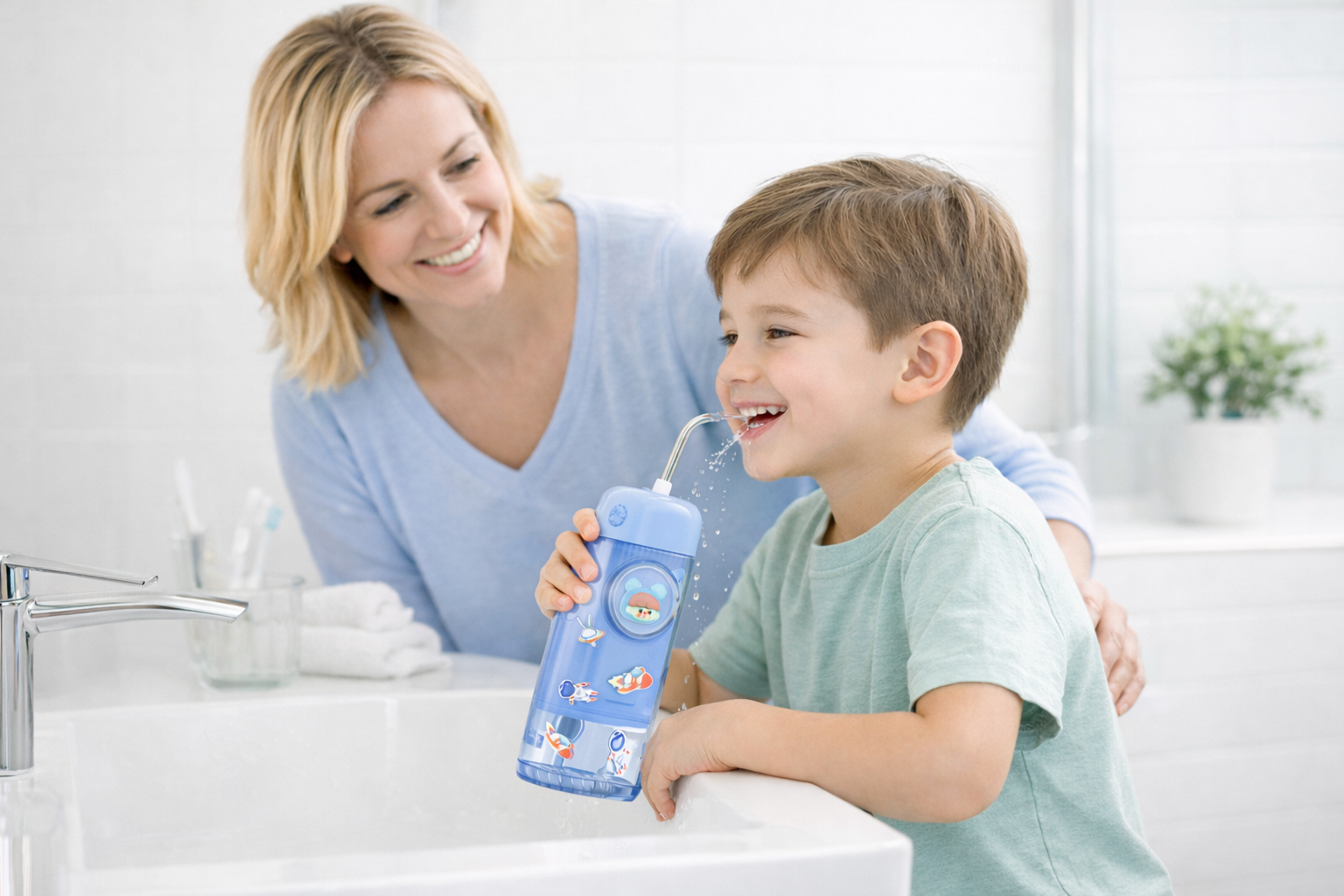
Why Are Parents Interested in a Kids Water Flosser?
Children often struggle with traditional string floss due to limited dexterity and low compliance. A kids water flosser offers an alternative that feels easier, faster, and sometimes even fun to use.
Dental professionals recognize that water flossers help remove debris from hard-to-reach spaces between teeth. They are especially useful for children with braces or orthodontic appliances. The American Dental Association (ADA) advises that water flossers can support brushing. They are effective when used correctly and under supervision.
This growing acceptance has opened the door for manufacturers—but also raised the bar for safety and responsibility.
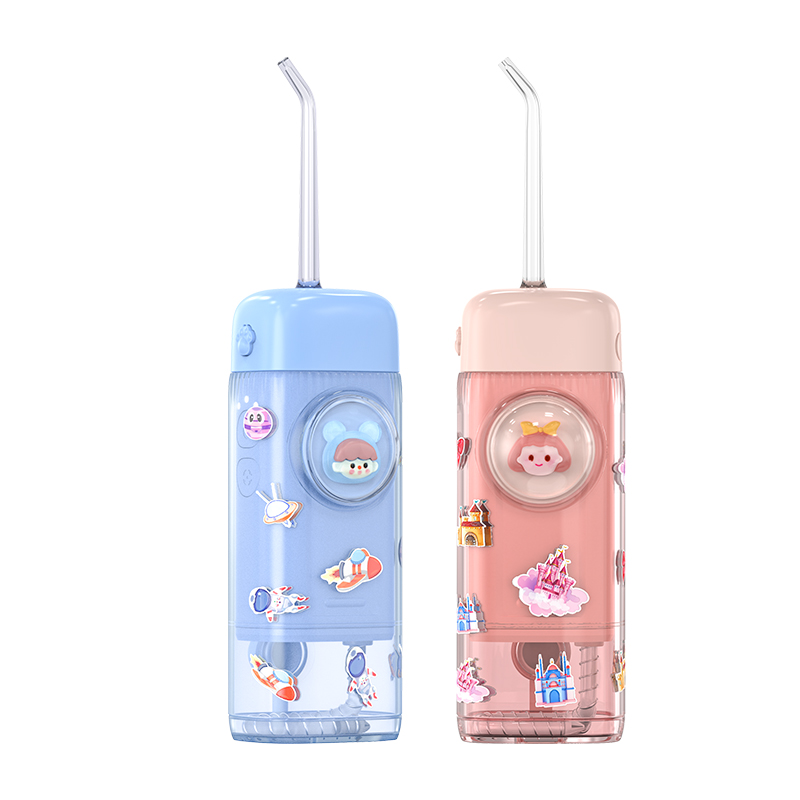


Is a Kids Water Flosser Safe for Children?
The short answer is: yes, a kids water flosser can be safe—if designed properly. Safety depends on multiple technical and behavioral factors, including pressure output, nozzle design, and parental supervision.
Unlike adults, children have more sensitive gums and developing oral tissues. Excessive water pressure or poorly designed tips may cause discomfort or even gum irritation. Manufacturers must treat the kids segment as a separate category. Manufacturers should not treat it as a smaller or simplified version of adult products.
Key Safety Factors for a Kids Water Flosser Manufacturers Must Consider
Pressure Control and PSI Limits
Pressure regulation is the single most important feature in a child-specific water flosser. Manufacturers should ensure:
- Low starting PSI suitable for young users
- Multiple pressure modes with a clearly defined “kids-safe” range
- Gradual ramp-up rather than sudden pressure bursts
Industry best practices typically recommend lower PSI levels for children compared to adults, reducing the risk of gum trauma.
Child-Friendly Nozzle Design
A well-designed nozzle improves both safety and usability. For a children’s water flosser, manufacturers should prioritize:
- Soft, rounded nozzle tips
- Shorter nozzle length for smaller mouths
- Secure locking mechanisms to prevent detachment during use
Ergonomics also matter. A nozzle that fits comfortably in a child’s hand encourages correct usage and minimizes accidents.
Materials and Manufacturing Safety Standards
Children’s oral care devices are subject to higher scrutiny, particularly in international markets. A compliant kids water flosser should use:
- BPA-free, food-grade plastics
- Materials tested for safety with the body
- Components resistant to mold and bacterial buildup
Manufacturers should follow recognized quality systems like ISO-certified production processes to ensure consistent quality and the ability to track products.
Compliance and Regulatory Considerations
Regulatory compliance is non-negotiable when targeting children’s products. Depending on the destination market, a kids water flosser may require:
- CE or FDA-related documentation
- Age grading and clear labeling
- Safety instructions emphasizing adult supervision
Referencing established dental authorities like the American Dental Association in educational materials can also enhance brand credibility and consumer trust.
Designing for Parents, Not Just Kids
While the end user is a child, the buyer is almost always a parent. Manufacturers should consider:
- Clear safety messaging on packaging
- Simple setup and easy cleaning
- Visual indicators showing pressure levels
Parents want reassurance that a children’s water flosser is not only effective, but also gentle and responsibly designed.
OEM Opportunities for Child-Specific Water Flossers
For brands and distributors, partnering with an experienced OEM supplier can significantly reduce development risk. Purpose-built OEM solutions help manufacturers launch a kids water flosser with built-in safety features. These include controlled PSI, a compact design, and ready-to-use compliance documents.
You can explore a child-oriented OEM kids water flosser solution here.
This type of OEM approach enables faster market entry while maintaining safety and quality benchmarks.
Final Thoughts: Safety Is a Design Decision
So, is a water flosser safe for kids? From a manufacturing standpoint, the answer depends on how manufacturers engineer, test, and position the product. A well-designed kids water flosser combines gentle performance with effective cleaning. It also provides clear compliance details and parent-focused messaging.
For manufacturers, safety is not just a feature. It builds long-term trust and supports brand success in the children’s oral care market.