
Maintaining excellent oral hygiene goes beyond brushing twice a day. People often overlook one crucial factor: toothbrush head shapes. Your toothbrush head design and size can affect how well you brush, your gum health, and your long-term dental health. Understanding the variations in toothbrush head shapes can help you choose the best fit for your oral care routine.
Understanding Toothbrush Head Shapes
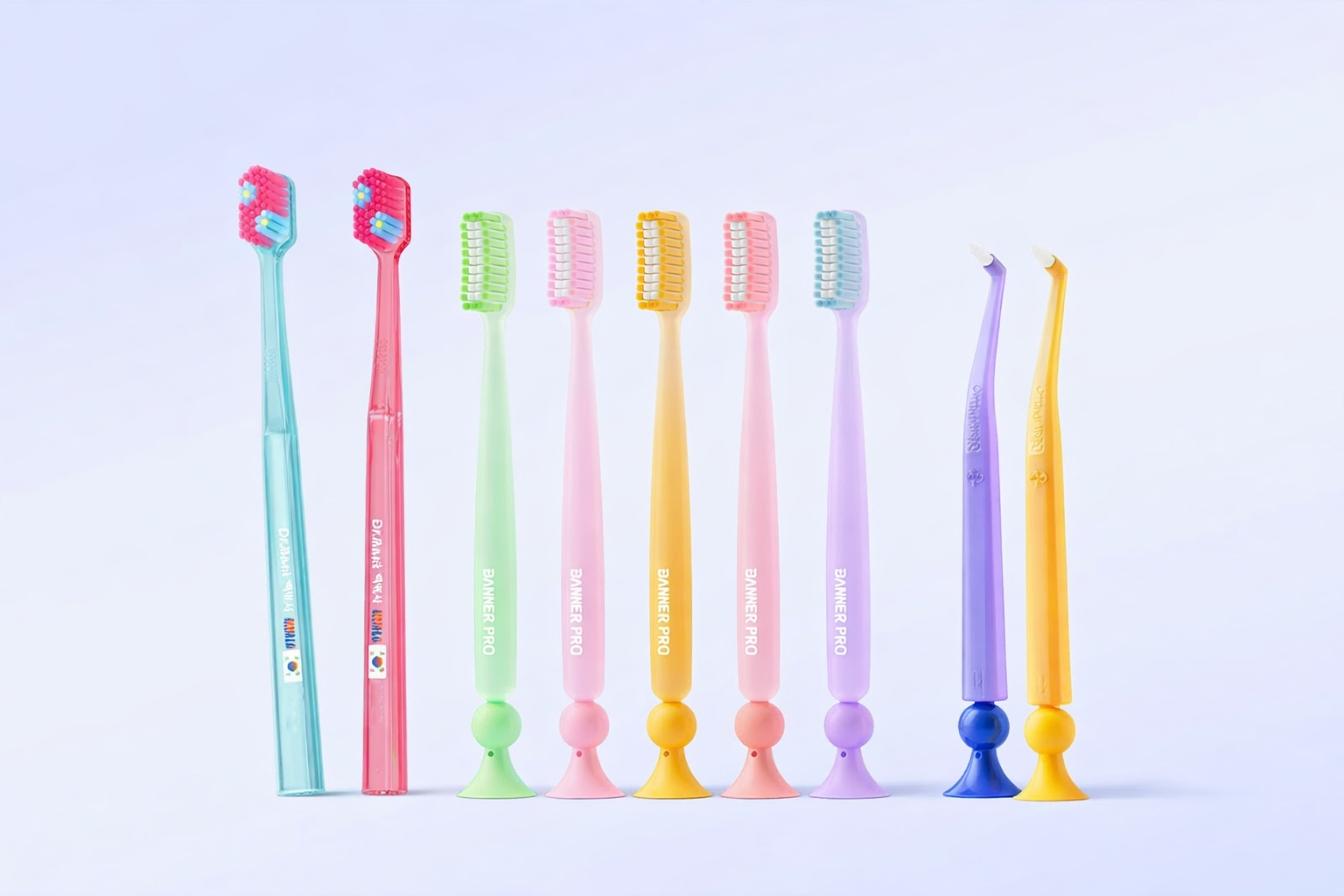
Toothbrush heads come in multiple designs, including standard rectangular, long-head, wide soft, and specialized shapes. Each shape has unique benefits depending on the user’s needs and oral anatomy. According to the American Dental Association, the right toothbrush head can reduce plaque, prevent gum irritation, and improve cleaning.
Benefits of Long-Head Toothbrush Design
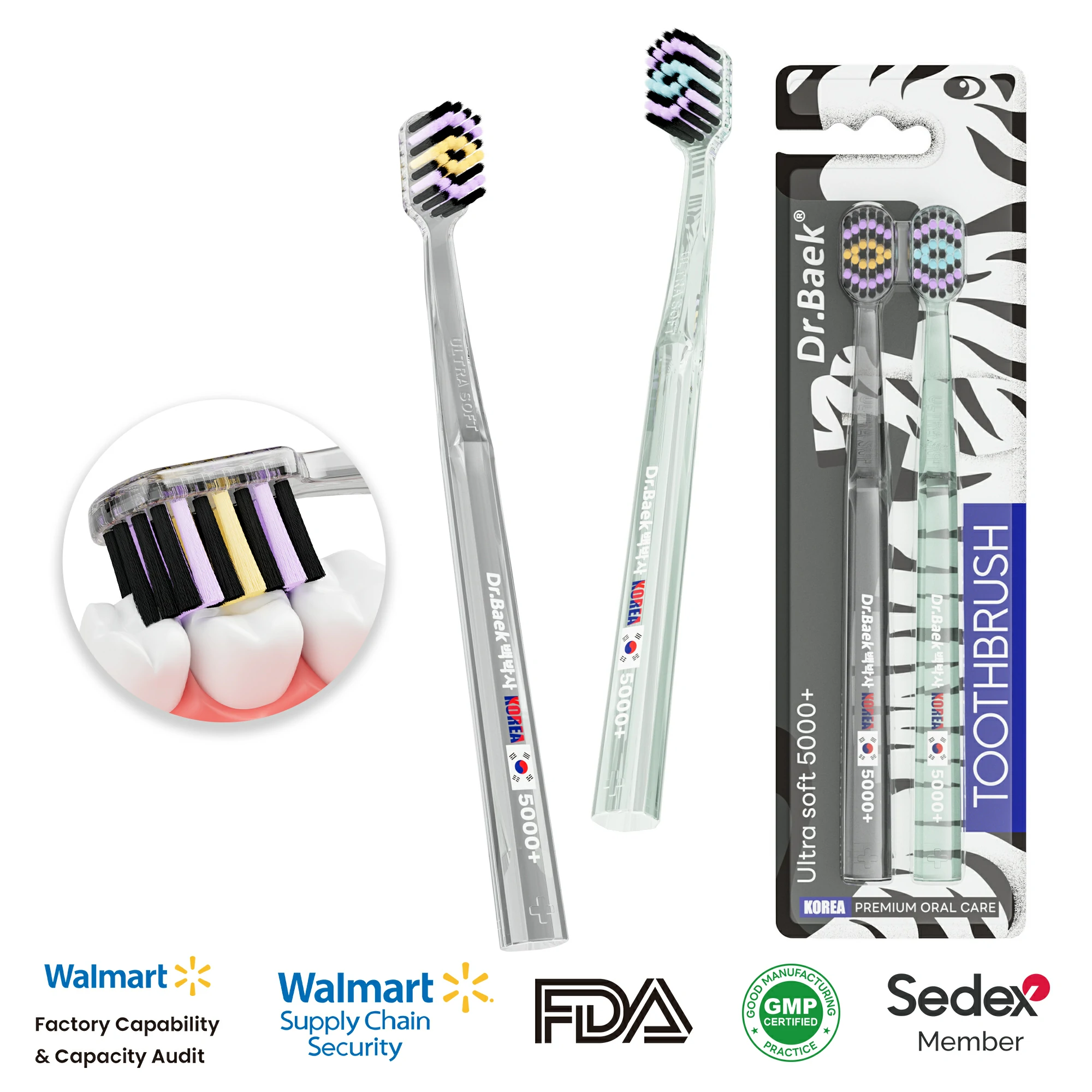
Long-head toothbrushes feature an extended brushing surface, allowing you to cover more teeth with each stroke. This shape is particularly useful for adults and teens with larger mouths. Long-head brushes can reach molars better. This helps reduce plaque buildup in hard-to-reach areas.
For example, the OralGos Long Head Arc-Shaped Toothbrush has a long head and a slight arc. It helps reach back teeth and stays gentle on gums. Users report better cleaning coverage and less brushing time. This makes it ideal for busy adults who still want thorough oral hygiene.
Wide Soft Toothbrush Shapes
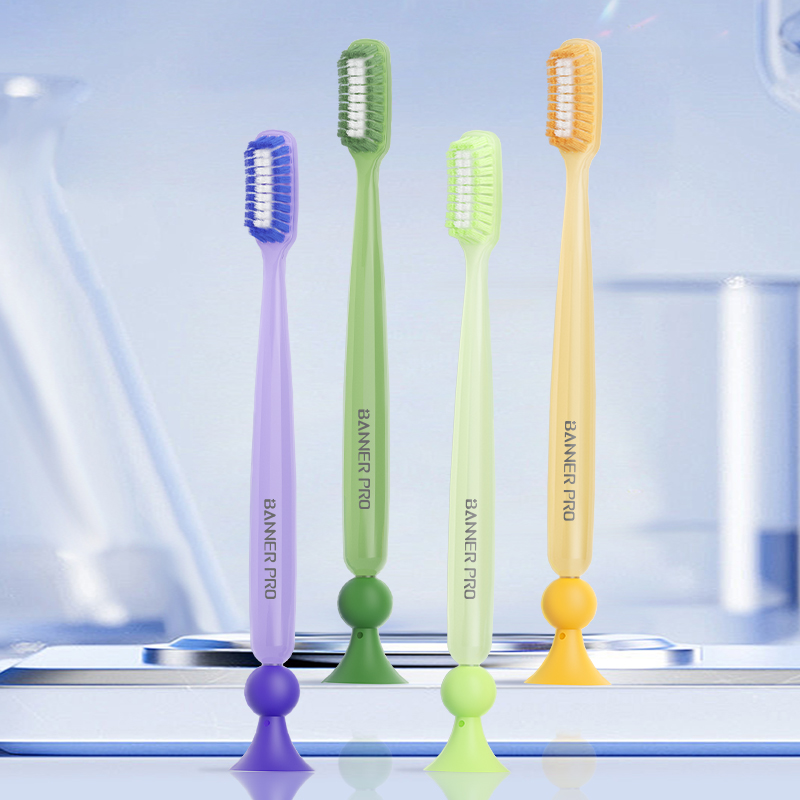
Wide soft toothbrush heads offer broader coverage with ultra-soft bristles, making them suitable for sensitive teeth and gums. This design minimizes the risk of enamel abrasion while effectively cleaning the tooth surfaces. Wide, soft toothbrushes work well for adults with sensitive teeth. Children usually need smaller, age-appropriate brush heads for better control.
A popular option is the OralGos Wide Soft Toothbrush. It has soft bristles and a wider head. This helps it clean well and stay gentle. This shape ensures that users with delicate gums can maintain optimal oral hygiene without discomfort.
Specialized Toothbrush Head Shapes
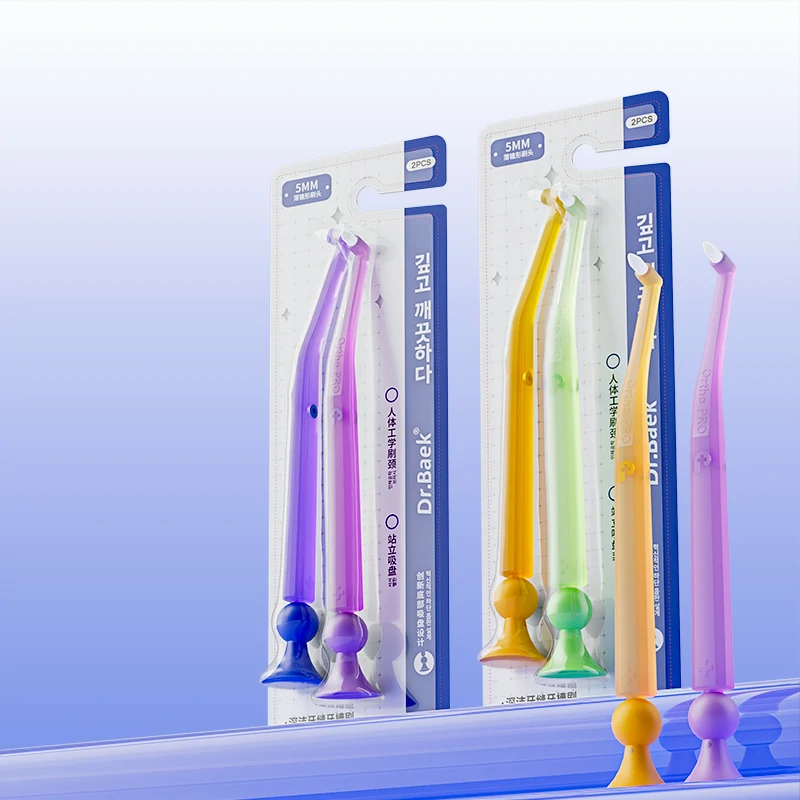
Beyond long and wide designs, other specialized toothbrush head shapes exist to target specific oral issues. For instance, tapered or pointed heads are excellent for cleaning interdental spaces and around braces. Designers make some electric toothbrush heads with multi-level bristles. These bristles adapt to tooth contours and improve plaque removal efficiency.
How Toothbrush Head Shapes Affect Oral Health
The impact of toothbrush head shapes on oral health goes beyond personal comfort. The right shape ensures that bristles reach all tooth surfaces, including difficult areas near the gumline and between teeth. Poorly chosen head shapes may leave plaque behind, contributing to cavities, gum disease, and bad breath.
A well-designed toothbrush head with suitable bristles improves cleaning. It also helps reduce enamel wear and soft tissue damage. People with sensitive teeth should choose soft or ultra-soft bristles with a suitable head size. Those seeking deeper cleaning may prefer slightly firmer bristles combined with a long-head design.
How to Choose the Right Toothbrush for Your Needs
Selecting the ideal toothbrush head shape depends on your age, dental condition, and personal brushing technique. Adults with larger mouths often benefit from long-head brushes, while wide soft heads suit sensitive mouths. Specialized designs may complement orthodontic treatments or target specific oral health concerns.
When choosing a toothbrush, consult with dental professionals and refer to trusted resources such as the American Dental Association. Combining the right head shape with proper brushing technique ensures maximum plaque removal and promotes long-term oral health.
Conclusion
Understanding toothbrush head shapes is essential for optimizing oral hygiene. Long-head, wide soft, and specialized toothbrush heads each offer unique benefits. They improve cleaning efficiency, protect gums, and help reduce dental problems. By choosing the right toothbrush head for your needs, you can maintain a healthier smile and prevent common oral problems.