Electric toothbrushes have transformed daily oral care by delivering consistent brushing motion and improved plaque removal. However, as adoption has grown, one user concern continues to surface: electric toothbrush noise. For many consumers—especially families, light sleepers, and shared living environments—excessive vibration noise can negatively affect the brushing experience.
Modern product engineering now treats noise reduction not as an afterthought, but as a core design metric. This article explores how manufacturers reduce brushing noise, why it matters for user compliance, and what buyers and oral-care professionals should understand when evaluating quieter designs.
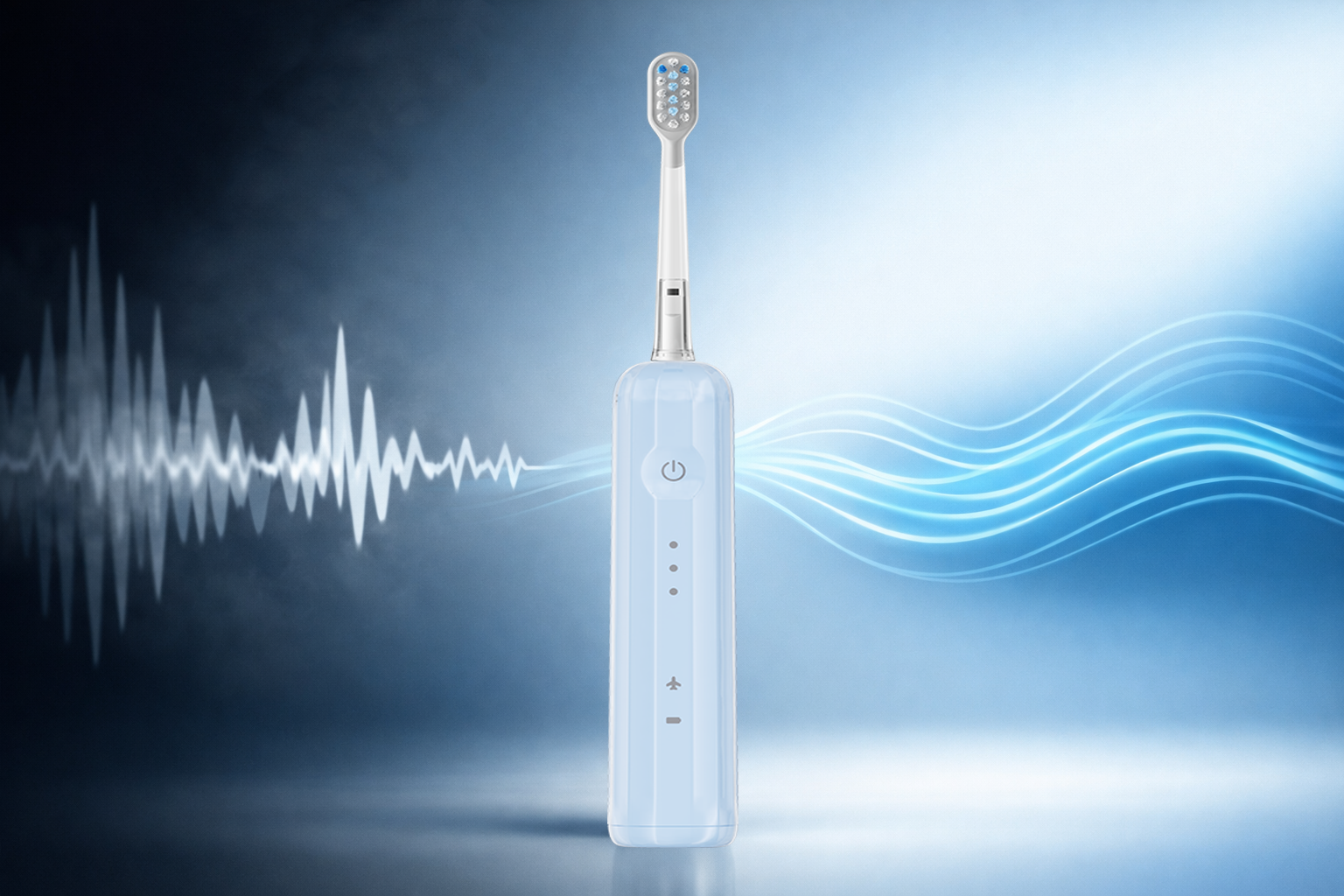
Why Electric Toothbrush Noise Matters to Users
While cleaning efficacy remains essential, user comfort plays a decisive role in long-term adoption. High-pitched buzzing or harsh vibration can create sensory discomfort, particularly for:
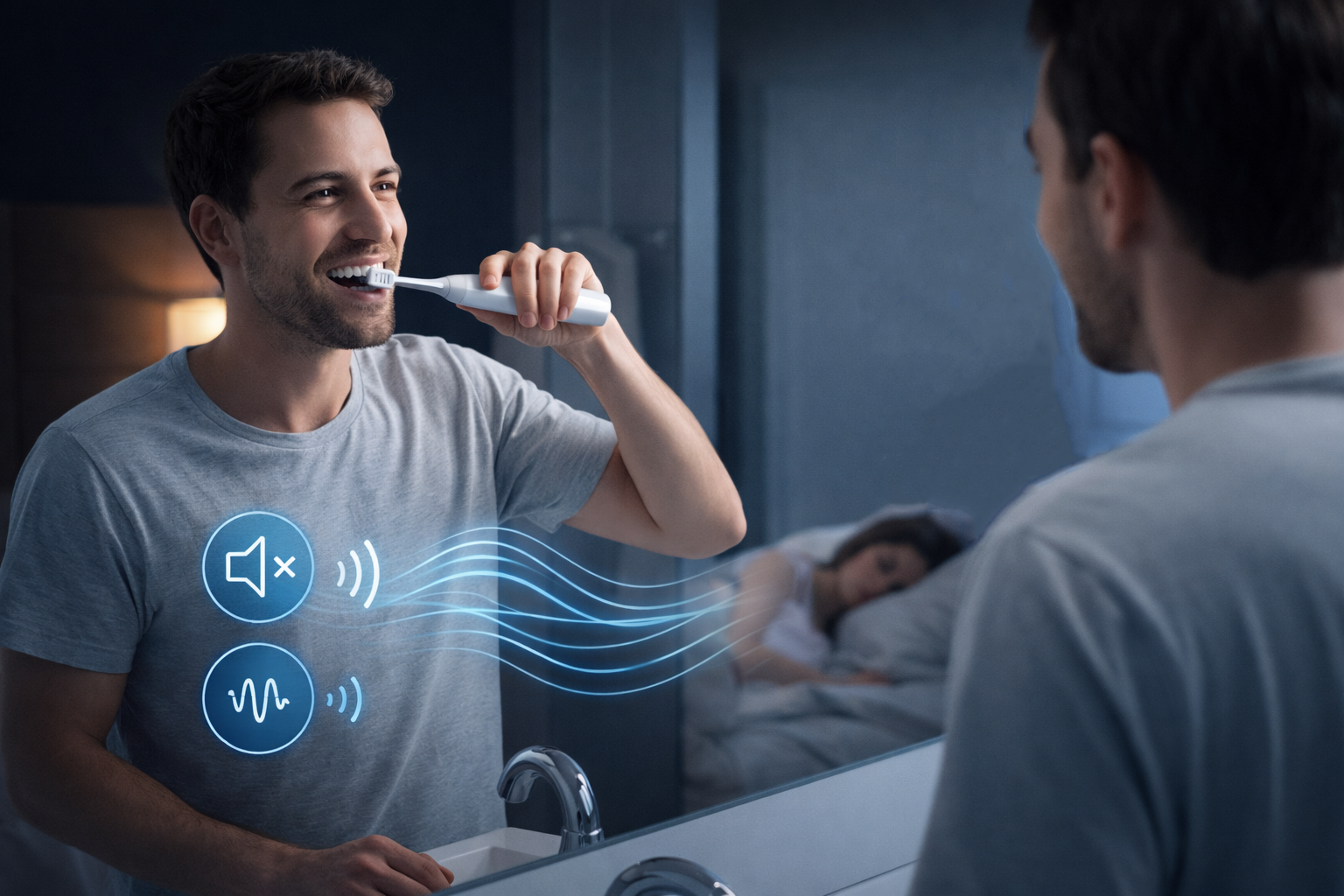
- Children and first-time electric toothbrush users
- People with sensory sensitivity
- Early-morning or late-night brushers in shared households
From a behavioral standpoint, excessive brushing noise can shorten brushing time or discourage consistent use—both of which undermine oral health outcomes. The American Dental Association (ADA) emphasizes that brushing consistency and duration are just as important as brushing technology itself, making comfort-related design factors increasingly relevant.
Electric Toothbrush Noise: Where Does It Come From?
Understanding the sources of electric toothbrush noise is the first step toward reducing it. Noise typically originates from three core components:
Motor Vibration as a Primary Noise Source
High-speed motors generate oscillation or sonic motion. If not properly balanced, internal vibration transfers directly to the handle shell, amplifying sound.
Structural Resonance Within the Handle
Poor internal layout or rigid housing materials can cause resonance, turning minor vibrations into audible noise peaks.
Mechanical Noise from Gears and Drive Systems
In oscillation-rotation toothbrushes, gear engagement can introduce clicking or grinding sounds if tolerances are not optimized.
Engineering Strategies for a Quieter Brushing Experience
Reducing electric toothbrush noise requires a system-level approach that balances power, efficiency, and acoustic comfort.
Motor Optimization for Lower Operating Noise
Manufacturers increasingly use brushless DC motors or refined sonic motors with tighter balance tolerances. These motors generate smoother rotational force, significantly lowering vibration-related noise without reducing brushing strength.
Damping Materials and Internal Isolation
Advanced designs incorporate silicone dampers, elastomer mounts, or floating motor assemblies. These components absorb vibration before it reaches the outer shell, reducing perceived electric toothbrush noise at the user’s hand and ear level.
Housing Design and Material Selection
Noise-conscious toothbrushes use multi-layer handle construction or softer-touch exterior materials. These designs prevent resonance and improve grip comfort, addressing both acoustic and ergonomic concerns simultaneously.
Electric Toothbrush Noise vs. Cleaning Performance: Is There a Trade-Off?
A common misconception is that quieter toothbrushes clean less effectively. In reality, noise level does not directly correlate with plaque removal efficiency. Well-engineered products maintain optimal brushing frequency while minimizing unnecessary vibration.
Clinical guidance from organizations such as the American Dental Association supports the idea that brushing technique, time, and consistency matter more than raw motor loudness. Noise reduction simply removes a barrier to proper daily use.
How Buyers Can Evaluate Low-Noise Toothbrush Designs
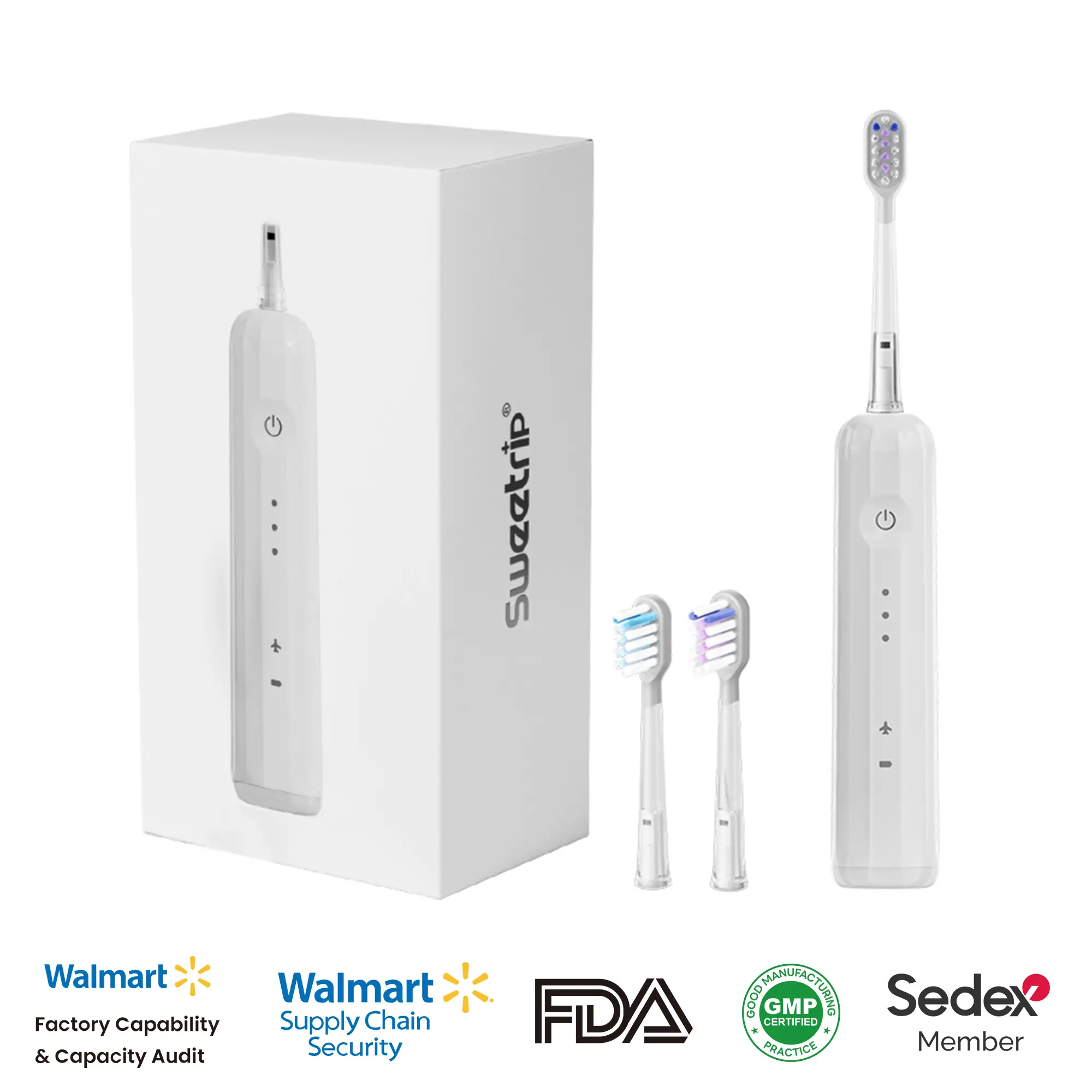
For brands, retailers, and procurement teams, evaluating electric toothbrush noise should be part of product selection criteria. Key indicators include:
- Motor type (brushless or balanced sonic motors)
- Documented noise level testing (measured in dB)
- Internal vibration-damping structures
- User feedback related to comfort and sound perception
Brands offering thoughtfully engineered options across different noise and performance tiers can be explored through curated electric toothbrush collections designed for diverse user needs.
Future Trends in Quieter Electric Toothbrush Technology
As consumer expectations evolve, quiet operation is becoming a baseline requirement rather than a premium feature. Future developments may include AI-assisted motor control, adaptive vibration modes, and enhanced acoustic simulation during product development.
From an industry perspective, reducing electric toothbrush noise aligns with broader trends toward user-centric design, wellness-oriented technology, and sustainable long-term oral care habits.
Final Thoughts
Noise reduction in electric toothbrush design is no longer just about comfort—it directly supports better brushing compliance and user satisfaction. By addressing electric toothbrush noise through smarter motor engineering, vibration control, and structural design, manufacturers can deliver products that are both powerful and pleasantly quiet.
In oral care, sometimes the best technology is the one you barely hear—but always remember to use.