Selecting the right Orthodontic Toothbrush supplier is a critical decision for dental brands and distributors. The demand for specialized toothbrushes for orthodontic patients is growing. Choosing a supplier who ensures quality, compliance, and innovation has never been more important.
Understanding Orthodontic Toothbrush Requirements
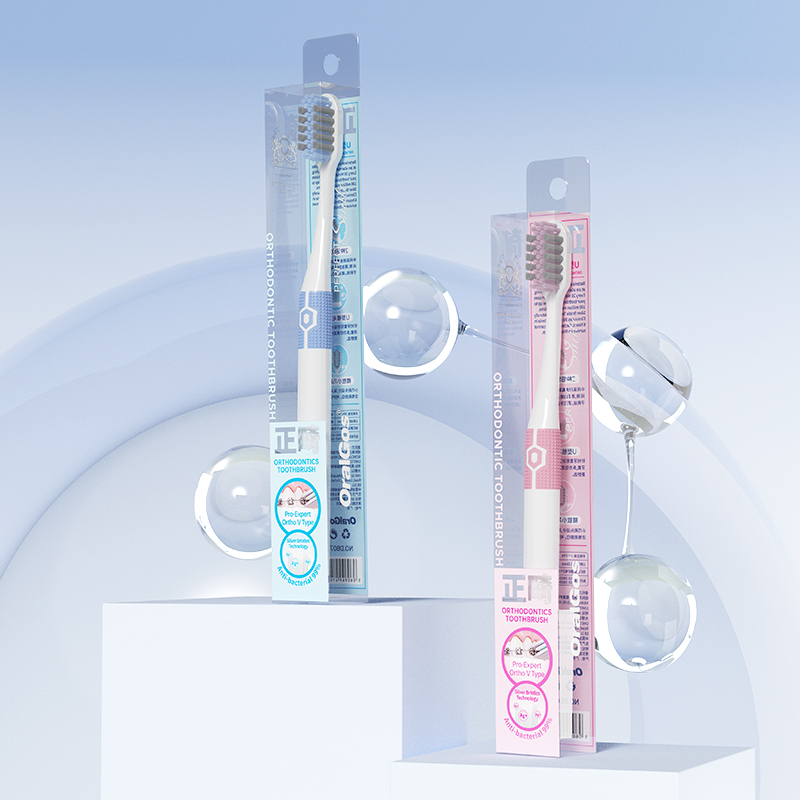
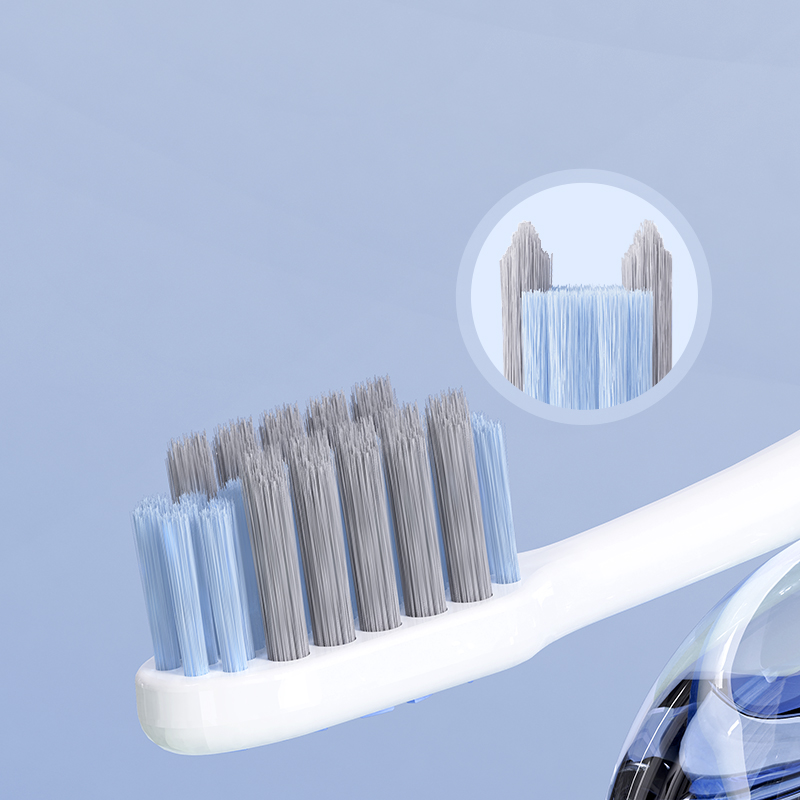
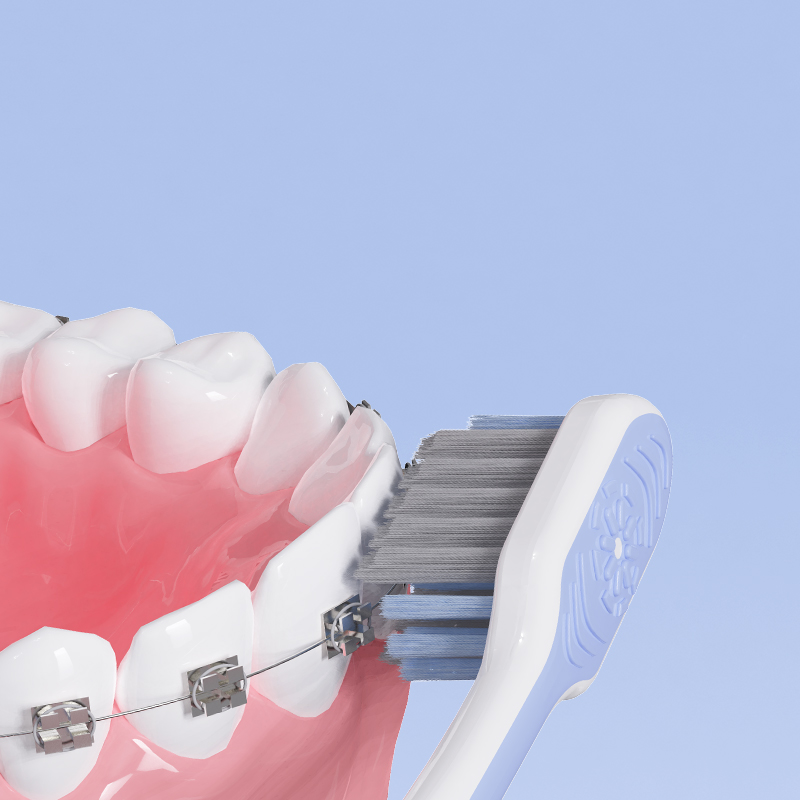
Before engaging potential suppliers, it’s essential to understand what makes an Orthodontic Toothbrush different from standard toothbrushes. Designed with soft tips and specialized bristle patterns, these brushes effectively clean around braces, wires, and other orthodontic devices. Suppliers should provide detailed specifications. They should also demonstrate expertise in producing products that meet safety and performance standards.
Evaluating Orthodontic Toothbrush Supplier Credentials
When assessing a potential supplier, focus on their certifications, manufacturing capabilities, and adherence to regulatory standards. Look for factories that have ISO 13485 or similar certifications for medical-grade oral care devices. Your supplier should follow guidelines from recognized dental authorities, such as the American Dental Association. This adds credibility and reassurance to your product line.
A supplier’s track record in producing Orthodontic Toothbrushes for other reputable brands can indicate reliability. Request client references, case studies, and quality inspection reports to gauge their consistency.
Ensuring Product Quality and Material Selection for Orthodontic Toothbrushes
Quality is non-negotiable in oral care products. High-grade, BPA-free materials and soft, rounded bristles are essential for patient safety. Your supplier should offer clear information about material sourcing, production processes, and quality control measures. Visiting the supplier’s factory or requesting a virtual tour can provide insights into their manufacturing standards.
For B2B customers, it’s also important to evaluate the supplier’s R&D capabilities. Innovative features, such as angled bristle designs, ergonomic handles, or antimicrobial coatings, can differentiate your Orthodontic Toothbrush in the competitive market.
Minimum Order Quantities and Customization for Orthodontic Toothbrushes
Suppliers vary in their MOQ requirements and customization services. Discuss packaging, handle design, color options, and branding possibilities early in the negotiation process. A flexible supplier can accommodate both small-scale launches and bulk orders, supporting your growth while minimizing risk.
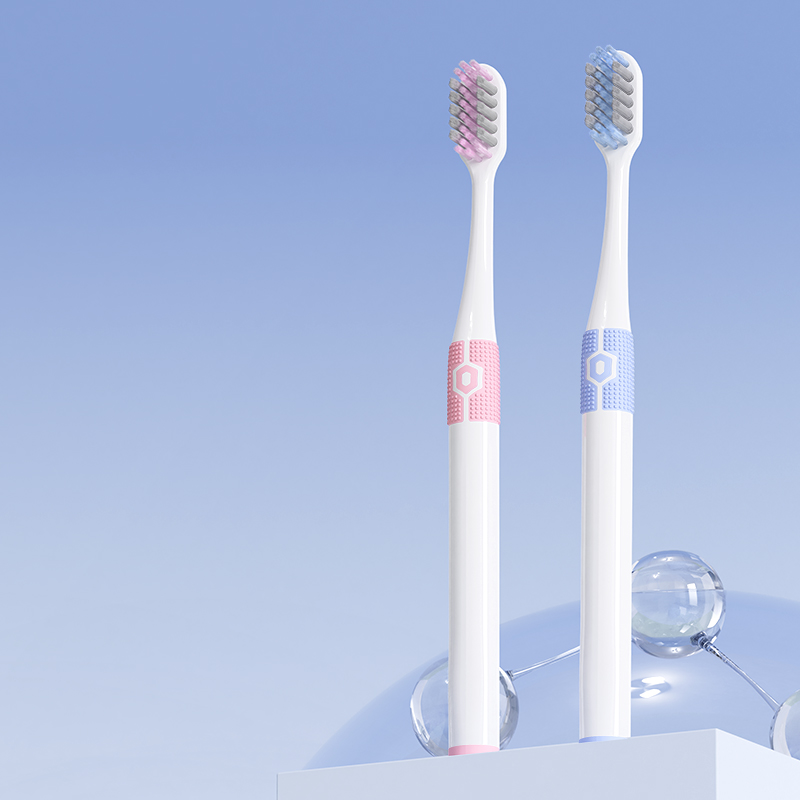
You can view a reliable example of an Orthodontic Toothbrush that balances quality, design, and compliance. It can serve as a useful benchmark when evaluating suppliers.
Pricing and Supply Chain Reliability of Orthodontic Toothbrush Suppliers
While cost is a factor, it should not outweigh quality and safety. Transparent pricing models, stable supply chains, and timely delivery schedules are indicators of a dependable supplier. Ask for production timelines and contingency plans for unforeseen disruptions. This ensures your dental brand can maintain consistent stock and meet market demand.
Communication and Support with Your Orthodontic Toothbrush Supplier
Effective communication is often overlooked but is vital in a long-term supplier relationship. A supplier should be responsive, provide timely updates, and be proactive in addressing potential issues. This builds trust and minimizes errors throughout production and shipping.
Conclusion
Selecting the right Orthodontic Toothbrush supplier requires balancing quality, compliance, innovation, and reliability. Dental brands should carefully evaluate credentials, material quality, customization options, and supply chain consistency. This helps them choose suppliers that support long-term success.
For more guidance on dental safety standards and best practices, consult the American Dental Association. With careful research and strategic selection, your orthodontic oral care products can achieve both customer satisfaction and market credibility.