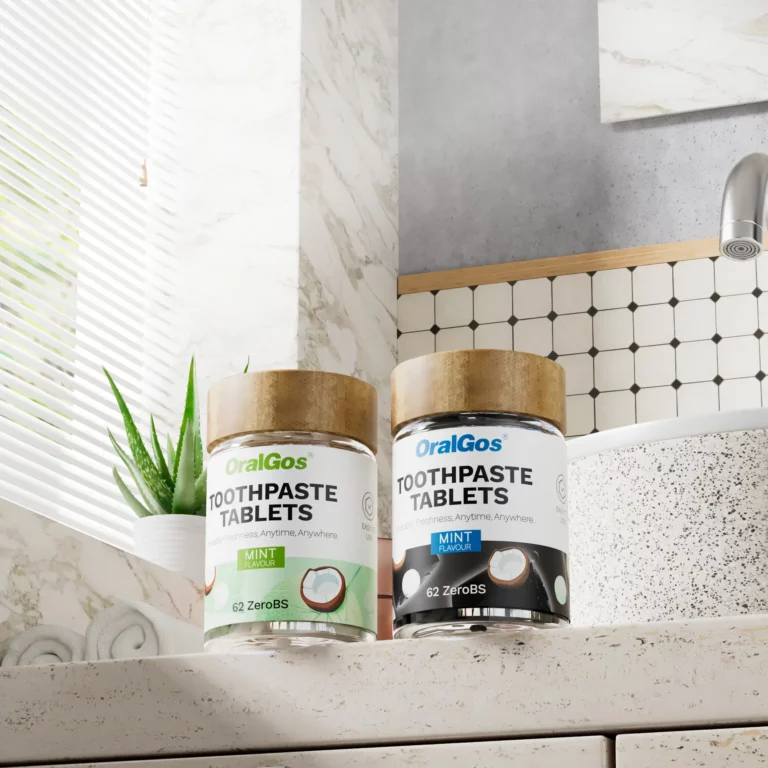
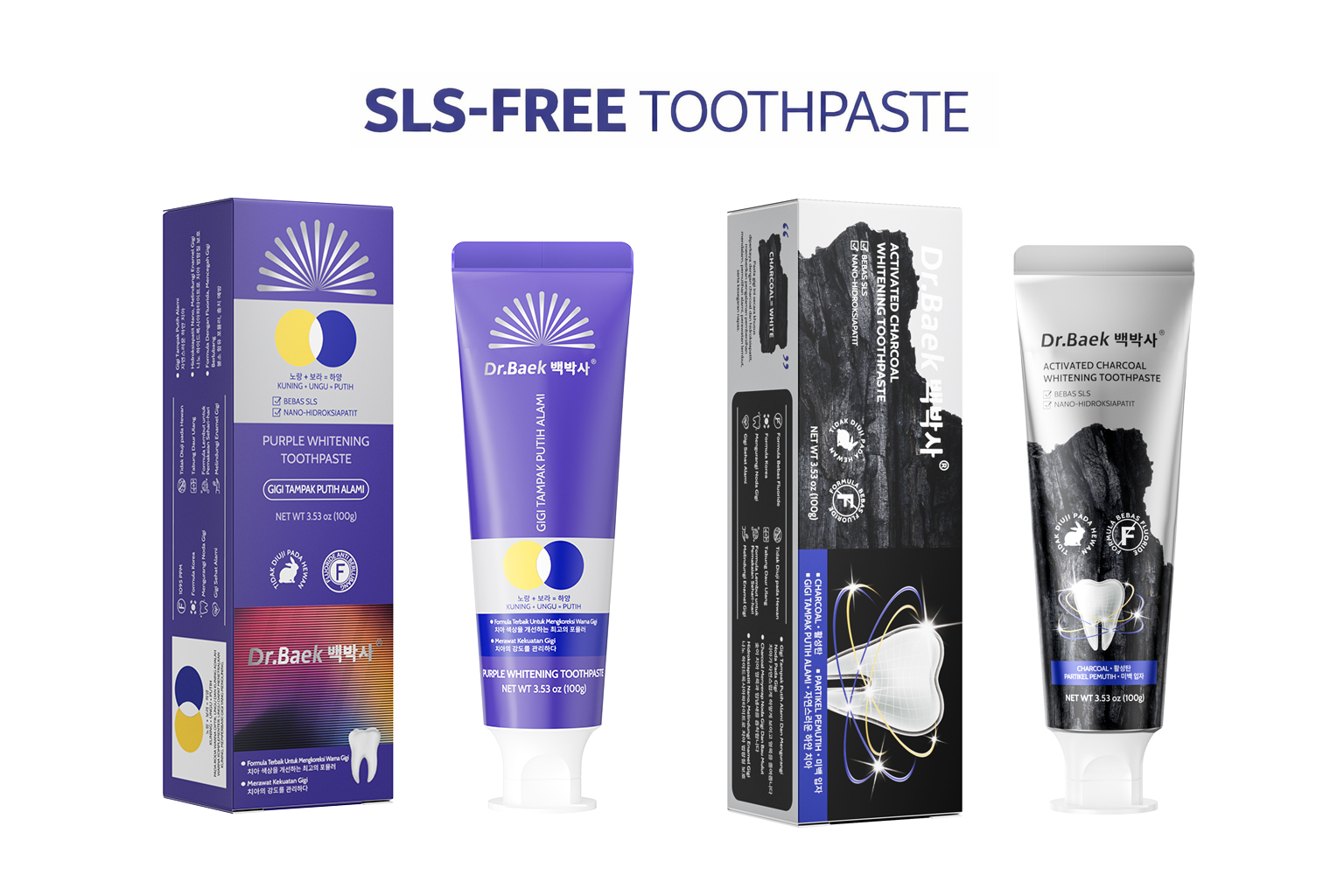
The oral care market is shifting as consumers become more aware of ingredients in daily hygiene products. Many consumers are choosing SLS-Free Toothpaste for its gentle formula, without sacrificing cleaning performance. Sodium Lauryl Sulfate (SLS) is a common toothpaste detergent that produces foam. However, it can cause oral irritation and sensitivity in some users.
This growing awareness is driving demand for alternatives that maintain oral health while avoiding potential side effects.
Rising Consumer Demand for SLS-Free Toothpaste
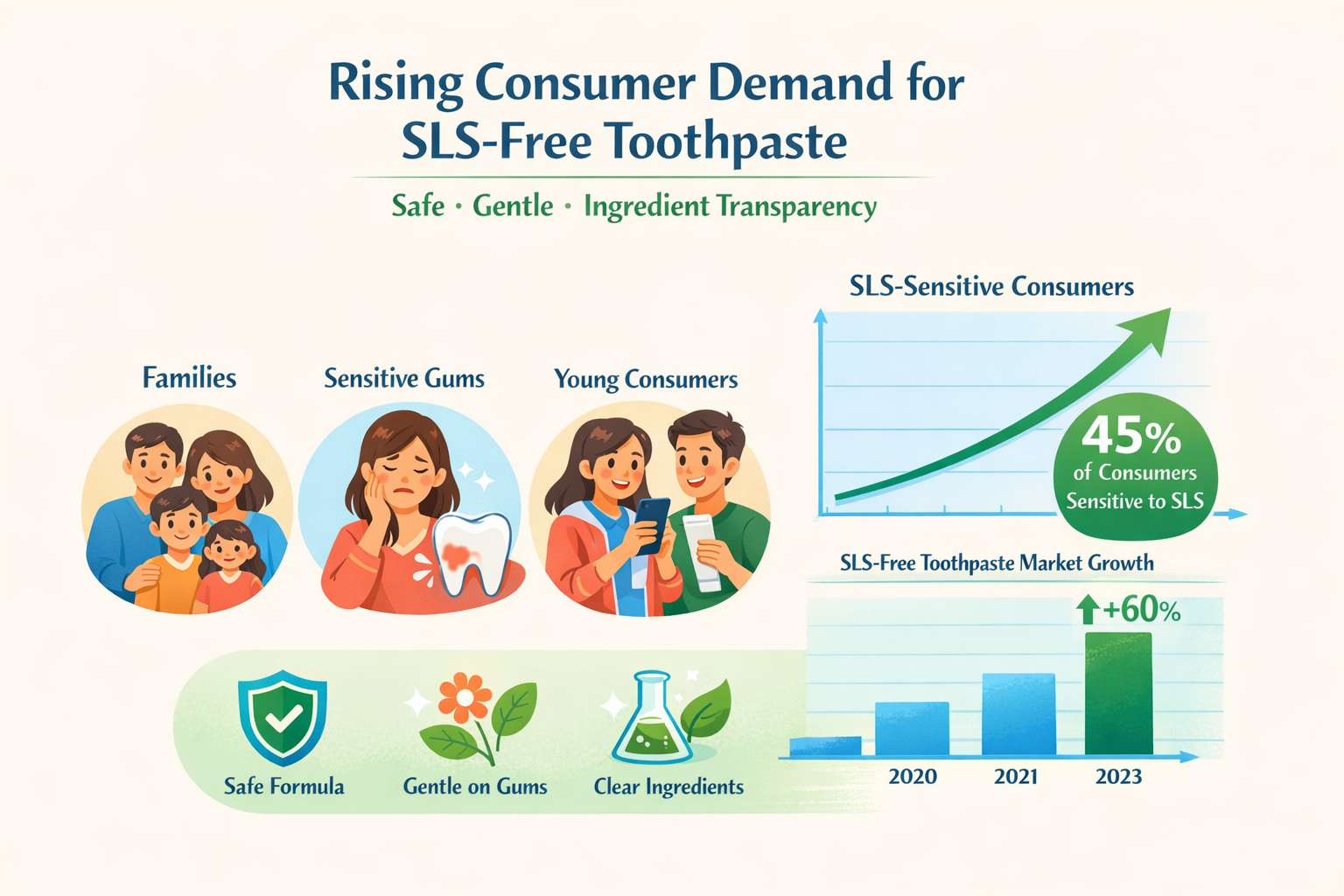
Modern consumers are increasingly attentive to the ingredients in their oral care products. They actively search for products labeled as natural, gentle, or free from potentially irritating chemicals. According to the American Dental Association, SLS may aggravate oral conditions in sensitive users. These include canker sores, dry mouth, and gum irritation.
Consequently, brands that offer SLS-free toothpaste position themselves as safer and more considerate options. They appeal to families, people with sensitive gums, and wellness-focused buyers.
The market demand is not just limited to sensitive users. A growing number of eco-conscious consumers prefer products with fewer synthetic detergents. This fits a broader trend toward sustainable, health-focused personal care products. Brands that meet this demand can build loyal customers and stand out in a crowded toothpaste market.
Formulation Challenges for SLS-Free Toothpaste
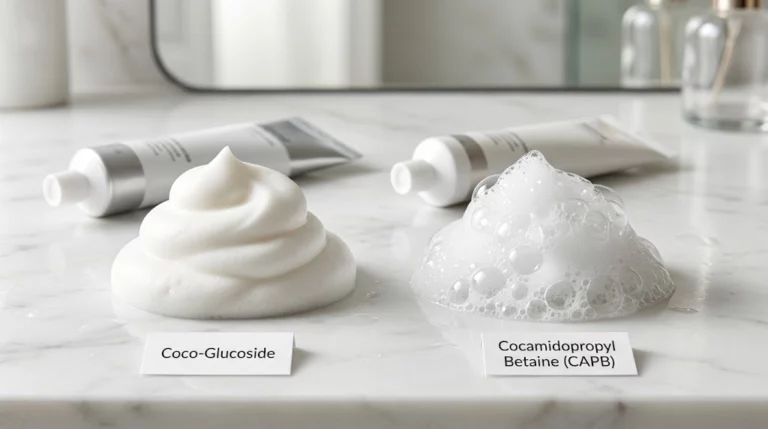
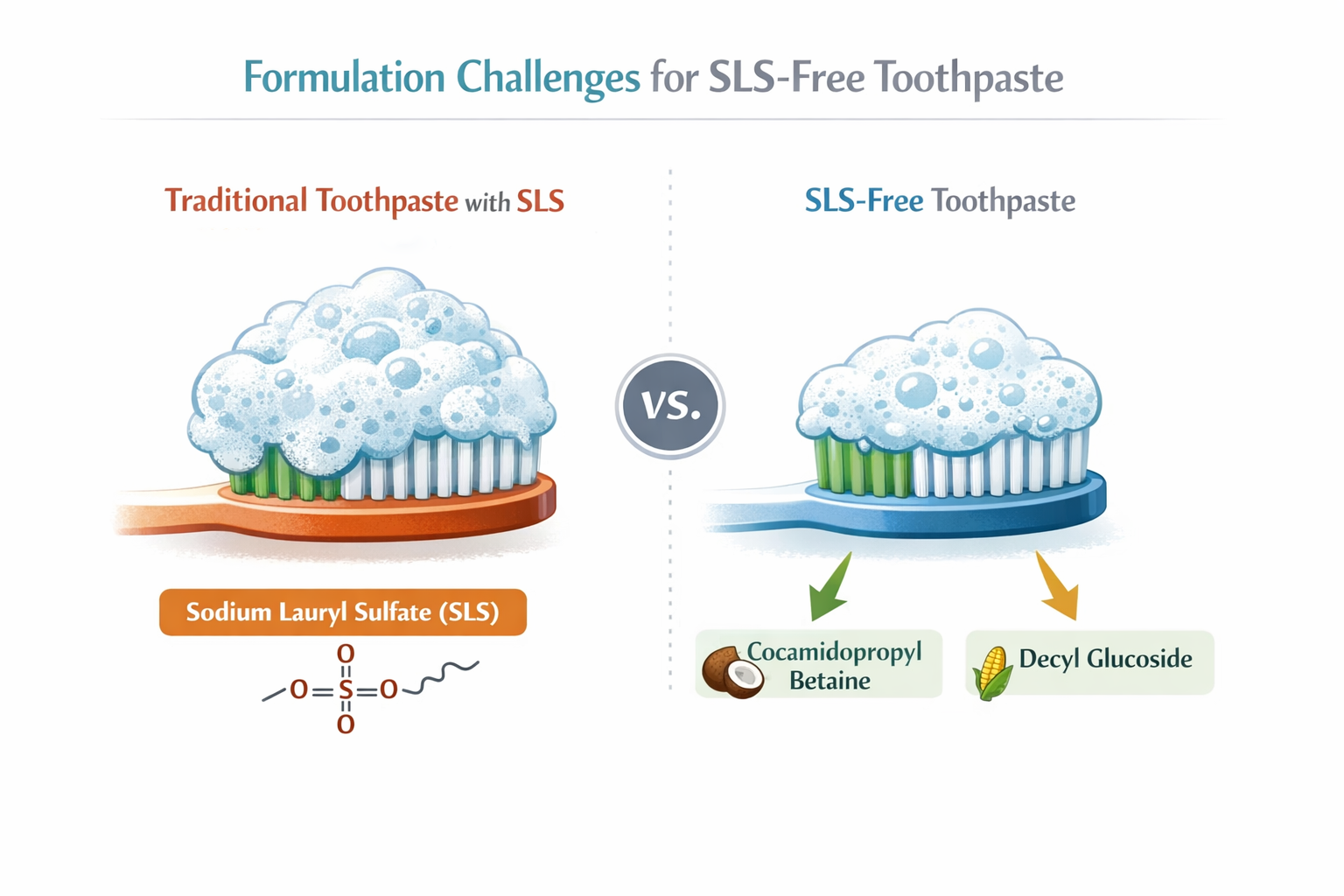
Despite its growing popularity, creating an effective SLS-Free Toothpaste presents several challenges. Many consumers value SLS because it creates a rich foam that they associate with effective cleaning. Removing it can lead to reduced foaming, which may affect the user perception of cleanliness. Formulators must carefully select alternative surfactants or natural foaming agents that maintain both efficacy and consumer satisfaction.
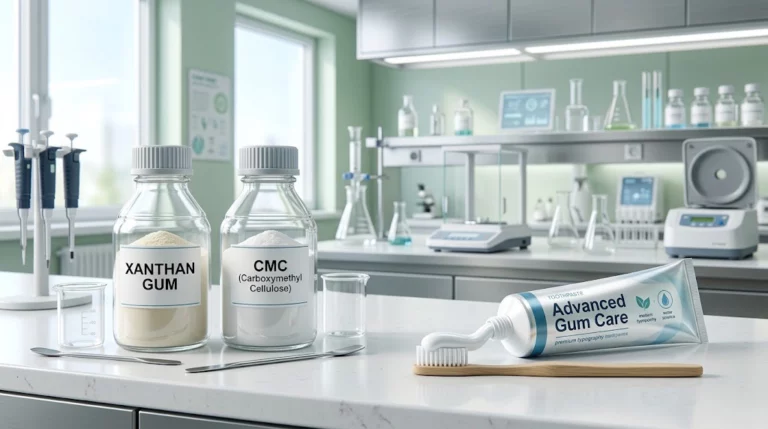
Another challenge lies in balancing the abrasives, flavor, and active ingredients. SLS contributes to the uniform dispersion of these components; without it, maintaining stability and shelf life can become complex. SLS-free formulations widely use alternative surfactants such as cocamidopropyl betaine and decyl glucoside. However, they require careful testing to maintain taste, texture, and cleaning performance.
Additionally, the marketing and labeling of SLS-free products require precision. Brands must educate consumers about the benefits of avoiding SLS without creating unnecessary fear around traditional formulations. Including clear explanations on packaging, websites, or blog content can help consumers make informed decisions.
For instance, brands can guide visitors to explore more toothpaste options. They can find choices for sensitive mouths or natural needs.
Opportunities for Innovation in SLS-Free Toothpaste
The shift toward SLS-Free Toothpaste also opens opportunities for innovation. Brands can explore new ingredient mixes. These can include herbal extracts, fluoride-free choices, or gentle whitening agents without harsh detergents.
By emphasizing product safety and effectiveness, companies can appeal to both dental professionals and end-users. Collaboration with dental associations or research-backed studies can further enhance credibility and support marketing claims.
Furthermore, digital channels provide an ideal platform to educate and engage consumers. Content marketing, like blog posts and social media campaigns, can explain SLS-free and traditional formulas. It can also position a brand as a leader in gentle oral care. Linking to trusted sources, like the American Dental Association, reinforces trust and accuracy in messaging.
Conclusion
The rise of SLS-Free Toothpaste reflects broader consumer priorities: safety, ingredient transparency, and gentle effectiveness. While making these products can be challenging, it also gives brands a chance to innovate and stand out in a competitive market.
Companies can successfully respond to the growing demand for SLS-free oral care solutions. This requires choosing appropriate alternative surfactants, ensuring product effectiveness, and educating consumers.
Brands looking to expand their product range can start by exploring different toothpaste categories. This helps them develop products that meet the needs of ingredient-aware consumers.