Innovation in oral care increasingly depends on engineering precision rather than simple product aesthetics. Among recent innovations, u-shaped toothbrush design has attracted growing attention. Both consumers and oral-care brands value its efficient and user-friendly brushing experience.
Unlike traditional toothbrushes, U-shaped models rely on scientific principles involving material safety, optimized bristle geometry, and ergonomic interaction with human anatomy. For manufacturers and procurement professionals, understanding these elements helps evaluate product quality and supplier expertise.
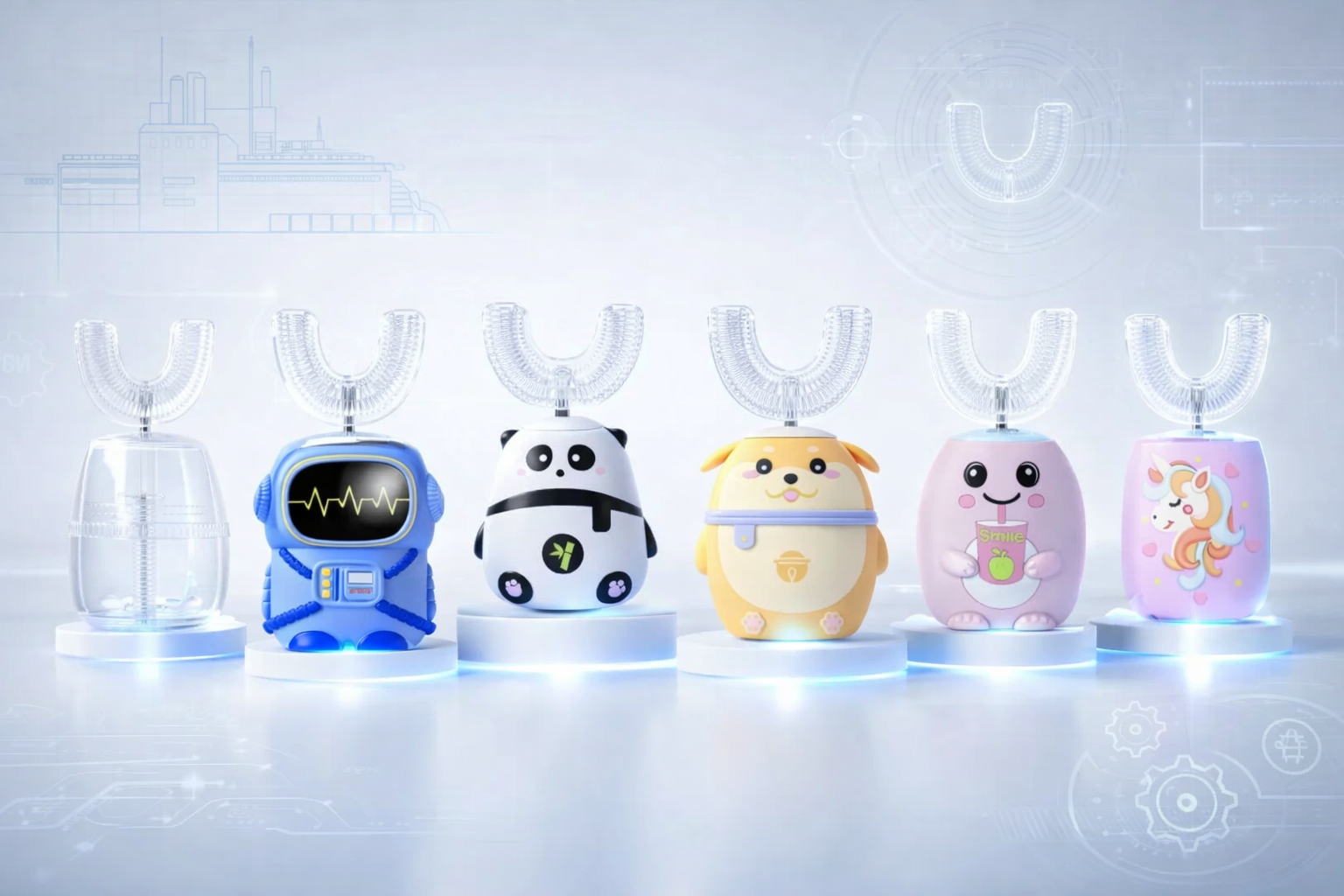
U-Shaped Toothbrush Design and the Evolution of Oral Care Engineering
The rise of u-shaped toothbrush design reflects changing consumer expectations. Modern users prioritize convenience, consistent cleaning results, and reduced brushing effort. This is particularly relevant for children, orthodontic users, and individuals seeking guided brushing experiences.
A U-shaped brush head surrounds both dental arches simultaneously, allowing uniform contact with tooth surfaces. Instead of relying entirely on manual technique, the structure distributes pressure evenly across teeth and gums.
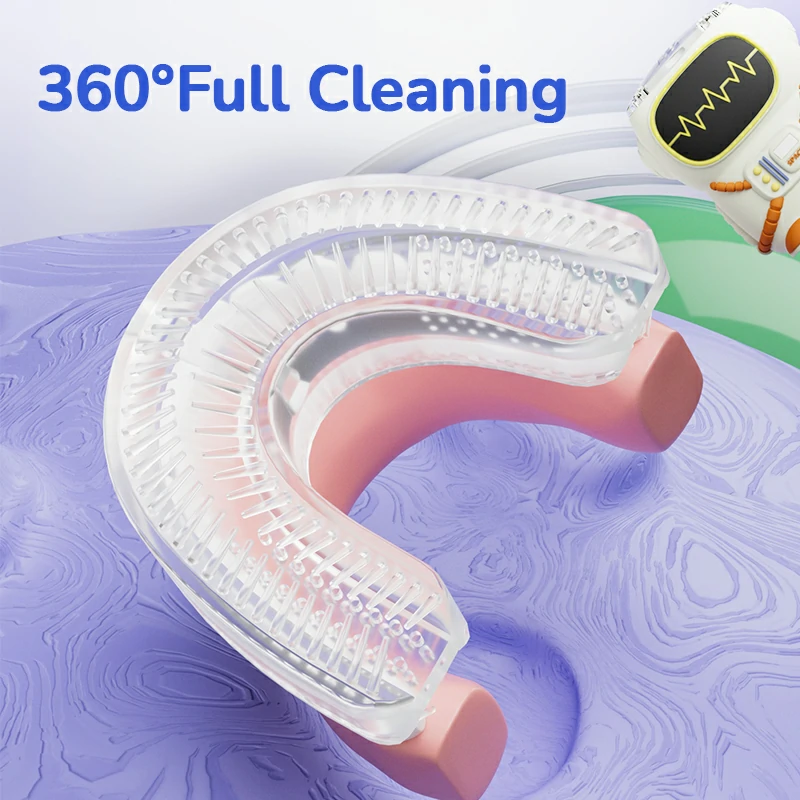
From a manufacturing perspective, this requires precise mold engineering and dental-arch data modeling. High-quality suppliers use digital prototypes to design precise U-shaped brush heads. They also perform movement-based tests to ensure the brushes fit average teeth comfortably.
Brands exploring innovative solutions can review product implementations through specialized manufacturing collections such as our U-Shaped Electric Toothbrush range.
Materials Science in U-Shaped Toothbrush Design
Material selection directly determines safety, durability, and regulatory compliance. A professional u-shaped toothbrush design must balance flexibility with structural stability.
Medical-Grade Silicone for Safety and Flexibility
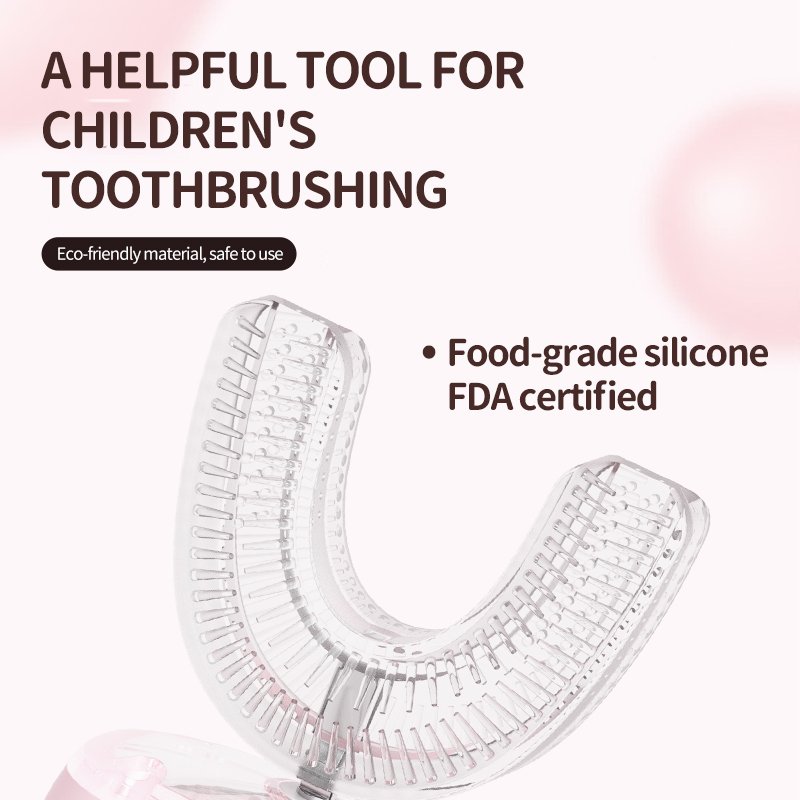
Most advanced U-shaped brush heads use food-grade or medical-grade silicone instead of nylon bristles. Silicone offers several advantages:
- Gentle contact with enamel and gums
- Resistance to bacterial buildup
- High temperature tolerance for cleaning
- Long-lasting flexibility
Manufacturers must ensure materials comply with international safety standards such as FDA and LFGB requirements. Poor material formulation can lead to deformation or reduced cleaning effectiveness.
According to oral-health guidance from the American Dental Association, toothbrush materials should prioritize safety, durability, and effective plaque removal while minimizing gum irritation.
This aligns with the engineering goals behind advanced U-shaped brush construction.
Injection Molding Precision
Producing a consistent U-shape requires multi-cavity molds and controlled curing processes. Even slight deviations in silicone density can affect vibration transmission and brushing efficiency. Experienced factories implement strict quality control protocols, including hardness testing and fatigue simulation.
Bristle Layout Optimization in U-Shaped Toothbrush Design
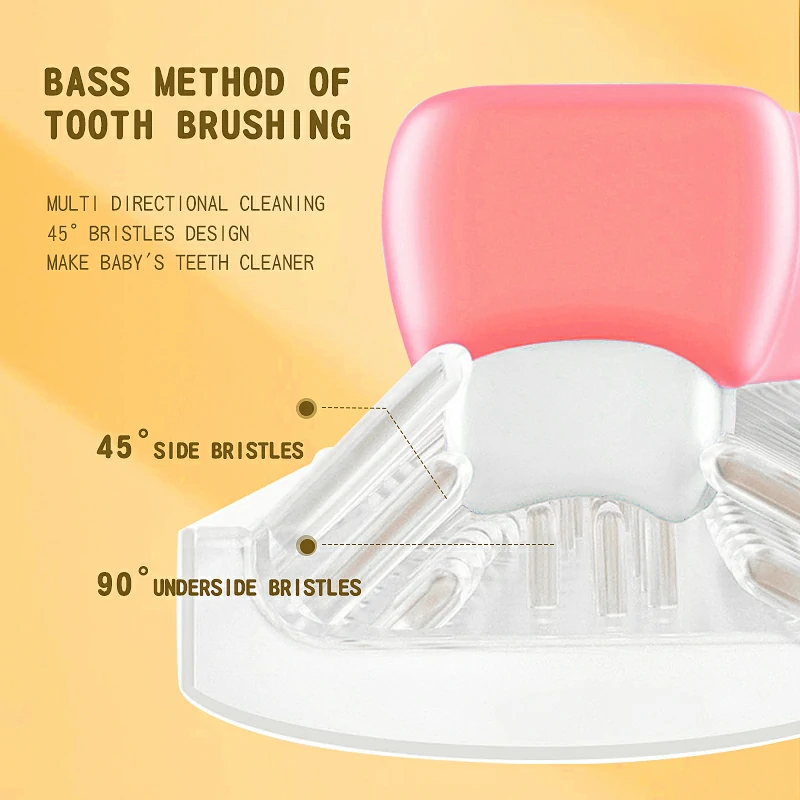
While traditional toothbrushes rely on angled bristle trimming, u-shaped toothbrush design depends on three-dimensional bristle distribution.
360-Degree Coverage Strategy
The bristles or silicone cleaning nodes must reach:
- Buccal surfaces (outer teeth)
- Lingual surfaces (inner teeth)
- Occlusal surfaces (biting areas)
Designers use staggered node heights to compensate for differences in tooth elevation. This ensures plaque removal occurs simultaneously across multiple surfaces.
Density and Cleaning Efficiency
Higher density does not automatically mean better cleaning. Overcrowded bristles reduce vibration amplitude in electric models. Professional manufacturers optimize spacing to maintain fluid motion and allow toothpaste circulation.
Computer-aided simulations often evaluate brushing trajectories before mass production begins. These simulations help brands achieve measurable cleaning performance rather than relying on visual design alone.
Ergonomics: The Human Factor Behind U-Shaped Toothbrush Design
Ergonomics transforms engineering into real-world usability. The success of u-shaped toothbrush design depends heavily on how naturally users interact with the device.
Adaptive Fit to Dental Anatomy
Human dental arches vary by age and region. Manufacturers typically develop multiple size categories:
- Kids
- Teen
- Adult
Flexible silicone allows slight adaptation without causing excessive pressure. Proper ergonomic calibration reduces user fatigue and encourages consistent brushing habits.
Hands-Free and Guided Brushing Experience
One of the biggest advantages is simplified brushing motion. Users only need gentle jaw movement while the device performs cleaning cycles. This feature is especially beneficial for:
- Children learning oral hygiene
- Individuals with limited motor skills
- Orthodontic patients
From a product-development standpoint, ergonomic testing includes wear trials, comfort surveys, and motion tracking to refine usability.
Manufacturing Expertise as the Core Competitive Advantage
Behind every successful u-shaped toothbrush design lies advanced manufacturing capability. Reliable suppliers demonstrate expertise through:
- Certified material sourcing
- Precision mold engineering
- Automated quality inspection
- Compliance documentation support
- OEM and design flexibility
Brands selecting manufacturing partners should evaluate not only price but also R&D capability and testing infrastructure. Engineering depth ultimately determines product consistency and long-term brand reputation.
Conclusion: Science-Driven Design Defines the Future of Oral Care
The growing popularity of U-shaped toothbrushes is not simply a trend—it represents the integration of materials science, biomechanical engineering, and ergonomic research.
A well-executed u-shaped toothbrush design combines safe materials, optimized bristle layouts, and human-centered ergonomics to deliver reliable cleaning performance. For oral-care brands and distributors, partnering with technically capable manufacturers ensures innovation translates into real consumer value.
As oral hygiene technology advances, science-driven product design plays a key role. It continues to create efficient and easy-to-use brushing solutions for the next generation.