Oral hygiene tools have evolved far beyond traditional plastic brushes. Today, consumers and dental professionals increasingly prefer products that actively reduce microbial buildup. One innovation leading this shift is the antibacterial toothbrush. But how exactly does it work, and is the science behind it legitimate?
This article explains the technology, materials, and clinical reasoning that make antibacterial toothbrushes an important advancement in modern oral care.
What Is an Antibacterial Toothbrush?
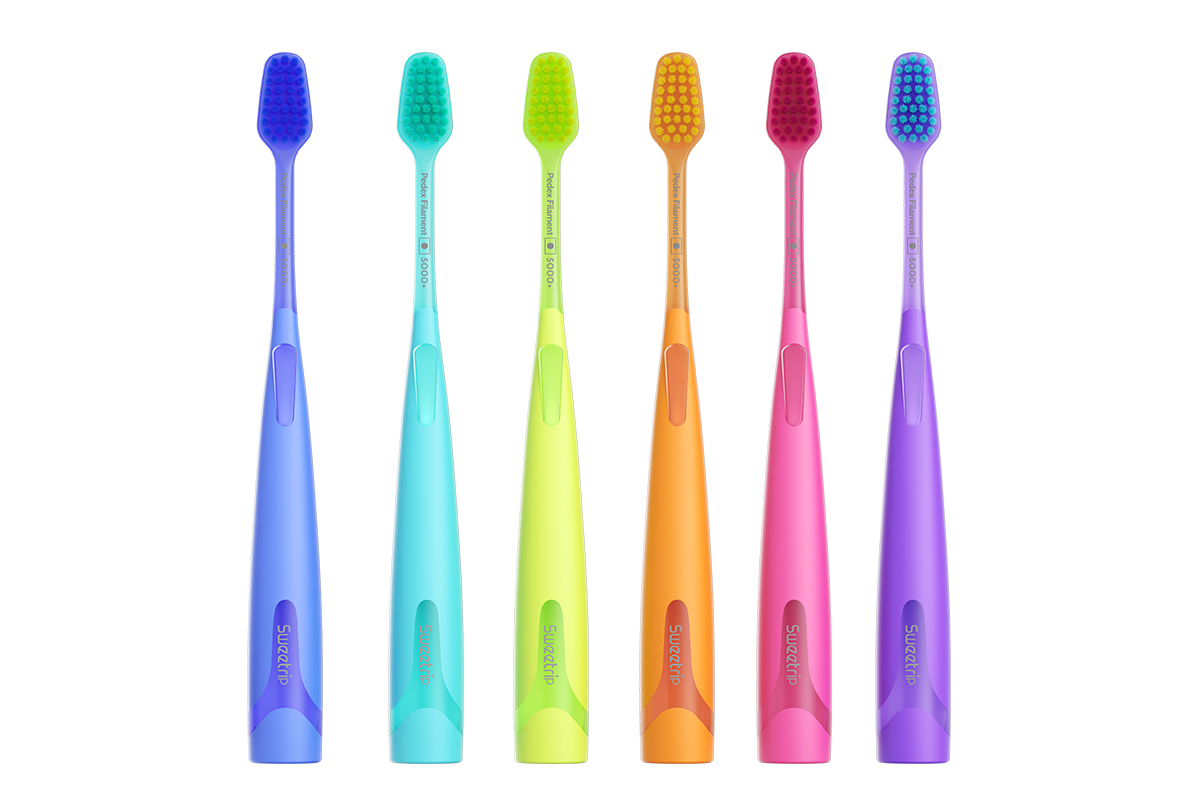
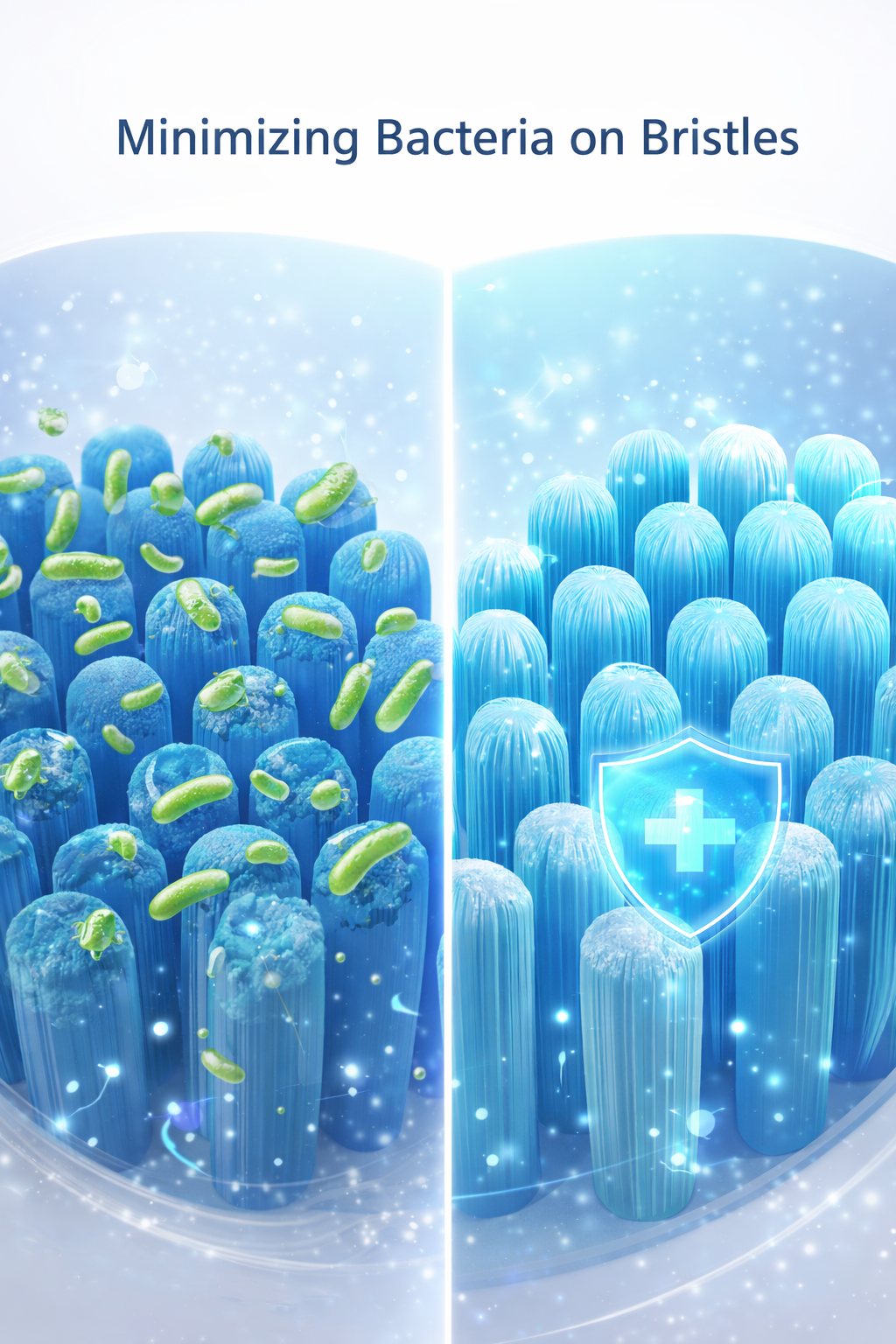
Manufacturers design antibacterial toothbrushes with materials or coatings that inhibit bacteria from growing on the brush itself. Unlike standard toothbrushes, which can collect bacteria after repeated use, antibacterial versions help keep bristles cleaner between brushing sessions.
It is important to clarify one misconception: an antibacterial toothbrush does not sterilize the mouth. Instead, it reduces bacteria on the brush head and helps prevent them from returning to the mouth during brushing.
This distinction makes the technology particularly valuable for users concerned with hygiene, travel safety, or immune sensitivity.
The Science Behind an Antibacterial Toothbrush
1. Antimicrobial Materials in Bristles
Most antibacterial toothbrushes rely on advanced material science rather than chemical disinfectants. Manufacturers integrate antimicrobial agents directly into bristle fibers during production.
Common technologies include:
- Silver-ion infusion
- Graphene-based materials
- Zinc or copper additives
- Antimicrobial polymer blends
These materials disrupt bacterial survival through physical and chemical mechanisms. For example, silver ions interfere with bacterial cell membranes and enzyme activity, preventing reproduction.

Graphene-enhanced bristles are now common in premium toothbrushes. They help prevent bacteria from sticking while staying soft and durable.
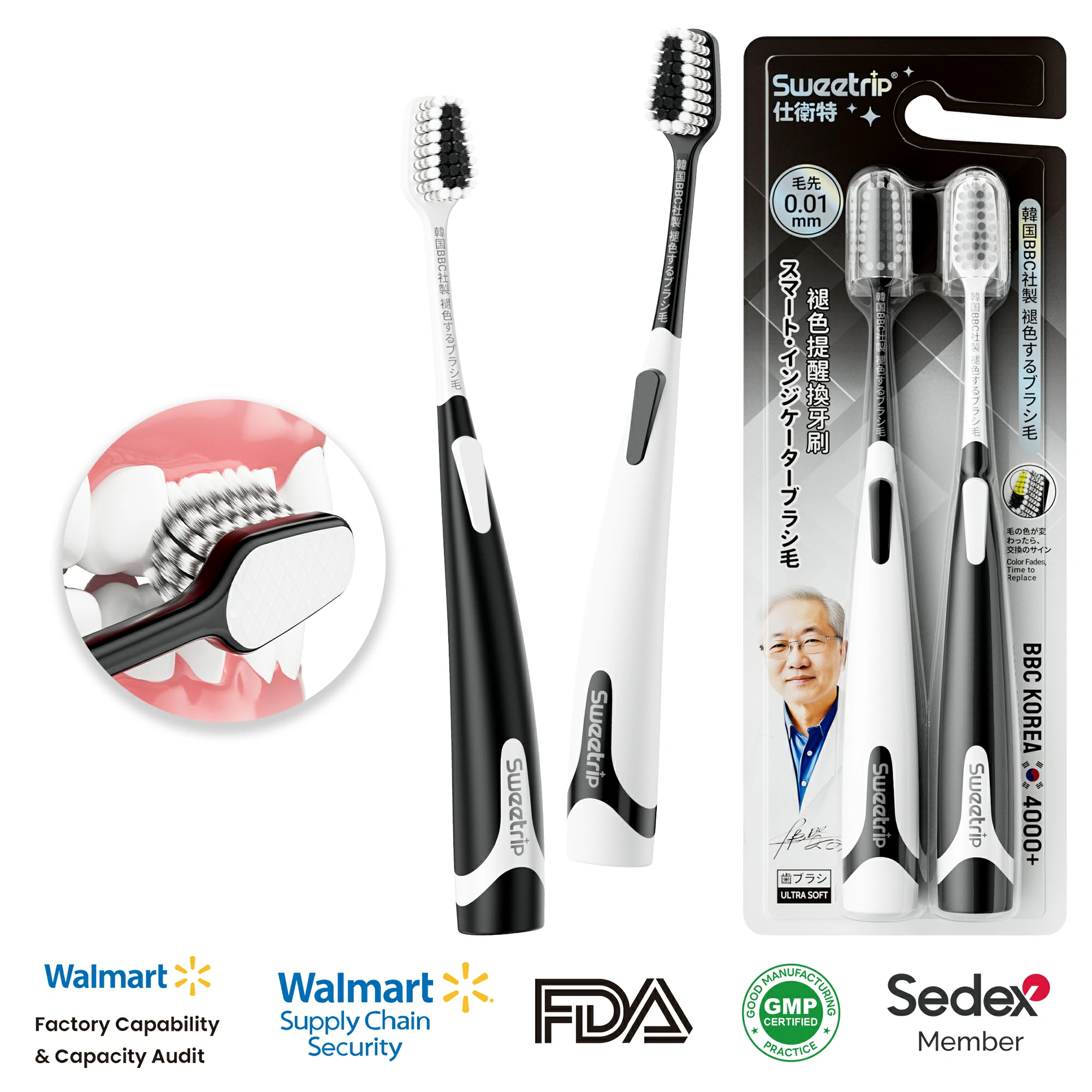
You can see this technology in modern designs like the graphene antibacterial toothbrush. It shows how new materials add hygiene protection to daily oral care tools.
2. How Antibacterial Action Actually Works
The antibacterial effect typically follows three scientific mechanisms:
Contact inhibition
Microbes touching treated bristles experience membrane disruption, preventing growth.
Ion release
Certain materials release microscopic ions that disrupt how bacteria function.
Surface resistance
Engineered surfaces reduce moisture retention, making it harder for bacteria to grow.
These mechanisms keep bacteria from building up on the toothbrush. Bacteria tend to increase between uses, so this protection is important.
Why Toothbrushes Can Become Bacteria Carriers
Many users assume rinsing a toothbrush removes germs completely. However, studies show toothbrushes can harbor germs from:
- saliva and dental plaque
- bathroom aerosols
- humid storage environments
The American Dental Association (ADA) recommends rinsing toothbrushes thoroughly and letting them air dry upright to limit bacteria growth. The ADA also emphasizes replacing toothbrushes regularly to maintain hygiene and brushing effectiveness.
An antibacterial toothbrush complements these recommendations by adding passive protection against bacterial buildup.
Benefits of Using an Antibacterial Toothbrush
Improved Brush Hygiene
Because bacteria multiply quickly in moist environments, antimicrobial bristles help keep the brush cleaner between uses.
Reduced Cross-Contamination Risk
This benefit is especially relevant for:
- shared bathrooms
- travel situations
- orthodontic patients
- individuals recovering from illness
Longer Freshness Perception
You should still replace your toothbrush every 3–4 months. However, antibacterial technology helps keep the brush fresher during daily use.
Antibacterial Toothbrush vs Regular Toothbrush
| Feature | Regular Toothbrush | Antibacterial Toothbrush |
|---|---|---|
| Bacterial resistance | None | Built-in protection |
| Bristle technology | Standard nylon | Antimicrobial materials |
| Hygiene maintenance | User-dependent | Passive assistance |
| Innovation level | Traditional | Material-science driven |
Importantly, brushing technique and toothpaste still play the largest role in preventing cavities and gum disease. The toothbrush functions as a supporting hygiene upgrade rather than a replacement for proper oral care habits.
Who Should Consider an Antibacterial Toothbrush?
Dental professionals often recommend antimicrobial brush designs for users who prioritize hygiene efficiency. Ideal users include:
- frequent travelers
- people with braces or orthodontic appliances
- individuals prone to gum inflammation
- families seeking improved bathroom hygiene
For manufacturers and oral-care brands, antibacterial technology is becoming an important market trend. Growing consumer awareness of germs and preventive health is driving this change.
Are Antibacterial Toothbrushes Safe?
Yes — reputable products use materials tested to be safe for daily oral use. The antibacterial effect targets germs on the brush surface rather than affecting beneficial oral bacteria directly.
Regulatory and dental organizations emphasize that bacteria-fighting additives must remain stable and safe under normal brushing conditions. Choosing products from quality-controlled manufacturers ensures safety and effectiveness.
The Future of Antibacterial Toothbrush Technology
The next generation of oral-care tools is moving toward hygiene solutions with multiple benefits. Innovations currently under development include:
- self-cleaning bristle structures
- nano-surface antimicrobial coatings
- moisture-resistant brush heads
- eco-friendly antibacterial materials
As oral health shifts toward prevention-focused care, the antibacterial toothbrush represents a practical intersection between material science and everyday wellness.
Conclusion
An antibacterial toothbrush works by integrating antimicrobial materials into bristles that inhibit bacterial growth through contact disruption, ion release, and surface engineering. While it does not replace good brushing habits, it enhances hygiene by keeping the toothbrush itself cleaner between uses.
Modern material science and professional hygiene recommendations support antibacterial toothbrushes. They provide a smarter and more hygienic way to care for teeth every day while supporting long-term oral health.