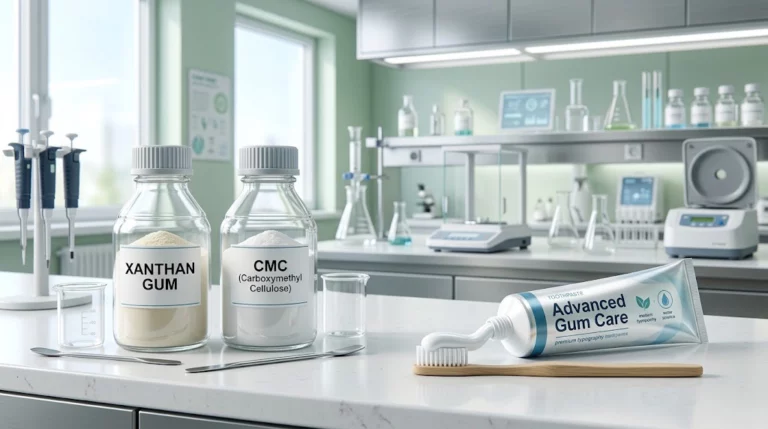

Gum health plays a critical role in overall oral hygiene. However, many people ignore it until they notice bleeding gums or inflammation. In recent years, ultrasonic electric toothbrushes have gained attention as a high-tech solution. They promise deeper cleaning and better gum care.
But are they truly more effective for protecting your gums, or just another marketing trend?
Understanding how these devices work can help you make better oral care decisions. It also helps to compare them with traditional electric or sonic toothbrushes.


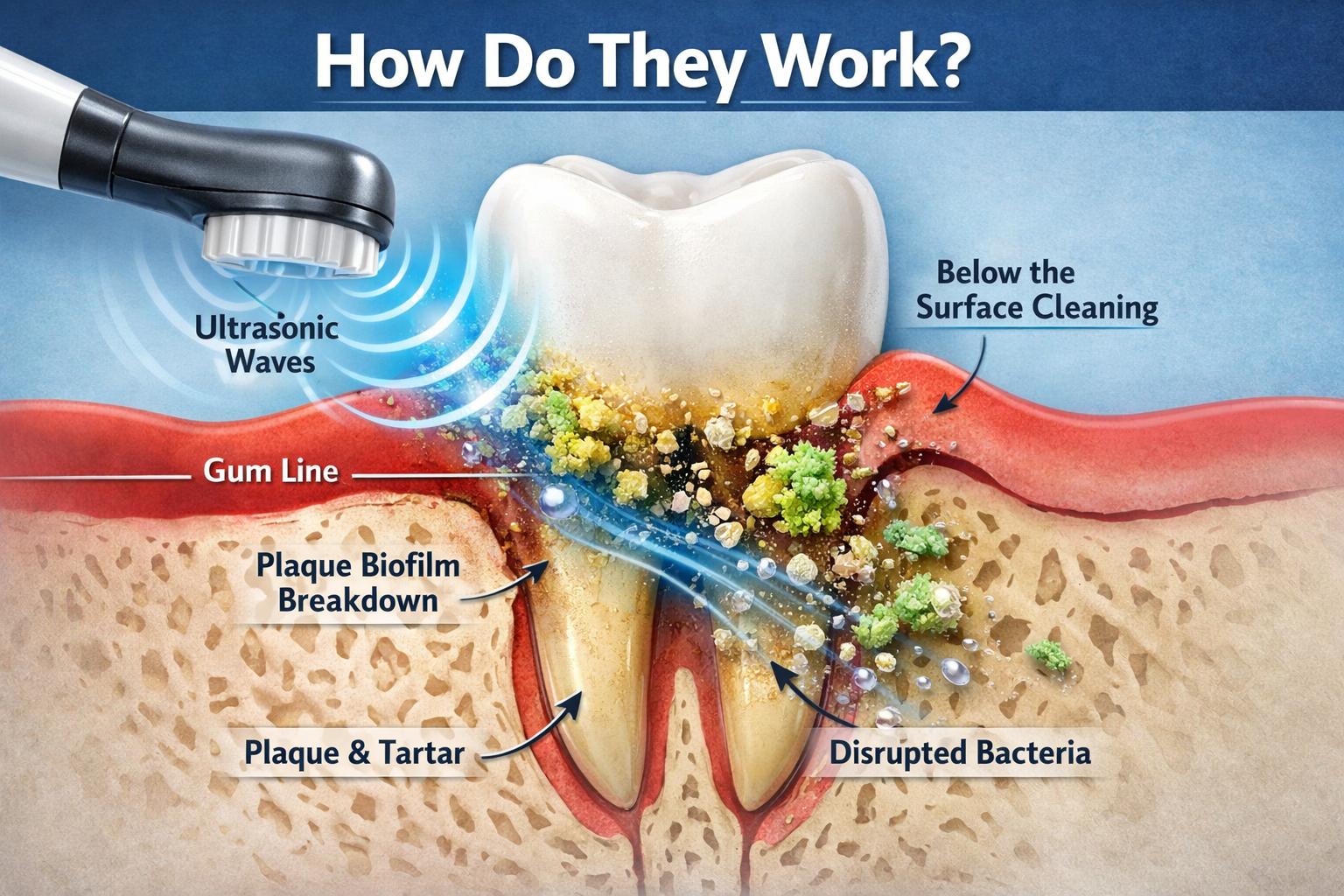
Ultrasonic Electric Toothbrushes and Gum Health: How Do They Work?
Ultrasonic electric toothbrushes use high-frequency vibrations to clean teeth. These vibrations can exceed 1.6 MHz and help break up plaque and bacteria at a microscopic level. Standard sonic brushes primarily use mechanical sweeping motion to clean teeth. Ultrasonic technology disrupts bacterial chains and reaches below the gumline.
This deep-cleaning mechanism is why many users report reduced gum bleeding and improved gingival comfort after switching. By targeting plaque biofilm more efficiently, these brushes may help reduce early-stage gum inflammation (gingivitis).
However, it’s important to note that results can vary depending on brushing technique and consistency. Even the most advanced toothbrush cannot replace proper oral hygiene habits like flossing and regular dental checkups. The American Dental Association supports these habits.
Key Benefits for Gum Care
When evaluating ultrasonic electric toothbrushes, several potential benefits stand out for gum health:
First, their high-frequency vibrations can reach areas that manual brushing often misses. This is particularly helpful along the gumline, where plaque tends to accumulate and cause inflammation.
Second, they typically require less pressure. Many users damage their gums by brushing too hard. Ultrasonic technology reduces the need for force. This helps lower the risk of gum recession over time.
Third, some studies suggest that ultrasonic energy may help disrupt bacterial colonies. It can also reach periodontal pockets that are hard to clean. These areas are early warning signs of gum disease progression.
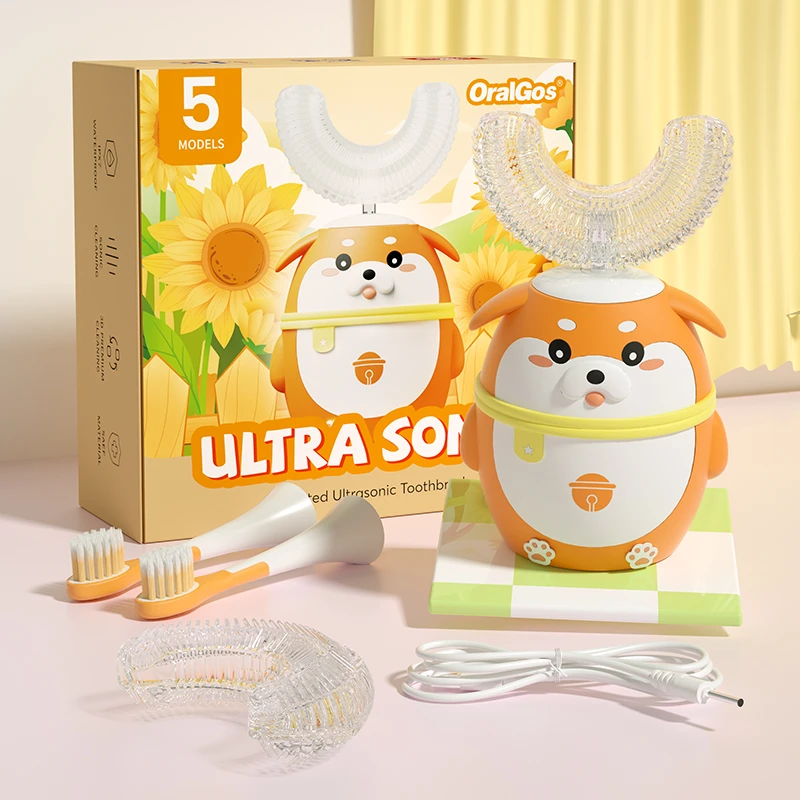
Families looking to improve oral hygiene routines can consider compact toothbrush designs like this one:
👉 U-shaped electric toothbrush for kids
Ultrasonic Electric Toothbrushes vs. Traditional Electric Brushes
When comparing eltrasonic electric toothbrushes with conventional electric toothbrushes, the key difference is the cleaning mechanism, not just speed.
Traditional electric brushes rely on oscillating or vibrating bristle movement. They remove surface plaque effectively, and dental professionals widely recommend them. Ultrasonic models aim to clean more deeply. They use sound wave energy to disrupt plaque biofilm at a microscopic level.
That said, not all users experience dramatically better results with ultrasonic devices. In fact, clinical outcomes often depend more on brushing duration, technique, and consistency than on the brush type itself.
Ultrasonic technology can provide an advanced cleaning experience. However, it works best as an enhancement to proper oral care routines rather than a replacement.
Long-Term Effects on Gum Health
Long-term gum health is influenced by multiple factors, including plaque control, inflammation management, and lifestyle habits. Ultrasonic electric toothbrushes may support gum health by reducing bacterial load more efficiently than manual brushing, potentially lowering the risk of chronic gingivitis.
However, they are not a standalone solution. Diet, smoking habits, and professional dental cleanings still play a major role in maintaining healthy gums. Even the most advanced toothbrush cannot fully compensate for poor oral hygiene habits.
For individuals with sensitive gums or early signs of periodontal issues, ultrasonic technology may offer a gentler and more consistent cleaning experience. But for most users, a well-designed electric toothbrush used correctly can achieve similar preventive results.
Final Verdict: Are Ultrasonic Electric Toothbrushes Worth It?
So, are ultrasonic electric toothbrushes better for gum health? The answer is nuanced.
They offer promising advantages such as deeper plaque disruption, reduced brushing pressure, and potential improvements in gum comfort. However, research does not consistently show that they are superior to high-quality sonic or oscillating brushes.
What matters most is not only the tool you choose, but how consistently and correctly you use it. Using an advanced toothbrush together with flossing and regular dental visits can support better long-term gum health. Guidance from the American Dental Association can further improve results.
In the end, technology can enhance your oral care—but habits still define your results.