The wellness world is full of ancient remedies making massive modern comebacks. Foremost among these is the practice of swishing oil in the oral cavity as the initial step of a morning routine. Proponents of coconut oil pulling claim it offers wide-ranging benefits. They suggest the practice can whiten teeth, cure bad breath, reverse early cavities, and even detoxify the entire body.
But does this ancient Ayurvedic practice actually hold up under the microscope of modern science? Or is the practice simply a modern marketing phenomenon lacking substantial scientific validation? Let’s dive into the science, benefits, and limitations of this popular oral hygiene routine.
What is Coconut Oil Pulling?
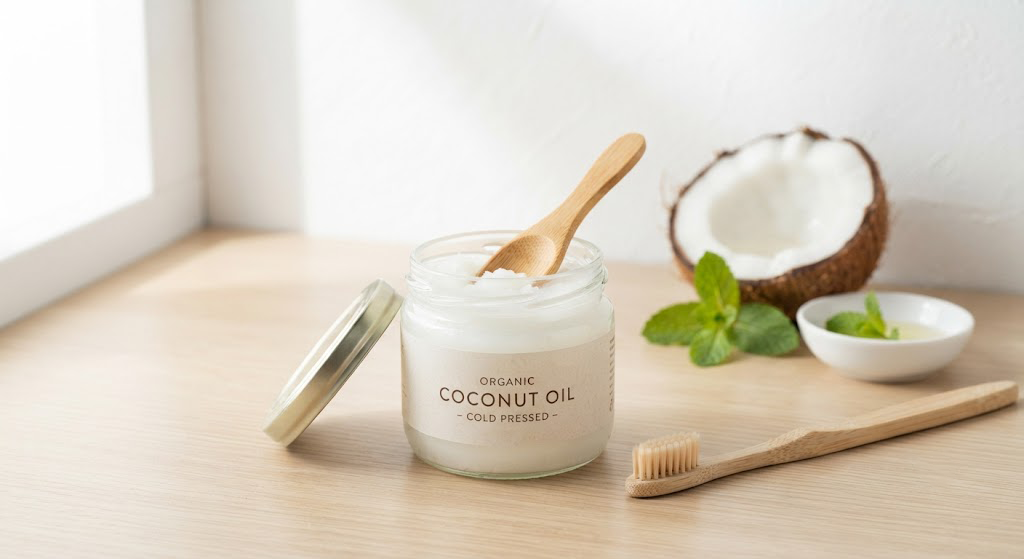
Oil pulling originated in India thousands of years ago as a traditional Ayurvedic remedy. The practice requires swishing a tablespoon of oil in your mouth on an empty stomach for 15 to 20 minutes. Traditional routines used sesame or sunflower oil. Today, most people prefer coconut oil because it tastes better and contains lauric acid, a powerful natural antimicrobial.
Advocates believe this swishing action pulls bacteria, plaque, and toxins from the crevices of your teeth and gums. After swishing, discard the oil in a trash bin to prevent clogged drains, and rinse your mouth thoroughly.
The Benefits: What Does the Science Say about Coconut Oil Pulling?
To separate the hype from reality, we have to look at how coconut oil pulling interacts with oral bacteria. While some online claims are untrue, the practice does offer some real, proven benefits.
1. Reducing Harmful Oral Bacteria
Your mouth is home to billions of bacteria, some of which contribute to plaque buildup and tooth decay. Lauric acid, which makes up about 50% of coconut oil, is highly effective at fighting off Streptococcus mutans, the primary bacteria responsible for cavities. Swishing oil helps emulsify these microorganisms, making them easier to spit out.
2. Combating Bad Breath (Halitosis)
Bad breath is often caused by volatile sulfur compounds produced by bacteria on the tongue and in the gums. By reducing the overall bacterial load in the mouth, oil pulling can noticeably freshen your breath, offering a natural alternative to alcohol-based mouthwashes that can dry out the oral cavity.
3. Supporting Gum Health
Plaque buildup is a leading cause of gingivitis (gum inflammation). Clinical studies have shown that consistent oil pulling can significantly reduce plaque indices, leading to healthier, less inflamed gums over time.
Is It a Replacement for Your Regular Oral Care?
Despite its benefits, coconut oil pulling is not a magic bullet, nor can it replace standard dental hygiene tools.
The American Dental Association (ADA) does not currently recommend oil pulling as a mainstream dental treatment due to a lack of rigorous, large-scale clinical trials. Dentists warn that relying only on oil pulling can lead to severe dental issues. Oil pulling cannot physically scrub away calcified plaque (tartar) or reverse active tooth decay.
For a truly healthy smile, oil pulling should only be used as a supplementary practice alongside a robust daily routine:
- Brushing: Use a high-quality electric toothbrush or a dentist-approved manual toothbrush twice a day.
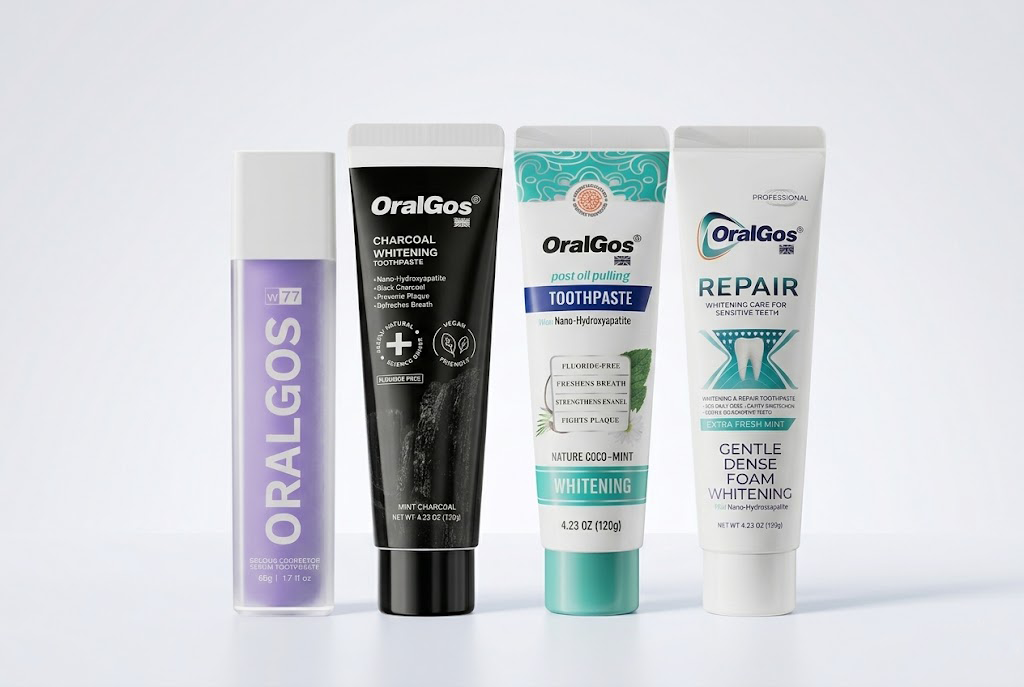
- Toothpaste: Always brush with a scientifically formulated toothpaste that protects enamel and fights cavities.
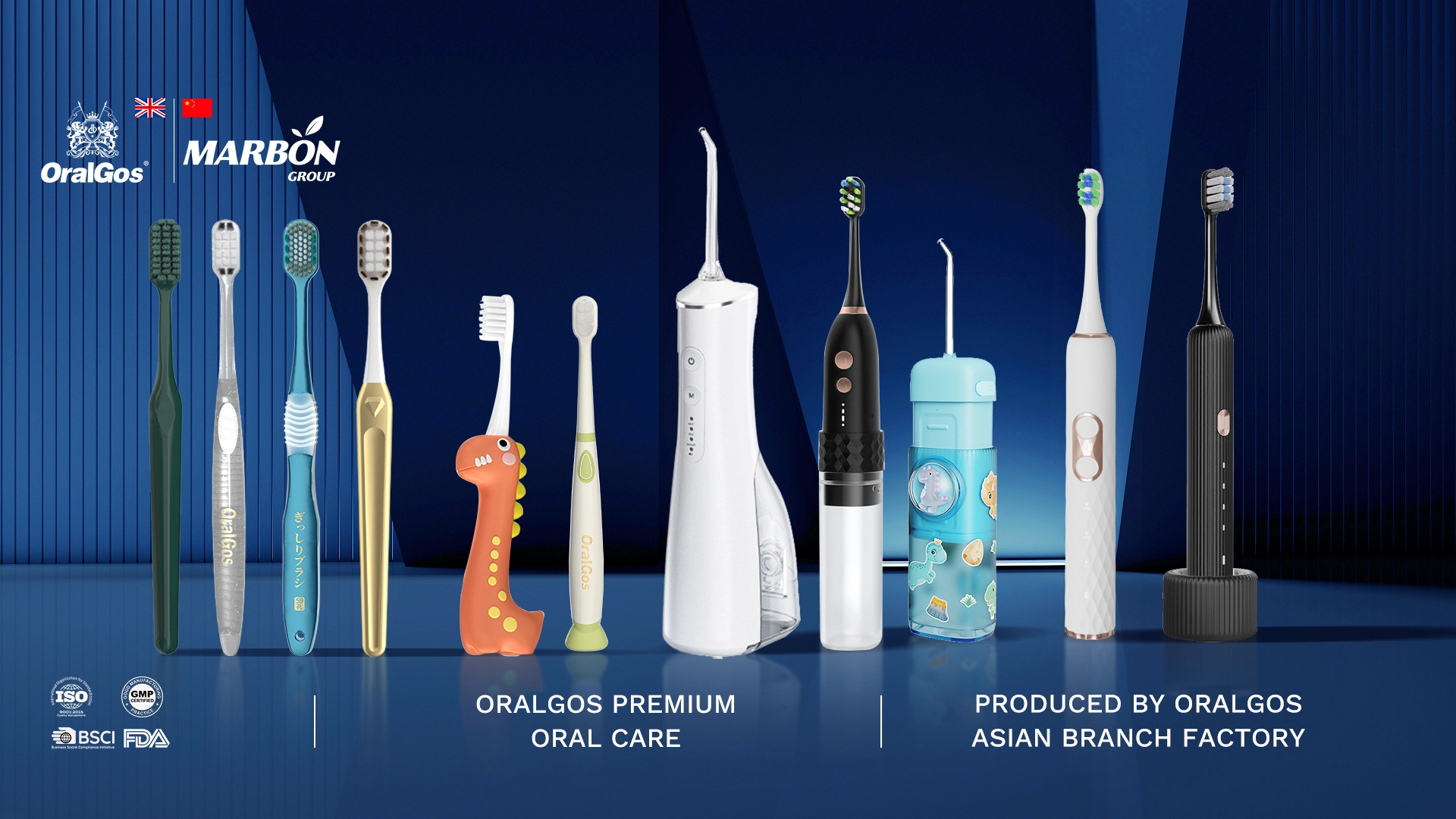
- Interdental Cleaning: Clean between your teeth daily using standard floss or a convenient water flosser to reach places swishing simply cannot clean.
Step-by-Step: How to Practice Coconut Oil Pulling Safely
If you decide to add this remedy to your morning routine, follow these simple steps to ensure you do it safely and effectively:
- Measure: Put one tablespoon of organic, virgin coconut oil into your mouth.
- Swish: Gently swish the oil between your teeth and around your gums. Do not gargle or swallow the oil, as it is loaded with the bacteria pulled from your mouth.
- Time It: Start with 5 minutes and gradually work your way up to 15 to 20 minutes.
- Spit and Rinse: Spit the oil into a trash bin (not the sink). Rinse your mouth thoroughly with warm water.
- Brush: Finish by brushing your teeth to remove any remaining oily residue and bacteria.
The Verdict: Miracle Cure or Overhyped Myth?
So, where does the truth lie? Coconut oil pulling is neither a miraculous cure-all nor a useless myth.
It is an effective, natural supportive therapy that can reduce oral bacteria, improve gum health, and freshen breath when paired with a solid, modern oral hygiene routine. However, claiming it replaces brushing, flossing, or regular visits to the dentist is a dangerous exaggeration.
Consider coconut oil pulling as a relaxing addition to your morning wellness ritual. However, it should not replace the proven dental tools that keep your smile bright and healthy.