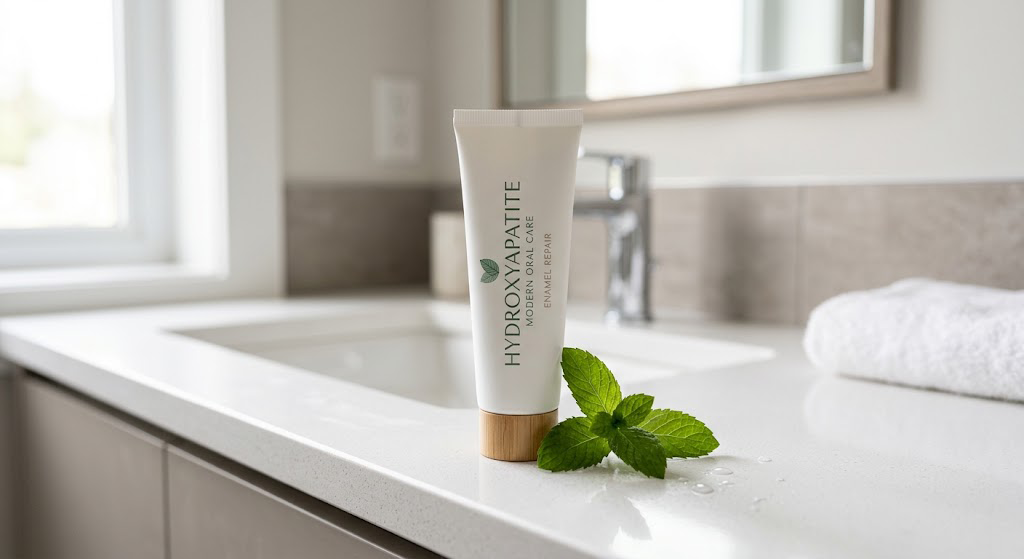
The global dental industry is undergoing a profound transformation driven by shifting consumer preferences toward safer, highly effective, and bio-compatible ingredients. Among the most significant developments in modern dental wellness is the rapid surge of hydroxyapatite in oral care.
Hydroxyapatite naturally makes up 97% of human tooth enamel and 70% of dentin. European and Japanese dental markets once viewed hydroxyapatite as a niche alternative to fluoride. Today, this essential mineral has firmly established itself as a cornerstone of next-generation preventive dentistry.

Understanding the Global Market Growth of Hydroxyapatite in Oral Care
As consumers shift toward clean-label and biocompatible personal care, hydroxyapatite oral care products are expanding rapidly worldwide. Consumers today are significantly more vigilant regarding daily ingredient formulations, actively seeking non-toxic, highly effective alternatives for their daily hygiene routines. Synthetic nano- and micro-hydroxyapatite closely mirror natural tooth enamel. This structural match allows them to bind directly to damaged surfaces without synthetic chemicals.
Biomimetic oral care products have shown strong annual growth over the past decade, according to global market reports. Regions across North America, Western Europe, and East Asia are experiencing unprecedented consumer demand for hydroxyapatite-based toothpastes, mouthwashes, and professional dental gels. Dental professionals and health-conscious consumers now strongly support hydroxyapatite products. Clinical studies prove they effectively remineralize enamel, soothe sensitivity, and naturally brighten teeth.
Key Functional Benefits Driving Hydroxyapatite in Oral Care Adoption
Several distinct clinical and functional advantages have significantly boosted the commercial success of hydroxyapatite across international oral health markets:
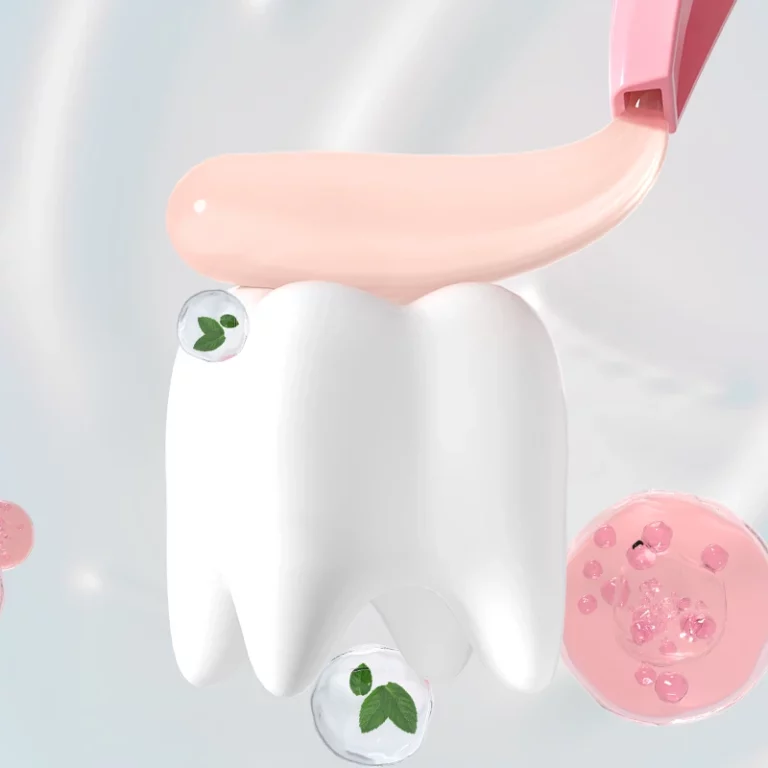
- Targeted Enamel Remineralization: Unlike superficial abrasives, microscopic hydroxyapatite particles penetrate deep into tiny microscopic fissures and subsurface lesions on the tooth surface. Once inside, they deposit essential calcium and phosphate ions directly where enamel erosion has occurred, restoring density and strength.
- Safe, Non-Toxic, and Swallow-Safe Profile: Hydroxyapatite matches the exact minerals found in human bones and teeth. Because of this natural composition, it is completely safe if swallowed by mistake. This safe profile makes it a worry-free choice for children, pregnant women, and anyone avoiding fluoride.
- Effective Dentinal Hypersensitivity Relief: When tooth enamel wears down, it exposes tiny tooth tubules. This causes sharp pain whenever teeth encounter hot, cold, acidic, or sweet foods. Hydroxyapatite particles effectively plug and seal these exposed tubules, offering long-lasting, deep relief from sensitivity.
- Biomimetic Tooth Whitening and Smoothing: Traditional whitening treatments often use harsh peroxides or strong abrasives. Over time, these ingredients can strip away enamel and trigger severe tooth sensitivity. Hydroxyapatite restores original tooth translucency, opacity, and smoothness, resulting in a naturally brighter, polished smile without altering chemical integrity.
Regulatory Endorsements and Clinical Evidence
The growth of hydroxyapatite in oral care is far more than a passing trend. Decades of clinical research fully support its long-term benefits. Leading regulatory bodies, research universities, and scientific institutions worldwide have validated both its safety and enamel-rebuilding efficacy.
Multi-center clinical trials show that hydroxyapatite toothpastes match traditional fluoride in stopping early tooth decay. In fact, they even outperform fluoride in smoothing rough enamel surfaces.
Prominent professional organizations such as the American Dental Association routinely highlight advancements in scientific research and innovative dental materials. Scientific evidence for hydroxyapatite continues to grow. As a result, forward-thinking dentists worldwide now recommend it as part of routine preventative care.
Formulations, Product Lineups, and Market Segments
To meet this growing demand, top oral care brands are expanding their product lines. They are now adding this innovative ingredient to everyday oral care routines. Consumers can now choose from a wide range of specialized toothpastes. These formulations are designed to soothe sensitive teeth, repair enamel, and naturally brighten smiles.
Within this rapidly expanding market, specialized multi-action formulations have achieved exceptional commercial success. Products like the Whitening & Repair Toothpaste use high-purity hydroxyapatite for targeted repair. With daily brushing, it gently removes stains while rebuilding weakened enamel.
Furthermore, forward-thinking oral care brands are combining hydroxyapatite with complementary natural bioactive ingredients. Many formulas use xylitol to block acid-forming bacteria and prebiotics to support a healthy oral microbiome. They also include natural essential oils to keep breath fresh. This comprehensive, multi-action approach strongly resonates with modern consumers who prioritize holistic, long-term health solutions.
Overcoming Industry Challenges and the Future Outlook
Hydroxyapatite is growing rapidly in popular oral care. However, its global expansion still faces several business hurdles.
Producing medical-grade hydroxyapatite requires advanced manufacturing tech. Because of this, it is significantly more expensive to make than traditional fluoride. As a result, higher production costs naturally push hydroxyapatite products into premium price tiers.
However, maturing supply chains and better manufacturing tech will soon lower production costs for these products. Concurrently, consumer education regarding ingredient safety and tooth remineralization is reaching record levels through digital health platforms and professional dental advocacy. Industry analysts predict that hydroxyapatite will move from a niche option to a global standard over the next decade. This shift will permanently redefine modern preventive dentistry.