When selecting a toothbrush, most people focus on head size, handle ergonomics, or brand popularity. Yet, product specifications often hide a key factor for oral health: bristle diameter.
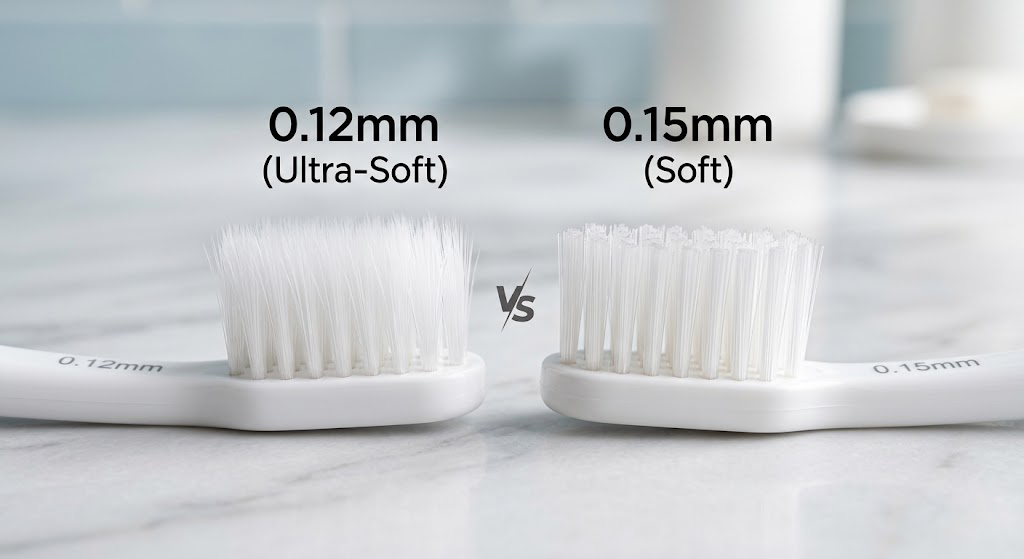
The thickness of individual filaments determines a toothbrush’s flexibility, stiffness, and overall pressure distribution on enamel and soft tissue. Two common precision measurements found in high-quality manual and electric toothbrush heads are 0.12mm and 0.15mm.
Comparing 0.12mm vs 0.15mm bristle diameters helps you choose the right toothbrush for your dental needs.
0.12mm vs 0.15mm Bristle Diameter: Key Differences
A 0.03 mm difference sounds tiny, but slight changes in bristle thickness dramatically alter stiffness. Bristle stiffness increases dramatically relative to diameter. Even with the same nylon or PBT material, a 0.15mm bristle feels noticeably stiffer than a 0.12mm one.
| Feature / Characteristic | 0.12mm Bristle Diameter | 0.15mm Bristle Diameter |
| Softness Category | Ultra-Soft / Extra-Soft | Soft to Medium-Soft |
| Flexibility | High (Conforms easily to tooth contours) | Moderate (Maintains structural form) |
| Primary Focus | Gentle gum care & interdental reach | Efficient plaque removal on flat surfaces |
| Ideal For | Sensitive teeth, receding gums, post-surgery | Normal, healthy teeth and gums |
| Bending Resistance | Lower (Yields under high pressure) | Higher (Resists bending during brushing) |
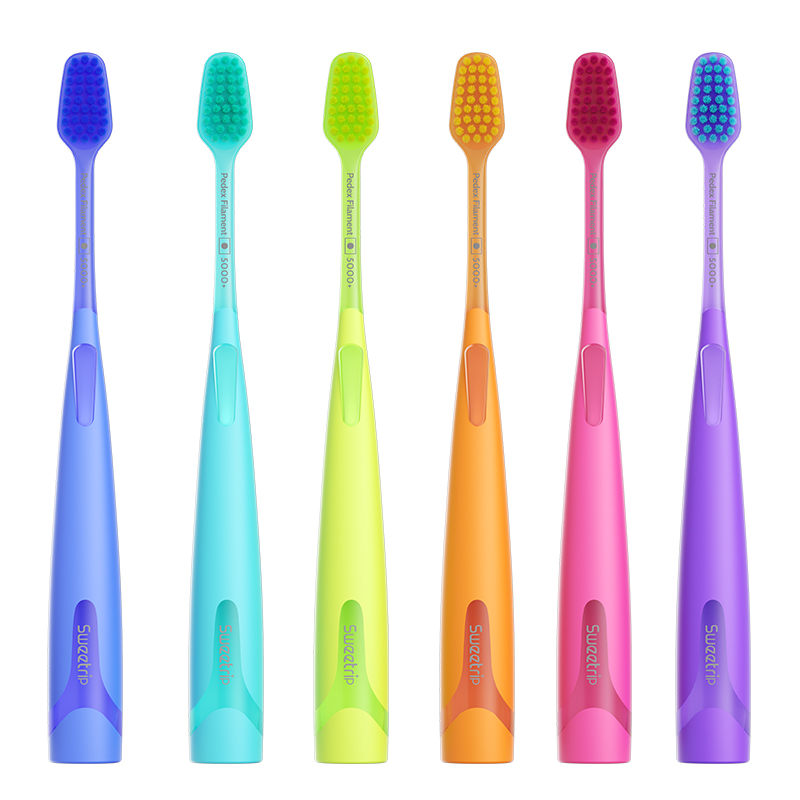
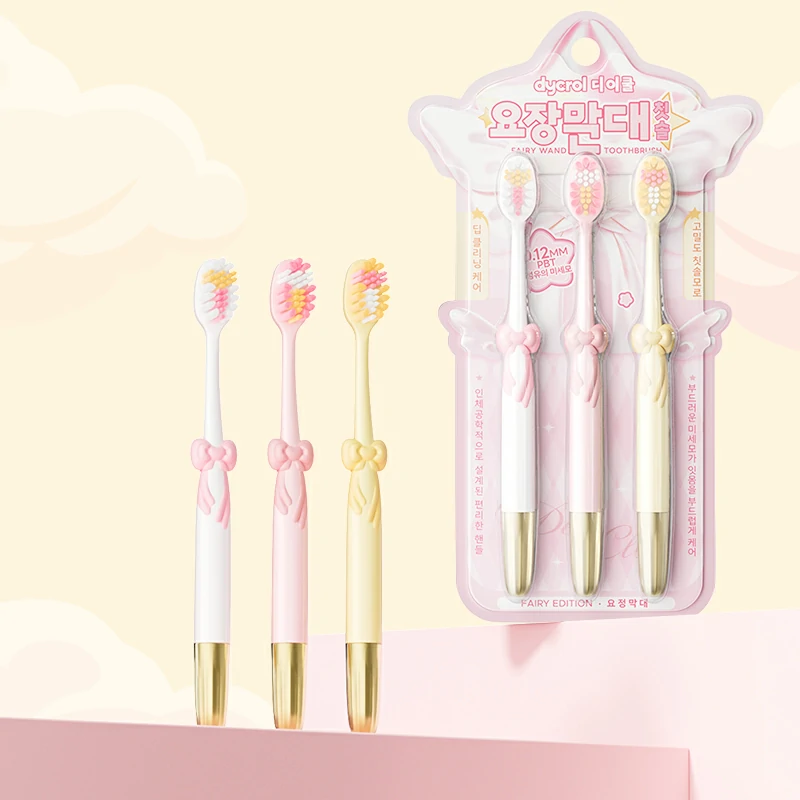
Performance Breakdown: 0.12mm vs 0.15mm Bristle Diameter
To choose the right thickness, compare how both sizes handle three main factors: plaque removal, gum safety, and durability.
Plaque Removal Power of 0.12mm and 0.15mm Bristles
- 0.15mm Bristles: Since 0.15mm bristles stay firmer and straighter, they scrub smooth tooth surfaces more effectively. They are effective at dislodging sticky biofilm and surface stains.
- 0.12mm Bristles: What 0.12mm bristles lack in raw stiffness, they make up for in adaptive coverage. The thinner strands easily flex into tight gaps and under the gumline to sweep away debris gently.
Impact of Bristle Thickness on Gum Health and Enamel
Maintaining healthy gums requires cleaning along the gumline without stripping away delicate tissue or causing micro-abrasions.
The American Dental Association (ADA) recommends soft bristles to protect your gums and enamel from damage.
- 0.12mm Bristles: 0.12mm bristles belong strictly to the ultra-soft category. They absorb excessive force, which protects users who tend to brush too hard.
- 0.15mm Bristles: Align with standard “soft” or “medium-soft” ratings. While safe for healthy tissue, users who press too hard may experience mild irritation over time.
Durability and Splay Resistance Across Bristle Diameters
- 0.15mm Bristles: Offer better resistance to splaying (flattening out). They retain their original vertical orientation longer, providing a consistent feel across their recommended 3-month lifespan.
- 0.12mm Bristles: Being finer, ultra-soft filaments can show signs of bending earlier if subjected to excessive pressure. Gentle technique is essential to preserve their structural shape.
How to Choose the Best Toothbrush Bristle Thickness
Selecting the ideal bristle size ultimately depends on your individual dental profile and personal preferences.
When to Choose 0.12mm Ultra-Soft Bristles
A 0.12mm bristle brush is ideal if you experience:
- Gingival Sensitivity or Bleeding: Ultra-thin bristles cushion contact with inflamed or tender gums.
- Gum Recession: Exposed dentin is soft and vulnerable to abrasion; thinner bristles reduce friction.
- Recent Dental Procedures: Soft filaments minimize disruption to healing surgical sites or newly placed restorations.
- Heavy-Handed Brushing Habits: The extra flex acts as a safety buffer against over-brushing.
When to Choose 0.15mm Soft Bristles
A 0.15mm bristle brush is best suited for:
- Healthy Teeth and Gums: Provides standard cleaning action with balanced flexibility.
- Plaque or Stain Build-Up: Offers slightly firmer contact to manage surface discoloration from tea, coffee, or food pigments.
- A Preference for Firm Feedback: They offer a traditional, firm feel without the harshness of medium or hard bristles.
To improve your daily routine, explore our complete manual toothbrush category.
Conclusion
Both 0.12mm and 0.15mm bristle diameters offer effective cleaning benefits within modern oral hygiene standards. Choose a 0.12mm bristle for gentle, protective care, or select a 0.15mm option for stronger surface cleaning. Consider your gum sensitivity and brushing style to choose the best bristle thickness for a healthy smile.