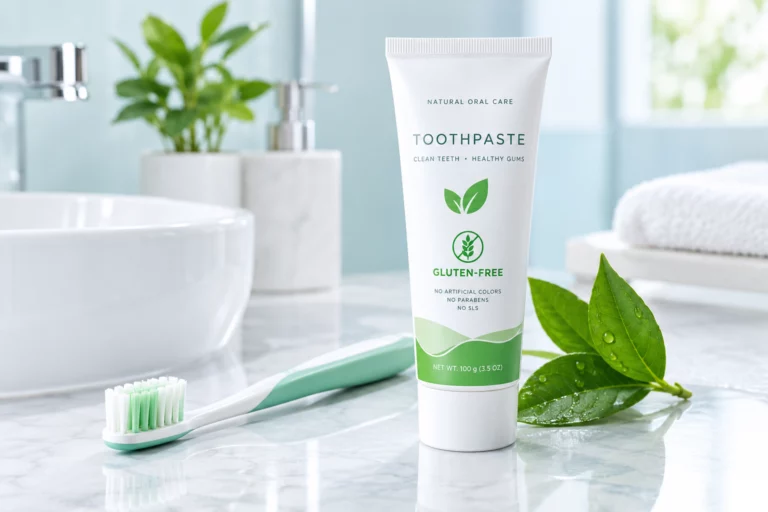
When strolling down the oral care aisle, most consumers focus entirely on the gel or paste inside. However, the container holding that product plays a critical role in preservation, brand identity, and environmental impact. Modern toothpaste tube packaging has evolved far beyond simple metal squeezers. Today, it offers brands several sophisticated options.
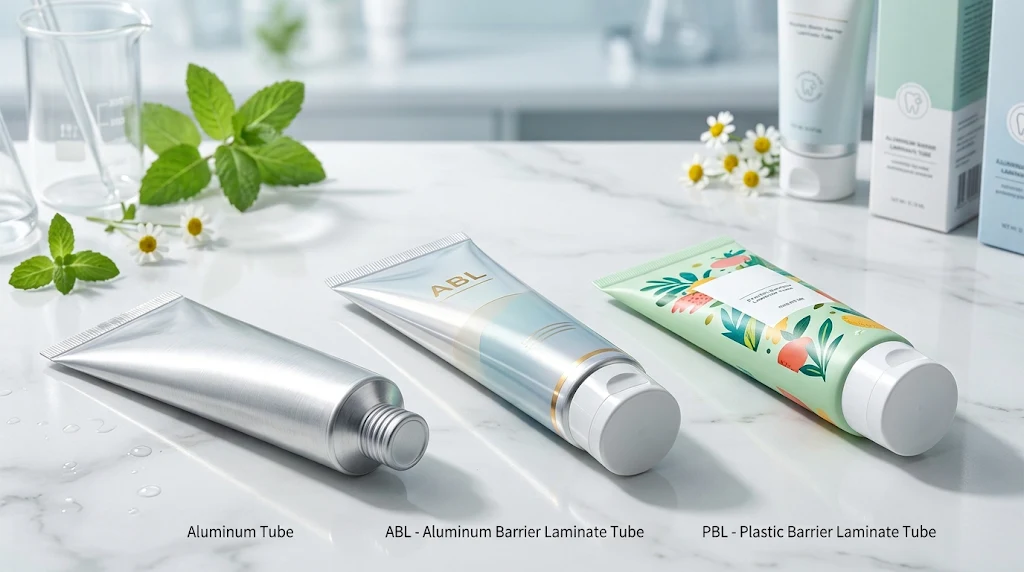
Choosing the right material requires balancing product shelf-life, manufacturing costs, and eco-friendly consumer expectations. Below, we compare the three leading container materials. These are ABL laminated tubes, PBL all-plastic tubes, and traditional aluminum tubes.
Understanding Toothpaste Tube Packaging Materials
To make an informed choice, manufacturers must understand how each material performs structurally and chemically. Toothpaste formulations contain active ingredients like fluoride, whitening agents, and essential oils that can interact aggressively with packaging.
Global supply chains demand durable containers. These tubes must withstand high-speed filling, transport, and daily squeezing without cracking or leaking.
ABL Laminated Toothpaste Tubes
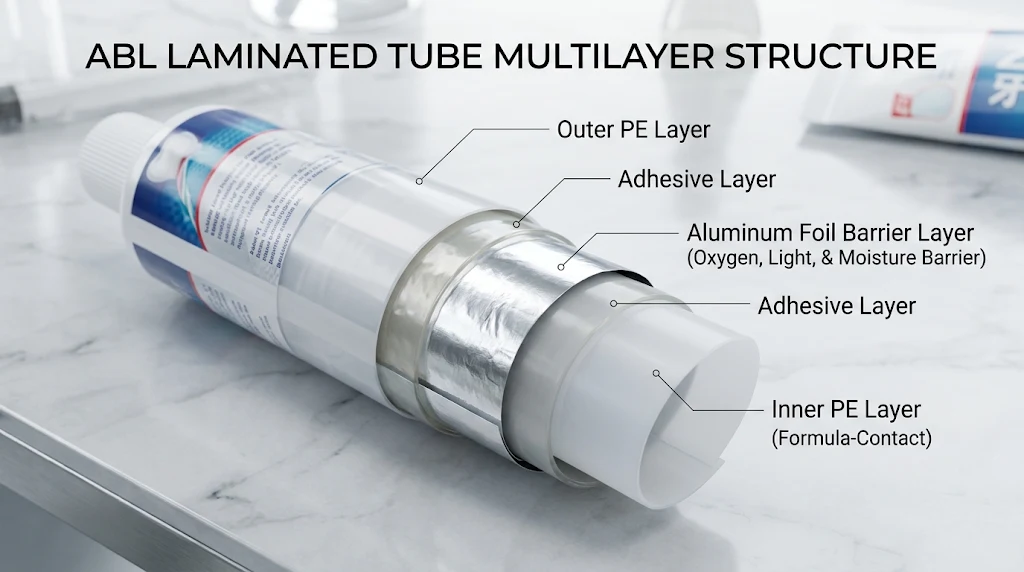
ABL stands for Aluminum Barrier Laminate. These tubes consist of multiple thin layers extruded together. They typically feature a plastic outer layer, a polymer bonding layer, a microscopic aluminum foil core, and an interior food-grade plastic layer.
- Barrier Protection: The aluminum foil core provides a strong barrier against oxygen, light, and moisture. This makes ABL ideal for specialized formulas containing sensitive active ingredients that degrade when exposed to air.
- Aesthetic Appeal: ABL allows for high-definition 360-degree printing. This makes vibrant brand designs and complex graphics look crisp and professional.
- Recyclability Challenges: ABL combines plastic and metal layers closely. Because of this, separating them for municipal recycling is extremely difficult, though new sorting technologies are emerging.
PBL All-Plastic Toothpaste Tubes
PBL stands for Plastic Barrier Laminate (sometimes referred to as All-Plastic tubes). Unlike ABL, PBL relies entirely on polymer structures. It often uses an ethylene-vinyl alcohol (EVOH) barrier layer placed between layers of polyethylene (PE).
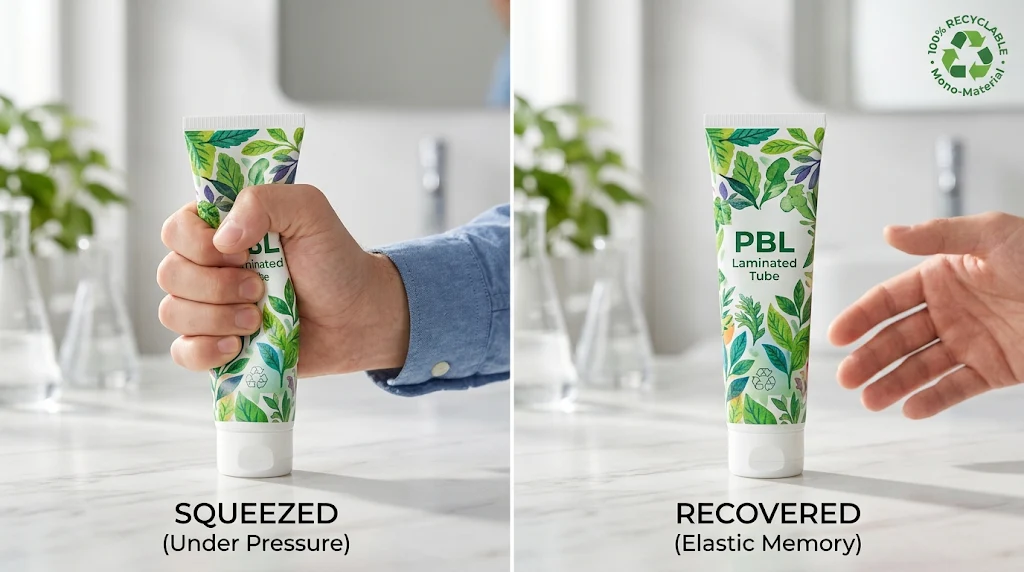
- Easy to Recycle: Most manufacturers design PBL tubes as mono-material structures, such as high-density polyethylene or polypropylene. This mono-material build allows consumers to toss the entire empty tube directly into standard curbside recycling bins.
- Flexibility and “Memory”: PBL offers great flexibility and bounce. When a consumer squeezes the tube, it bounces back into shape rather than staying permanently dented.
- Eco-Conscious Appeal: Sustainability drives modern purchasing habits. Brands using PBL tubes often highlight their lower carbon footprint to eco-conscious shoppers.
Traditional Aluminum Toothpaste Tubes
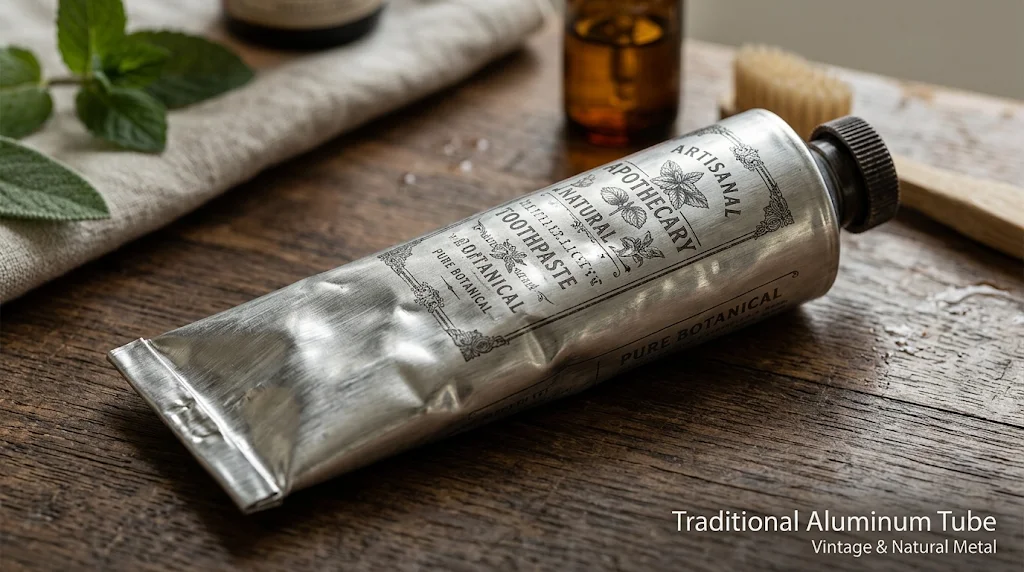
Before plastic dominated manufacturing, aluminum was the undisputed king of toothpaste tube packaging. Today, it maintains a strong niche, particularly among premium, organic, and zero-waste oral care brands.
- Impervious Barrier: Aluminum completely blocks light, gases, and bacteria, ensuring maximum product stability without needing complex multi-layered laminates.
- Endless Recycling: Recycling companies can reuse metal again and again without losing its structural integrity. The American Dental Association supports high oral health standards. Industry guidelines show that choosing sustainable packaging also helps reduce long-term waste.
- The “Crushed” Aesthetic: Aluminum tubes deform permanently as you squeeze them. While some consumers love this vintage, classic aesthetic, others dislike how the metal wrinkles and potentially cracks over time.
Comparative Breakdown: ABL, PBL, and Aluminum Toothpaste Tube Packaging
| Feature | ABL Laminated Tubes | PBL All-Plastic Tubes | Aluminum Tubes |
| Barrier Quality | Excellent (due to metal foil layer) | Very Good (with EVOH layer) | Excellent (metal barrier) |
| Recyclability | Complex/Challenging | High (Mono-material options) | High (Infinite metal recycling) |
| Squeeze “Memory” | Moderate | High (Bounces back) | Low (Retains crushed shape) |
| Print Quality | High-definition glossy/matte | Vibrant, smooth finish | Embossed or printed directly |
Which Toothpaste Tube Material Wins for Your Brand?
Selecting the ideal format for toothpaste tube packaging ultimately depends on your product’s specific formulation and target audience.
Some toothpastes contain harsh whitening agents or active herbal extracts. These active formulas need maximum shelf-life protection. For them, ABL laminated tubes remain a reliable and cost-effective choice.
Your brand may focus on zero-waste living and circular economies. Switching to a mono-material PBL or sleek aluminum tube will resonate more deeply with your customers.
As regulatory bodies push for stricter packaging laws worldwide, the industry is steadily tilting toward mono-material plastics and infinitely recyclable metals. Combine superior packaging with high-performance formulas. Your customers will enjoy a premium brushing experience from the first squeeze to the last. For inspiration on modern formulations and eco-friendly merchandising, you can explore professional solutions at Oralgos Oral Care Products.