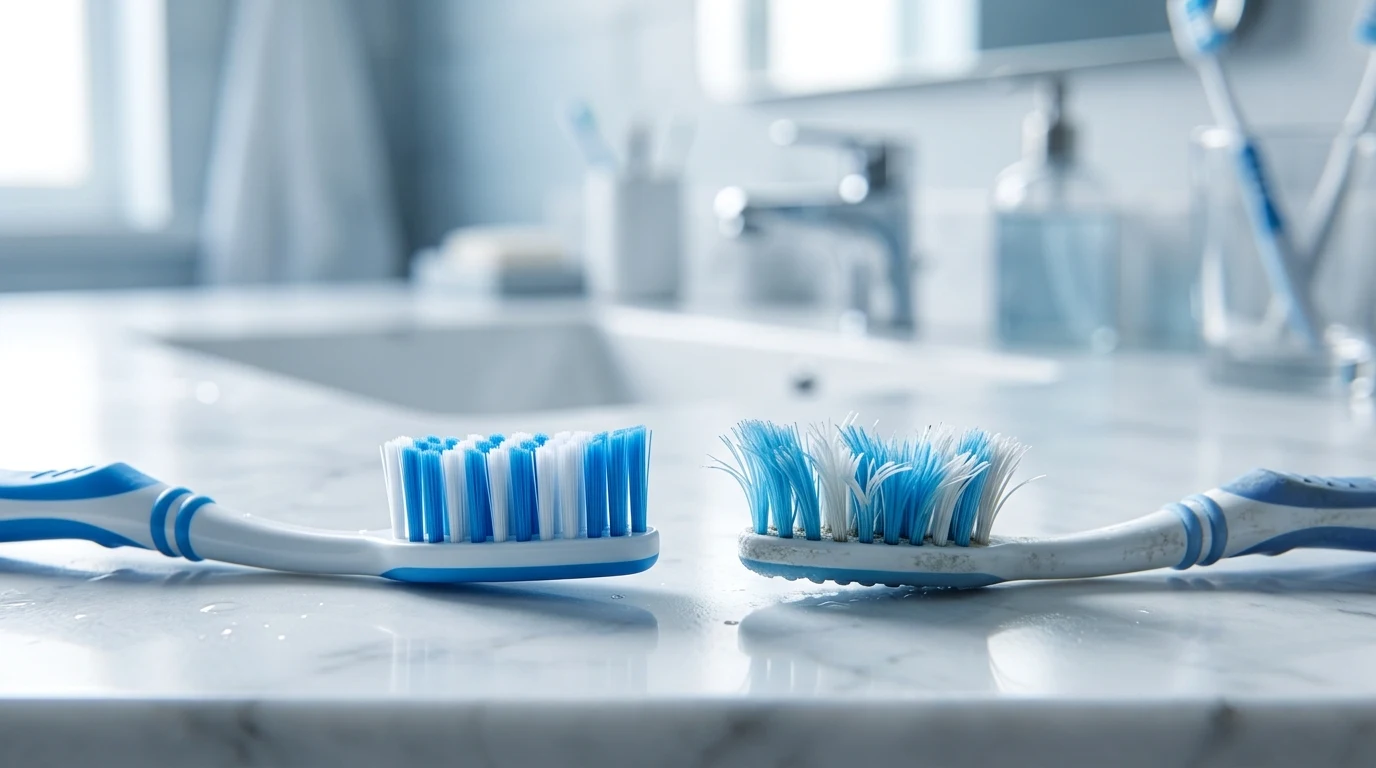
A toothbrush is an essential tool for daily oral care. However, many people continue using the same toothbrush for longer than recommended. Over time, its bristles become worn, spread out, and less effective at cleaning teeth. This can affect daily plaque removal and make brushing less effective. Understanding when to replace a toothbrush is important for maintaining good oral hygiene. Regular replacement keeps your toothbrush in good condition and supports effective daily cleaning.
What are the possible effects of using the same toothbrush for too long? Let’s explore the main effects and the signs that indicate it is time for a new one.
1. Worn Bristles Become Less Effective
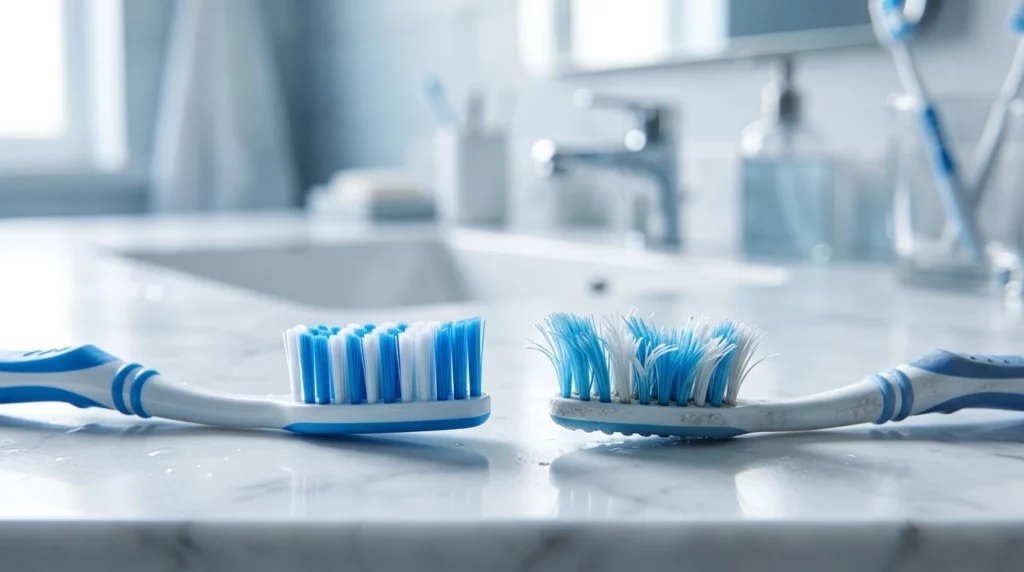
One of the most noticeable problems with an old toothbrush is bristle wear. After repeated use, the bristles gradually lose their original shape. They may become bent, spread out, or flattened.
These changes affect how the toothbrush contacts tooth surfaces. Instead of maintaining even contact, worn bristles may miss certain areas during brushing. As a result, they may not remove plaque as effectively as new bristles.
In addition, damaged bristles can make it harder to reach narrow spaces around the teeth and along the gumline.
For this reason, replacing a toothbrush regularly helps maintain its cleaning performance.
2. Plaque May Build Up More Easily
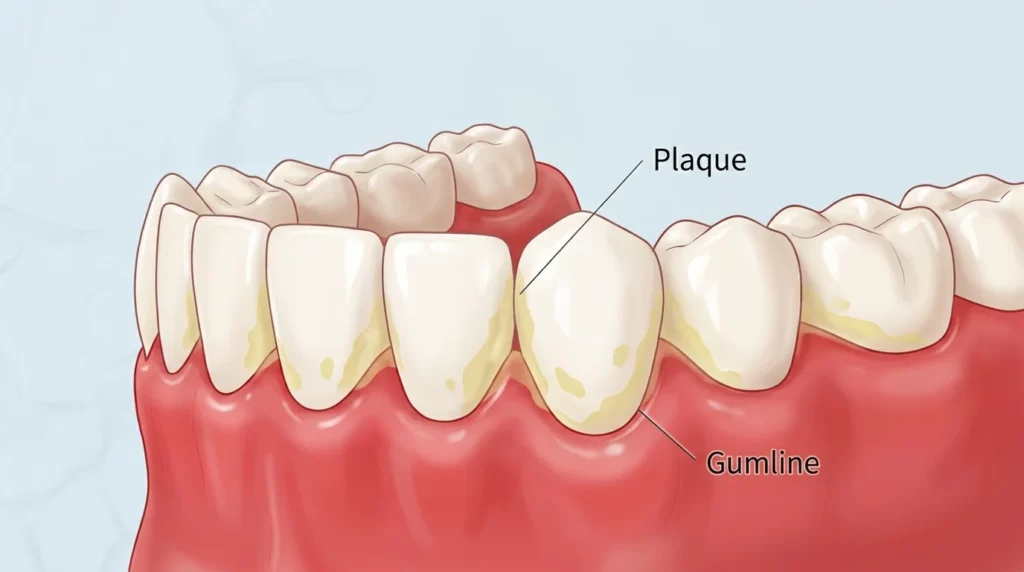
Plaque is a soft, sticky film of bacteria that forms on teeth throughout the day. Regular brushing helps remove this film before it hardens into tartar.
However, an old toothbrush with damaged bristles may not clean all tooth surfaces effectively. If plaque remains on the teeth, it can accumulate over time.
Poor plaque removal may increase the risk of several oral health problems, including:
- Tooth decay: Plaque bacteria produce acids that can damage tooth enamel.
- Gum inflammation: Plaque near the gumline can contribute to gingivitis.
- Tartar formation: Plaque that remains on teeth can harden into tartar, which usually requires professional dental cleaning to remove.
Using a toothbrush with properly maintained bristles supports better daily plaque control.
3. Old Toothbrushes May Irritate Your Gums
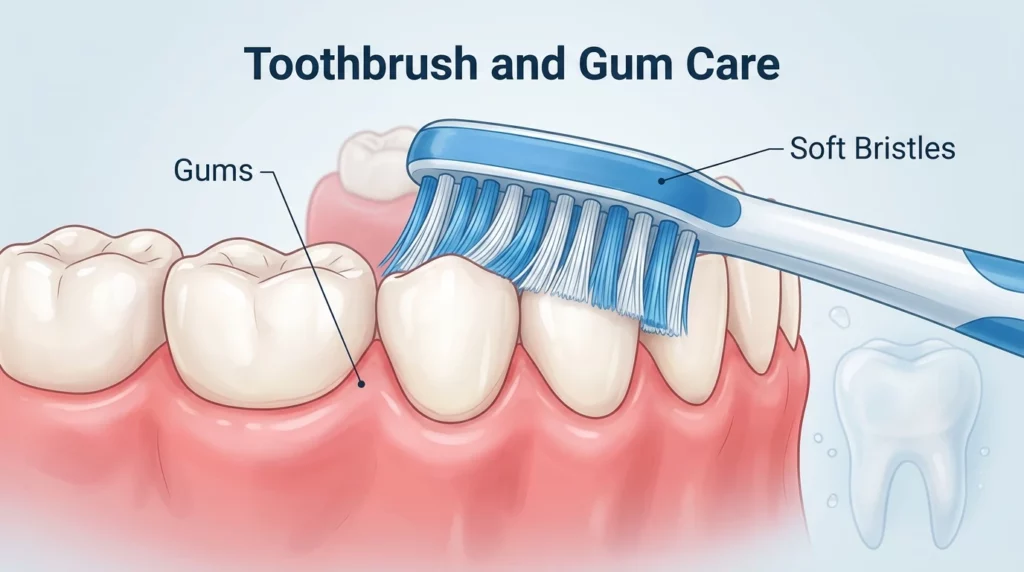
Toothbrush bristles should remain soft and flexible enough to clean teeth gently. However, repeated use can change their shape and texture.
When bristles become bent or spread out, they may feel rough against the gums. This can cause discomfort, especially for people who already have sensitive gums.
Furthermore, people sometimes apply extra pressure when their toothbrush no longer feels effective. Brushing too hard can increase the risk of gum irritation and enamel wear.
Choosing a soft-bristled toothbrush and using gentle brushing pressure can help protect teeth and gums.
4. Bacteria Can Accumulate on Toothbrushes
Toothbrushes come into contact with saliva, toothpaste, food particles, and bacteria in the mouth. Therefore, bacteria can remain on their bristles after brushing.
However, finding bacteria on a toothbrush does not automatically mean it is unsafe. The American Dental Association (ADA) states that toothbrushes can carry bacteria. However, there is no evidence that these bacteria cause health problems during normal use.
Proper toothbrush care is still important. Rinse your toothbrush thoroughly after each use, store it upright, and allow it to air dry.
Avoid sharing toothbrushes with other people. Also, do not keep a wet toothbrush in a closed container for long periods, as this can encourage microbial growth.
You can read more about toothbrush care and replacement recommendations from the American Dental Association.
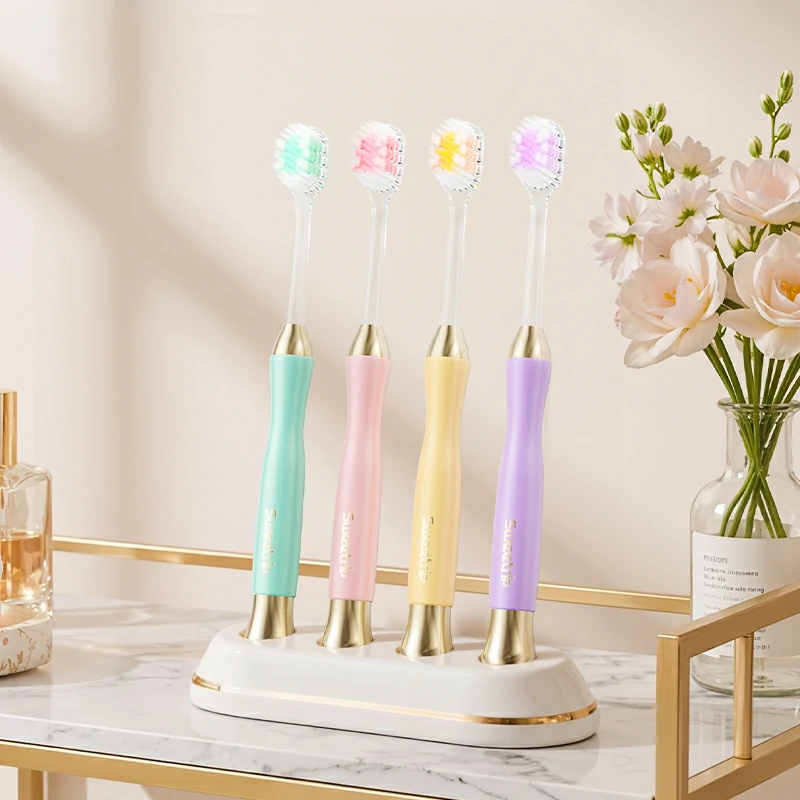
5. When to Replace a Toothbrush: Important Signs to Watch For
Knowing when to replace a toothbrush helps prevent you from using a worn brush for too long. Although the replacement period is important, the condition of the bristles also matters.
Here are some common signs that indicate it is time for a new toothbrush.
A. Bristles Become Frayed or Spread Out
This is one of the clearest signs. If the bristles become bent or spread out, the toothbrush may lose some of its cleaning ability.
B. Bristles Change Their Shape
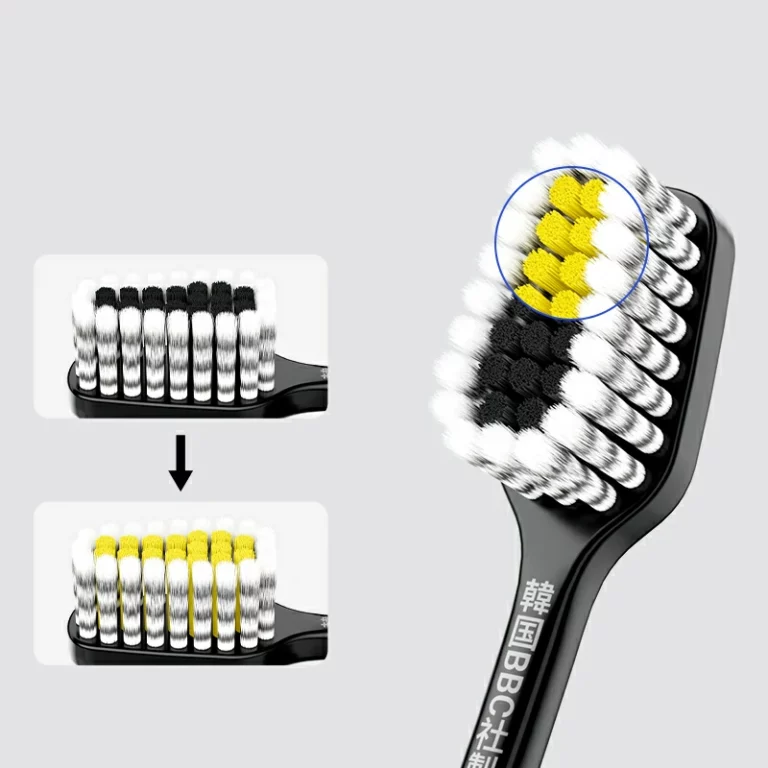
Some toothbrushes have indicator bristles that gradually fade in color. This feature helps users recognize when the brush may need replacement.
This feature is not available on all toothbrush models. Therefore, users should also check the physical condition of the bristles.
C. Replace Your Toothbrush Every Three to Four Months
The ADA recommends replacing toothbrushes approximately every three to four months. Users should replace them sooner if the bristles become visibly worn or frayed.
This recommendation applies to both manual toothbrushes and electric toothbrush heads.
D. The Toothbrush Is Difficult to Clean
If toothpaste residue or debris remains trapped between the bristles after rinsing, clean the toothbrush thoroughly. If it remains visibly dirty or damaged, replacing it is a practical choice.
6. Does the Replacement Time Differ Between Manual and Electric Toothbrushes?
Both manual and electric toothbrushes require regular replacement. However, the parts that need changing are different.
Manual toothbrushes: The ADA recommends replacing toothbrushes every three to four months. Earlier replacement is advisable when the bristles show signs of wear.
Electric toothbrushes: Replace the brush head rather than the entire device. Most replacement heads follow the same three-to-four-month recommendation.
People who use electric toothbrushes should also check the product instructions. Some models include indicator bristles or replacement reminders.
If you are exploring different toothbrush options, you can browse our manual toothbrush collection or electric toothbrush collection.
7. How to Make Your Toothbrush Last Longer
Proper care keeps a toothbrush clean and in good condition between replacements. However, good maintenance does not mean you should use the same toothbrush beyond its recommended replacement period.
Follow these simple tips:
- Rinse the toothbrush thoroughly after every use.
- Store the toothbrush in an upright position in a well-ventilated area.
- Allow the bristles to air dry between uses.
- Each person should use their own toothbrush.
- Keep toothbrushes separate to prevent contact between their bristles.
- Replace the toothbrush when the bristles become visibly worn.
These habits help maintain toothbrush hygiene and support a consistent oral care routine.
Conclusion
Using an old toothbrush for too long can reduce cleaning effectiveness and make daily plaque removal more difficult. Worn bristles may also irritate the gums and affect brushing comfort.
Understanding when to replace a toothbrush is therefore an important part of everyday oral care. The general recommendation is to replace toothbrushes and electric toothbrush heads every three to four months. Earlier replacement may be necessary if the bristles show signs of damage.
Regular toothbrush checks and proper care support effective and comfortable brushing. These habits also help maintain good oral hygiene.