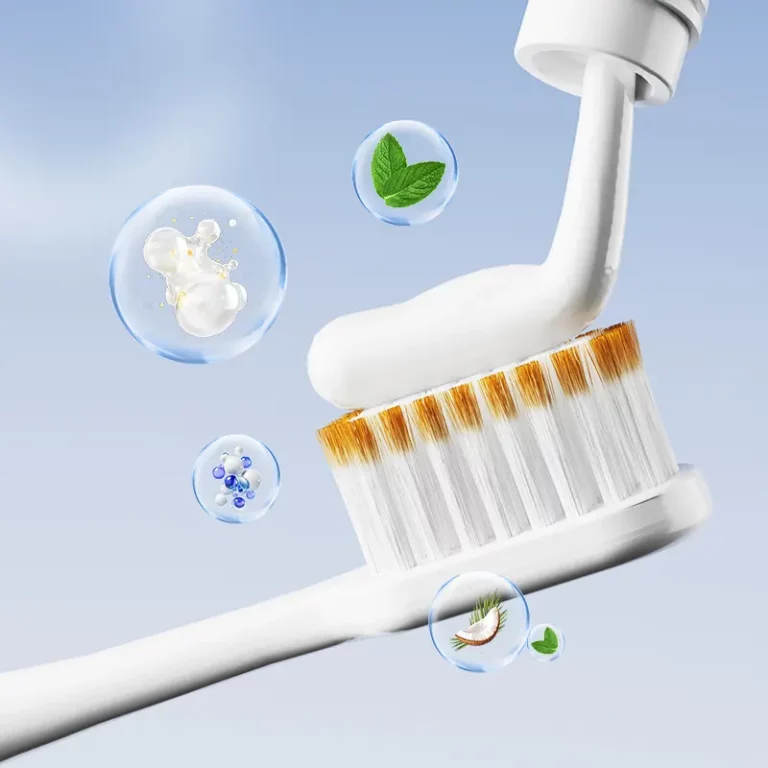
Toothpaste is a daily essential, but few people understand the complex process behind its manufacturing. Behind every tube lies extensive research, quality testing, and strict compliance to ensure consumer safety and satisfaction. From fluoride-based protection to whitening technologies, the journey from formula to market highlights both science and precision.
The Science of Toothpaste Manufacturing
Toothpaste manufacturing goes far beyond mixing powders and gels. It is a science-driven process that balances effectiveness, safety, and consumer needs. Factories follow Good Manufacturing Practices (GMP). Many also hold certifications such as ISO 13485 or ISO 9001. These standards ensure that every batch meets international requirements.
The process begins with research and development (R&D). Chemists study ingredients for their role in cleaning, strengthening enamel, or whitening teeth. For example, fluoride is one of the most researched compounds in oral care. Studies show it strengthens enamel and prevents cavities. Manufacturers carefully test whitening components, such as hydrated silica or color-correcting pigments, to ensure safety and gentle performance.

Key Stages in Toothpaste Formula Development
Toothpaste formula development requires balance between cleaning power, taste, and safety. A factory typically follows these steps:
- Active Ingredient Selection
Choosing the right actives is central to toothpaste manufacturing. Fluoride, in regulated concentrations, strengthens enamel and prevents decay. Manufacturers select whitening components to gently polish or color-correct teeth without damaging enamel. - Abrasive and Binder Control
Abrasives like silica help remove plaque, while binders ensure consistency. Quality control ensures abrasives are fine enough to clean without scratching. - Flavoring and Sweeteners
Mint, fruit, or herbal flavors are added to improve user experience. Non-sugar sweeteners such as xylitol not only enhance taste but also contribute to cavity prevention. - Stability and Safety Testing
Before any formula reaches the market, it undergoes microbiological and stability tests. This ensures no bacterial growth and that the formula remains effective during shelf life.
Toothpaste Manufacturing in Modern Facilities
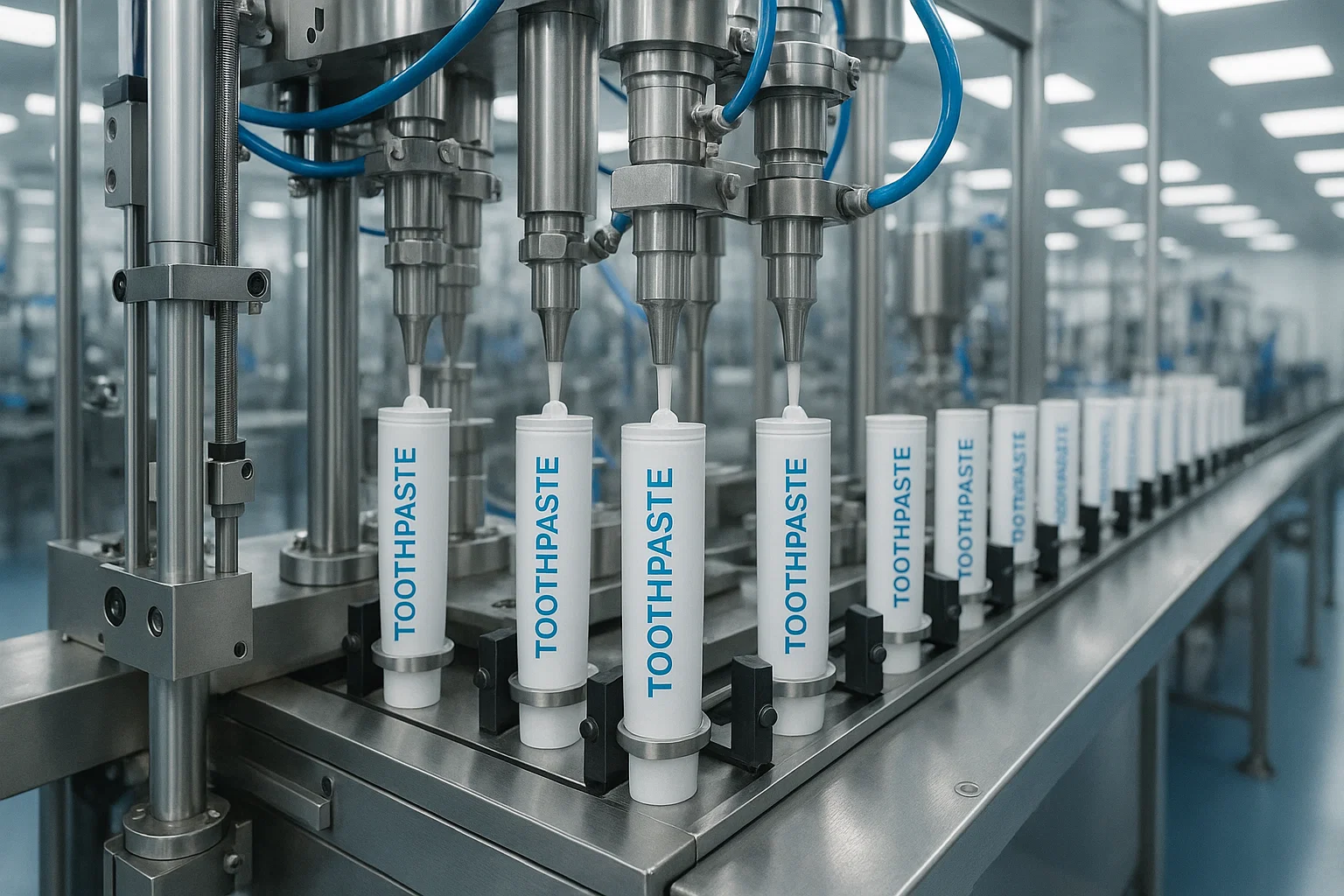
A modern factory uses advanced mixing, vacuum, and filling equipment to maintain hygiene and efficiency. Engineers design production lines for both small-batch testing and large-scale output. Automated filling machines guarantee consistent weight and packaging integrity, whether in tubes, pumps, or eco-friendly jars.
Internal audits and third-party inspections ensure compliance. For example, many facilities undergo Walmart, BSCI, or FDA audits to prove reliability to global partners. These audits reduce compliance risks and assure distributors of safe, high-quality toothpaste manufacturing.
For reference, you can explore OralGos’ toothpaste collection to see how diverse formulations align with global consumer needs.
Fluoride in Toothpaste Manufacturing: Why It Matters
The role of fluoride in toothpaste manufacturing cannot be overstated. Fluoride ions integrate into enamel, creating a more acid-resistant surface. This mechanism is essential in populations with high sugar consumption or limited dental care access.
In fact, professional associations like the American Dental Association consistently recommend fluoride-based toothpaste for its preventive benefits. By including fluoride during formulation, manufacturers ensure that the product delivers both daily cleaning and long-term protection.
For customers seeking alternatives, fluoride-free options are also available. For instance, the OralGos Fluoride-Free Charcoal Toothpaste (DB864) serves consumers who prefer natural options. It also meets the needs of markets that favor fluoride-free oral care.

Whitening and Color Correction in Toothpaste
Modern consumers often seek visible results, which is why whitening remains a key focus in toothpaste manufacturing. Instead of harsh bleaching chemicals, many manufacturers now use safe alternatives:
- Abrasive Polishing: Mild silica particles gently polish stains.
- Color Correction: Purple pigments neutralize yellow tones for instant brightness.
- Enzyme-Based Formulas: Certain enzymes help break down plaque and reduce staining.
A good example is the OralGos W77 Colour Corrector Toothpaste, which uses advanced color correction rather than peroxide bleaching. This reflects how innovative whitening solutions align with both safety and consumer demand.

Quality Control and Regulatory Compliance
Each stage of toothpaste manufacturing is backed by quality checks. From raw material testing to finished product inspection, quality assurance teams verify consistency. Quality teams measure parameters such as pH balance, fluoride concentration, and packaging durability.
Manufacturers must also comply with region-specific regulations. In the European Union, cosmetics regulations (EC 1223/2009) require detailed ingredient safety data. In the United States, the FDA oversees fluoride concentration limits and labeling accuracy. This ensures that consumers worldwide receive safe and effective oral care products.
From Factory to Market: Distribution and Branding
Once tested and approved, toothpaste products are packaged and prepared for distribution. Packaging must not only protect the formula but also reflect brand identity and consumer trust. More brands now use eco-friendly materials like recyclable tubes or FSC-certified cartons to meet sustainability goals.
Factories offering OEM/ODM services also support brand partners in customizing flavors, colors, and packaging designs. This flexibility enables private-label success in competitive markets.
A tube of toothpaste goes through a long journey before it reaches retail shelves or e-commerce platforms. It represents careful formulation, strict testing, regulatory compliance, and strong branding.
Conclusion: The Future of Toothpaste Manufacturing
Toothpaste manufacturing is evolving with science and sustainability. Fluoride remains a cornerstone of enamel protection, while whitening innovations offer safe aesthetic improvements. Factories today combine R&D precision with strict quality assurance, ensuring every tube meets consumer expectations and regulatory requirements.
Oral care professionals and brand owners need to understand this process. It helps them make better decisions about product development and market strategy. The future of toothpaste manufacturing is moving toward safer, smarter, and more sustainable oral care. This progress comes from advanced fluoride formulas, eco-friendly packaging, and innovative whitening approaches.