
Producing a high‑quality toothbrush goes far beyond shaping the handle and deciding on bristle hardness. A critical stage in toothbrush production is bristle planting. In this process, workers carefully insert thousands of fine filaments and securely fix them into the brush head. Done well, this process guarantees consistent cleaning performance, hygiene, and durability. Poorly executed bristle planting, on the other hand, can result in uneven cleaning, bristle loss, or even gum irritation.
In this article, we explore modern techniques such as bristle tufting, trimming, end‑rounding, and quality inspection. Our goal is to provide guidance for procurement professionals, oral-care brand managers, and OEM partners. We want them to clearly understand the key factors that make a toothbrush high quality.
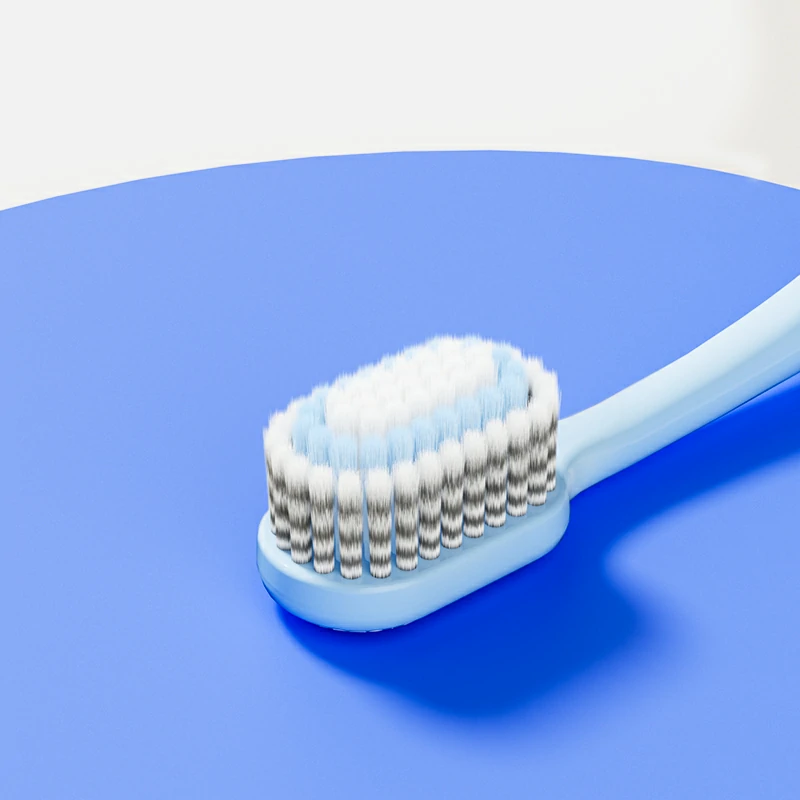
This article continues from our previous overview of brush production, which covered design, molding, and bristle planting. Here, we focus specifically on the bristle planting process itself. For reference, see our earlier article — How to Produce a Toothbrush: From Design to Manufacturing.
What is Toothbrush Bristle Planting?
Bristle planting, sometimes called ‘tufting,’ is the process of inserting bristle filaments into a pre-molded toothbrush head. Manufacturers secure the bristles so they stay firmly in place during use. Without bristle planting, a toothbrush consists only of a handle and cannot perform its intended cleaning function.
This process affects the toothbrush’s durability. It also affects how evenly the bristles clean the surfaces of the teeth. Additionally, it influences how well they reach between teeth and along the gumline.
Modern toothbrush manufacturing typically uses nylon or PBT filaments. Manufacturers first cut the filaments to specific lengths. Then, they bundle the filaments together. Finally, they insert the bundles into the toothbrush head using specialized tufting machinery.
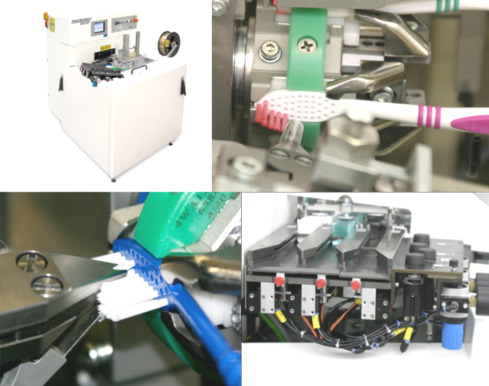
Key Methods of Toothbrush Bristle Planting
Staple‑Set Tufting (Traditional Method)
One of the oldest and most common methods is “staple‑set tufting.” In this method, manufacturers first fold the bundled bristles. They then insert the folded bristles into a hole in the toothbrush head, securing them with a small metal staple or anchor. The staple clamps the bent bristles in place, securing them firmly after insertion.
Manufacturers trim the bristles to a uniform length and round the tips through end‑rounding, ensuring they remain soft on the gums. Trimming and polishing the bristles is essential for user comfort. Sharp or uneven tips can irritate the gums or damage tooth enamel.
Staple‑set tufting remains widely used because it is reliable and relatively simple. However, the staple anchors can create tiny crevices around the bristle roots. Manufacturers must properly finish the bristle roots to prevent bacteria or debris from collecting in the crevices.
Anchor‑Free Tufting (In‑Mold or Sonic/Adhesive Methods)
To address hygiene and design challenges, some manufacturers now adopt anchor-free tufting methods. Manufacturers secure the bristles using ultrasonic welding, adhesives, or molding processes instead of relying on a metal staple. These methods reduce the potential for micro-gaps and yield a smoother surface around the bristle base.
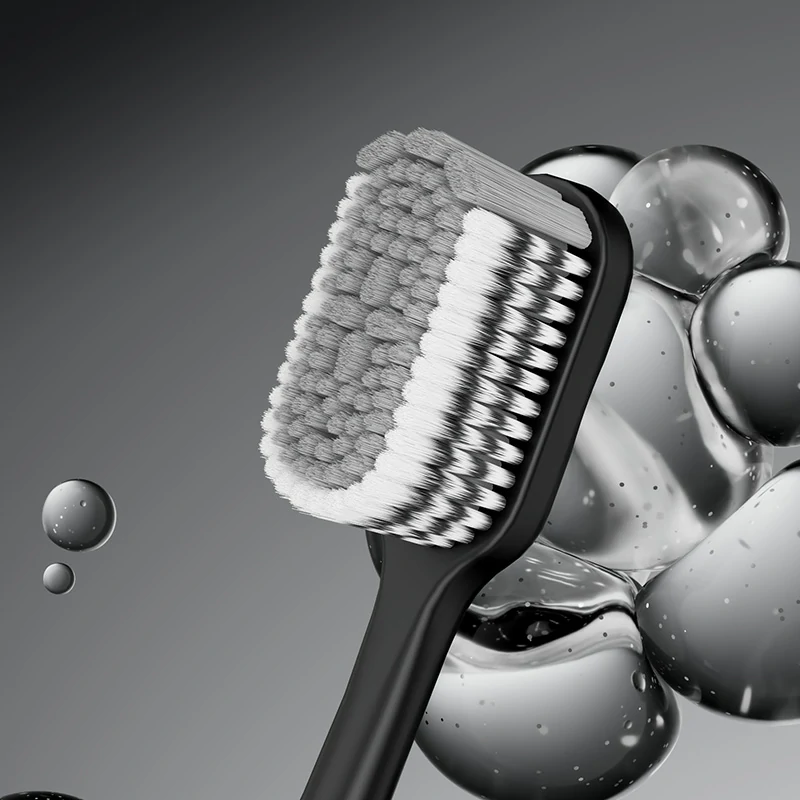
Anchor-free tufting makes more advanced brush-head designs possible. Manufacturers can create dense, multi-level bristle arrangements that increase contact with the tooth surface. They can also angle the filaments to improve cleaning in interdental spaces and along the gumline.
The Step-by-Step Bristle Planting Process
Below is a typical pipeline for modern toothbrush bristle planting based on industry practices.
1. Bristle Preparation
Manufacturers begin by sourcing high‑grade filaments (e.g., nylon). Manufacturers cut the long filament bundles and sort them by length—long, medium, or short—to match the toothbrush design.
For brushes that need tapered or softened bristle tips, manufacturers treat the filaments further. They use processes such as heat-stretching or chemical tapering to make the bristle tips narrower. The base of each filament remains thicker, which keeps the bristles stiff enough for effective cleaning.
2. Tufting / Bristle Insertion
Using a tufting machine, bristle bundles are positioned and inserted into the pre‑drilled holes on the toothbrush head. The machine must precisely control the insertion angle, depth, and density of the bristles. Proper control ensures uniform placement, which is essential for consistent brushing performance.
The machine follows different processes depending on the tufting method. In staple‑set tufting, it drives metal staples into the brush head to hold the bristles. In anchor‑free tufting, it secures the bristles using welding or adhesive.
Modern high-speed tufting machines achieve impressive throughput. Some machines can insert bristles into multiple brush heads at the same time. They can produce hundreds of toothbrushes per minute.
3. Trimming & End‑Rounding
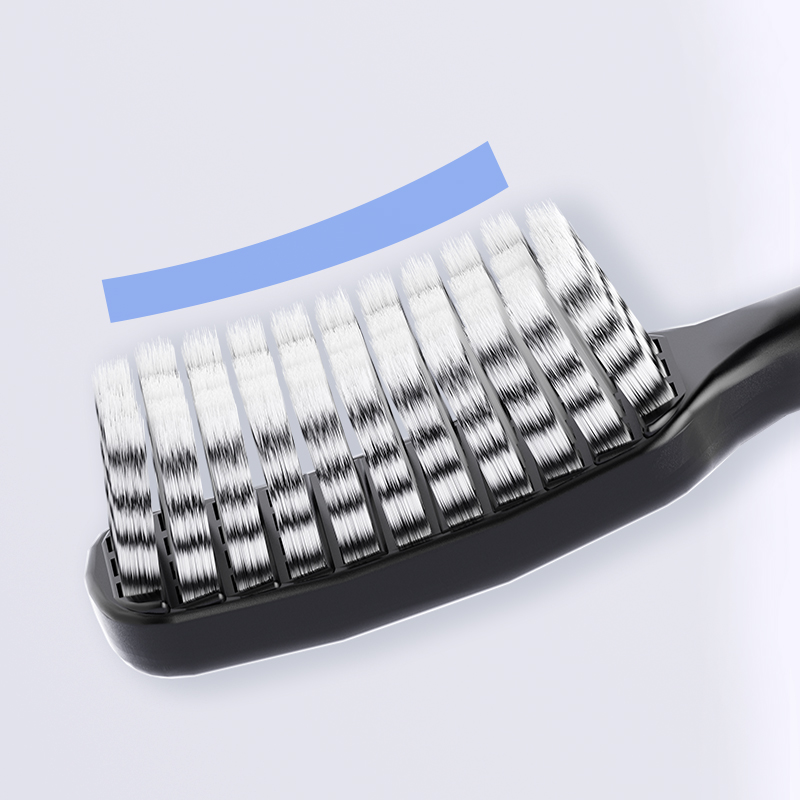
Once planted, bristles are trimmed to the specified length. Trimming can follow a flat, wavy, or multi-level pattern. The choice depends on the toothbrush design and aims to reach different tooth surfaces and the gumline effectively.
Next comes end‑rounding (or polishing): the tips of the bristles are smoothed so they are soft and safe for gums. Machines — often rotating brushes or wheels — gently abrade each filament tip. For high-quality brushes, tolerance can be as precise as ±0.2 mm.
4. Inspection and Quality Control
After the bristle planting and finishing processes, each brush head undergoes rigorous inspection. Workers or automated systems check for defects — such as loose or missing bristles, uneven trimming, or rough edges. Only those passing inspection continue to final assembly and packaging.
This step is essential. Even small flaws can reduce brushing performance or user comfort. Poorly finished bristle roots may also trap bacteria or cause the bristles to wear out prematurely.
Why Toothbrush Bristle Planting Matters (For Buyers and OEMs)
- Cleaning performance: Uniform and properly aligned bristles ensure effective plaque removal and reach into interdental spaces. Poor planting or uneven trimming reduces cleaning efficacy.
- Comfort & gum safety: End-rounded, tapered bristles are vital for gentle brushing — especially for sensitive gums. Hard or sharp bristle tips can cause irritation or abrasion.
- Durability & hygiene: Securely anchored bristles and smooth attachments reduce bristle shedding and minimize crevices where bacteria might accumulate.
- Design flexibility: Advanced planting methods, like anchor-free tufting, give manufacturers the ability to create complex bristle patterns. Manufacturers angle the bristles or arrange them in multiple levels to enhance brush performance. This approach is especially beneficial for premium or specialized toothbrushes. Examples include brushes designed for orthodontic care, gum care, or electric-style models.
How This Builds on Our Previous Work
As discussed in our previous article, How to Produce a Toothbrush: From Design to Manufacturing, the process starts with design, material selection, and handle molding. It then continues with bristle selection, handle production, and finally, bristle planting.
This deep dive into bristle planting builds on that foundation. The article details how manufacturers proceed after molding the handle. This stage connects the design process with the final assembly of the toothbrush.
Looking Ahead: Assembling Components — Coming Soon
Bristle planting completes the creation of the brush head. Manufacturers then assemble all components, including the handle, head with bristles, neck, and grips. For electric or hybrid models, they also add rubber inserts or technology modules to finish the toothbrush.
The next article in this series will explore ‘Assembling Components.’ Manufacturers will demonstrate how they join the individual parts of a toothbrush. They will also describe the processes of over-molding and second molding. Additionally, they will show how they create ergonomic grips and complete the final finishing and packaging. Stay tuned to follow the chain from planting to final production.