For years, fluoride dominated the dental hygiene aisle as the undisputed gold standard for cavity protection. Then came the era of biomimetic remineralization, which introduced hydroxyapatite as a non-toxic alternative for repairing tooth enamel and reducing sensitivity. Today, a new shift is occurring. Researchers and dental formulation experts are looking beyond pure mineral restoration to focus on the biological environment of the mouth itself.
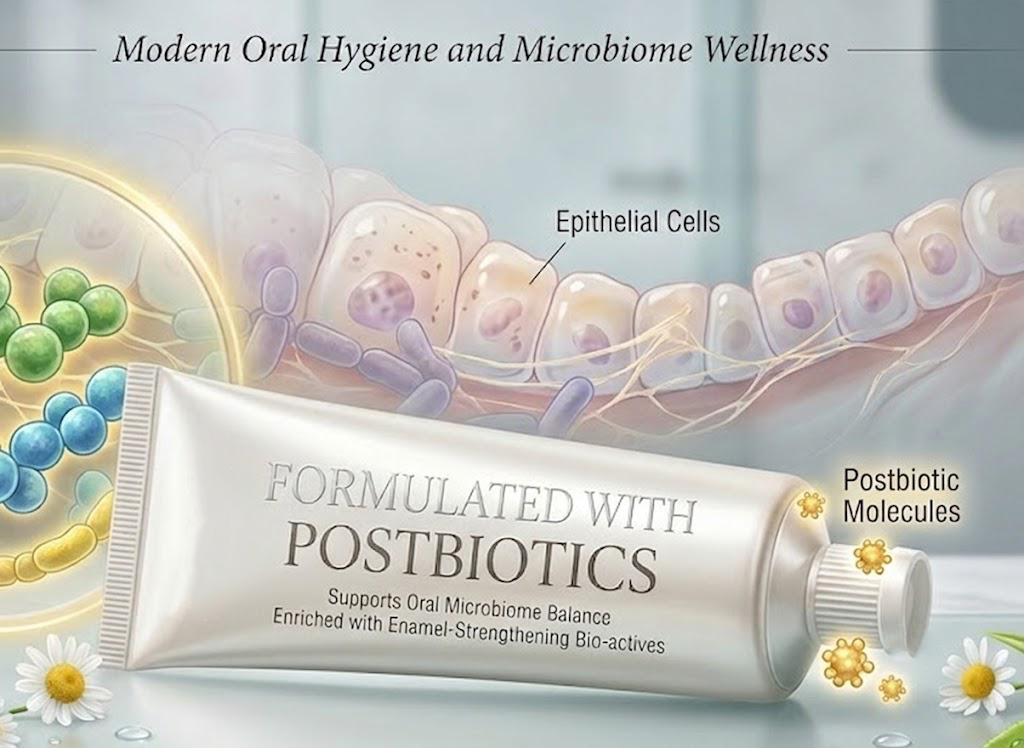
Enter the newest wave of dental innovation: postbiotics in oral care. As consumers become increasingly aware of the delicate ecosystem inside their mouths, postbiotic formulations are emerging as a powerful, science-backed successor—or complement—to hydroxyapatite. But what exactly are postbiotics, and could they truly redefine modern oral hygiene?
Understanding the Oral Microbiome and Postbiotic Bioactive Ingredients
To understand why postbiotics in oral care are gaining momentum, we must first look at how traditional oral care approaches fall short. Mainstream antiseptic mouthwashes and antibacterial toothpastes operate on a “kill-all” approach, wiping out both harmful and beneficial bacteria. This indiscriminate disruption often leads to dysbiosis—an imbalance in the oral microbiome that can actually trigger issues like persistent bad breath, gingivitis, and dental caries.
While probiotics introduce live bacteria to restore balance, they face significant shelf-life, stability, and formulation challenges in liquid or paste environments. Postbiotics solve this puzzle completely.
What Are Postbiotics in Oral Care?
Postbiotics are non-viable bacterial products or metabolic byproducts generated during fermentation. They include:
- Short-chain fatty acids (SCFAs)
- Peptides and enzymes
- Heat-inactivated bacterial cell walls and lysates
- Functional polysaccharides
Unlike live probiotics, postbiotics are inherently stable, heat-resistant, and highly safe for topical application. They do not need to survive manufacturing or storage, making them perfectly suited for everyday oral hygiene products.
Why Postbiotics in Oral Care Present a Major Breakthrough
Hydroxyapatite revolutionized preventative dentistry by physically binding to tooth structure to rebuild microscopic enamel defects. While hydroxyapatite focuses on structural repair, postbiotics target microbial dynamics and soft tissue health, creating a comprehensive dual-action approach.
+-------------------------------------------------------------------+
|                         ORAL HEALTH STRATEGY                       |
+---------------------------------+---------------------------------+
|          Hydroxyapatite         |           Postbiotics           |
|        (Structural Care)        |        (Microbial Care)         |
+---------------------------------+---------------------------------+
| • Enamel remineralization       | • Selective microbial balance   |
| • Micro-crack repair            | • Soothes gum tissue            |
| • Reduces dentin sensitivity    | • Neutralizes pathogenic biofilm|
+---------------------------------+---------------------------------+
1. Selective Microbial Regulation with Postbiotics
Instead of acting like a broad-spectrum antibiotic, postbiotics inhibit pathogenic microbes like Streptococcus mutans (the primary cause of tooth decay) while allowing beneficial oral flora to thrive. Research highlighted by organizations like the American Dental Association highlights the importance of preserving this microbial harmony to protect against chronic oral diseases.
2. How Postbiotics Protect Gum Health and Tissue
Gum inflammation and bleeding are early indicators of periodontal distress. Postbiotics contain immunomodulatory peptides that calm localized mucosal responses, helping to soothe swollen gums and reinforce the protective mucosal barrier against invading toxins.
3. Stability of Postbiotics in Routine Formulations
Formulating active ingredients into a high-performance, refreshing daily routine can be tricky. Postbiotics seamlessly blend into standard oral hygiene products—such as specialized toothpaste collections—without degrading over time or requiring special refrigeration.
Postbiotics vs. Hydroxyapatite: Comparing Trends in Bio-Inclusive Dental Care
It is tempting to view postbiotics in oral care as a direct replacement for hydroxyapatite, but the industry is increasingly treating them as synergistic partners.
- Hydroxyapatite excels at surface protection, acting as a natural calcium-phosphate coating that strengthens tooth enamel and seals dentinal tubules.
- Postbiotics excel at environmental regulation, preventing acid-producing bacteria from eroding that newly remineralized enamel in the first place.
When combined, these two ingredients address both sides of the oral health equation: structural defense and biological balance. A toothpaste or mouthwash containing both hydroxyapatite and postbiotics provides immediate physical shielding alongside long-term microbial harmony.
The Future of Postbiotics in Modern Oral Hygiene
As wellness trends continue shifting toward gut health, microbiome preservation, and gentle biological solutions, dental care is following suit. Consumers are actively moving away from harsh synthetic chemicals, alcohol-based mouthwashes, and abrasive cleaners in favor of intelligent, bio-inclusive formulations.
While hydroxyapatite laid the groundwork for non-toxic enamel repair, postbiotics represent the next evolutionary step in holistic dental wellness. By supporting the host’s natural defenses and keeping pathogenic biofilms in check without destabilizing the oral ecosystem, postbiotics are proving to be much more than a fleeting trend—they are shaping up to be the future baseline of modern dental hygiene.