When choosing oral care products, most people focus on flavors, whitening power, or fluoride content. However, one critical factor often goes unnoticed: the pH of toothpaste.
The acid balance in your mouth plays a vital role in protecting tooth enamel, preventing cavities, and maintaining overall oral health. Understanding how the acidity or alkalinity of your toothpaste affects your teeth can help you make safer, more effective choices for your daily routine.
Why the pH of Toothpaste Matters for Oral Health
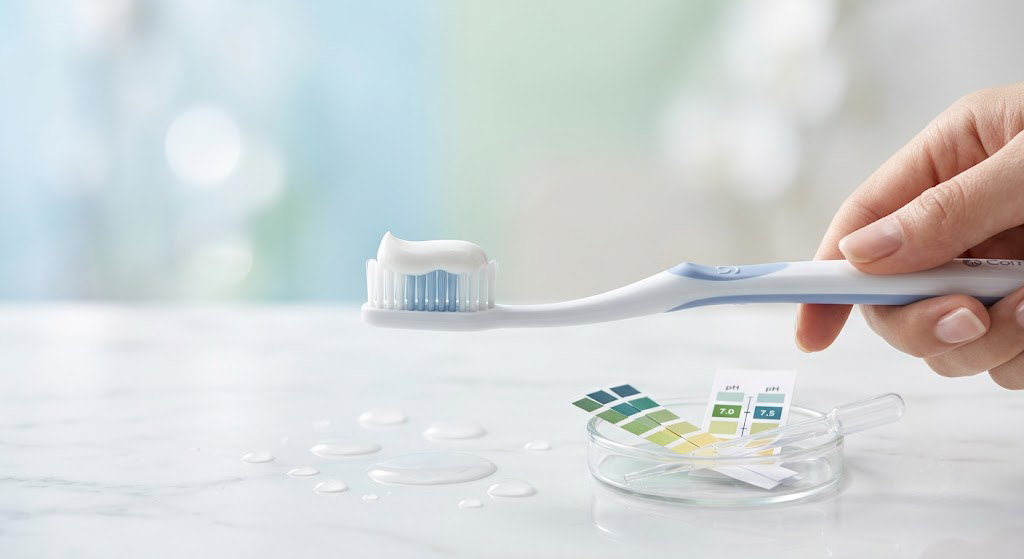
To understand why the pH of toothpaste is important, it helps to look at the natural balance inside your mouth. The human mouth typically maintains a neutral pH level around $6.7$ to $7.3$. When you eat or drink, bacteria in plaque ferment carbohydrates, producing acids that lower the oral pH.
       Acidic (Erosion Risk)            Neutral              Alkaline (Safe/Remineralizing)
<------------------------------------------|------------------------------------------>
0                   5.5                   7.0                    8.0                 14
               Critical Limit
           (Enamel Dissolves)
Enamel Erosion and Acidic Toothpaste pH
When the pH level in your mouth drops below $5.5$, tooth enamel begins to de-mineralize. This process weakens the outer structure of your teeth, leaving them vulnerable to decay and sensitivity.
Using an overly acidic toothpaste can accelerate enamel wear, especially when combined with the mechanical friction of brushing. Conversely, toothpastes that maintain a balanced or slightly alkaline pH help counteract dietary acids and support the natural remineralization process.
What Is the Ideal Toothpaste pH Level for Teeth?
The ideal pH of toothpaste generally falls between $7.0$ and $8.5$.
A pH level within this neutral-to-slightly-alkaline range offers several key benefits:
- Protects Tooth Enamel: Keeps the oral environment safely above the critical $5.5$ erosion threshold.
- Neutralizes Acids: Helps buffer harmful acids produced by plaque bacteria and acidic foods.
- Supports Remineralization: Works alongside fluoride and minerals in saliva to rebuild microscopic enamel defects.
Acidic vs. Alkaline Toothpaste pH Comparison
| Toothpaste Type | Typical pH Range | Effects on Teeth |
| Acidic Toothpaste | Below $5.5$ | May erode enamel over time and increase sensitivity. |
| Neutral Toothpaste | $6.5 – 7.5$ | Safe for daily use; preserves natural oral balance. |
| Alkaline Toothpaste | $8.0 – 9.0$ | Neutralizes acids effectively; supports enamel remineralization. |
While a slightly alkaline formula is beneficial, extremely high pH levels (above $9.5$) are unnecessary and may irritate sensitive mucosal tissues in the mouth. Maintaining a moderate, balanced range is key.
How a Balanced Toothpaste pH Protects Your Smile
Using a toothpaste with a balanced pH helps create a favorable ecosystem in the mouth. Here is how neutral and alkaline formulations work to keep your teeth healthy:
Neutralizing Harmful Dietary Acids
Everyday foods and beverages—such as coffee, soda, citrus fruits, and wine—introduce acids that temporarily lower oral pH. Brushing with a properly formulated toothpaste neutralizes these lingering acids quickly, reducing the time your enamel spends in an vulnerable state.
Supporting Salivary Buffering with Proper Toothpaste pH
Saliva acts as your mouth’s natural defense mechanism, containing bicarbonate ions that buffer acids. A balanced toothpaste supports saliva’s natural protective functions rather than disrupting them.
If you are looking for oral care options formulated to keep your mouth healthy and balanced, you can explore a wide variety of specialized formulas in our toothpaste category collection.
How to Choose a Safe Toothpaste for Daily Use
Finding a product with an optimal pH level doesn’t have to be complicated. Here are practical tips to ensure your daily toothpaste protects your enamel:
- Check for Fluoride: Fluoride strengthens enamel and makes it more resistant to acid attacks.
- Avoid Excessively Acidic Whitening Formulas: Some aggressive whitening pastes rely on lower pH levels or high abrasiveness to strip stains, which can wear down enamel over time.
- Look for ADA Acceptance: The American Dental Association evaluates consumer oral health products for safety and efficacy, ensuring that approved toothpastes meet rigorous standards for enamel protection and pH safety.
- Consider Desensitizing Ingredients: If you experience tooth sensitivity, look for formulas containing potassium nitrate or stannous fluoride, which help shield exposed dentin without compromising oral pH balance.
Conclusion
The pH of toothpaste is a fundamental yet frequently overlooked aspect of daily dental hygiene. By choosing a toothpaste with an ideal neutral-to-slightly-alkaline pH (between $7.0$ and $8.5$), you can effectively neutralize harmful acids, preserve your tooth enamel, and maintain a healthy oral environment for years to come.