A high quality toothbrush plays a far more important role in oral health than many people realize. While price and appearance often influence buying decisions, dentists and oral care professionals consistently emphasize quality, safety, and performance as the true benchmarks. Understanding what defines a high quality toothbrush helps consumers make better choices and helps brands build long-term trust.
So, what truly separates a high quality toothbrush from an ordinary one? The answer lies in materials, bristle engineering, handle design, manufacturing precision, and compliance with international standards.
Bristle Quality: The Core of a High Quality Toothbrush
First and foremost, bristles determine how effectively a toothbrush cleans while protecting enamel and gums. High quality toothbrushes rely on carefully selected bristle materials rather than generic plastics.
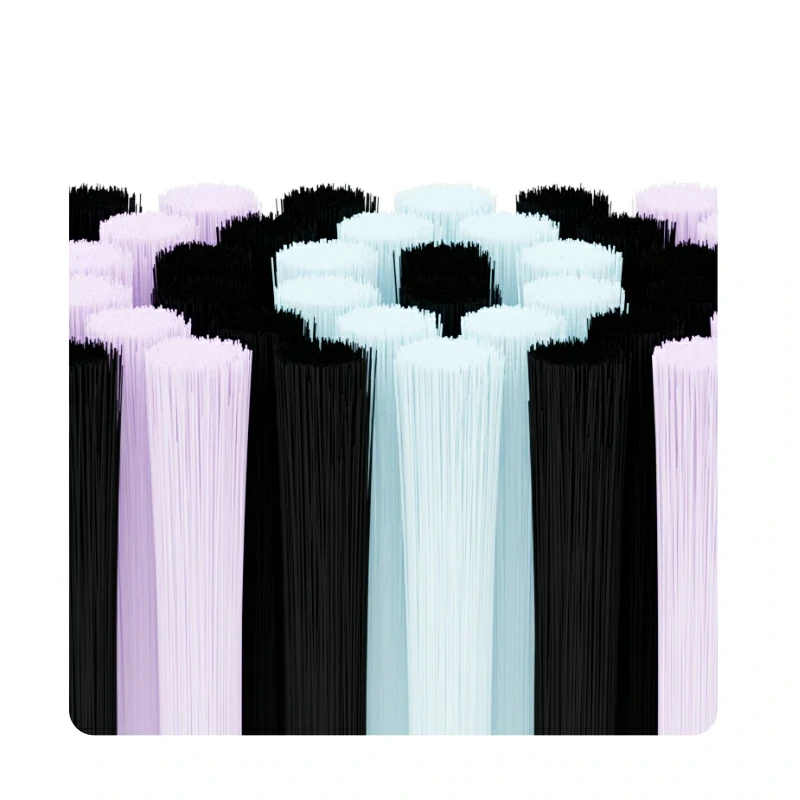
For example, premium nylon bristles, such as DuPont nylon (PA), offer consistent flexibility, durability, and excellent recovery after repeated use. In addition, PBT bristles made from Japanese Toray materials allow precise end-rounding and tapered shaping. As a result, they clean plaque efficiently while remaining gentle on sensitive gums.
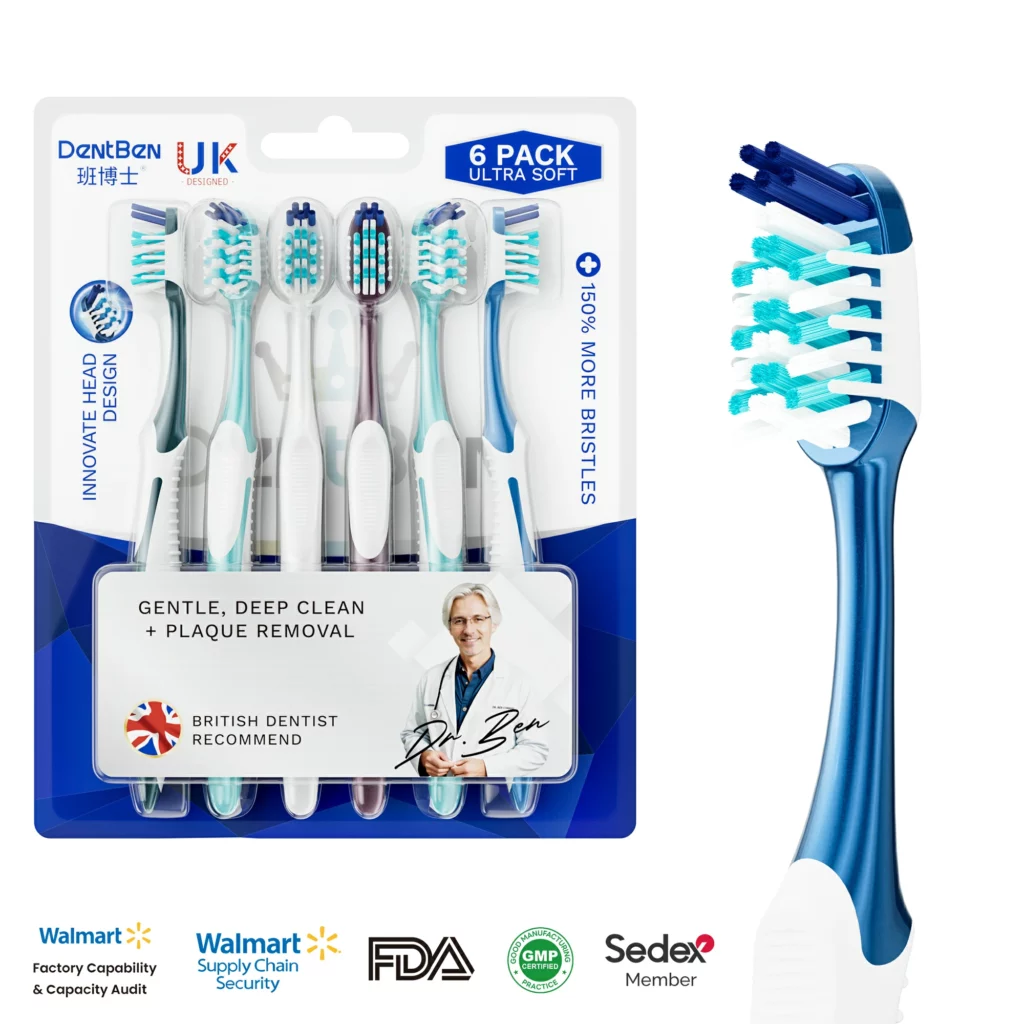
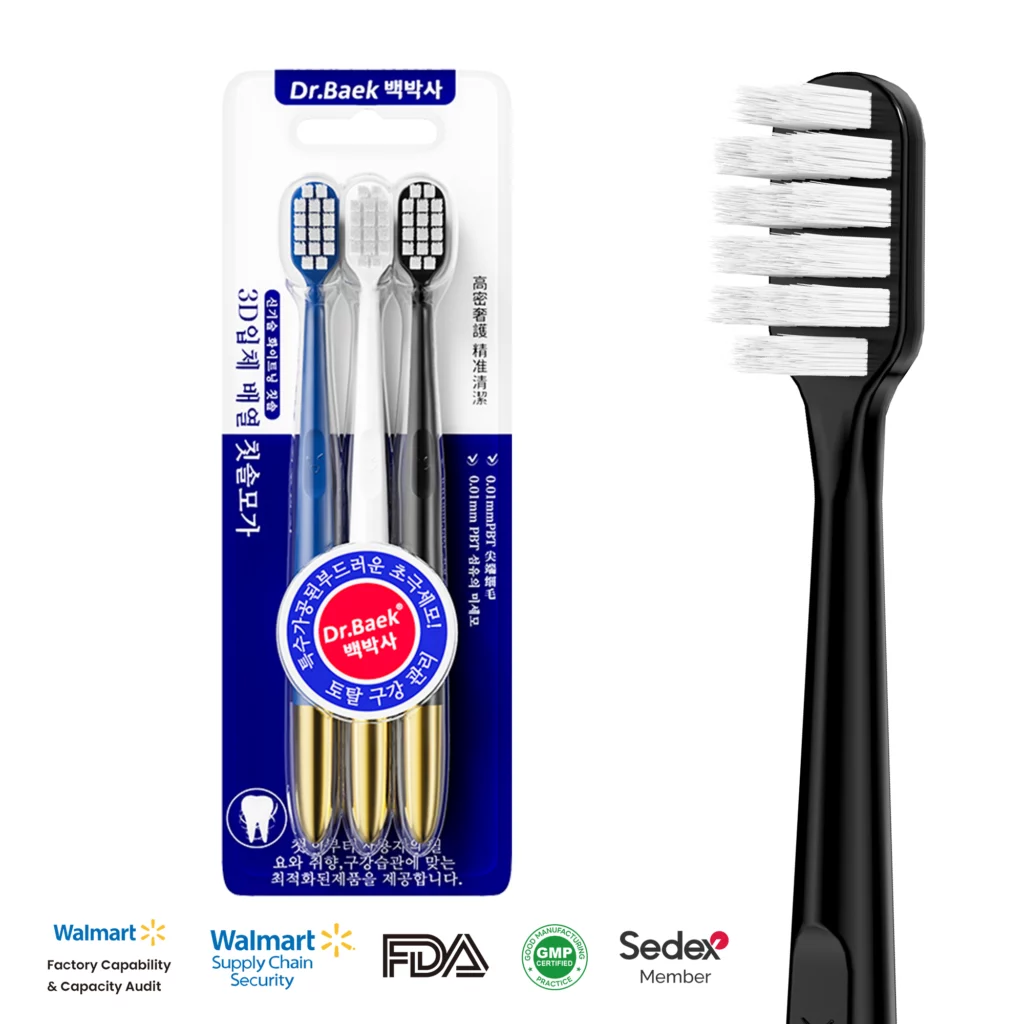
Moreover, modern high quality toothbrushes often use advanced bristle structures. These include ultra-dense bristle layouts, dual-layer bristle systems, and tapered or conical bristle tips. Compared with traditional straight-cut bristles, these designs reach interdental spaces more effectively and reduce irritation during brushing.
Bristle Softness and Safety Standards
Equally important, bristle softness must align with oral health needs. A high quality toothbrush typically falls into soft or extra-soft categories, which dentists widely recommend for daily use. Softer bristles minimize gum recession risk while still removing plaque efficiently when combined with proper brushing technique.
Additionally, reputable manufacturers subject bristles to strict end-rounding inspections. Poorly rounded bristle tips can damage enamel and soft tissue. Therefore, consistent microscopic polishing represents a key indicator of toothbrush quality.
Handle Design: Comfort, Control, and Materials
Beyond bristles, handle design significantly affects brushing performance. A high quality toothbrush handle balances ergonomics, grip control, and material safety.
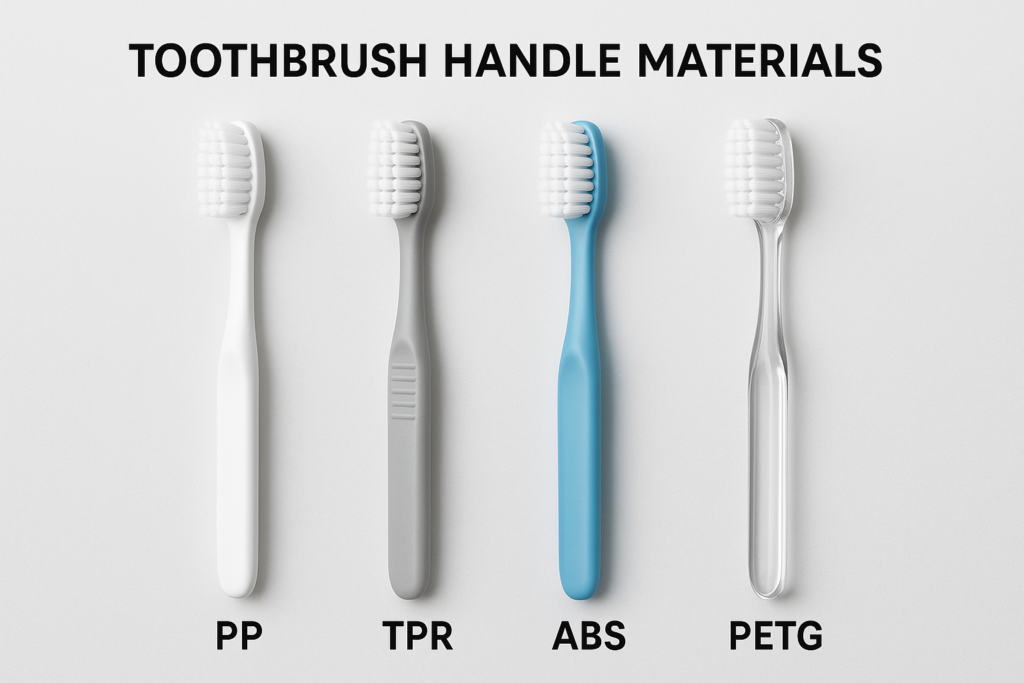
Common handle materials include PP (polypropylene) for lightweight durability, ABS for structural strength, and TPR inserts for non-slip comfort. Furthermore, premium lines increasingly use PETG, a transparent and recyclable material that supports sustainability goals without sacrificing strength.
From an ergonomic perspective, well-designed handles improve brushing accuracy and reduce wrist fatigue. Rounded edges, balanced weight distribution, and textured grip zones all contribute to better user control. Consequently, thoughtful handle design directly enhances daily brushing effectiveness.
Manufacturing Precision and Quality Control
While materials matter, manufacturing precision ultimately defines consistency. High quality toothbrushes come from factories with automated tufting machines, strict tolerance control, and multi-stage quality inspections.
During production, precise tuft anchoring prevents bristle shedding, while uniform trimming ensures even brushing pressure. In addition, advanced factories conduct pull-force tests, fatigue tests, and hygiene inspections to guarantee product reliability.
This level of control does not happen by accident. It reflects years of technical experience, investment in equipment, and a culture of quality assurance.

Certifications and Compliance: Trust Beyond Claims
Importantly, a high quality toothbrush must meet recognized international standards. Certifications provide objective validation rather than marketing claims.
Reputable toothbrush manufacturers comply with ISO quality management systems, FDA material safety requirements, and CE regulations for European markets. Furthermore, social compliance audits such as Walmart FCCA demonstrate ethical manufacturing practices.
These certifications signal that products meet strict safety, hygiene, and production benchmarks. For brands and consumers alike, they offer confidence that quality claims stand on verified foundations.

High Quality Toothbrushes and Brand Responsibility
From a brand perspective, offering a high quality toothbrush means taking responsibility for long-term oral health outcomes. Rather than competing solely on price, quality-driven brands invest in research, material sourcing, and manufacturing transparency.
OralGos follows this philosophy by combining professional oral care knowledge with advanced manufacturing capabilities. Backed by the Marbon factory’s decades of experience, OralGos toothbrushes emphasize material safety, ergonomic design, and consistent quality across both premium and accessible product lines.
This approach ensures that different consumer needs receive appropriate solutions without compromising core quality standards.
Why Quality Matters More Over Time
Finally, choosing a high quality toothbrush delivers long-term value. Although premium materials and processes may slightly increase upfront cost, they reduce replacement frequency, minimize oral health risks, and improve daily comfort.
In contrast, low-quality toothbrushes often suffer from uneven bristles, rapid deformation, and poor hygiene control. Over time, these issues may contribute to gum irritation or ineffective plaque removal.
Therefore, quality is not a luxury. It is a practical investment in oral health.
Final Thoughts
In summary, a high quality toothbrush is defined by far more than appearance or price. Superior bristle materials, thoughtful handle design, precise manufacturing, and verified certifications collectively determine performance and safety.
For consumers, understanding these factors leads to smarter choices. For brands, committing to quality builds lasting credibility. Ultimately, oral health begins with the tools we use every day, and quality always makes the difference.