For oral-care buyers, ensuring consistent quality in toothbrushes is critical. From durability and hygiene to ergonomic design, each element contributes to the overall effectiveness of the product. Rigorous toothbrush manufacturing quality control ensures that products are safe and perform well. These measures also protect end-users from potential defects or hazards.
This article explores key aspects buyers should examine during sourcing and inspection.
Why Toothbrush Manufacturing Quality Control Matters for Product Safety
Quality control in toothbrush production is not merely a regulatory formality—it directly impacts user safety and satisfaction. Poor-quality toothbrushes can lead to ineffective cleaning, gum irritation, or even product failure. According to the American Dental Association, a toothbrush should be both safe and effective in maintaining oral health.
Focusing on toothbrush manufacturing quality control helps buyers reduce the risk of defects. It also ensures that the products meet required performance standards. This approach is especially important for bulk purchases and private-label sourcing. Even small production lapses in these cases can lead to major brand liability.
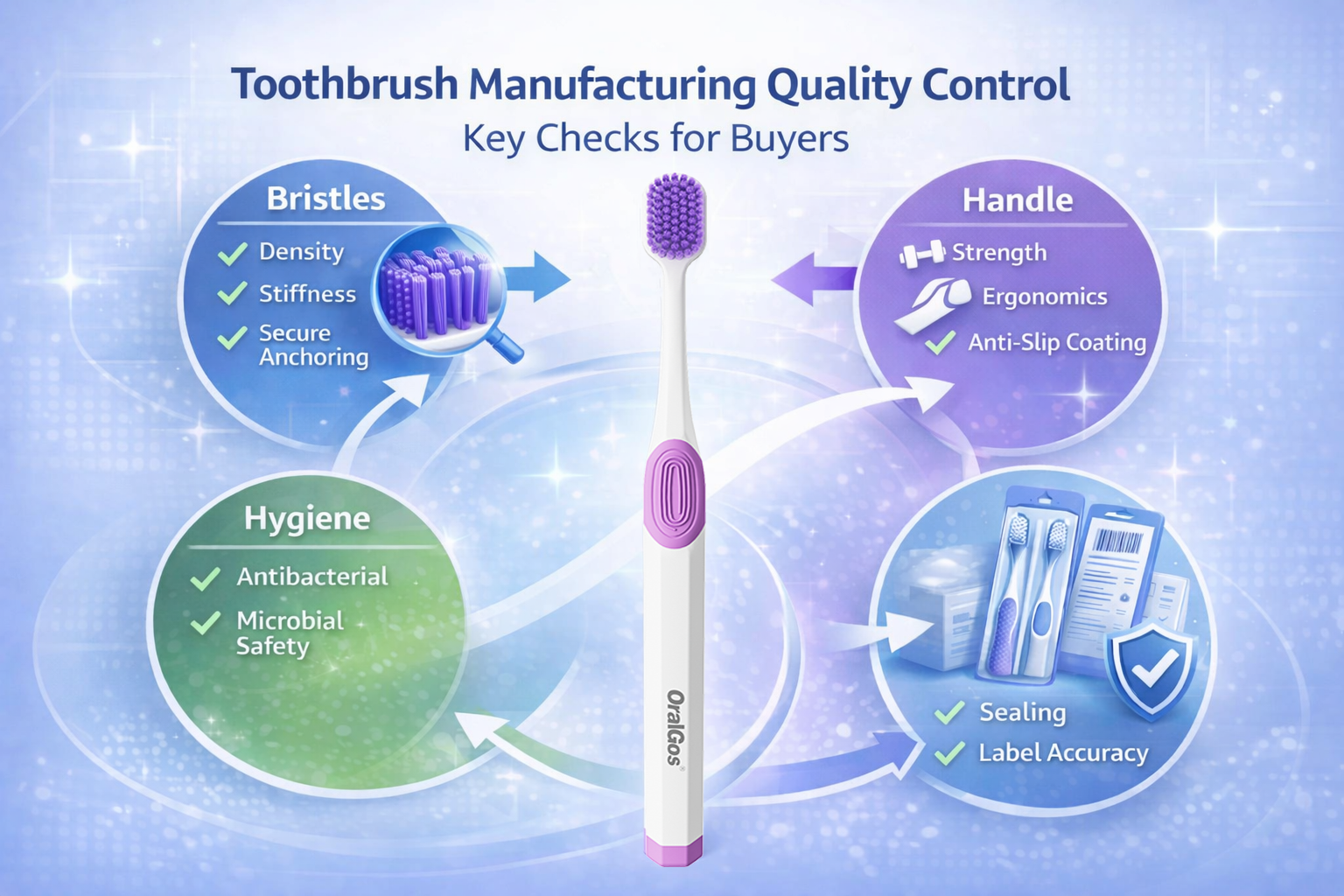
Core Toothbrush Manufacturing Quality Control Areas Buyers Should Inspect
1. Bristle Quality and Arrangement
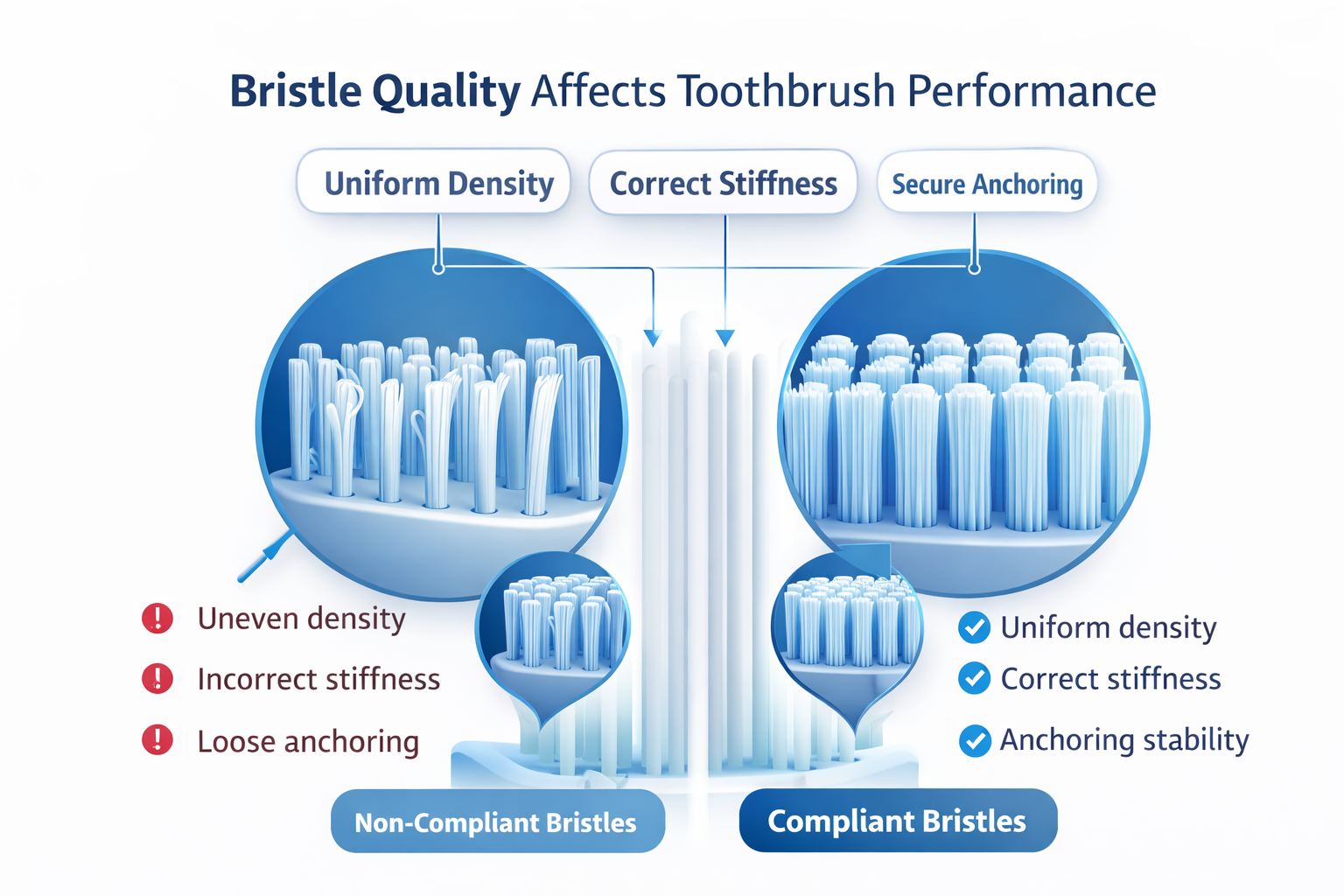
Bristles are the most critical component of any toothbrush. Buyers should check for uniform density, proper stiffness, and secure anchoring in the head. Inconsistent bristle quality can lead to premature wear, uneven plaque removal, or gum damage.
- Tip: Request a bristle durability test or microscopic inspection report to ensure compliance with international standards.
2. Handle Durability and Ergonomics
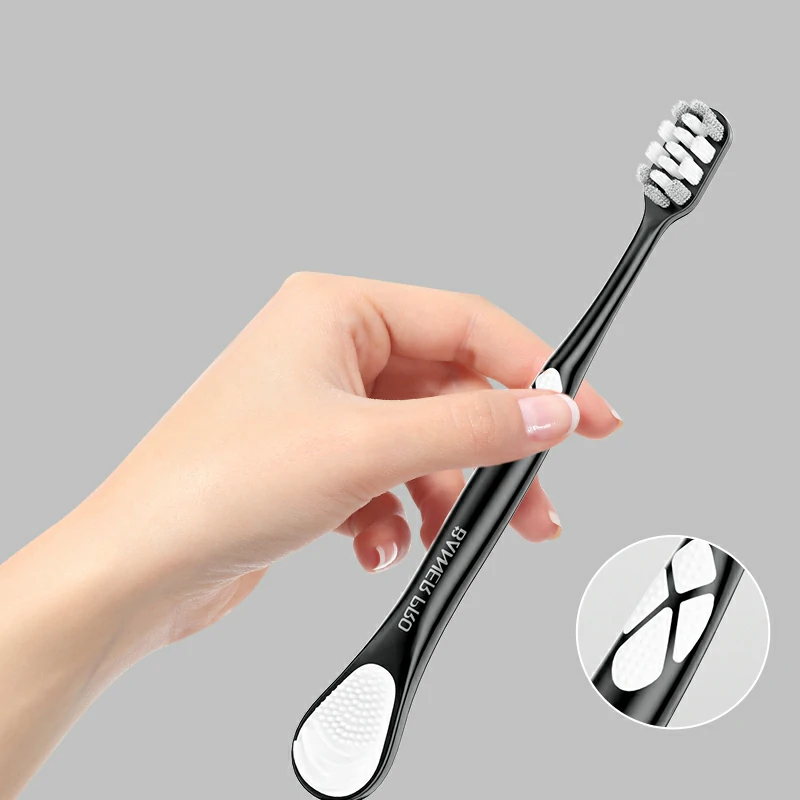
Manufacturers often overlook the handle, but it plays a major role in user comfort and product longevity. Quality control should include material strength tests, anti-slip coating evaluation, and ergonomic design verification. Handles that break or warp compromise both safety and brushing efficiency.
- Tip: Buyers can request drop-test results and ask manufacturers to evaluate handle strength under stress.
- Explore a variety of inspected handles and designs at OralGos manual toothbrushes.
3. Hygiene and Antibacterial Testing
Toothbrushes must remain hygienic throughout their shelf life. Manufacturers often use antimicrobial coatings or embedded technology to reduce bacterial growth. Buyers should verify whether the product meets safety certifications and whether testing aligns with regulatory guidelines.
- The American Dental Association provides guidance on antibacterial toothbrush standards.
4. Packaging and Labeling Accuracy
Correct packaging protects the toothbrush during transit and ensures consumers receive accurate product information. Check for securely sealed packs, accurate labeling of materials, manufacturing dates, and usage instructions. Mislabeling can damage brand credibility and violate local regulations.
5. Compliance and Certification
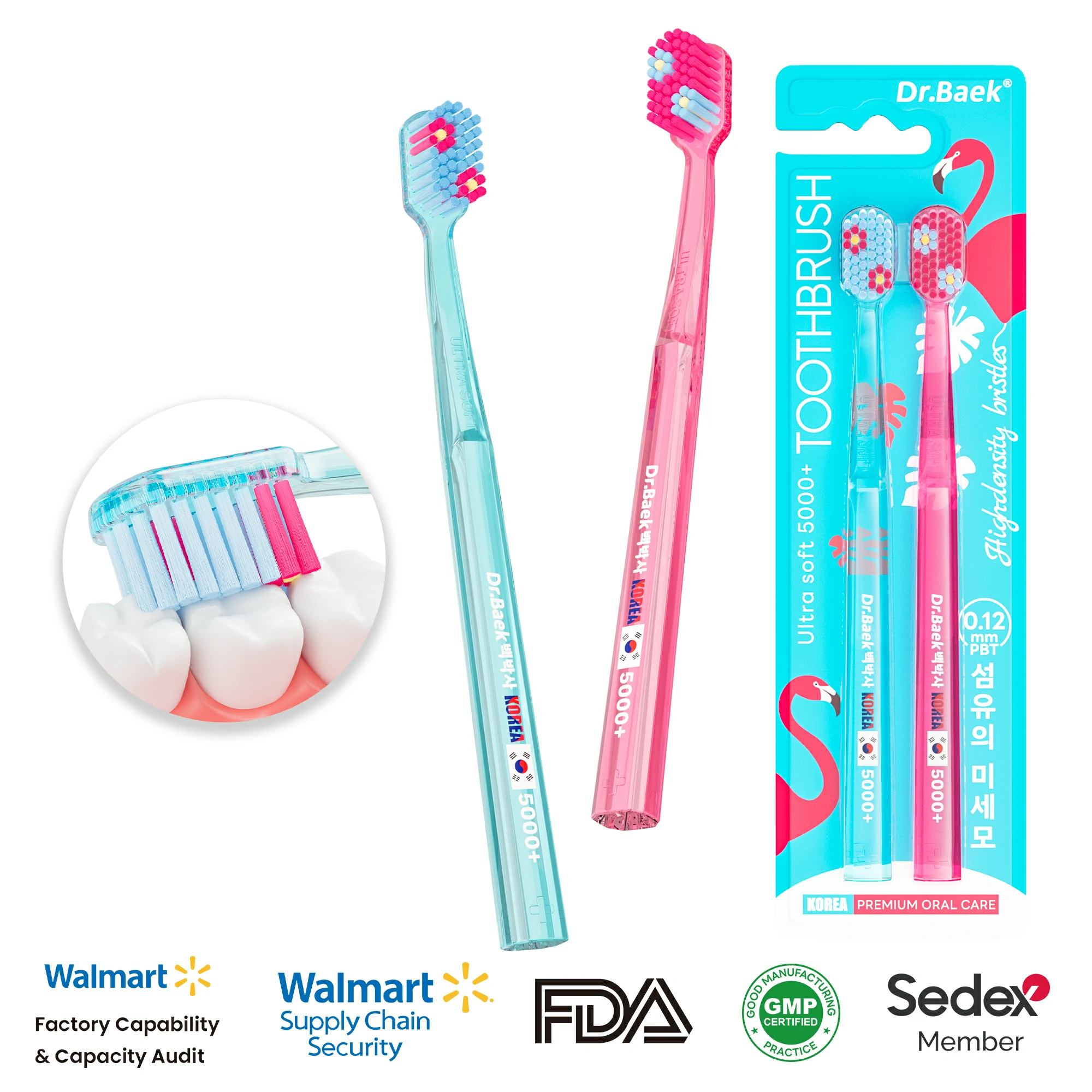
Ensure the toothbrush meets international standards such as ISO 20126 or EN 1649. Certificates from independent testing labs provide assurance of quality. Buyers should also check if the manufacturer participates in continuous quality improvement programs to maintain consistent standards.
Practical Quality Control Tips for Toothbrush Buyers
- Request Samples: Conduct in-house testing for bristle strength, handle durability, and user comfort.
- Review Documentation: Examine batch testing reports, material certificates, and production audits.
- Third-Party Verification: Engage independent labs for quality validation if the order volume is significant.
- Monitor Supplier Practices: A manufacturer committed to quality often follows strict internal audits and corrective action protocols.
Conclusion
Thorough toothbrush manufacturing quality control is essential for buyers aiming to deliver safe, durable, and effective oral-care products. By inspecting bristles, handles, hygiene standards, packaging, and certification compliance, buyers mitigate risks while promoting superior oral health outcomes.
Investing in proper quality assurance protects consumers. It also strengthens brand reputation and supports long-term growth in a competitive toothbrush market.